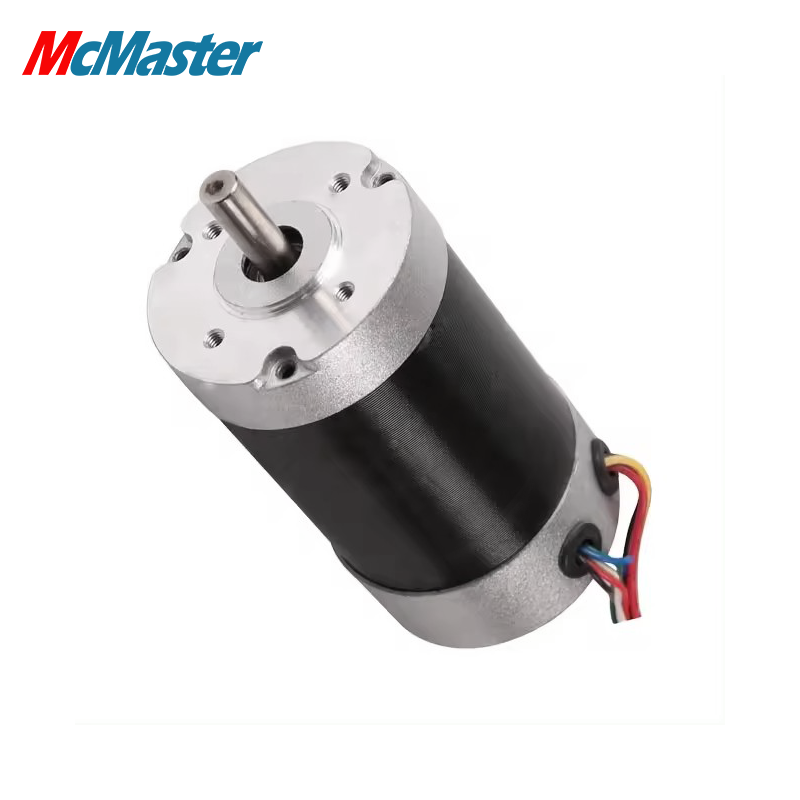
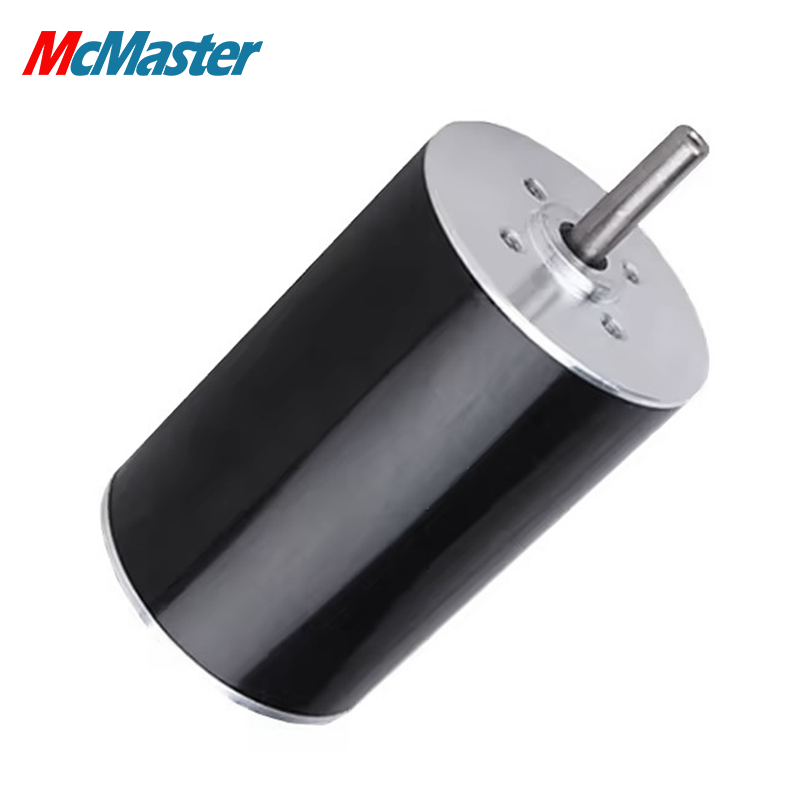
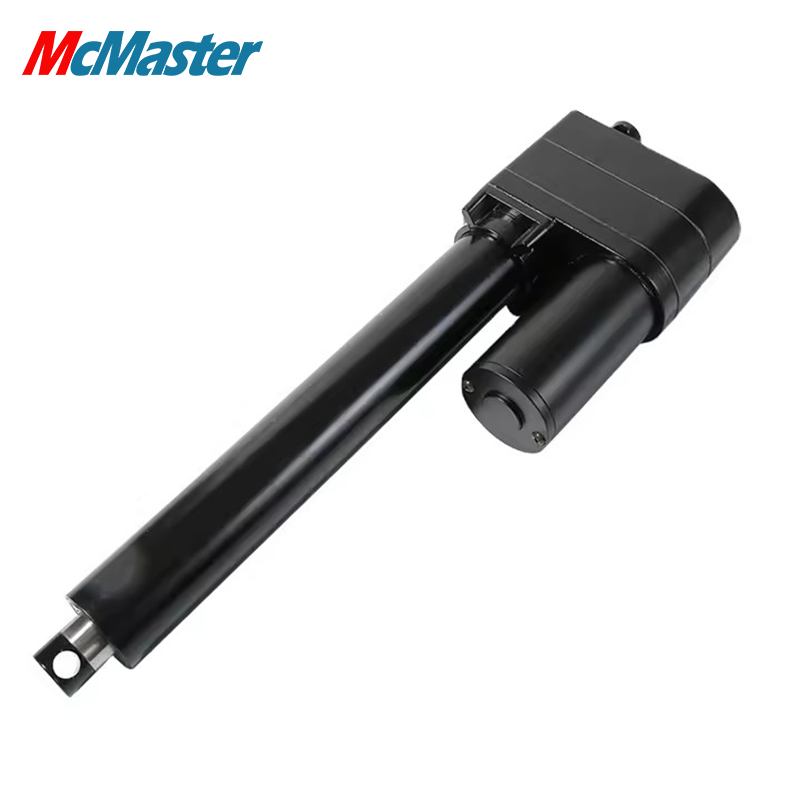
When selecting a 12V worm drive motor, it's essential to understand its functionality and specifications to ensure it meets your project's requirements. These motors are commonly used in applications requiring a high torque output with a compact design, making them ideal for various industries such as robotics, automotive, and automation. This article will help you navigate the critical considerations when choosing a 12V worm brushless dc electric motor including key specifications, installation challenges, and the importance of quality control in manufacturing.
Choosing the right 12V worm drive motor involves several key considerations that directly impact performance and suitability. First, assess the motor's torque output, which is crucial for applications requiring significant force. This specification is typically measured in Newton-meters (Nm) and should align with your project's load requirements.
Next, consider the motor's speed, expressed in revolutions per minute (RPM). The optimal speed will depend on the application; for instance, slower speeds may be necessary for precise movements in robotics, while higher speeds might be preferred in automation processes.
Additionally, evaluate the motor's efficiency and thermal management capabilities. A motor with high efficiency will generate less heat, which is vital for maintaining performance and longevity. Look for motors that include thermal protection features to planetary gearbox with motor prevent overheating during extended use.
Finally, consider the motor's integration with your existing systems, including compatibility with controllers and power sources. A clear understanding of your application's electrical requirements will help ensure seamless integration.
Wholesale buyers should pay close attention to several key specifications when assessing 12V worm drive motors. These include:
Torque Rating: As mentioned earlier, this is a critical specification. Ensure the selected motor can handle the maximum load anticipated in your application.
Gear Ratio: The gear ratio affects both torque and speed. A higher gear ratio will provide more torque but reduce speed, while a lower gear ratio will do the opposite. Understanding the required balance for your application is essential.
Motor Dimensions: The size of the motor must fit within the design constraints of your project. Pay attention to the motor's length, diameter, and mounting configuration.
Duty Cycle: This specification indicates the motor's operational limits, particularly regarding continuous versus intermittent use. Choose a motor that matches your operational needs.
Efficiency Ratings: Higher efficiency motors consume less power and produce less heat, which can save costs in the long run.
Operating Temperature Range: Ensure the motor can operate effectively within the temperature conditions expected in your application.
Certifications: Verify if the motor meets industry standards and certifications relevant to your application, as this can affect compliance and safety.
When sourcing 12V worm drive motors, it’s crucial to have a comprehensive procurement approach. Start by determining your specific needs, including the application type, required performance, and any customization options. Prepare a detailed Request for Quotation (RFQ) that includes:
Motor Specifications: Clearly outline torque, speed, dimensions, and any specific features.Quantities: Define how many units you need, as this may impact pricing and lead times.Application Details: Provide context on how the motor will be used, which helps suppliers recommend the best options.Custom Requirements: If applicable, detail any customization needs, such as specific mounting styles or finishes.
Once you receive quotations, compare suppliers based on their manufacturing capabilities and quality assurance processes. Look for manufacturers with a proven track record in producing reliable products and those who can offer samples for testing before mass production.
Installing a 12V worm drive motor can present several challenges. Common issues include misalignment, improper mounting, and inadequate thermal management. Here are some solutions to consider:
Alignment: Ensure that the motor is correctly aligned with the driven components. Misalignment can cause excessive wear or failure. Use alignment tools and techniques to confirm that the motor shaft is properly oriented.
Mounting: Verify that the mounting configuration matches your design specifications. Use appropriate mounting hardware and techniques to secure the motor firmly. Inadequate mounting can lead to vibrations and operational failures.
Thermal Management: Monitor the operating temperature of the motor during installation. Ensure that there is adequate airflow around the motor, and consider using heat sinks or cooling fans if necessary.
Electrical Connections: Confirm that all electrical connections are secure and follow the manufacturer's guidelines. Poor connections can lead to power loss or motor failure.
Testing: After installation, conduct thorough testing under actual operating conditions. This helps identify any potential issues before full-scale operation.
Quality control is vital in the manufacturing of 12V worm drive motors, as it directly affects product reliability and performance. A robust quality control process ensures that each motor meets the specified standards and operates effectively in its intended application.
Manufacturers should implement various quality assurance measures, such as:
Material Inspections: Before production, materials should be inspected for compliance with specifications. Substandard materials can compromise motor performance.
In-Process Inspections: Regular inspections during the manufacturing process can identify issues early, reducing waste and ensuring consistent quality.
Final Testing: Each motor should undergo final testing to confirm it meets operational specifications. This includes verifying torque, speed, and thermal performance.
Certification: Look for manufacturers that have relevant certifications, as these can indicate adherence to industry standards and quality benchmarks.
understanding the complexities of selecting and utilizing a 12V worm planetary motor gearbox is essential for B2B buyers. By focusing on key specifications, being aware of installation challenges, and trusting in quality control processes, you can make informed decisions that enhance your project's success.

 EN