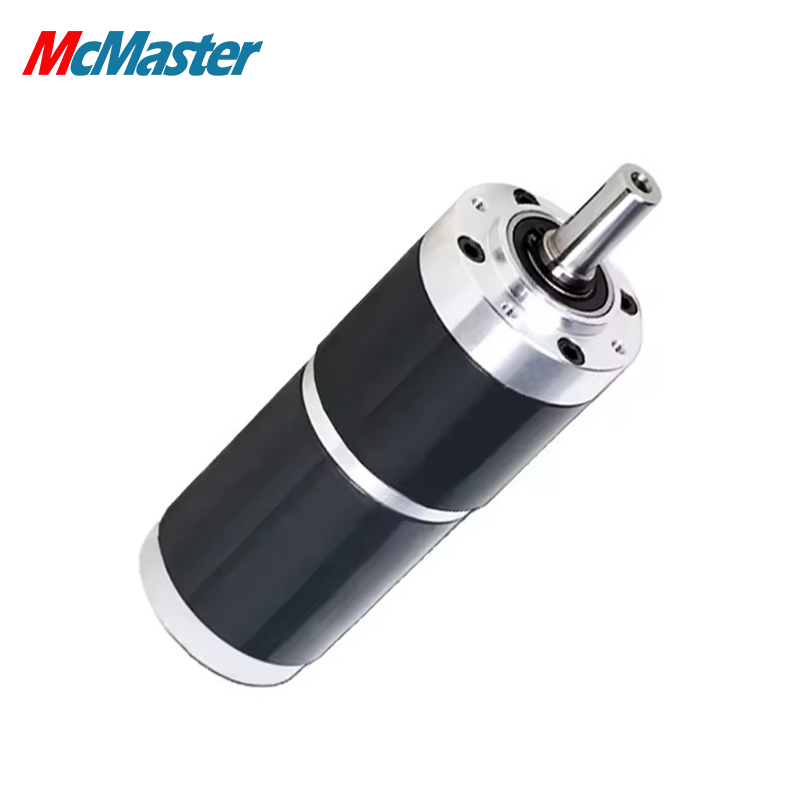
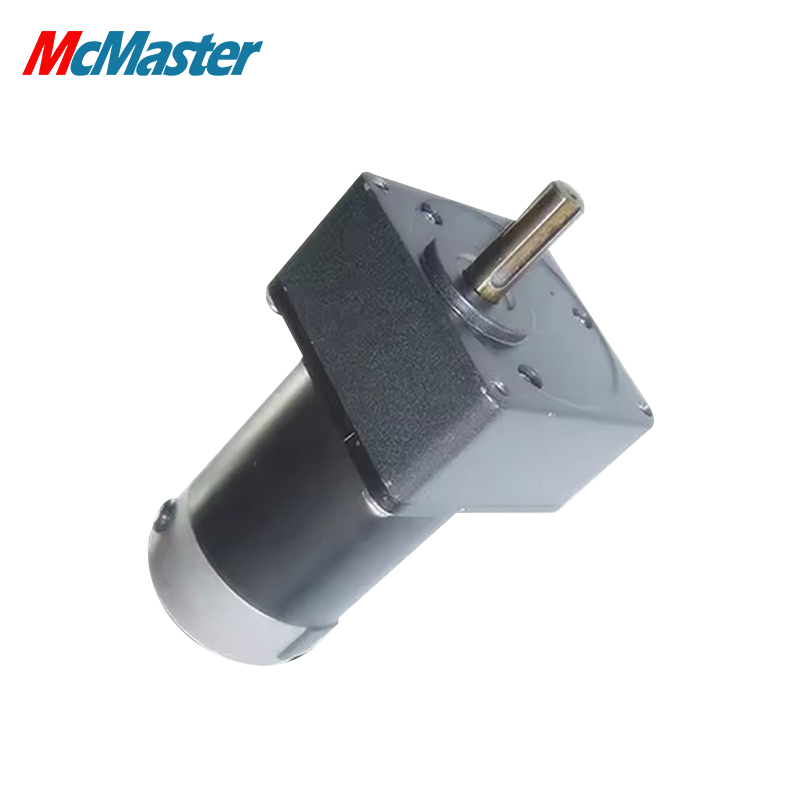
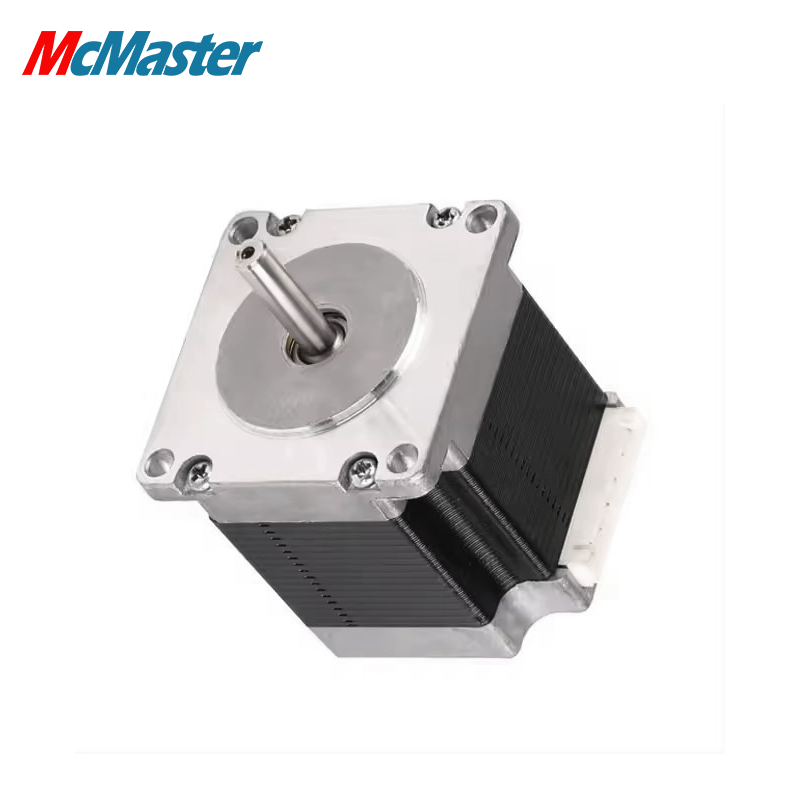
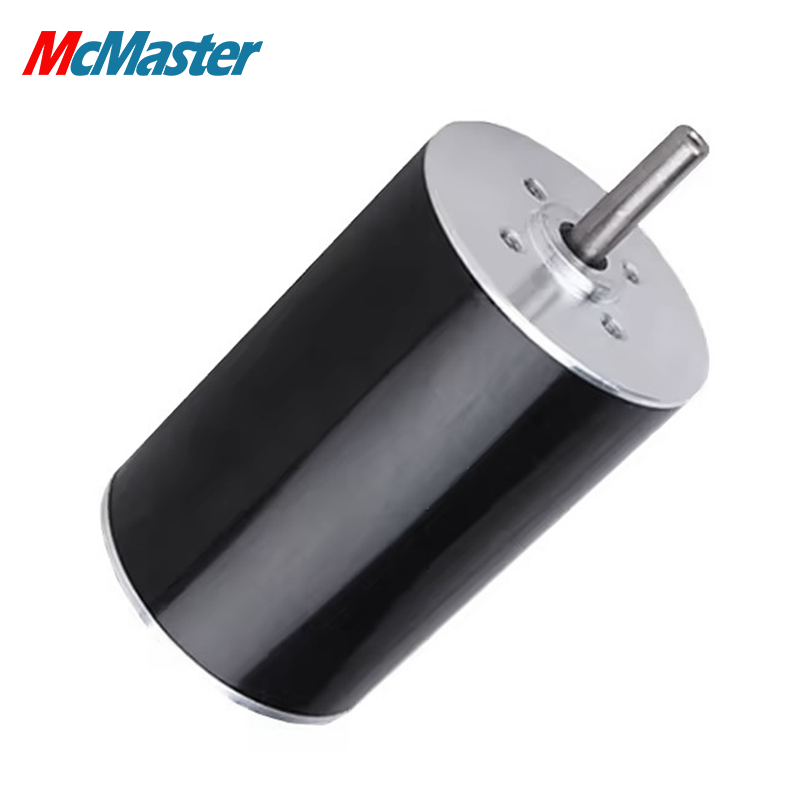
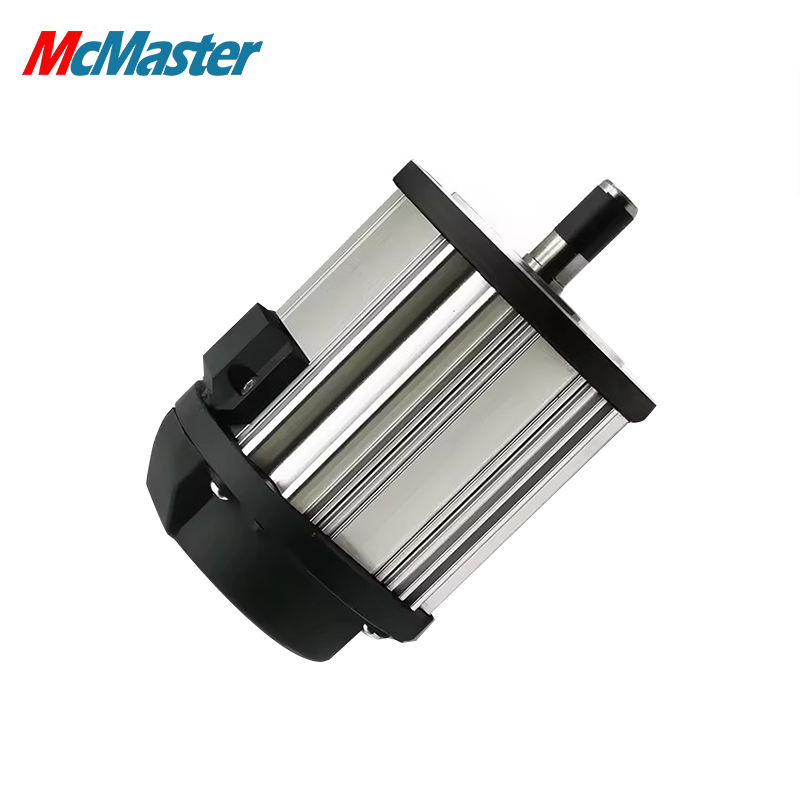
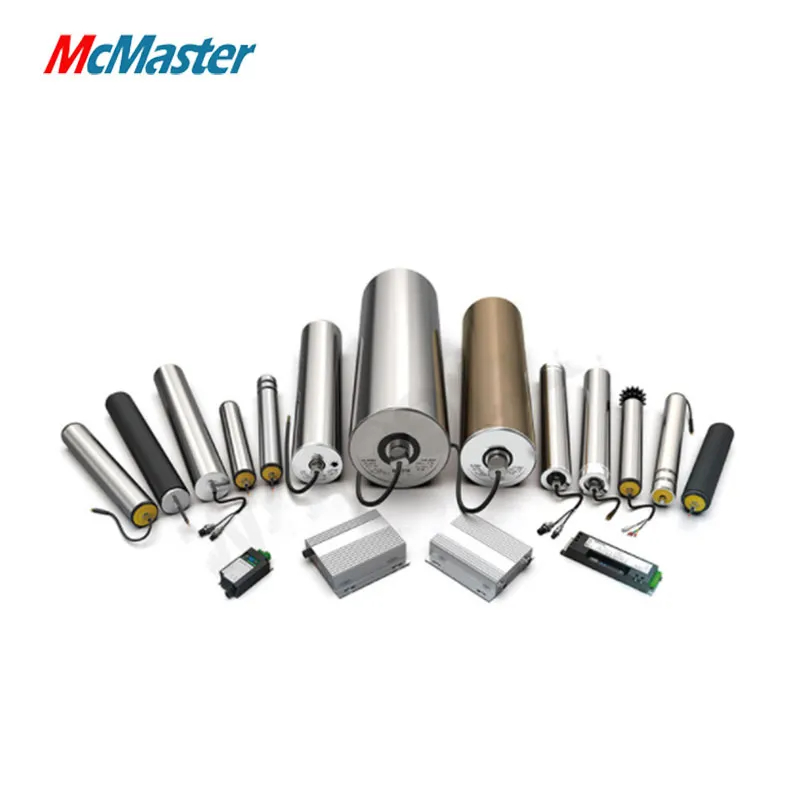
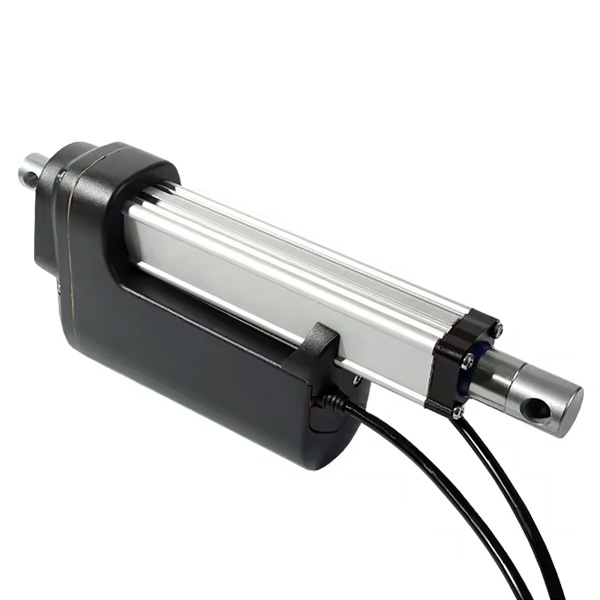
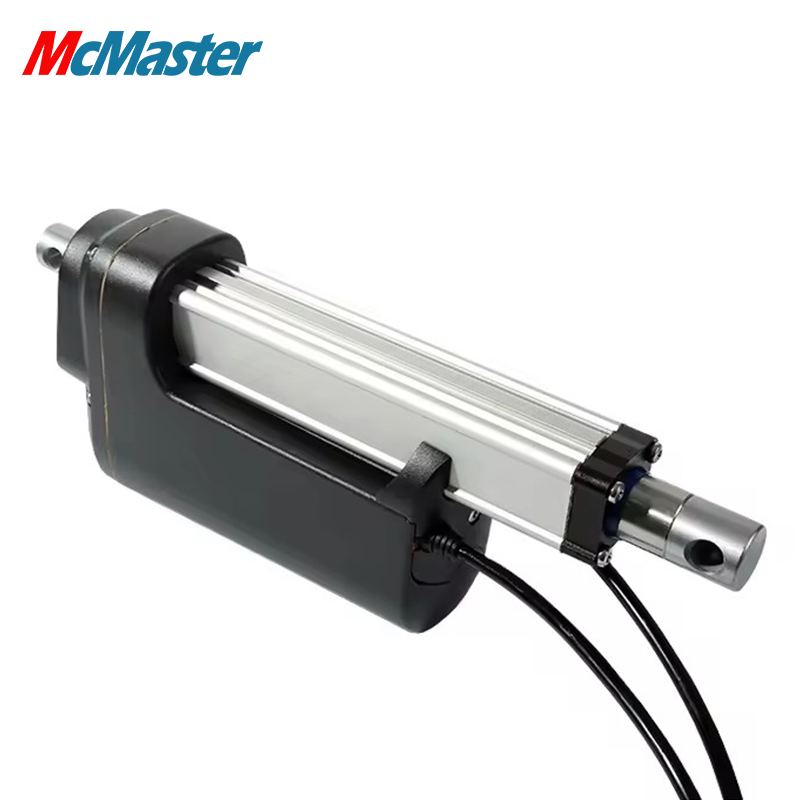
A 24V gear motor is an essential component in various automation and industrial applications, providing the necessary torque and speed control for a range of machinery. As a B2B buyer, you may have concerns about the motor's specifications, quality, and compatibility with your projects. This article aims to help you understand the critical aspects of selecting, evaluating, and ordering McMaster Electric planetary gear motor 24v, ensuring you make informed purchasing decisions.
When selecting a 24V gear motor, several key factors should guide your decision:
Torque Requirements: Determine the torque you need for your application. The motor's torque rating must match or exceed the load requirements to ensure efficient performance.
Speed Specifications: Evaluate the motor's RPM (revolutions per minute). The required speed of McMaster Electric 24v planetary gear motor will depend on the specific application, such as robotics or conveyor systems, influencing the gear ratio you may need.
Physical Dimensions: Ensure the motor fits within your design constraints. Check the mounting dimensions and overall size to avoid installation issues.
Duty Cycle: Understand the motor’s duty cycle, which indicates how long it can operate under load before needing rest. This is crucial for applications involving continuous operation.
Environmental Conditions: Consider where the motor will be used. If it will be exposed to moisture, dust, or extreme temperatures, select a motor with appropriate ingress protection (IP) ratings.
By assessing these factors, you can choose a McMaster Electric worm gear dc motor 24v that meets your project’s specific demands.
Quality evaluation of 24V gear motors should include several critical aspects:
Materials and Construction: Inspect the materials used in the motor's construction. High-quality steel and aluminum components offer better durability and performance.
Certifications: Verify if the motor meets industry standards and certifications, such as ISO or CE. These certifications indicate that the product has undergone rigorous testing and complies with safety regulations.
Manufacturing Processes: Inquire about the supplier’s manufacturing capabilities, including machinery used and quality control processes. A reliable supplier should have a robust quality assurance system in place to minimize defects.
Performance Testing: Request performance data or reports from the supplier. This may include torque tests, temperature ratings, and efficiency metrics, helping you assess the motor’s reliability.
Customer Feedback: Look for reviews or case studies from other buyers. Positive feedback regarding performance and customer service can indicate a trustworthy supplier.
By thoroughly evaluating these aspects, you can ensure that the 24V gear motor you select will meet your quality expectations.
Installing a 24V gear motor can present challenges. Here are some common issues and their solutions:
Alignment Issues: Misalignment between the motor and the driven component can lead to excessive wear or failure. Use alignment tools during installation to ensure proper fitting.
Inadequate Mounting: If the motor is not securely mounted, vibrations can cause premature failure. Ensure that the motor is mounted according to manufacturer specifications, using the appropriate hardware.
Electrical Connections: Poor electrical connections can lead to inconsistent performance or short circuits. Double-check wiring and connectors for secure, clean connections.
Overheating: If the motor operates beyond its rated duty cycle, it may overheat. Ensure that the application’s load does not exceed the motor’s specifications and consider implementing cooling solutions if necessary.
Noise and Vibration: Excessive noise or vibration may indicate mechanical issues. Regular maintenance and monitoring can help identify and resolve these problems before they escalate.
By anticipating these potential issues and implementing solutions, you can ensure a smoother installation process for your 24V gear motor.
When purchasing a 24V gear motor, consider these important features that can significantly impact performance:
Gear Ratios: The gear ratio affects the output speed and torque. A higher gear ratio increases torque but decreases speed, while a lower ratio does the opposite. Select a ratio that aligns with your application requirements.
Backlash: Backlash is the amount of play between the gear teeth. Lower backlash is preferable in precision applications, as it enhances accuracy and responsiveness.
Efficiency Ratings: Check the motor’s efficiency rating, as higher efficiency translates to lower energy consumption and heat generation. This is particularly important for long-term operational costs.
Customization Options: Some suppliers offer customization in terms of size, voltage, and gear types. This can be crucial for specialized applications, allowing you to tailor the motor to specific needs.
Integrated Encoders: For applications requiring precise control, consider motors with built-in encoders. These devices provide feedback on position and speed, enhancing overall system performance.
Understanding these features will enable you to select a 24V gear motor that best suits your operational needs.
Placing a bulk order for 24V gear motors involves several important steps to ensure efficiency and accuracy:
Determine Specifications: Clearly define the specifications for your order, including model numbers, torque ratings, gear ratios, and any customization requirements. Having this information organized will streamline the ordering process.
Request Quotations: Reach out to multiple suppliers for quotes. Provide detailed specifications to receive accurate pricing and lead time estimates.
Negotiate Terms: Discuss bulk pricing, payment terms, minimum order quantities (MOQ), and potential discounts. Building a relationship with your supplier can lead to better terms in future orders.
Check Lead Times: Confirm production lead times with the supplier. This is crucial for planning your project timeline and ensuring that components arrive on schedule.
Review Samples: Before finalizing a large order, request samples to evaluate quality and performance. Testing samples under actual operating conditions can help identify any issues before mass production.
Plan for Shipping: Discuss packaging and shipping options with the supplier. Proper packaging is essential to prevent damage during transport, especially for bulk orders.
By following these steps, you can place a bulk order for 24V gear motors efficiently, ensuring that your needs are met while minimizing potential complications.

 EN