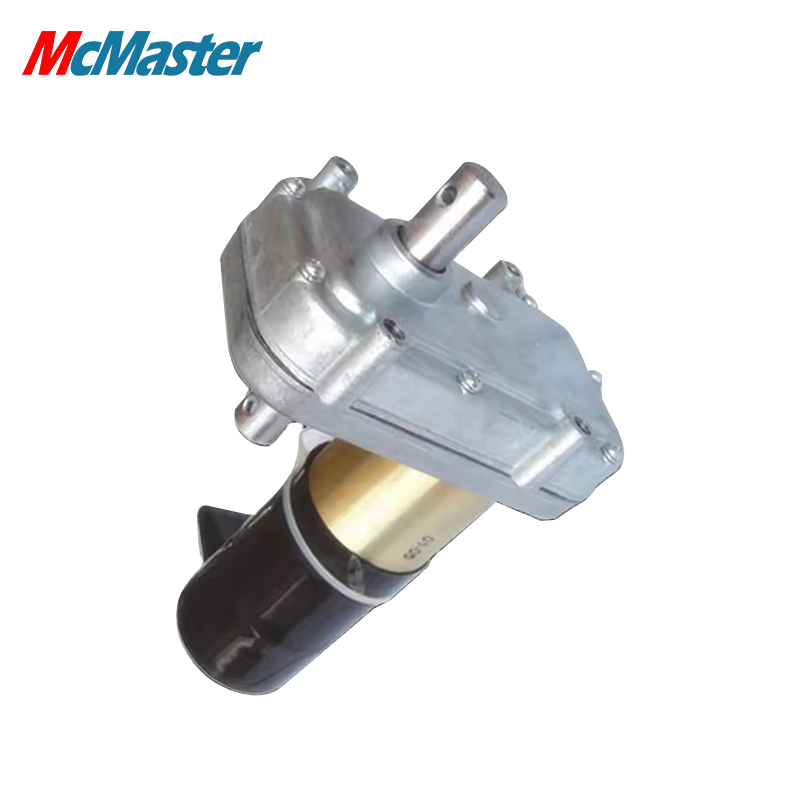
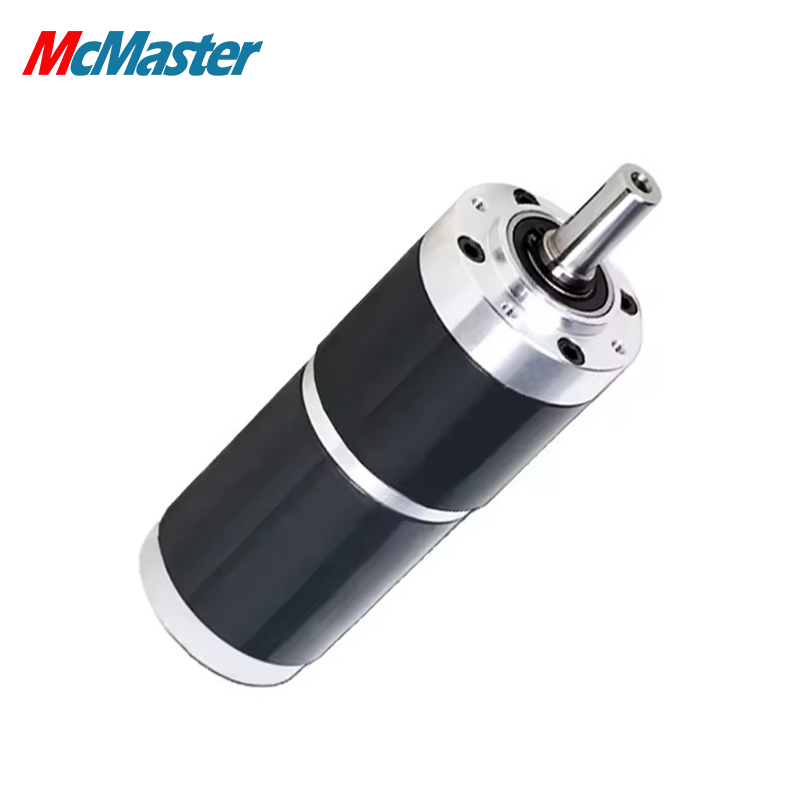
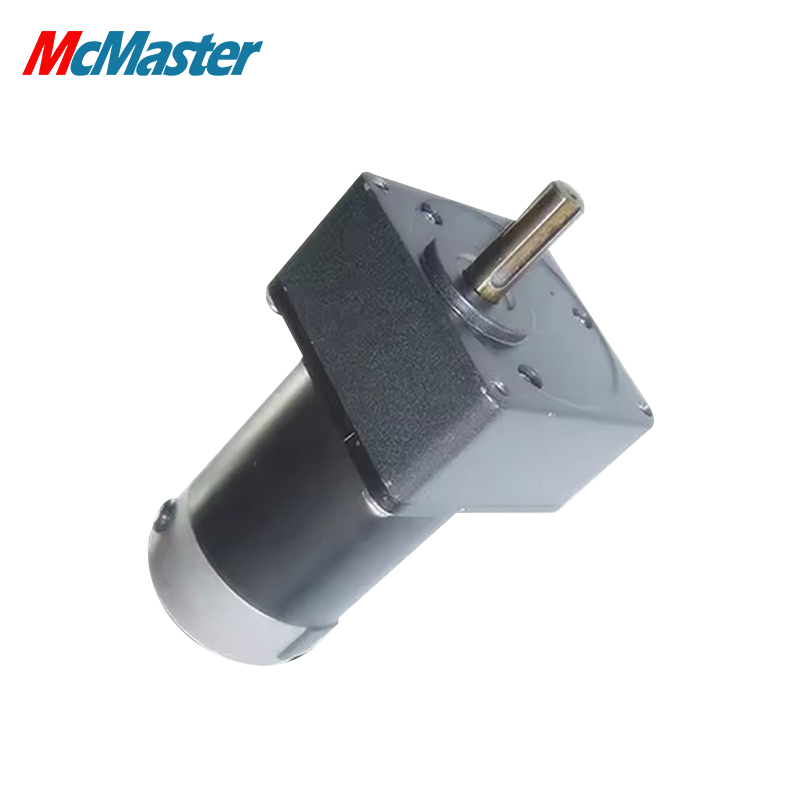
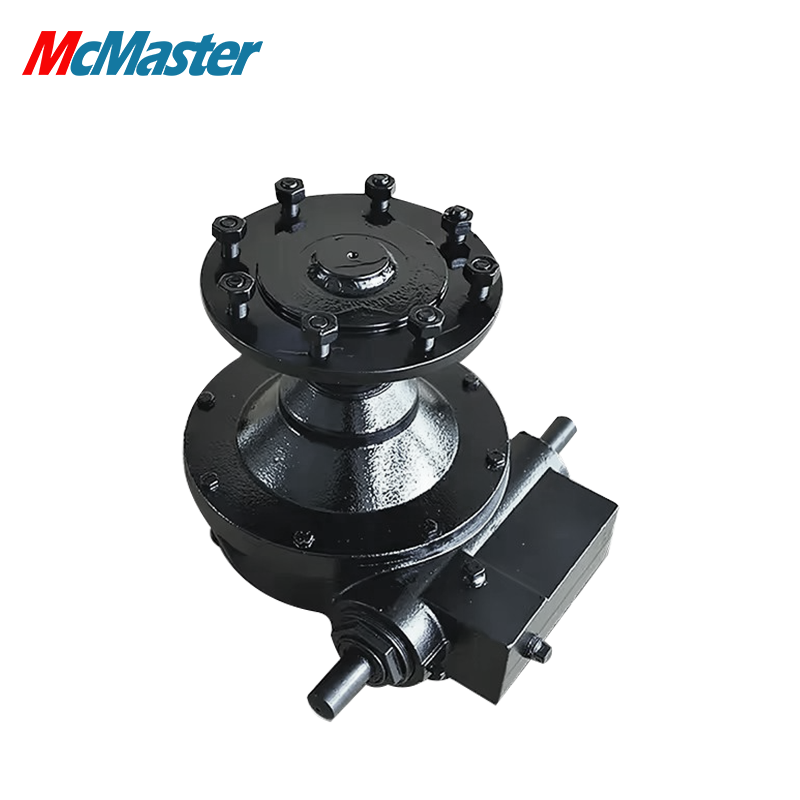
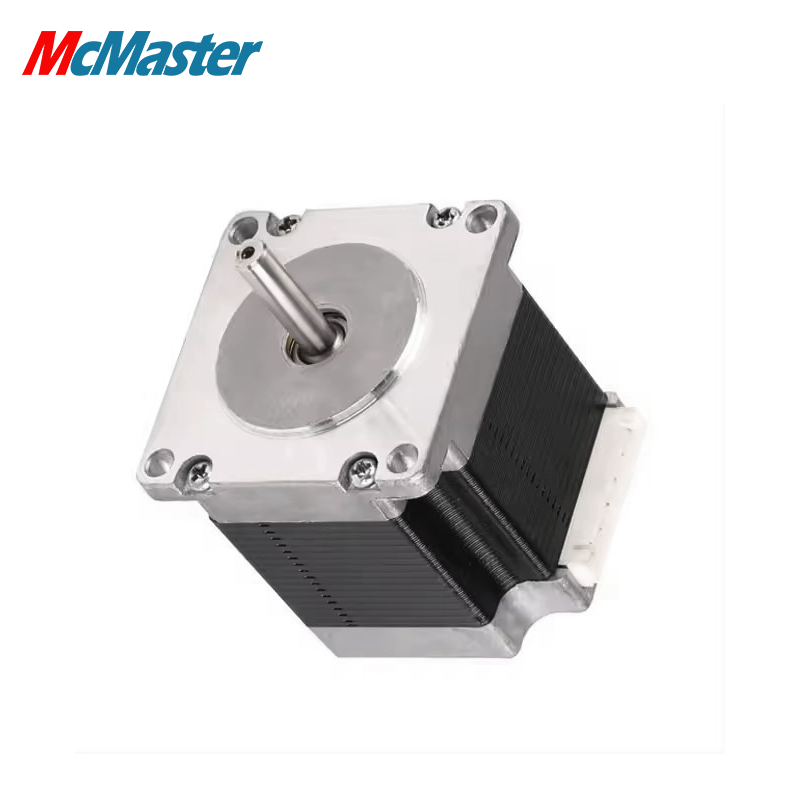
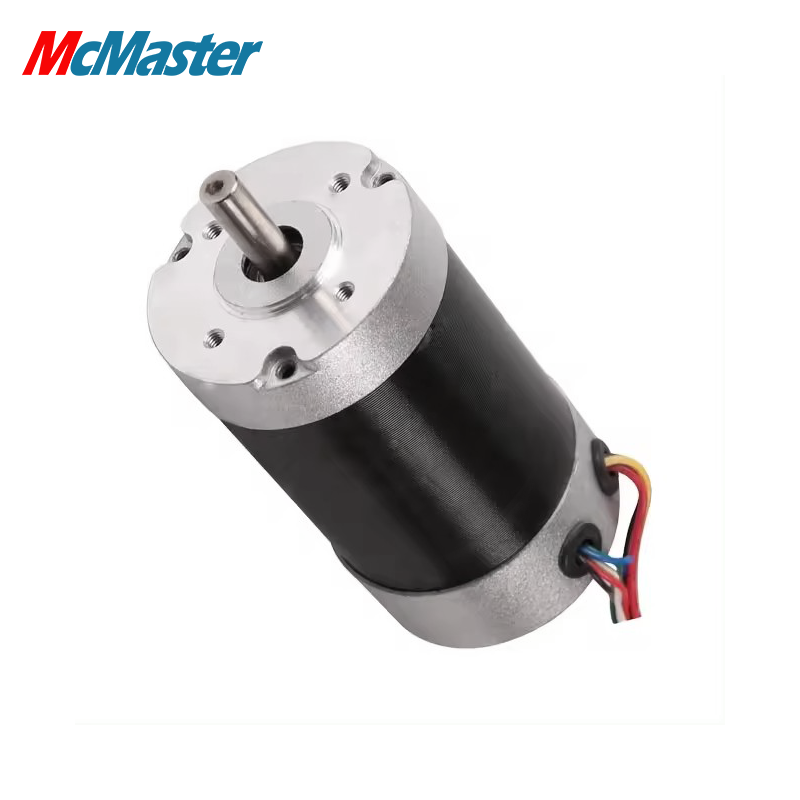
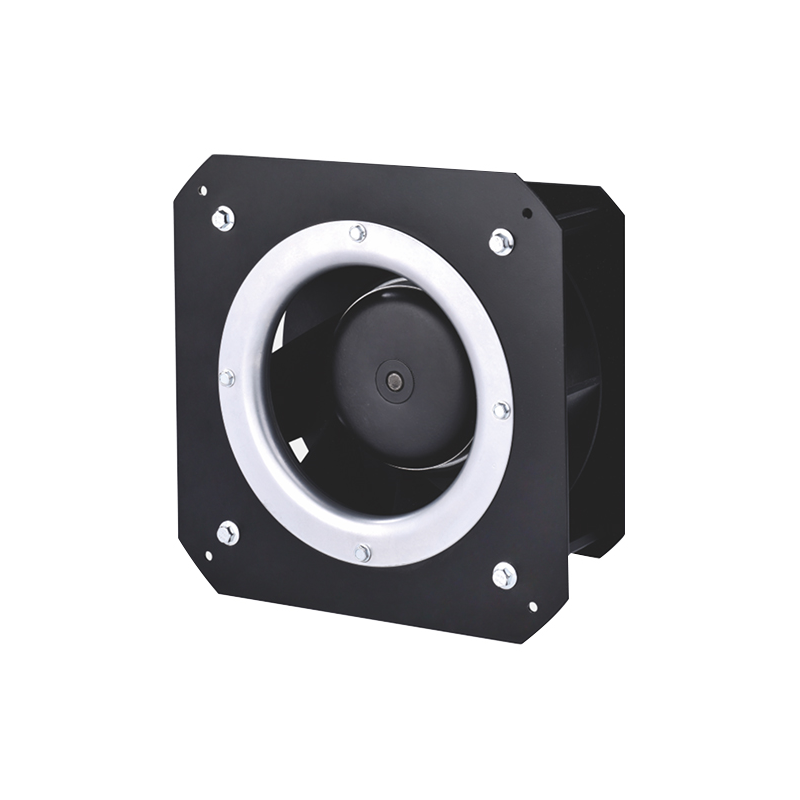
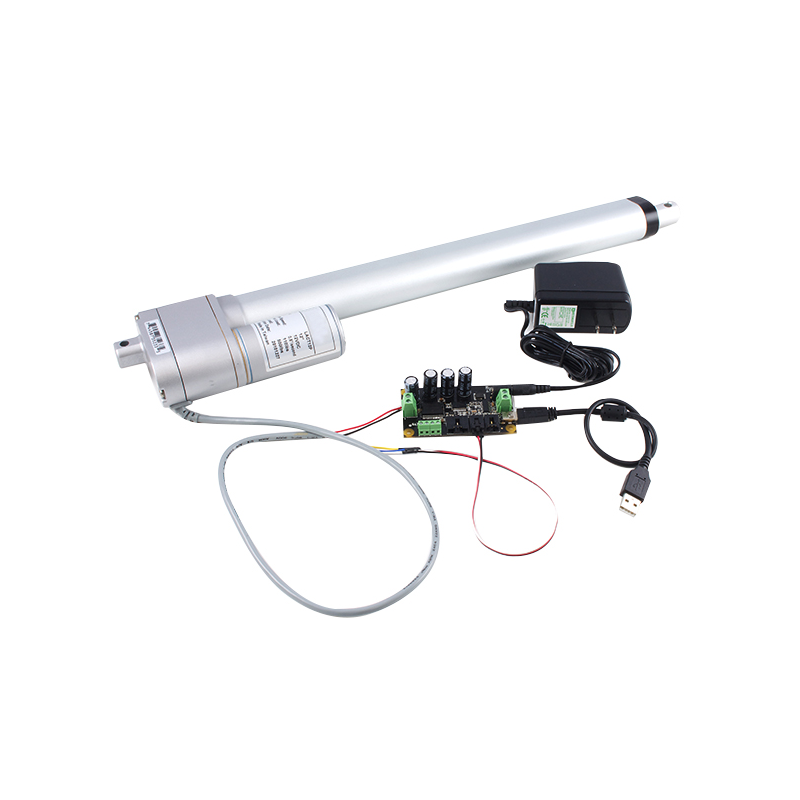
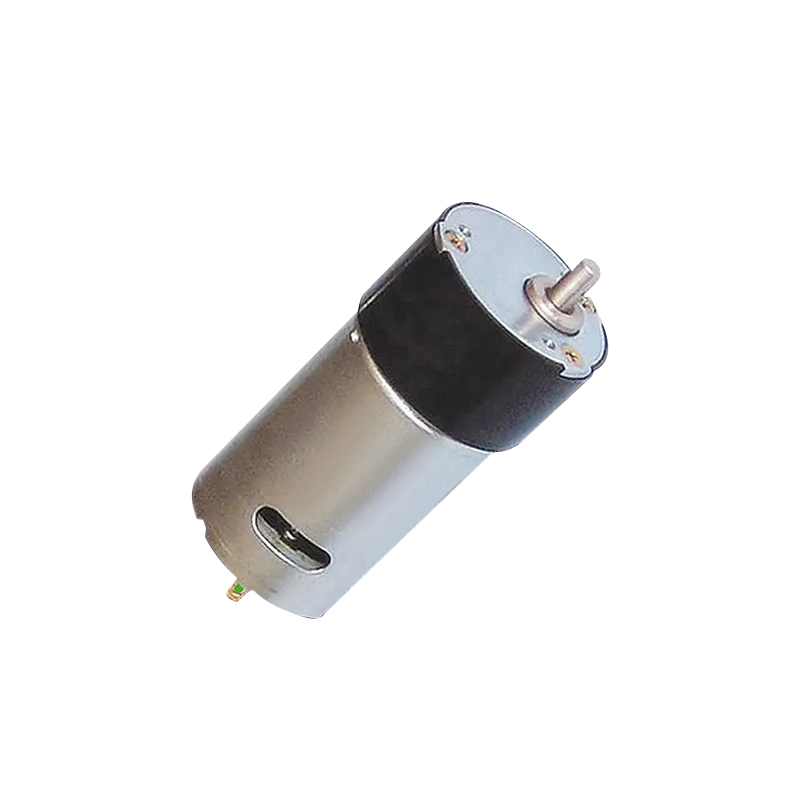
Compact DC gear motors are vital components in various industrial applications, combining the benefits of direct current (DC) motors with gear reduction systems. These motors offer precise control, high torque, and compact designs, making them ideal for automation, robotics, consumer electronics, and more. However, B2B buyers often have concerns about specifications, quality, and application suitability when selecting a compact DC dc planetary gear motor. This article aims to provide valuable insights into the key specifications, quality evaluation, common installation issues, material advantages, and sourcing guidance for compact DC gear motors.
When evaluating compact DC gear motors, several key specifications should be prioritized to ensure they meet your application requirements. These specifications typically include voltage ratings, gear reduction ratios, torque output, and speed ratings.
Voltage Ratings: Common voltage ratings for compact DC gear motors range from 6V to 48V. The voltage selected affects the motor's power output and efficiency. It’s essential to match the voltage rating with your application to prevent overloading or underpowering the motor.
Gear Reduction Ratios: The gear reduction ratio determines the relationship between the input speed and the output speed. A higher reduction ratio typically results in increased torque but reduced speed, making it crucial to select a ratio that aligns with your operational needs.
Torque Output: Torque output, measured in Newton-meters (Nm), is critical for applications requiring specific force. Evaluating the required torque for your application ensures that the motor can handle the load without strain.
Speed Ratings: Speed ratings, typically expressed in revolutions per minute (RPM), indicate how fast the motor can operate. Selecting the appropriate speed helps to meet production timelines and operational efficiency.
Understanding these specifications will enable you to select a compact DC bldc planetary gear motor that aligns with your project's requirements.
Quality evaluation of compact DC gear motors is essential to ensure reliability and performance. Here are key factors to consider:
Manufacturing Standards: Verify that the manufacturer adheres to industry standards, such as ISO certifications. These standards often ensure consistency in production processes and quality control.
Material Selection: The materials used in the motor construction significantly affect durability and performance. Look for high-quality materials such as aluminum for housing and high-grade steel for gears, which can withstand wear and tear.
Testing Procedures: Inquire about the testing procedures used by the manufacturer. Reliable manufacturers often conduct performance tests, including thermal, load, and endurance tests, to ensure the motors meet specified performance criteria.
Quality Control Processes: A robust quality control process should be in place to monitor each stage of production. This includes component inspection, assembly checks, and final product testing to ensure that only high-quality motors are delivered.
By focusing on these aspects, buyers can better assess the quality of compact DC brushless dc planetary gear motor and reduce the risk of performance issues in their applications.
Installation challenges can arise when working with compact DC gear motors. Here are common problems and practical solutions:
Alignment Issues: Misalignment during installation can lead to increased wear and premature failure. Ensure that the motor shaft aligns perfectly with the driven component to minimize stress on the gears. Using alignment tools can aid in achieving proper positioning.
Wiring Errors: Incorrect wiring can lead to motor malfunction or damage. Review wiring diagrams carefully and ensure that connections are secure and correspond to the specified voltage.
Overheating: Insufficient ventilation or excessive load can cause the motor to overheat, leading to potential failure. Ensure that the motor is installed in a well-ventilated area and that the load is within the motor's specified torque rating.
Vibration: Excessive vibration can result from imbalanced loads or improper mounting. Ensure that the motor is securely mounted and that any load attached is evenly distributed to minimize vibration.
Addressing these installation challenges can enhance the performance and lifespan of compact DC gear motors.
The choice of materials in compact DC gear motor design plays a critical role in performance and durability. Here are some material advantages:
Aluminum Housing: Aluminum is often used for the motor housing due to its lightweight and corrosion-resistant properties. This design not only reduces the overall weight of the motor but also enhances its longevity in various environments.
Steel Gears: High-grade steel is commonly used for gears due to its strength and wear resistance. Steel gears can handle higher torque loads and provide improved efficiency compared to plastic gears, making them suitable for demanding applications.
Copper Windings: Copper is typically used for windings due to its excellent conductivity. This material choice enhances the motor's efficiency, allowing for greater power transfer and lower energy consumption.
Sealing Materials: For applications exposed to moisture or contaminants, the use of high-quality sealing materials is essential. Seals made from rubber or silicone can protect the internal components from environmental factors, prolonging the motor's lifespan.
Understanding these material advantages can guide buyers in selecting compact DC gear motors that offer the required durability and performance for their specific applications.
When sourcing compact DC gear motors, distributors should consider the following expert recommendations:
Supplier Reputation: Research potential suppliers and evaluate their reputation in the industry. Look for manufacturers with a proven track record of reliability and quality.
Customization Capabilities: Assess whether the manufacturer offers customization options. This can include specific voltage requirements, gear ratios, or unique mounting configurations to better fit client needs.
Minimum Order Quantities (MOQ): Understand the MOQ and how it aligns with your inventory management strategy. Some manufacturers may offer flexible MOQ options, which can be beneficial for smaller distributors.
Lead Times: Inquire about lead times for production and delivery. Reliable suppliers should provide clear timelines and communicate any potential delays early in the process.
Technical Support: Ensure that the supplier offers technical support for installation and troubleshooting. Access to knowledgeable support can be invaluable for resolving issues quickly.
By following these guidelines, distributors can effectively source compact DC gear motors that meet their customers' needs while also ensuring a strong partnership with reputable suppliers.

 EN