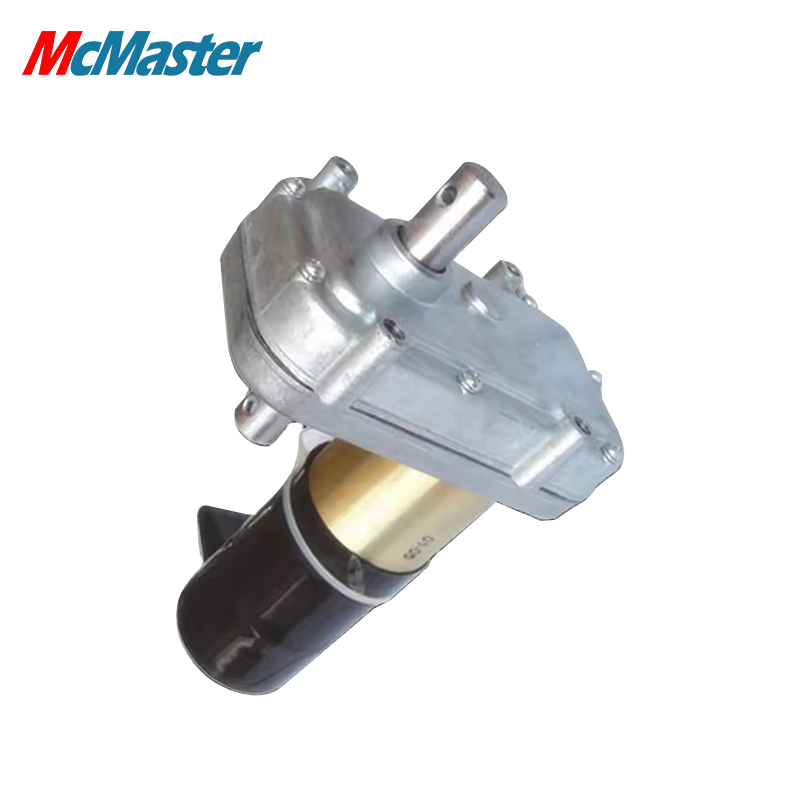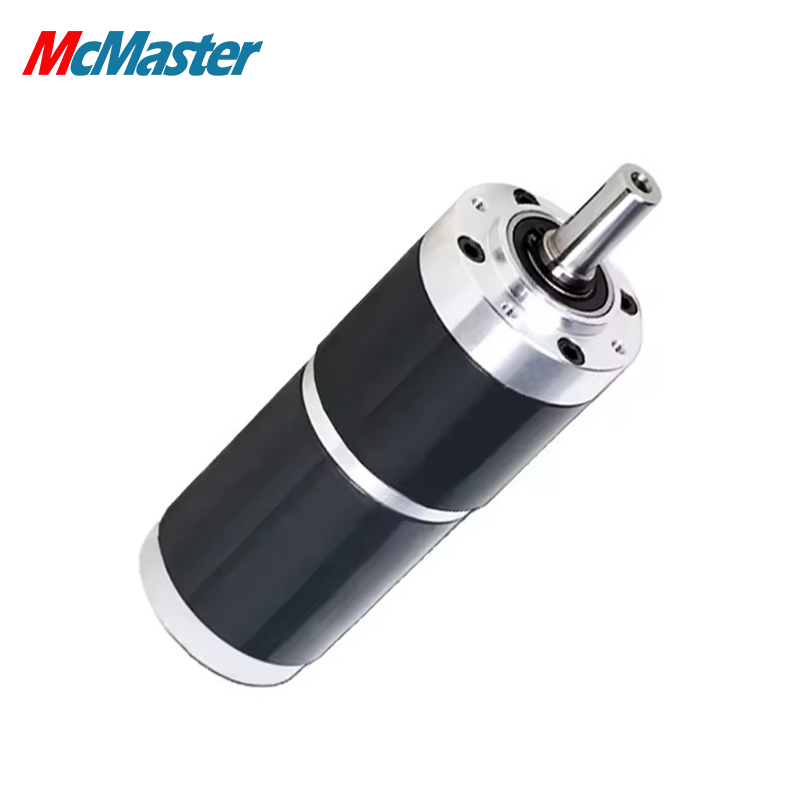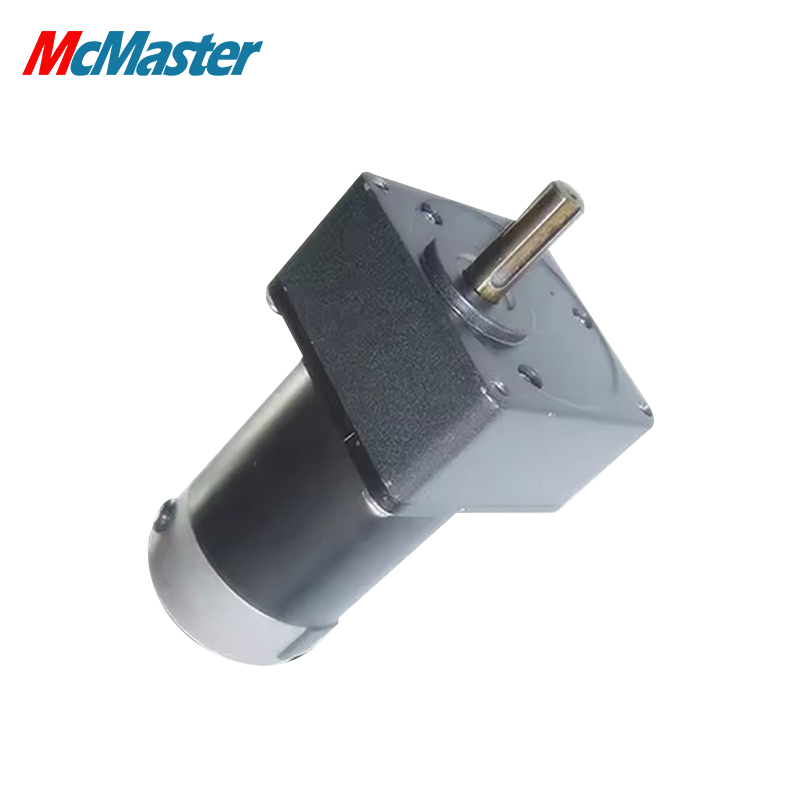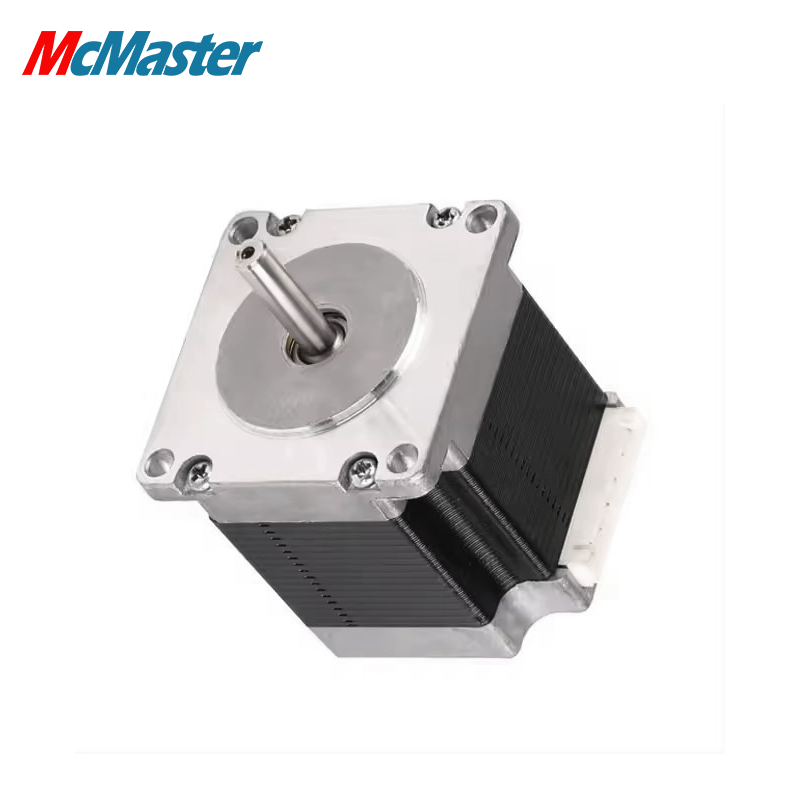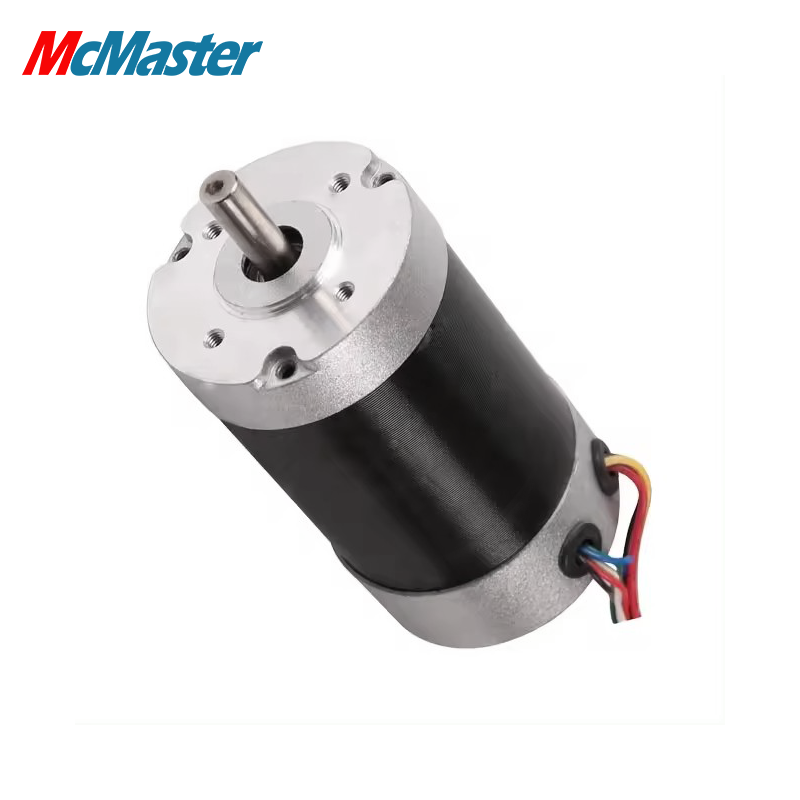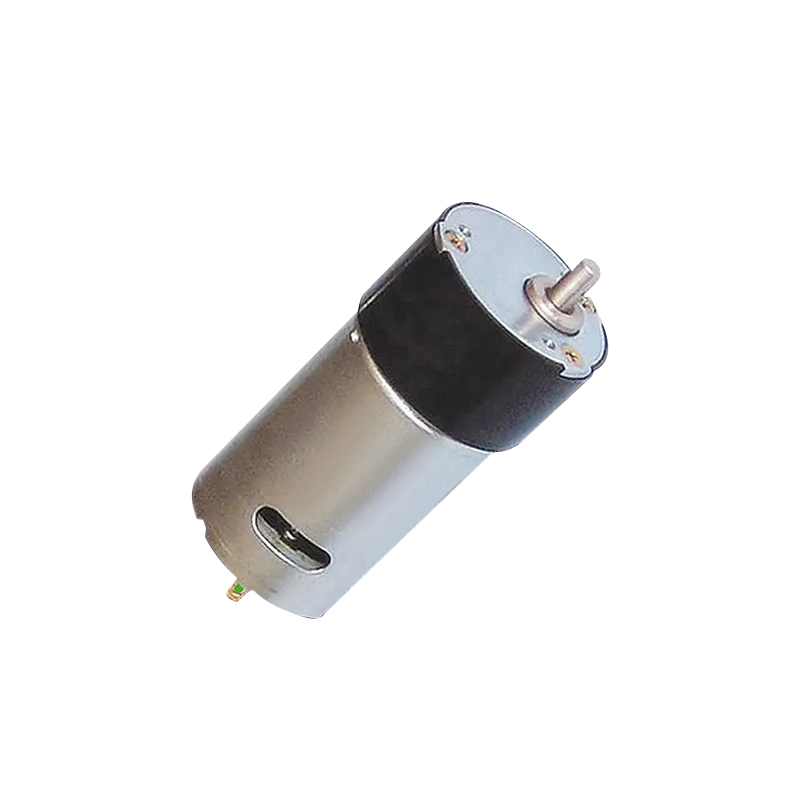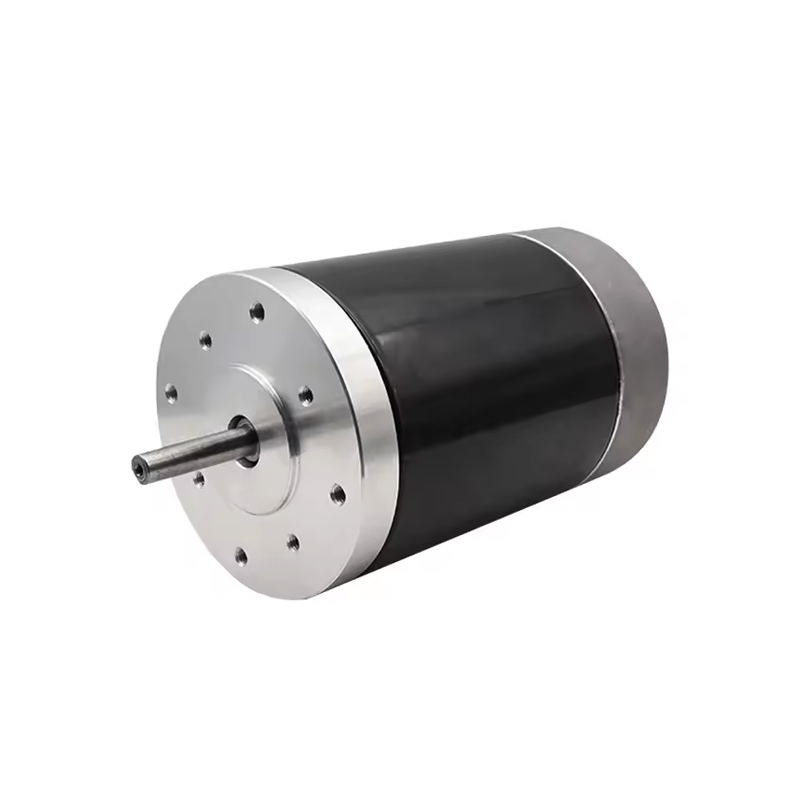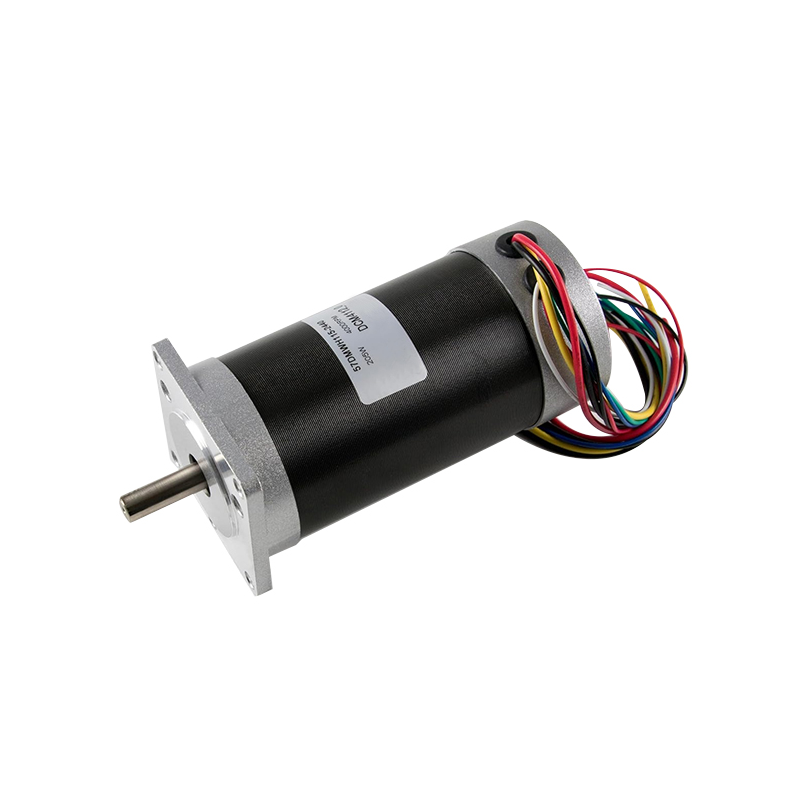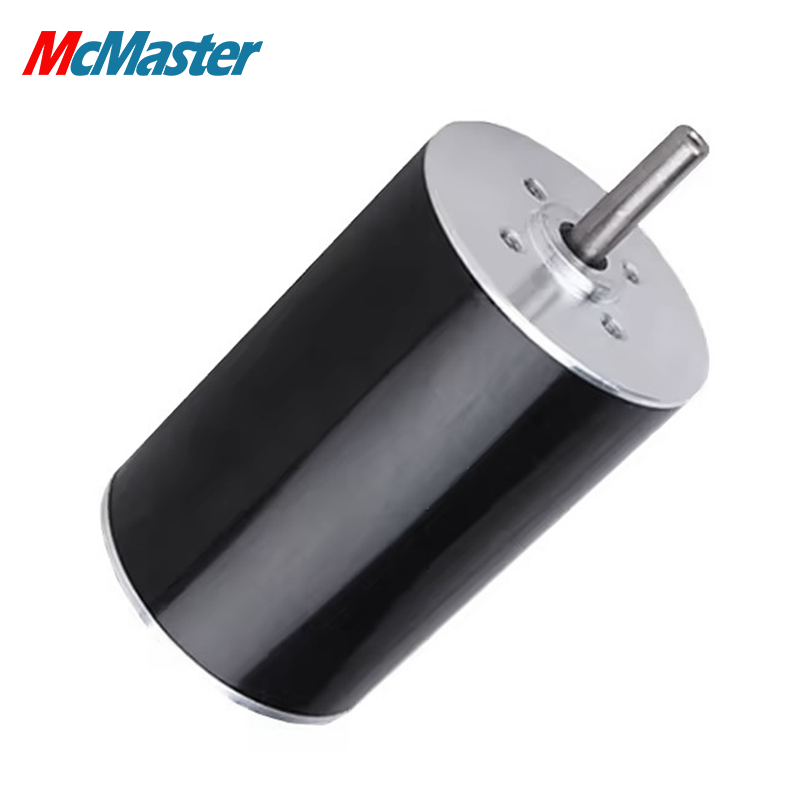
DC motors are essential components in robotics, powering various automated functions with precision and efficiency. As a B2B buyer in search of reliable McMaster Electric brushless dc motor manufacturers for robots, you may have concerns about performance, compatibility with your applications, and suppliers’ reliability. This article aims to guide you through sourcing effective DC motors, addressing key specifications, cost factors, and comparison techniques to ensure you make informed purchasing decisions.
Finding reliable suppliers of DC motors for robotic applications involves thorough research and validation. Start by exploring industry-specific trade shows and exhibitions, which often feature reputable McMaster Electric high speed brushless dc motor manufacturers showcasing their latest innovations. Online platforms such as industrial marketplaces and B2B directories can also provide access to numerous suppliers. When evaluating suppliers, consider their experience in the robotics sector, their production capabilities, and customer reviews.
Establishing direct communication with potential suppliers is crucial. Request detailed product catalogs and specifications, and inquire about their quality assurance practices. Reputable companies, like Changzhou McMaster Electric, often provide transparency regarding their manufacturing processes and certifications, giving you confidence in their products' reliability.
When sourcing DC motors for robots, several key specifications must be examined to ensure optimal performance:
Voltage and Current Ratings: The voltage rating affects the motor's speed and torque. Ensure the motor matches the power supply in your robotic system. The current rating indicates the maximum load the motor can handle without overheating.
Torque and Speed: Torque determines the motor's ability to perform work, while speed is crucial for the robot's operational efficiency. Assess the required torque and speed based on the robot's intended application and load capacity.
Size and Weight: The physical dimensions and weight of the motor impact the overall design and functionality of the robot. Ensure the motor fits within the designated space without compromising performance.
Efficiency Ratings: Look for motors with high efficiency to minimize energy consumption and heat generation, particularly for battery-powered robots.
Durability and Environmental Resistance: Depending on the application, you may need motors that withstand extreme conditions. Check for specifications related to temperature ranges, moisture, and dust ingress protection ratings.
Being aware of these specifications will help you align your choice with the operational requirements of your robotic systems.
Pricing for DC motors can vary significantly based on several factors:
Material Quality: Higher-quality materials often lead to increased durability and efficiency, impacting the overall cost. For example, motors made with advanced magnetic materials may be more expensive but offer better performance.
Manufacturing Processes: Custom manufacturing and precision engineering can increase costs. Suppliers with advanced production capabilities might charge more, but they often provide higher quality and reliability.
Quantity Ordered: Bulk orders typically qualify for discounts, so consider your long-term needs when negotiating prices. Minimum order quantities (MOQs) can also affect pricing.
Additional Features: Motors with integrated sensors, encoders, or specialized coatings will generally cost more than standard models. Determine which features are essential for your application.
Shipping and Logistics: Don't overlook the impact of shipping costs on your total expenditure. International suppliers may have additional freight charges, customs duties, and lead times.
Understanding these cost factors will help you budget more effectively and negotiate better deals with suppliers.
To ensure you select the best DC motors for your robotic applications, follow these guidelines:
Performance Benchmarks: Compare the torque-speed curves of different motors. This graph illustrates the trade-off between torque and speed, helping you choose a motor that meets your specific requirements.
Efficiency Ratings: Look for motors with higher efficiency percentages. This not only reduces operational costs but also prolongs the lifespan of your robot's components.
Sample Testing: Request samples from shortlisted suppliers to test under real operational conditions. This allows you to evaluate performance, noise levels, heat generation, and overall compatibility with your robot.
Customization Options: Assess whether suppliers offer customization in terms of sizes, voltages, and other specifications. This flexibility can be beneficial in optimizing the motor for your unique application.
Warranty and Support: Evaluate the warranty terms and after-sales support provided by suppliers. Reliable support can be crucial for resolving issues that may arise during operation.
By systematically comparing these factors, you can identify the most suitable DC motors for your robotics projects.
When purchasing DC motors wholesale, consider these best practices:
Define Your Requirements: Clearly outline your specifications, including performance needs, quantities, and customization options. This information will facilitate more accurate quotes from suppliers.
Request Comprehensive Quotes: When seeking quotes, ask for detailed breakdowns that include pricing, lead times, payment terms, and shipping conditions. This transparency helps you make informed comparisons.
Evaluate Supplier Credentials: Verify the manufacturing capabilities and certifications of potential suppliers. Look for industry recognition and adherence to international quality standards.
Build Relationships: Establishing long-term relationships with suppliers can lead to better pricing, priority support, and insights into new product developments.
Inspect Samples Thoroughly: Before finalizing any order, inspect samples for quality, performance, and compliance with your specifications. Ensure the motors meet all operational requirements before mass production.
Implementing these strategies will enhance your purchasing experience and ensure you secure high-quality DC motors for your robotics applications.

 EN