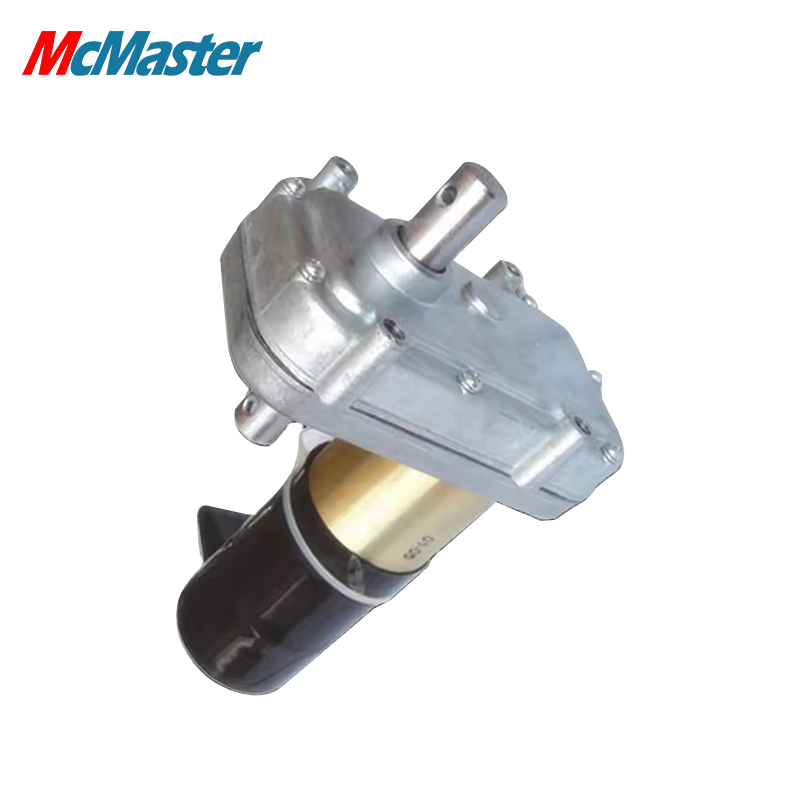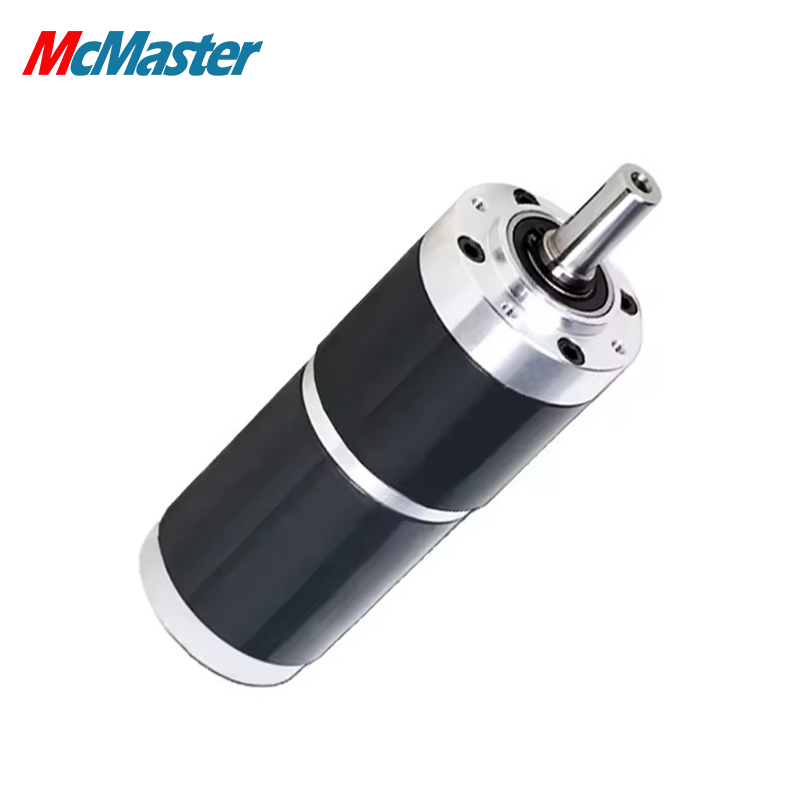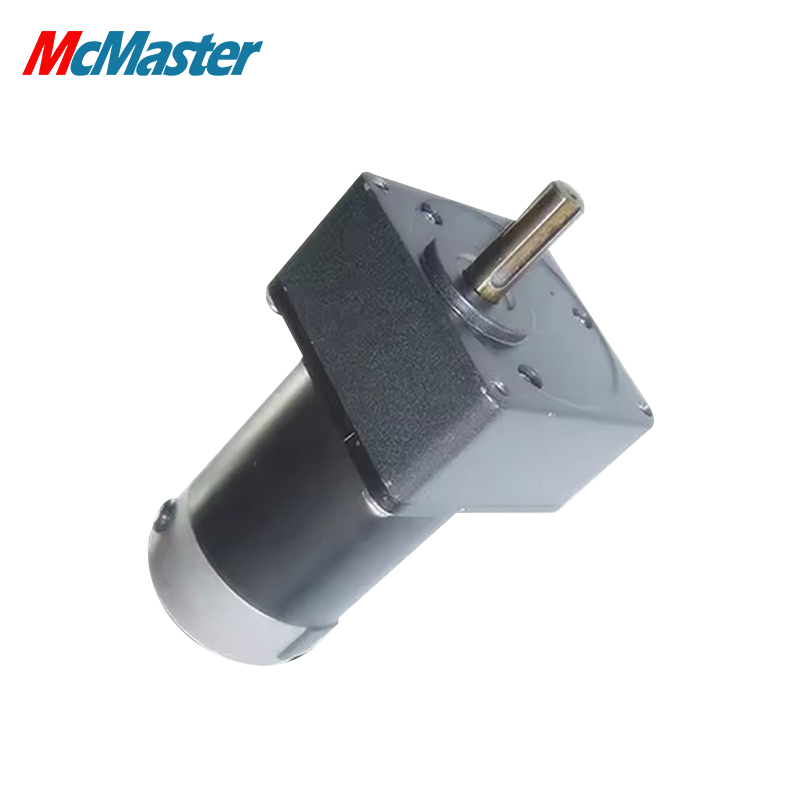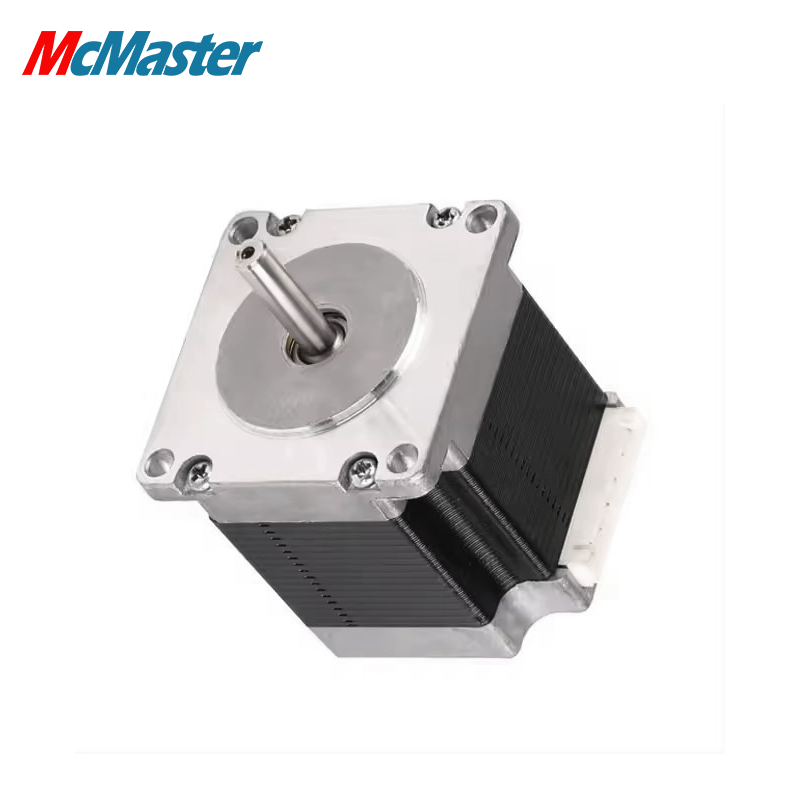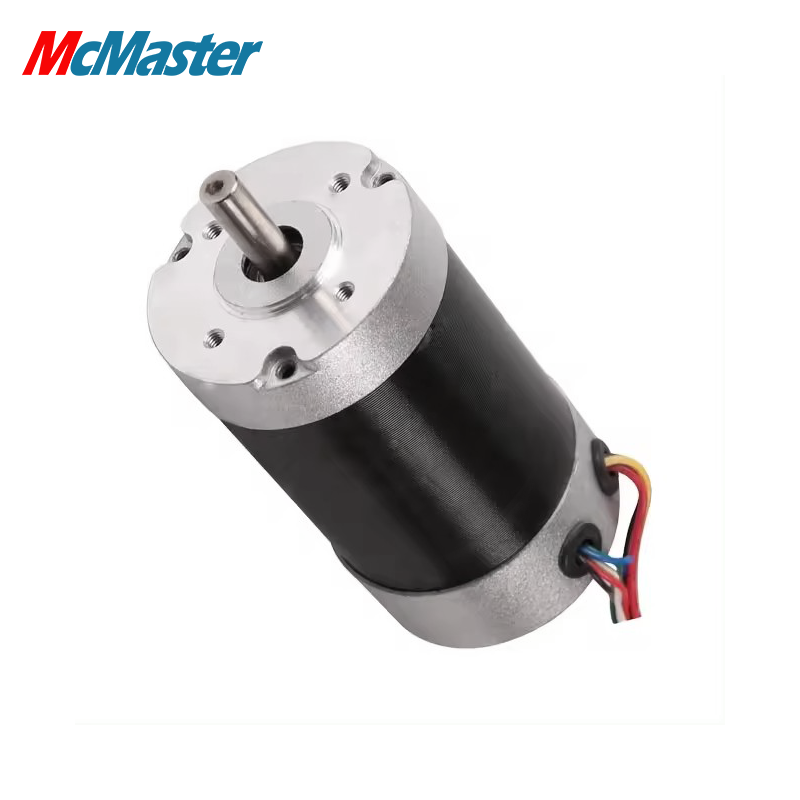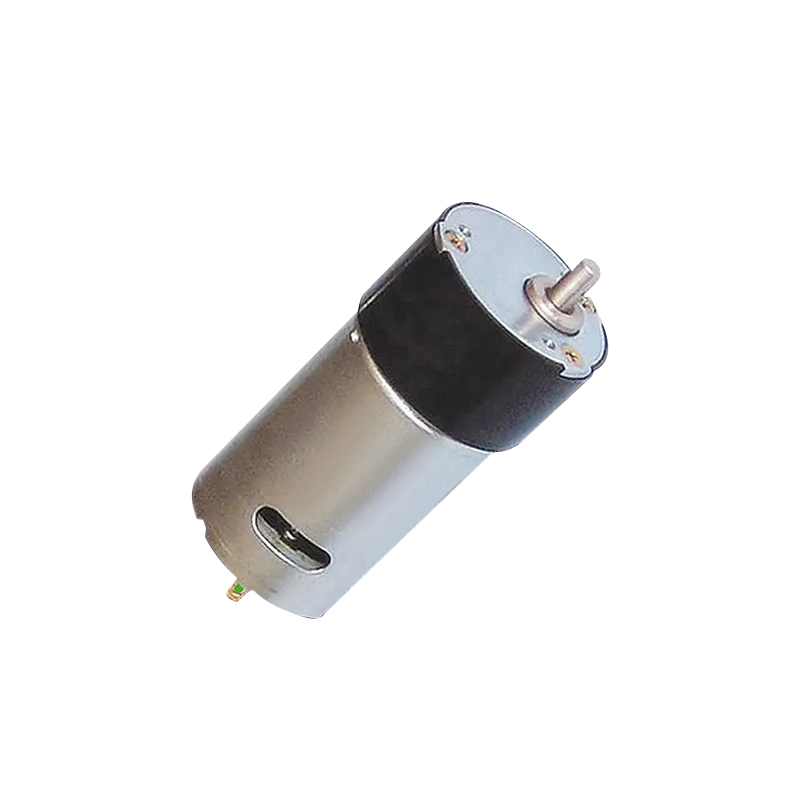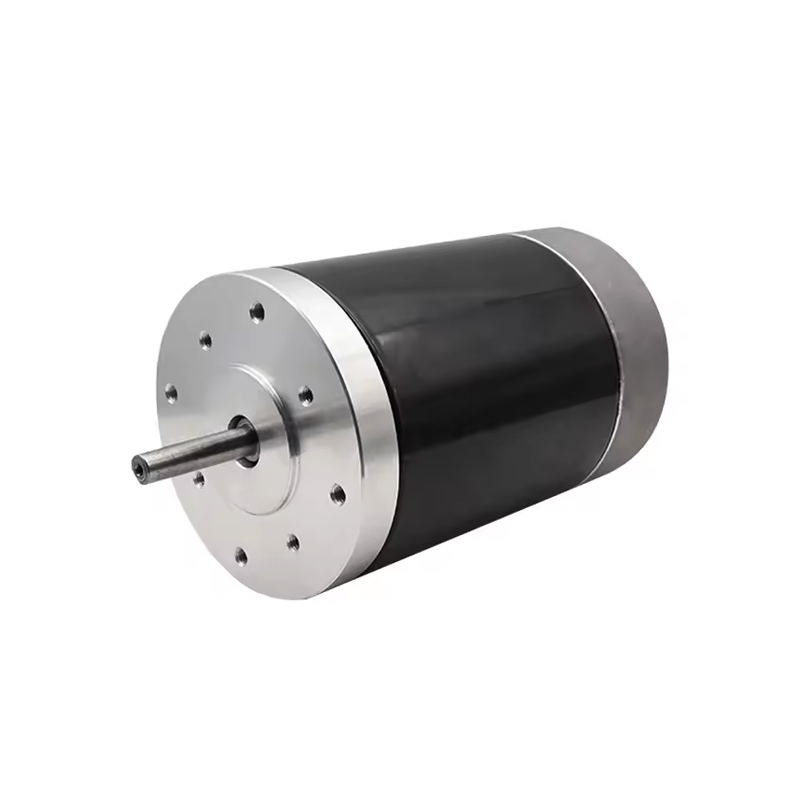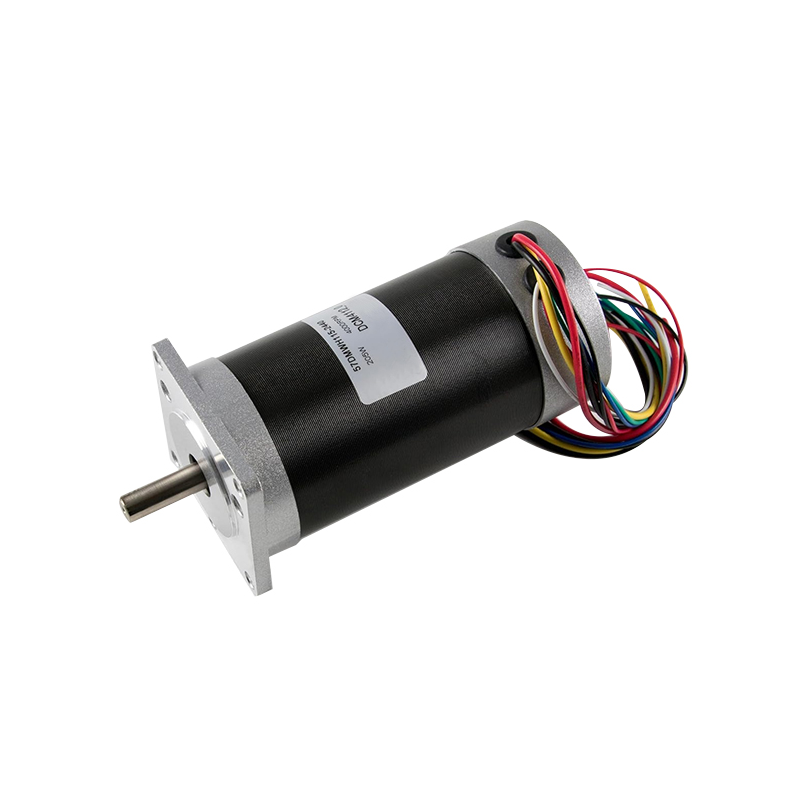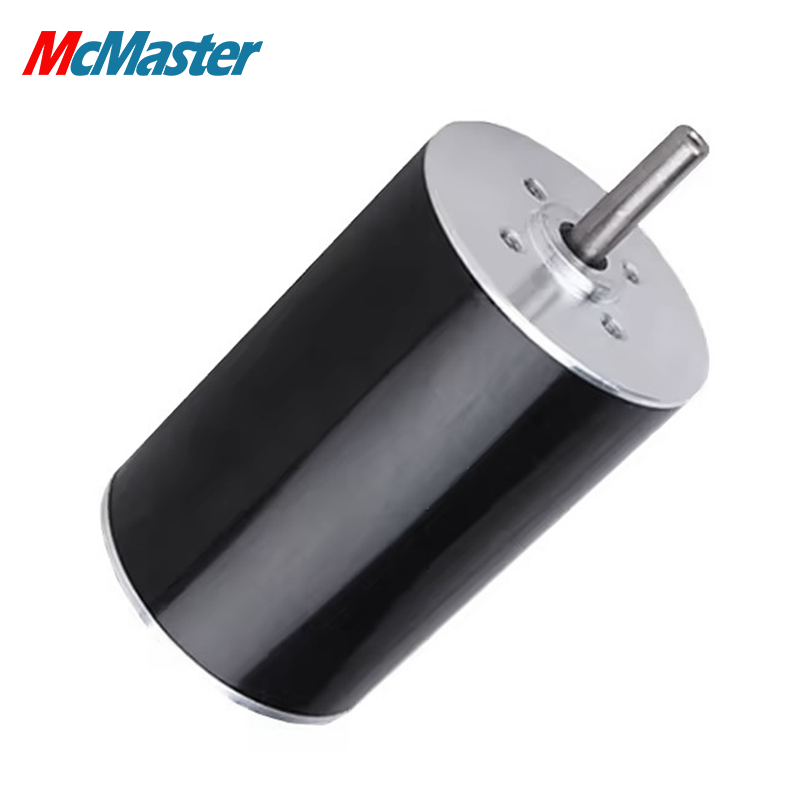
A 12V DC planetary gear motor is a compact and efficient device that converts electrical energy into mechanical motion, utilizing a planetary gear system to enhance torque and reduce speed. For B2B buyers, understanding the specifications, quality, and applications of these motors is crucial for making informed purchasing decisions. This article will explore key specifications, evaluate quality aspects, provide guidance on selecting the right motor, identify common issues, and discuss cost factors, all aimed at helping purchasing managers, engineers, and product managers navigate the procurement process effectively.
When considering a 12V DC planetary gear motor, key specifications include torque, speed, efficiency, and dimensions.
Torque and Speed: The torque rating determines the load the motor can handle, while the speed rating indicates how fast it can operate. Understanding the required application conditions will help in selecting a motor that delivers appropriate torque and speed. For instance, a motor with a high torque rating may be essential for heavy-load applications, whereas a lower torque may suffice for lighter tasks.
Efficiency: High efficiency is critical in minimizing energy consumption and heat generation. Buyers should look for motors with efficiency ratings, as this will impact operating costs in the long run.
Dimensions and Weight: Compact motors are often preferred in applications with space constraints. Buyers should verify dimensions and ensure compatibility with the intended installation environment.
Gear Ratio: The gear ratio affects the dc planetary gear motor balance between speed and torque. A higher gear ratio will increase torque while reducing speed, making it suitable for applications requiring more force.
Understanding these specifications is vital for ensuring the selected motor meets the performance requirements without exceeding budget constraints.
Quality evaluation of 12V DC planetary gear motors is essential to ensure reliability and longevity. Here are key factors to consider:
Materials: The choice of materials used in the motor's construction impacts durability and performance. High-quality metals and composites can enhance resistance to wear, corrosion, and environmental factors.
Manufacturing Capabilities: A reputable supplier should have robust manufacturing processes, including precision machining and assembly practices. Buyers should inquire about the manufacturer's capabilities to ensure they can meet specific quality standards.
Certifications: While specific certifications were not provided, buyers should look for bldc planetary gear motor compliance with international standards such as ISO or CE, which indicate adherence to quality and safety protocols.
Quality Control Processes: Effective quality control measures, including testing and inspection protocols, are essential. Buyers should ask about the supplier's quality assurance processes and whether they perform tests on finished products to ensure they meet specified performance criteria.
Evaluating these aspects can help buyers select a supplier that prioritizes quality and reliability in their products.
Choosing the right 12V DC planetary gear motor involves several considerations:
Application Requirements: Identify the specific needs of your application, including load capacity, speed, and torque requirements. This will guide you in selecting a motor that meets the operational demands.
Customization Options: Some manufacturers offer customization capabilities, allowing buyers to specify unique requirements tailored to their projects. Discussing customization options with suppliers can lead to better-suited motor specifications.
Compatibility: Ensure that the motor is compatible with the planetary gear motor 24v existing systems or machinery it will be integrated with. This includes checking electrical connections, mounting options, and mechanical interfaces.
Lead Time and MOQ: Consider the supplier's lead time and minimum order quantities (MOQ) to align with project timelines and budget constraints.
By understanding these criteria, buyers can make informed decisions that align with their project needs and operational goals.
While 12V DC planetary gear motors are generally reliable, common issues can arise:
Overheating: This can occur if the motor is overloaded or not adequately ventilated. To mitigate this, ensure that the motor is rated for the intended load and consider implementing cooling solutions if necessary.
Noise and Vibration: Excessive noise can indicate misalignment or wear within the gear system. Regular maintenance checks for proper alignment and lubrication can help prevent these issues.
Reduced Performance: This may result from wear and tear or insufficient power supply. Regular inspections and maintenance can help identify performance degradation early and maintain optimal functionality.
By proactively addressing these common problems, buyers can extend the lifespan of the motors and ensure reliable operation.
Understanding cost factors is critical when budgeting for 12V DC planetary gear motors. Key considerations include:
Material and Manufacturing Costs: The choice of materials and complexity of the manufacturing process can significantly impact the overall cost. Higher-quality materials and advanced manufacturing techniques typically lead to higher prices but can offer better performance and durability.
Volume Discounts: When purchasing in bulk, buyers should inquire about volume discounts, as many manufacturers offer reduced prices for larger orders, which can improve overall cost-effectiveness.
Shipping and Handling: Consider the shipping costs, especially for international orders. Understanding logistics and potential tariffs can help in calculating total costs.
Warranty and Support: While a lower upfront price may be appealing, consider the warranty and after-sales support offered by the supplier. A robust warranty can provide peace of mind and protect against unforeseen costs associated with product failures.
By carefully evaluating these cost factors, buyers can make informed choices that align with their budget and project requirements.

 EN