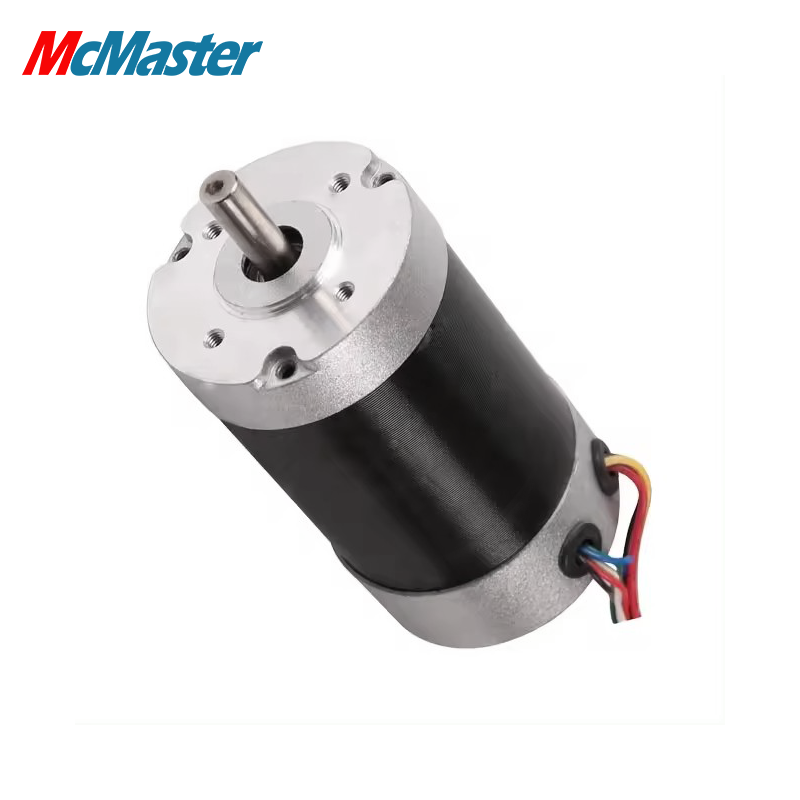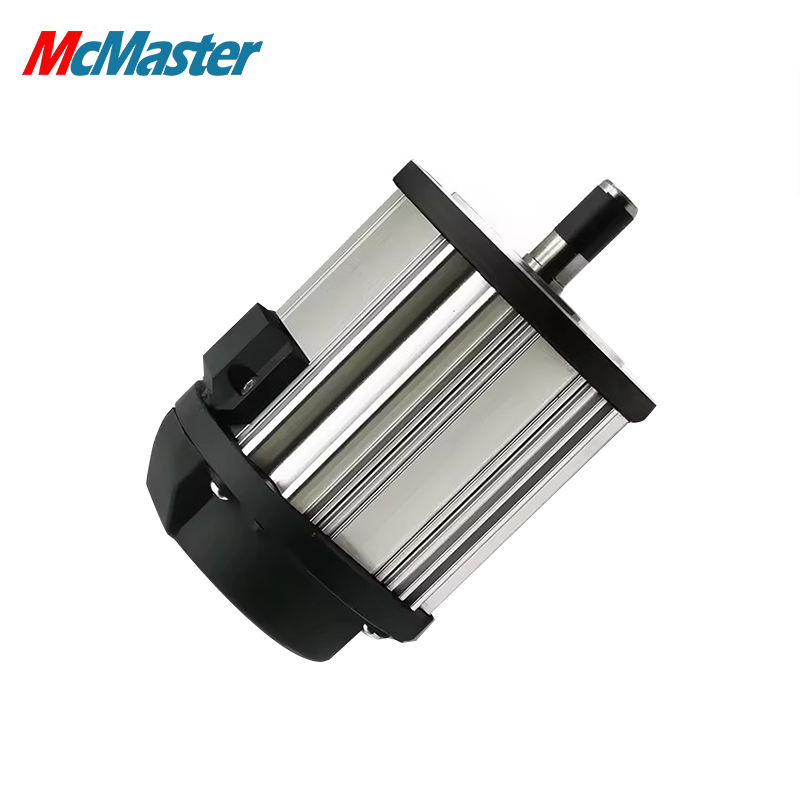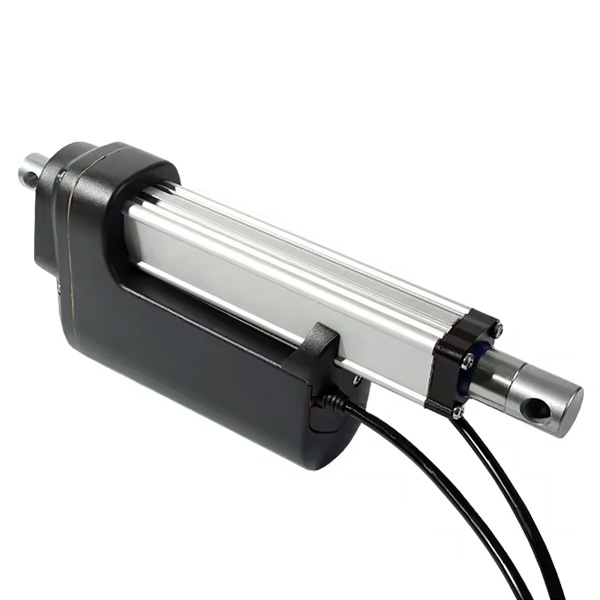
High-speed electric actuators are vital components in modern automation and control systems, enabling rapid and precise motion in various applications. As a purchasing manager or engineer, understanding the specifications, quality standards, and installation requirements of these devices is crucial for ensuring optimal performance and reliability. This article will provide insights into linear actuator, addressing key specifications, evaluating quality standards, offering installation guidance, identifying common issues and solutions, and exploring their applications across different industries.
When selecting a high-speed electric actuator, several critical specifications must be considered to ensure it meets the performance requirements of your application. Key specifications include:
Speed and Stroke Length: The actuator's speed is a primary factor, defined as the maximum distance it can travel in a given time frame. A high-speed actuator typically operates at velocities exceeding 200 mm/s. The stroke length, or the total distance the actuator can move, should align with your application’s needs.
Load Capacity: It is essential to evaluate the maximum load the actuator can handle. This specification will depend on the actuator's design and the materials used. Heavy-duty applications may require actuators with a load capacity of several hundred kilograms.
Power Supply and Efficiency: Most McMaster Electric high-speed electric actuators operate on DC or AC power. Understanding the power requirements and efficiency ratings will help in energy cost calculations and compatibility with your existing systems.
Control Mechanism: The method of controlling the actuator—whether through PWM (Pulse Width Modulation), analog signals, or digital interfaces—can significantly affect integration with automation systems.
Environmental Resistance: Depending on the application, consider the actuator’s resistance to moisture, dust, and temperature extremes. Actuators with IP (Ingress Protection) ratings of IP65 or higher are often suitable for industrial environments.
Understanding these specifications allows buyers to select the right actuator for their specific applications, ensuring reliable performance and longevity.
Quality standards play a fundamental role in the reliability and performance of high-speed electric actuators. Buyers should consider the following factors when evaluating quality:
Certifications: Look for actuators that meet international quality certifications such as ISO 9001, which ensures a consistent quality management system. Additionally, compliance with CE and RoHS standards can indicate adherence to safety and environmental regulations.
Material Selection: The materials used in the construction of high-speed electric actuators affect their durability and performance. High-strength aluminum or stainless steel components are commonly preferred for their resistance to wear and corrosion.
Manufacturing Processes: Understanding the manufacturing capabilities of the supplier can provide insight into their quality control processes. Advanced manufacturing technologies, such as CNC machining and robotic assembly, typically lead to higher precision and consistent quality.
Testing: Inquire about the testing procedures that the actuator undergoes before shipping. This may include performance testing under load, environmental testing, and reliability assessments. A thorough testing regime helps identify potential issues early in the production process.
By closely evaluating these quality standards, buyers can ensure that the electric motor linear actuator they choose will deliver reliability and meet performance expectations.
Proper installation of high-speed electric actuators is crucial to their performance and longevity. Here are key considerations to ensure successful installation:
Mounting Requirements: Ensure that the actuator is mounted securely according to the manufacturer’s specifications. The mounting surface should be flat and stable to prevent vibrations during operation.
Alignment: Proper alignment with the connected machinery is essential to minimize wear and tear. Misalignment can lead to increased friction and premature failure of the actuator.
Wiring and Connections: Follow the wiring diagrams provided by the manufacturer for electrical connections. Ensure that connections are secure and insulated to prevent short circuits. It’s also important to check for compatibility with the control system.
Testing Before Operation: After installation, conduct initial tests to verify that the actuator operates smoothly and within the specified parameters. This includes checking for any unusual noises or vibrations during operation.
Routine Maintenance: Establish a maintenance schedule that includes regular inspections and lubrication of moving parts. This proactive approach can help identify issues before they lead to significant downtime or failures.
By following these installation guidelines, you can enhance the reliability and efficiency of high-speed electric actuators in your operations.
Despite their robust design, McMaster Electric high-speed electric actuators may encounter several common issues during operation. Here are some typical problems and their solutions:
Overheating: High-speed operation can lead to overheating, which may damage internal components. To address this, ensure that the actuator is within its specified load limits and consider implementing cooling systems if necessary.
Unresponsive Controls: If the actuator does not respond to control signals, check the electrical connections and the control system’s compatibility. Additionally, verify that the actuator is powered correctly.
Mechanical Binding: Mechanical binding can occur due to misalignment or wear in the connecting components. Regular inspection and alignment checks can mitigate this risk. If binding persists, inspect for wear and replace components as needed.
Noise and Vibration: Excessive noise or vibration during operation can indicate misalignment or insufficient mounting. Recheck the installation and alignment of the actuator, adjusting as necessary to ensure smooth operation.
By being aware of these common issues, buyers and users can take proactive steps to maintain the functionality of high-speed electric actuators.
McMaster Electric High-speed electric actuators are utilized across diverse industries due to their versatility and efficiency. Some notable applications include:
Automation: In manufacturing and assembly lines, high-speed electric actuators facilitate rapid movements, enhancing productivity and reducing cycle times.
Robotics: These actuators are integral in robotic systems, where precision and speed are critical for tasks such as picking, placing, and assembly.
Automotive: In the automotive industry, high-speed electric actuators are employed in applications like automated testing and assembly of components, contributing to efficient production processes.
Medical Devices: In medical applications, they enable precise movements in devices such as surgical robots and diagnostic equipment, ensuring high levels of accuracy and reliability.
Consumer Electronics: High-speed electric actuators are used in various consumer electronics for automation tasks, such as camera focusing mechanisms and adjustable screens.
Understanding the diverse applications of industrial linear actuator can help buyers identify suitable solutions for their specific industry needs. By considering the specifications, quality standards, installation requirements, and common issues, purchasing managers and engineers can make informed decisions that enhance operational efficiency and product reliability.

 EN