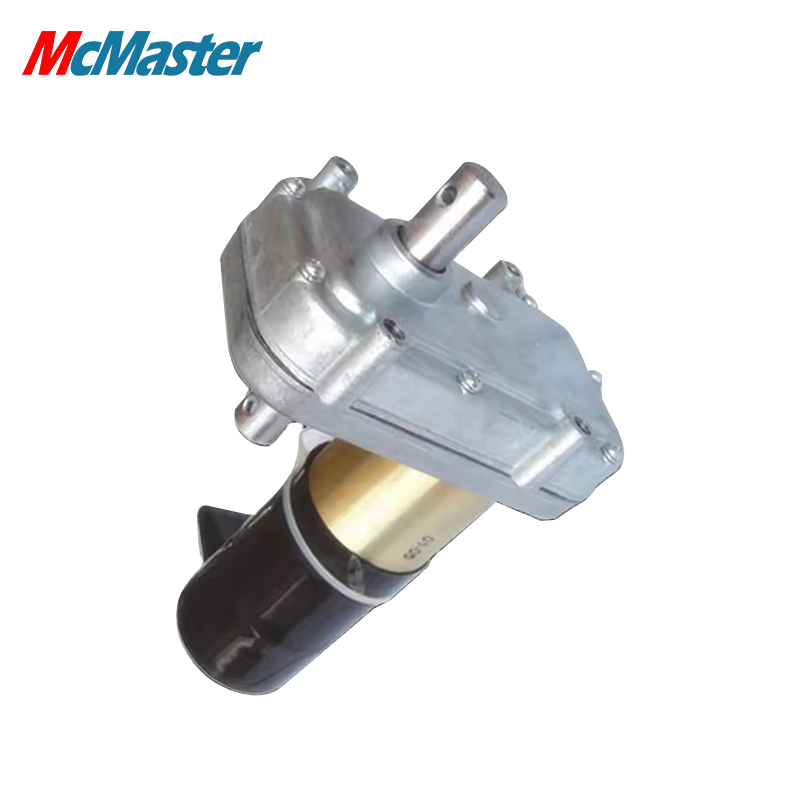
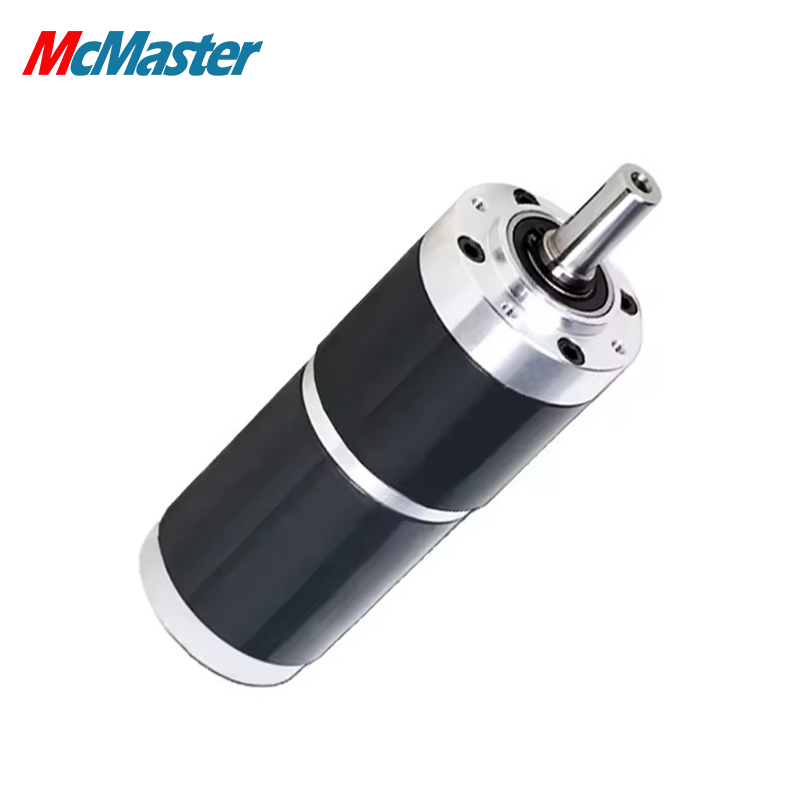
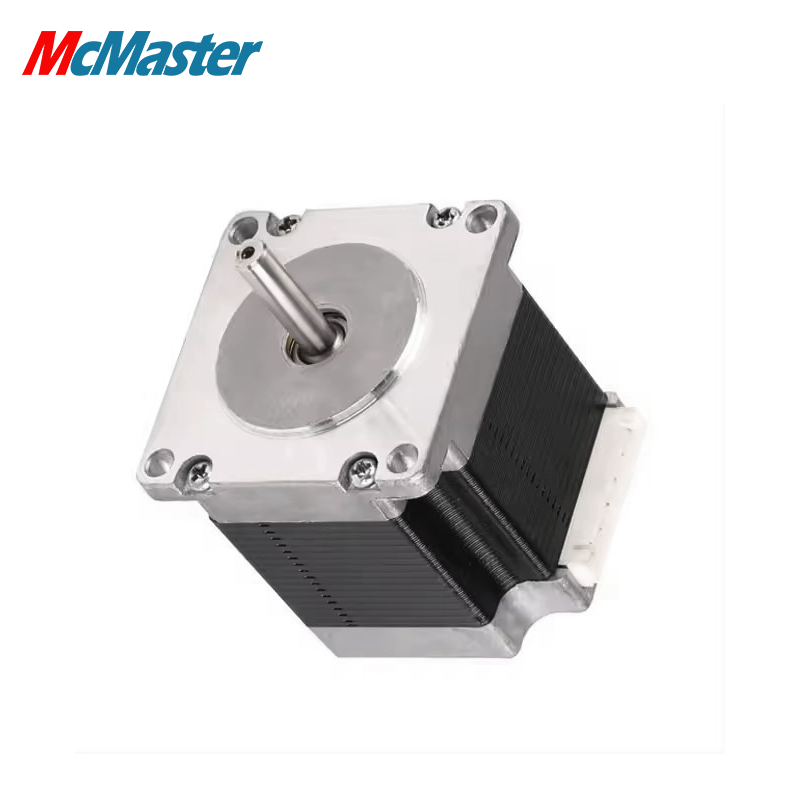
High torque low RPM DC motors are crucial components in various industrial applications, offering significant advantages in power delivery and control. As a purchasing manager or engineer, understanding the specifications, quality, and sourcing options for these motors can significantly impact your project outcomes. This article will address key considerations when evaluating high torque low RPM DC motors, providing insights that will help you make informed purchasing decisions.
When ordering high torque low RPM DC motors in bulk, several specifications are essential to ensure that the motors meet application requirements. Key specifications include:
Torque Rating: This indicates the motor's ability to perform work. A higher torque rating means the high torque bldc motor can handle heavier loads, which is critical in applications such as robotics and industrial machinery.
RPM Range: The RPM (revolutions per minute) rating defines the speed at which the motor operates. For low RPM applications, it’s important to select a motor that operates efficiently within the specified range without overheating or losing performance.
Voltage and Current Ratings: These ratings should match the power supply available in your application to ensure compatibility and operational efficiency.
Physical Dimensions: Size matters, especially when integrating motors into existing machinery. Ensure that the dimensions of the motor will fit the designated space without requiring significant modifications.
Duty Cycle: This indicates how long the motor can operate at a given load before needing to cool down. Understanding this can help prevent overheating and ensure reliability in continuous operations.
Understanding these specifications will not only help you select the right motor but also facilitate smooth communications with suppliers and ensure compliance with project requirements.
Quality evaluation is paramount when purchasing high torque low RPM DC motors. Here are some practical steps to assess quality:
Manufacturer Reputation: Research the manufacturer’s history and reputation. A company with extensive experience, like Changzhou McMaster Electric, which has been in the industry for over 20 years, typically has established quality control processes and a track record of reliability.
Certifications: Check for relevant certifications, such as ISO standards, which indicate adherence to quality management principles. Certifications can provide confidence in the motor's performance and safety.
Material Quality: Evaluate the materials used in manufacturing the motor. High-grade materials, such as robust steel for the casing and high-performance magnets, contribute to better durability and efficiency.
Testing Procedures: Inquire about the testing methods used to ensure product quality. Reliable manufacturers should conduct thorough testing, including load testing and thermal performance evaluations, to validate the motor’s capabilities before shipment.
Warranty and Support: A good warranty period indicates the manufacturer's confidence in their product. Additionally, responsive customer support can be invaluable if issues arise during installation or operation.
By focusing on these quality indicators, buyers can minimize risks associated with purchasing bulk motors.
Understanding common issues that may arise with high torque low RPM DC motors can help buyers anticipate challenges and address them proactively:
Overheating: This is a frequent problem when motors are operated beyond their duty cycle. To mitigate this, ensure proper thermal management systems are in place, such as heat sinks or fans, especially in continuous operation environments.
Noise and Vibration: Excessive noise or vibration can indicate misalignment or imbalance in the motor or load. Regular maintenance checks can help identify these issues early, and proper installation techniques can minimize problems.
Inconsistent Torque Output: Variations in 12v gear motor high torque can result from electrical issues or mechanical wear. Regular inspections and using quality electrical components can help maintain consistent performance.
Temperature Fluctuations: Sudden temperature changes can affect motor performance. By utilizing temperature monitoring systems, you can ensure the motor operates within safe limits.
Addressing these common problems through proactive measures can enhance motor reliability and longevity in your applications.
Sourcing reliable high torque low RPM DC motors requires identifying trustworthy suppliers. Here are some strategies:
Industry Trade Shows: Attending trade shows provides an opportunity to meet manufacturers and distributors face-to-face. This interaction allows you to assess their products first-hand and build relationships.
Online Marketplaces and Directories: Use reputable online platforms to search for manufacturers. Look for reviews and ratings from other buyers to gauge reliability and product quality.
Referrals: Networking with industry peers can yield recommendations for suppliers who have provided reliable products and services in the past.
Request Samples: Before placing bulk orders, request samples of the motors to evaluate their performance and compatibility with your systems. This step is crucial to ensure the product meets your specifications.
By employing these sourcing strategies, buyers can secure high-quality motors that meet their project requirements.
The materials used in high torque low RPM DC motors significantly influence their performance, durability, and efficiency. Here are some key materials and their advantages:
Copper Windings: High-quality copper is often used for windings due to its excellent electrical conductivity, which ensures efficient power transfer and reduces energy losses.
High-Strength Steel: The casing and structural components made from high-strength steel can withstand physical stresses and environmental factors, enhancing overall durability.
Permanent Magnets: The use of high-performance permanent magnets can improve 12 volt high torque gear motor density and efficiency, allowing for more compact motor designs without sacrificing power.
Insulation Materials: Quality insulation materials are essential for thermal management and electrical safety. They can help prevent overheating and electrical failures.
Understanding these material advantages enables buyers to make informed decisions when evaluating different motor options, ensuring optimal performance for their specific applications.
By focusing on these aspects, purchasing managers, engineers, and other stakeholders can effectively evaluate and select high torque low RPM DC motors that align with their project needs, ultimately leading to improved operational efficiency and product reliability.

 EN