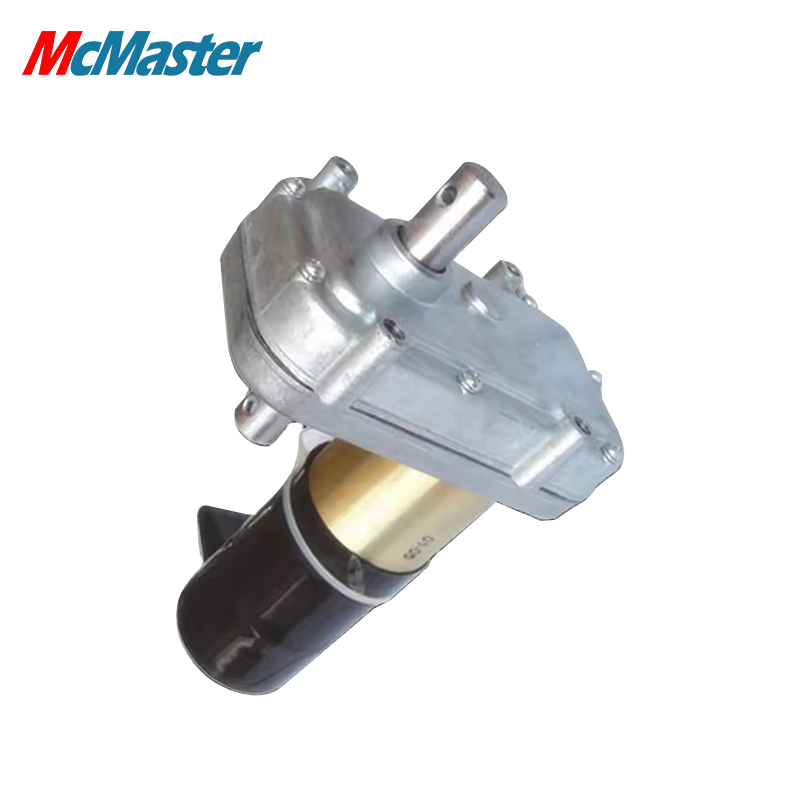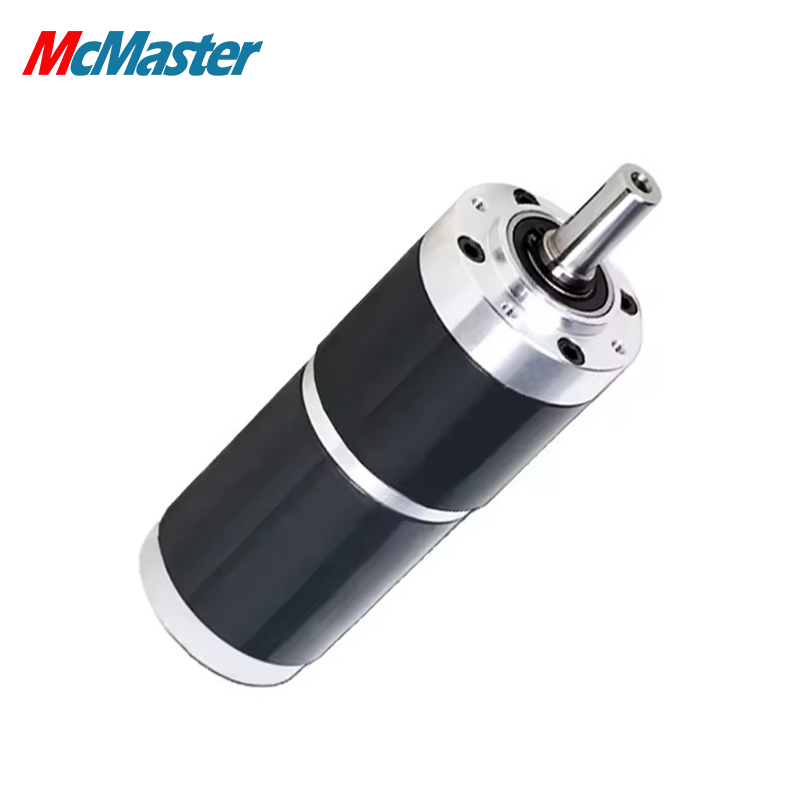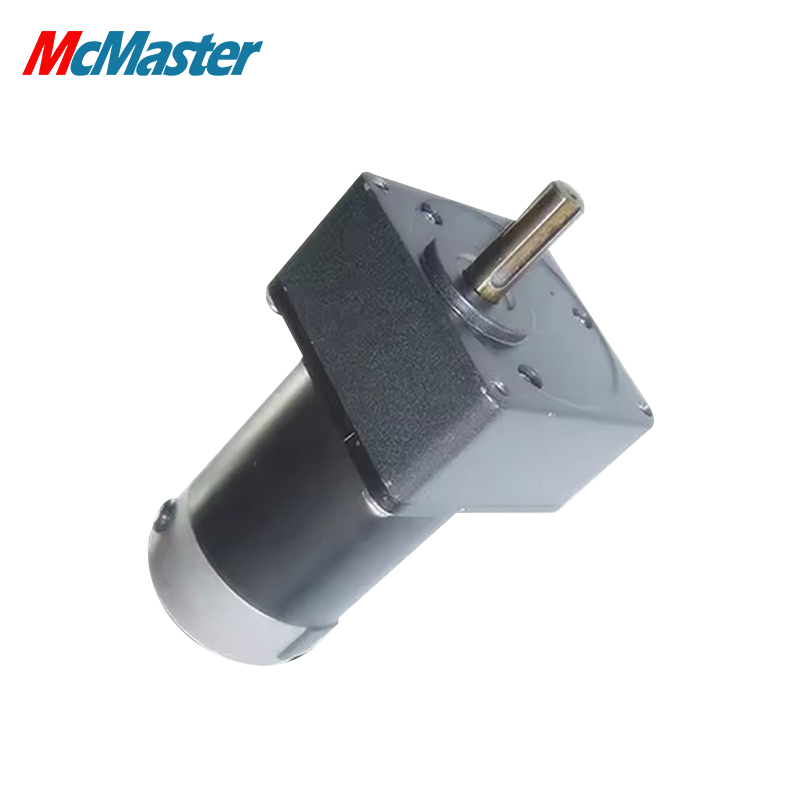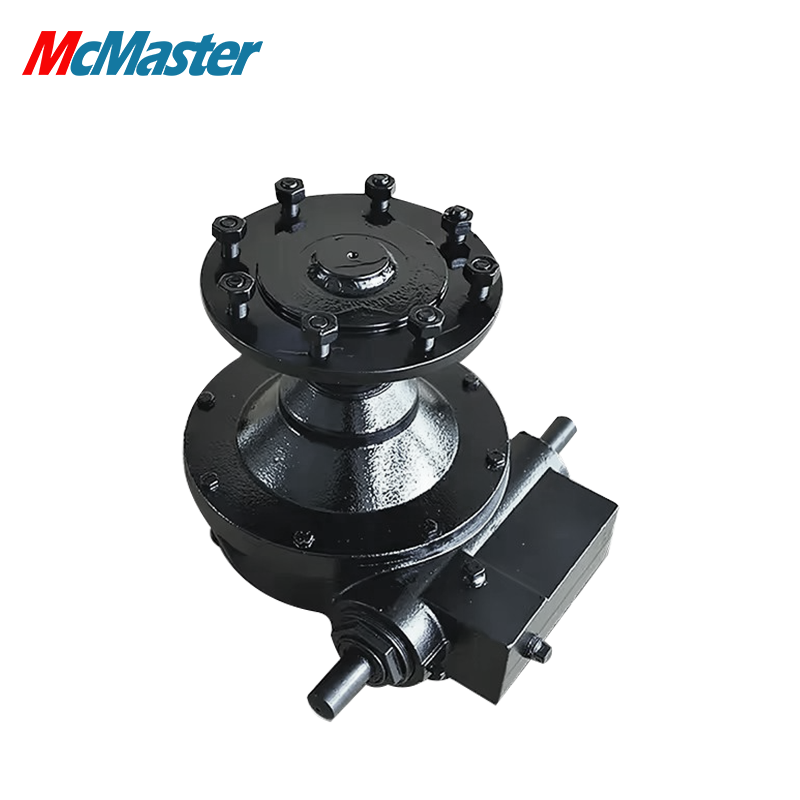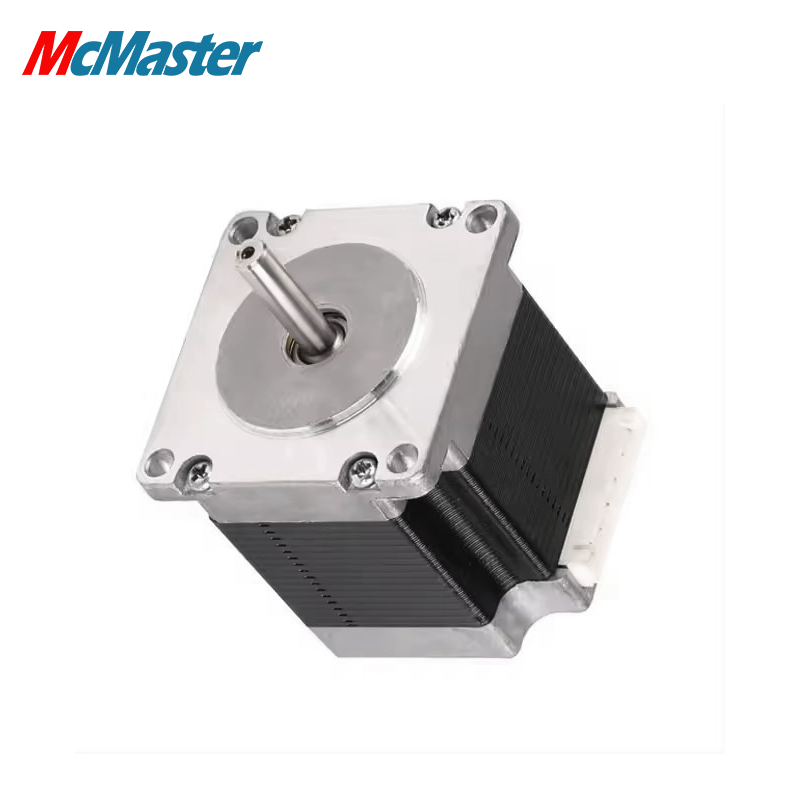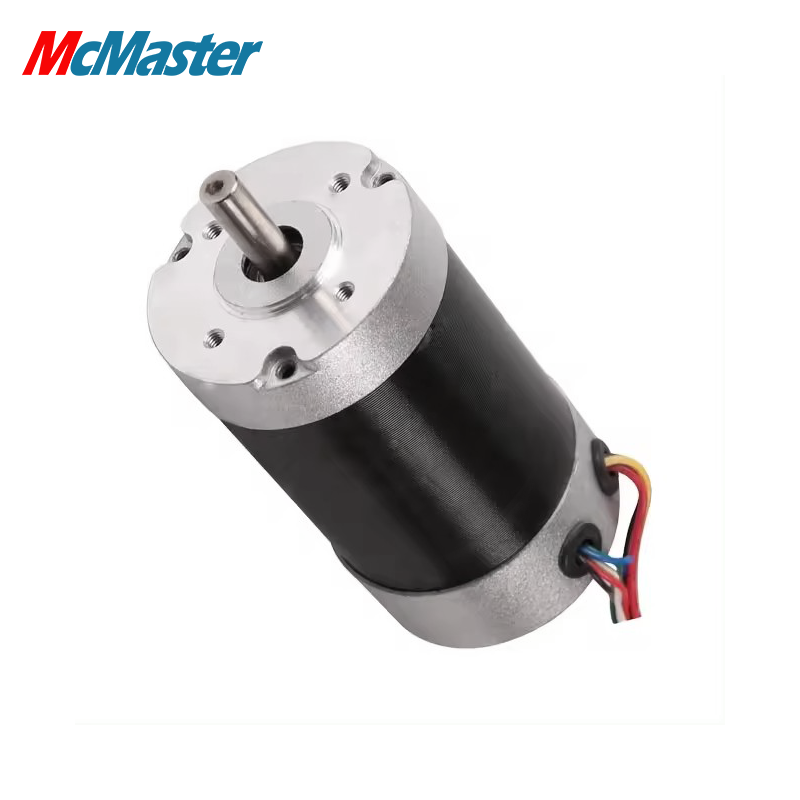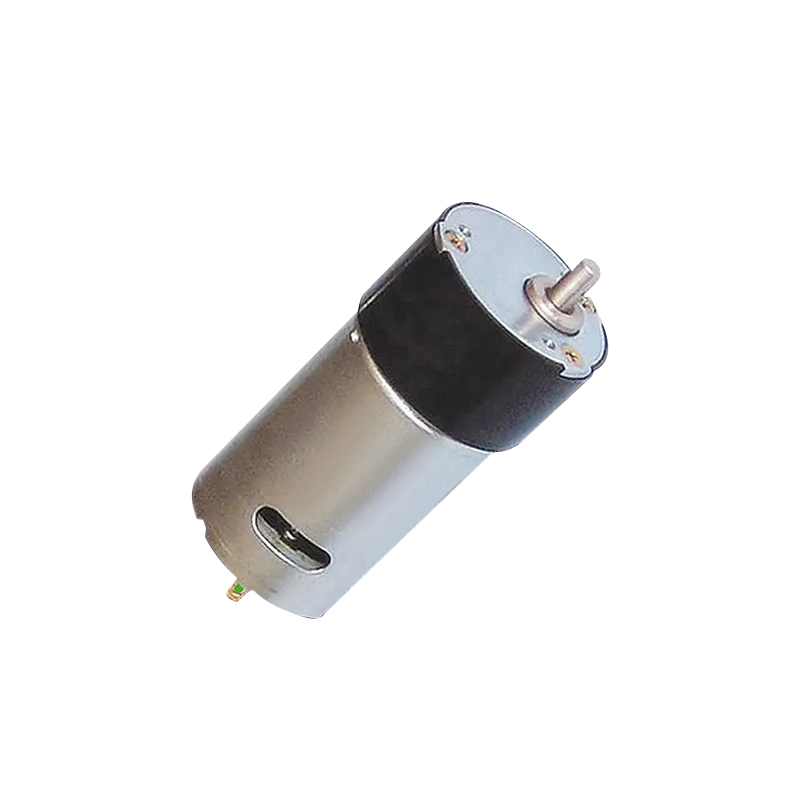
Stepper motor reduction gearboxes are essential components in various industrial applications, serving to enhance precision and torque while minimizing speed. For B2B buyers, selecting the right stepper motor reduction gearbox involves navigating specifications, compatibility, and sourcing reliable suppliers. This article will guide you through the critical aspects of choosing a suitable McMaster Electric dc brushless motor for your project, addressing key specifications, common installation challenges, and the diverse applications across industries.
Selecting the appropriate stepper motor reduction gearbox depends on several factors that align with your specific application needs. Begin by considering the required torque and speed specifications. A gearbox can significantly alter the output torque and speed, enabling the motor to operate efficiently within its optimal range. Ensure that the gearbox ratio matches your application's requirements; for instance, a higher reduction ratio will yield greater torque but will reduce the maximum speed.
Next, assess the physical dimensions and mounting options. The gearbox must fit within the designated space in your machinery and align correctly with the motor. Dimension discrepancies can lead to installation challenges or operational failures. Additionally, consider the material composition of the gearbox. Materials such as aluminum provide a lightweight option, while steel offers enhanced durability for heavy-duty applications.
Lastly, think about the operating environment. If the gearbox will be exposed to harsh conditions, such as high temperatures or moisture, ensure that the selected model has appropriate sealing and materials to withstand such factors. It’s advisable to consult with a supplier to clarify specifications and ensure that the chosen gearbox can meet your project’s demands.
When evaluating stepper motor reduction gearboxes, several key specifications should be prioritized:
Gear Ratio: This determines how the input speed of the motor translates to output speed and torque. A higher gear ratio increases torque but decreases speed, making it crucial to select one that aligns with your performance requirements.
Load Capacity: Understand the maximum load the gearbox can handle. This includes both static and dynamic loads, which are essential for ensuring the gearbox will function effectively within your application without risk of failure.
Backlash: This refers to the amount of play or lost motion in the gearbox. Low backlash is vital for applications requiring high precision, such as robotics or CNC machinery.
Dimensions and Weight: Ensure that the gearbox fits within the spatial constraints of your application, considering both the mounting dimensions and the weight, which can affect the overall design and performance of the machine.
Efficiency: Look for information on the gearbox efficiency rating, as this affects the overall performance and power consumption. Higher efficiency translates to less energy loss and better operational performance.
Understanding these specifications will guide you in selecting the right stepper motor reduction gearbox that meets your performance and operational needs.
Finding reliable suppliers for stepper motor reduction gearboxes is crucial for ensuring product quality and timely delivery. Start by researching manufacturers with a proven track record in the industry. Look for companies that have been in the business for several years, as experience often correlates with reliability and expertise.
It is also beneficial to consider suppliers who offer customization options. This McMaster Electric servo motor gear box flexibility can be vital if your application requires specific dimensions or unique material properties. Check if the supplier provides comprehensive technical support, as this can assist you in selecting the right gearbox and resolving any issues that may arise.
Additionally, consider suppliers who have certifications that demonstrate adherence to quality standards. Certifications may include ISO 9001 or industry-specific standards, which can provide assurance regarding the quality and reliability of their products. Finally, read customer reviews and case studies to evaluate the supplier's reputation and customer service capabilities.
Installing stepper motor reduction gearboxes can present a few common challenges. One frequent issue is misalignment during installation. Misalignment can lead to increased wear on the gears, noise, and eventual failure. To mitigate this, ensure that all mounting surfaces are clean and level, and use alignment tools during installation to confirm proper positioning.
Another common problem is the incorrect torque specification during assembly. Over-tightening can damage the gearbox, while under-tightening may lead to operational failures. Consult the manufacturer’s specifications for the appropriate torque settings.
Additionally, improper electrical connections can cause operational issues. Ensure that the wiring is secure and correctly matched to the motor and control system. Regularly inspect connections for wear or corrosion to maintain optimal performance.
By anticipating these common installation problems and taking proactive measures, you can enhance the reliability and longevity of your stepper motor reduction gearbox.
Stepper motor reduction gearboxes find applications across a spectrum of industries due to their ability to provide precise control and increased torque.
Automation and Robotics: In automation, these gearboxes are prevalent in robotic arms and conveyors where precise movement is essential. They enable accurate positioning and consistent operation, which are critical in assembly lines and robotic applications.
Consumer Electronics: Many consumer electronics use stepper motors for precise control of components such as camera lenses and printers. The reduction gearboxes enhance the torque needed for smooth operation.
Medical Equipment: In medical applications, stepper motor reduction gearboxes are employed in devices requiring high precision, such as ventilators or surgical robots. Their reliability is paramount, as any malfunction can have significant consequences.
Automotive: In the automotive sector, these McMaster Electric 24v planetary gear motor are used in applications like power steering systems and electric vehicle motors, where they support improved performance and energy efficiency.
IoT Devices: With the rise of IoT devices, stepper motor reduction gearboxes are increasingly used in smart devices that require precise motion control, such as automated blinds and smart locks.
Overall, understanding the diverse applications can help you appreciate the value of stepper motor reduction gearboxes in creating efficient, reliable systems across industries.

 EN