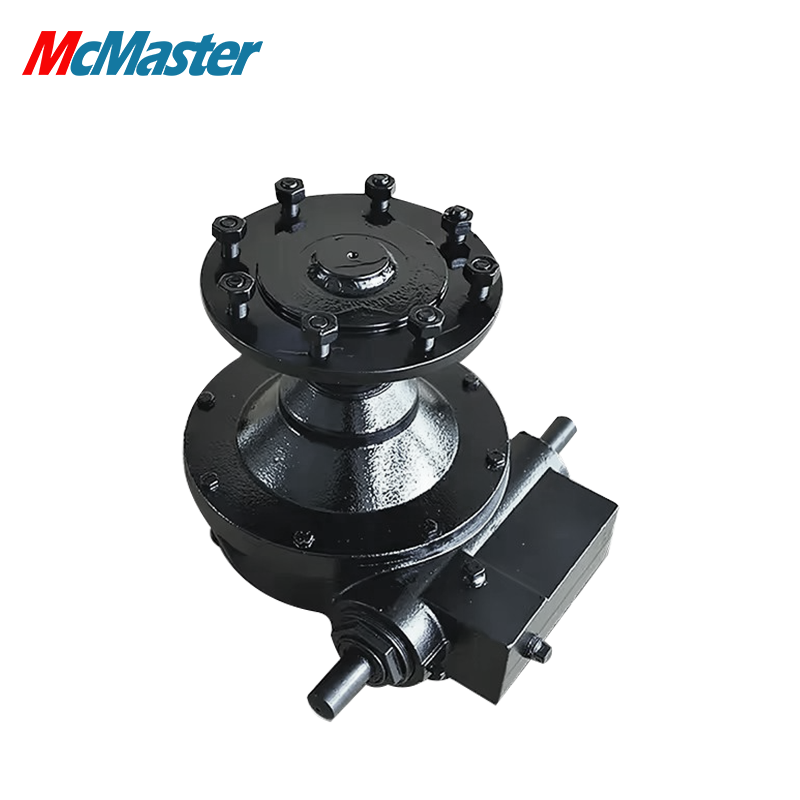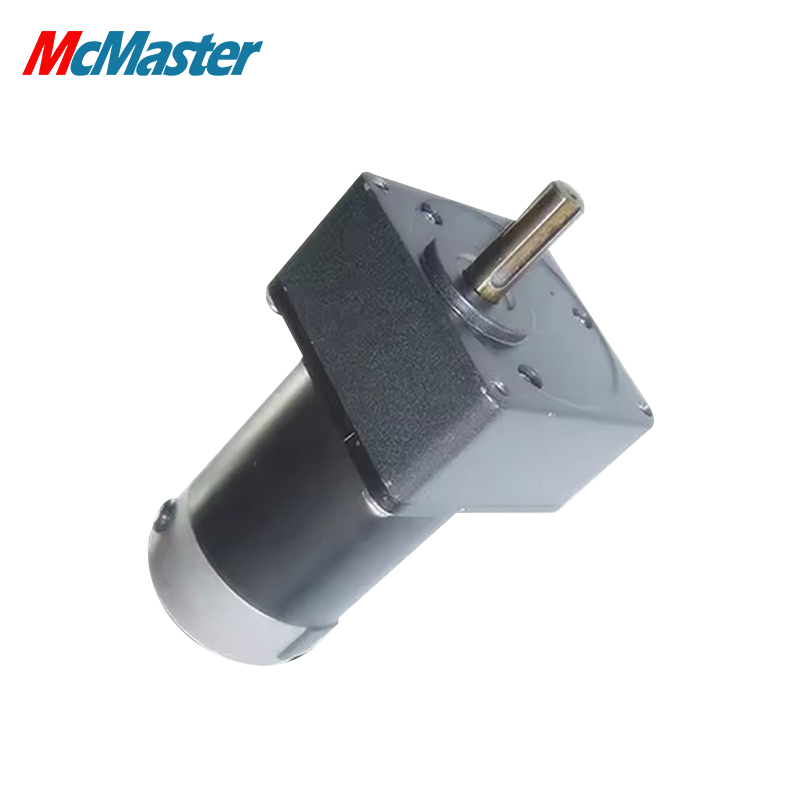
When selecting components for automation and machinery, the 12V worm gear motor plays a critical role due to its efficiency and versatility. A worm motor gear combines a motor with a gear reducer, providing high torque output in a compact size. B2B buyers often look for reliability, durability, and specific performance characteristics when sourcing these motors for applications in automation, robotics, and other industrial sectors. This article will guide you through essential considerations when choosing a 12V worm gear motor, sourcing suppliers, overcoming installation challenges, understanding diverse applications, and efficiently placing bulk orders.
Choosing the right 12V worm gear motor involves several key considerations to ensure compatibility with your application. First, assess the motor's torque and speed ratings. The torque output, typically expressed in Newton-meters (Nm), should align with the requirements of your specific application, whether it be lifting, driving, or precision movement. The speed, measured in revolutions per minute (RPM), should also meet the operational needs without compromising performance.
Next, consider the motor's construction materials. Common materials include aluminum and plastic, which offer different benefits. Aluminum provides durability and heat dissipation, making it suitable for heavy-duty applications. Conversely, plastic can reduce weight and costs in less demanding environments. Additionally, check the motor's gear ratio, as this affects both speed and torque. A higher gear ratio increases torque but reduces speed, which might be advantageous in applications requiring power over speed.
Lastly, evaluate the motor's environmental resilience. For applications exposed to moisture, dust, or extreme temperatures, look for worm drive gear motor with appropriate ingress protection (IP) ratings and temperature specifications to ensure long-term reliability.
Finding dependable suppliers is crucial for securing high-quality 12V worm gear motors. Start by researching manufacturers with a proven track record in motor production, such as Changzhou McMaster Electric, which has over 20 years of experience in electrification and automation. Industry trade shows and exhibitions are excellent venues for meeting suppliers and evaluating their offerings firsthand.
Online B2B marketplaces and directories can also provide insights into various suppliers. Look for customer reviews and ratings to gauge the reliability and quality of their products. Additionally, consider suppliers that offer customization capabilities, as this can be essential for meeting specific project requirements.
When contacting potential suppliers, request detailed product specifications and inquire about their quality control processes. Ensure they adhere to relevant industry certifications, which can indicate their commitment to quality and performance standards.
Installing a 12V worm gear motor can present various challenges. One common issue is misalignment during installation, which can lead to premature wear or failure. To mitigate this, ensure that the mounting surfaces are flat and that the motor is aligned correctly with the driven component. Using alignment tools can help achieve the necessary precision.
Another challenge is ensuring proper wiring and electrical connections. Incorrect wiring can lead to motor failure or erratic performance. Always refer to the manufacturer's wiring diagrams and instructions. Additionally, consider the electrical load requirements and ensure that the power supply can adequately support the motor's needs.
Heat dissipation is also a key consideration. Worm gear motors can generate significant heat during operation, especially under heavy loads. Ensure that there is adequate ventilation around the motor and consider additional cooling measures if necessary. Monitoring temperature during operation can help prevent overheating and extend the motor's lifespan.
12V worm gear motors are versatile components used across multiple industries, including automation, robotics, and consumer electronics. In automation, they are often employed in conveyor systems, packaging machines, and material handling equipment, where precise movement and high torque are essential.
In the robotics sector, these motors enable precise control of joints and movements, making them ideal for robotic arms and mobile robots. Their compact size and efficient power consumption make them suitable for battery-operated devices, enhancing their applicability in robotics.
Additionally, the automotive industry utilizes 12V worm gear motors in applications such as window lifts and seat adjustments, where reliable performance is crucial. Medical devices also benefit from these motors, providing controlled movements in equipment like hospital beds and surgical instruments.
Placing a bulk order for 12V worm gear motors requires careful planning to ensure efficiency and accuracy. Start by determining your exact requirements, including the model, specifications, quantity, and any customization needed. Prepare a detailed request for quotation (RFQ) that outlines these parameters, which will help suppliers provide accurate pricing and lead times.
When selecting a supplier, consider their production capacity and lead times to ensure they can meet your delivery schedule. It's also beneficial to ask about minimum order quantities (MOQs) to avoid unexpected costs.
Before finalizing the order, request samples to verify that the motors meet your specifications. Testing samples under actual operating conditions can help identify any potential issues before mass production. Once satisfied, confirm the order and ensure clear communication regarding packaging, shipping, and payment terms to facilitate a smooth transaction.
By understanding these aspects of sourcing and utilizing 12V gear worm motor, B2B buyers can make informed decisions that align with their operational needs and project goals.

 EN