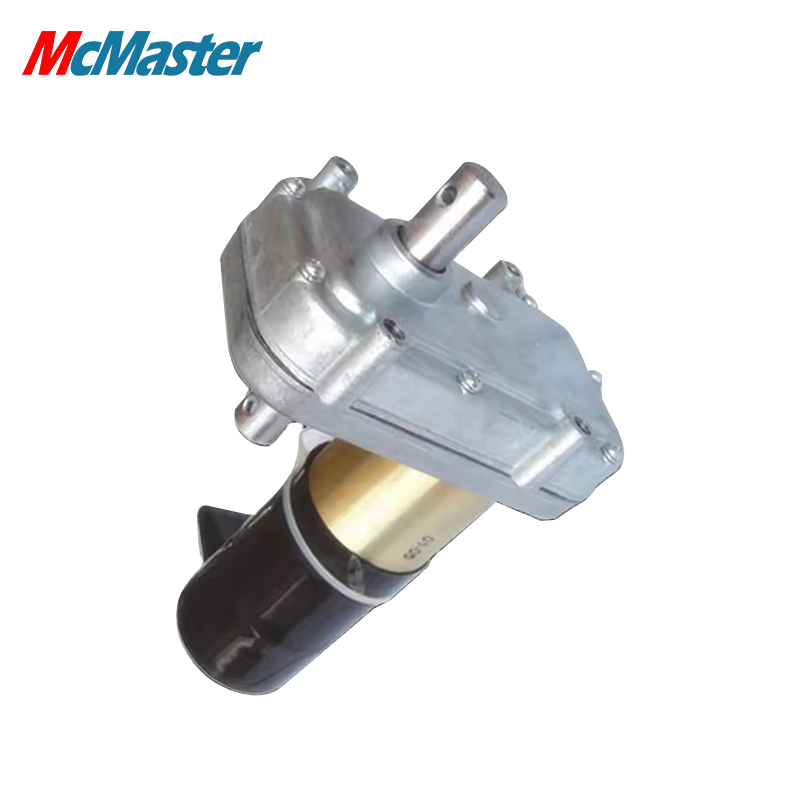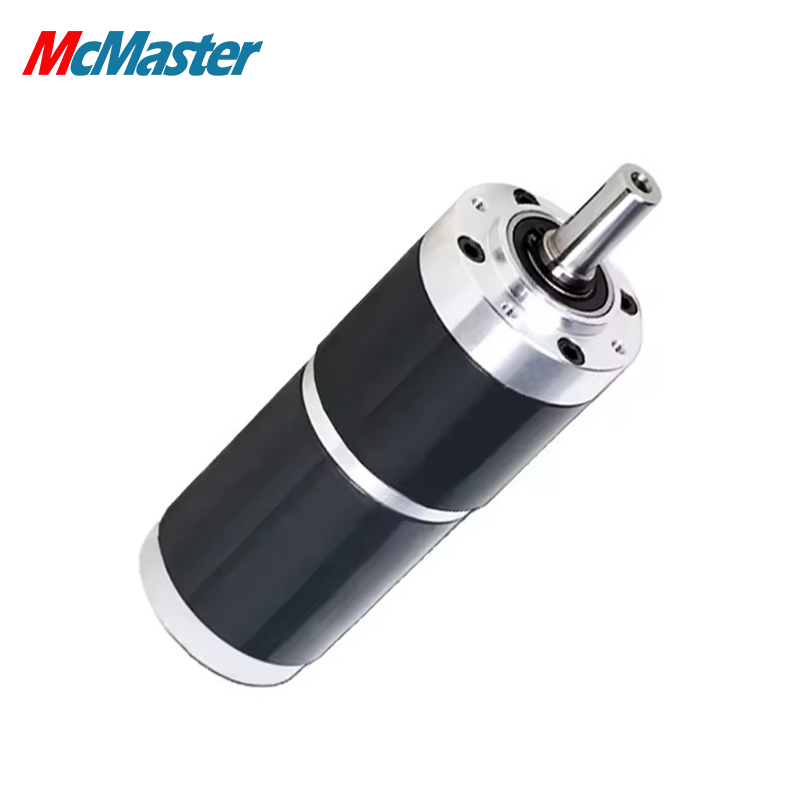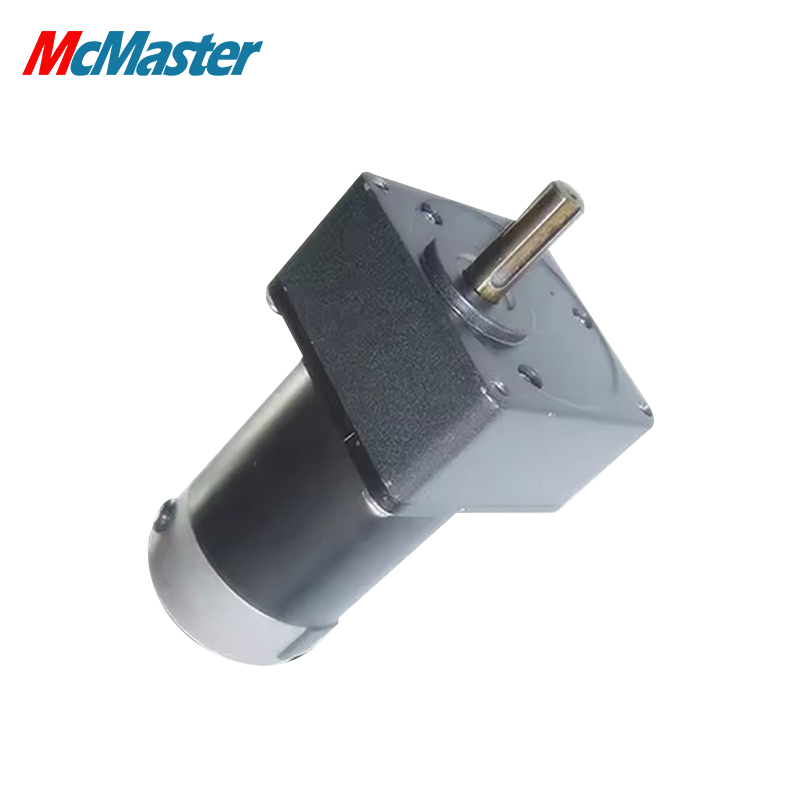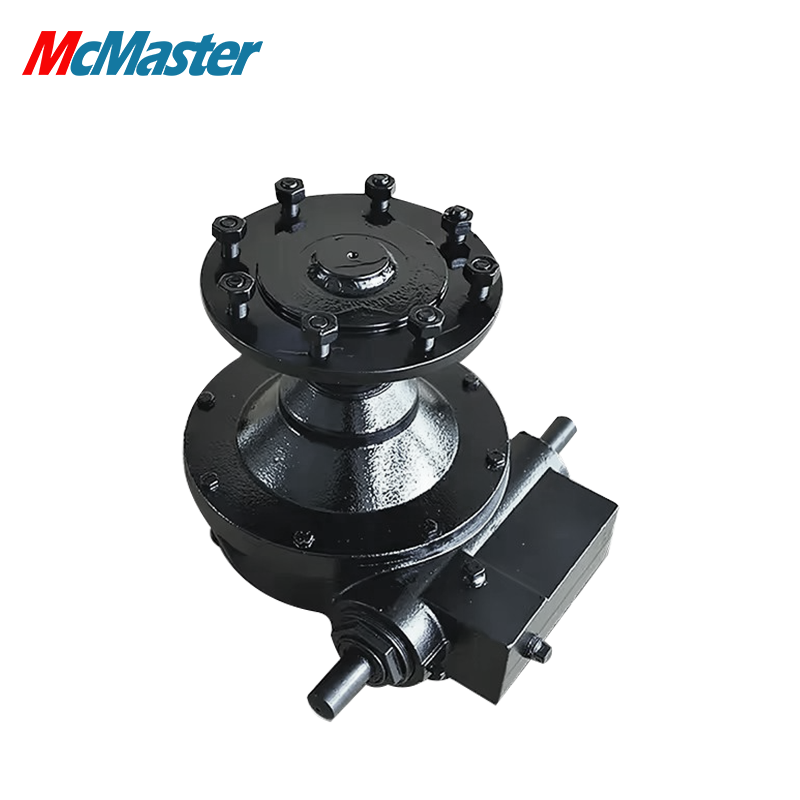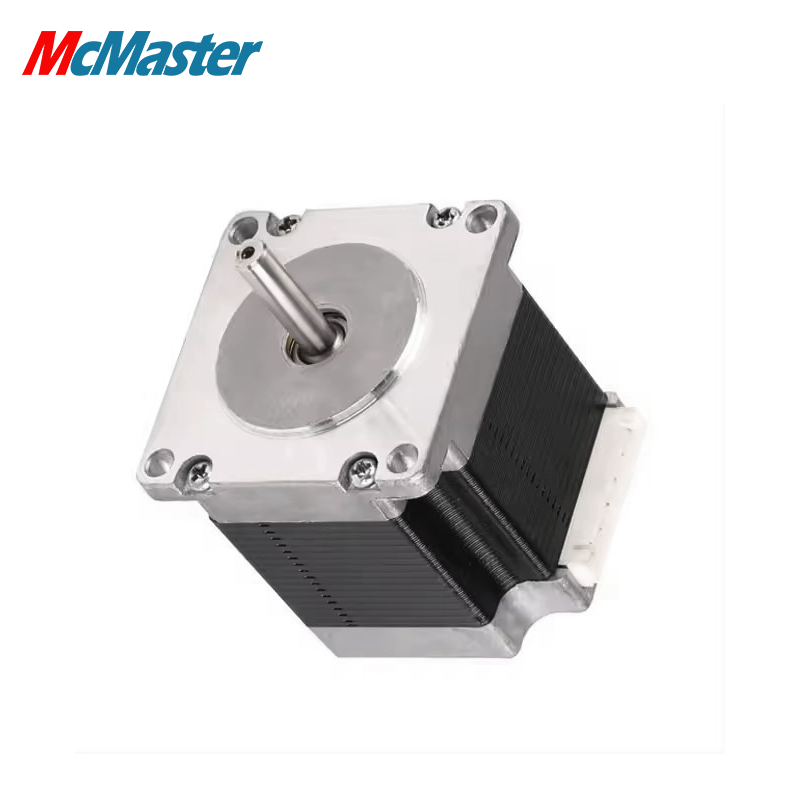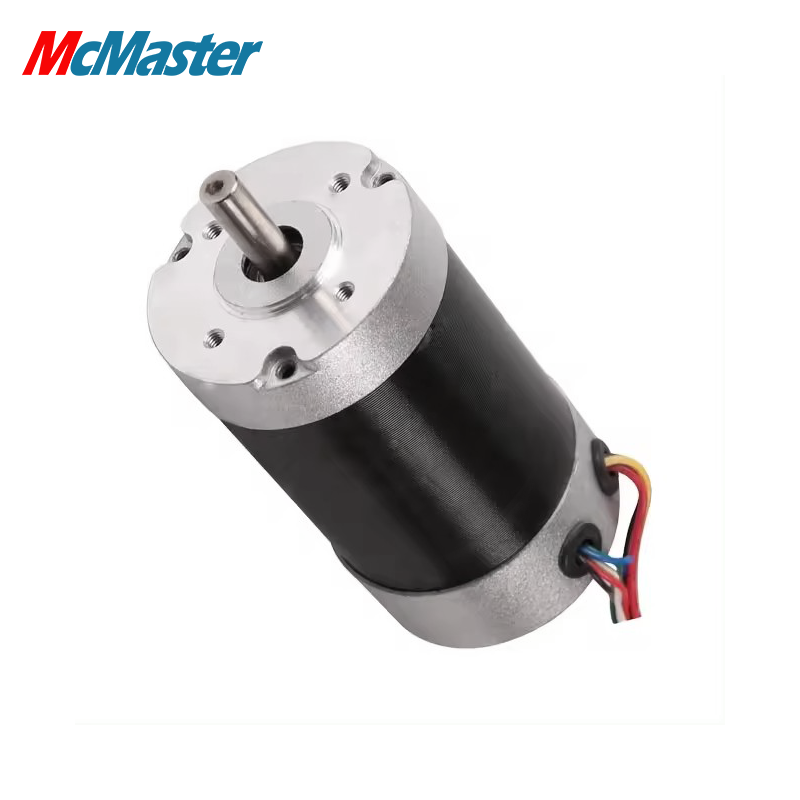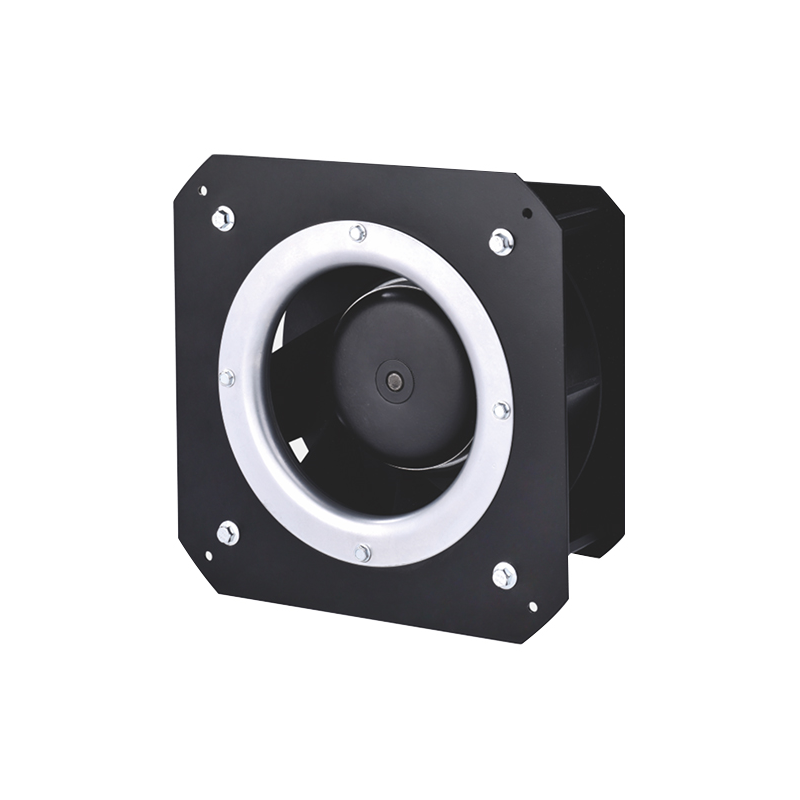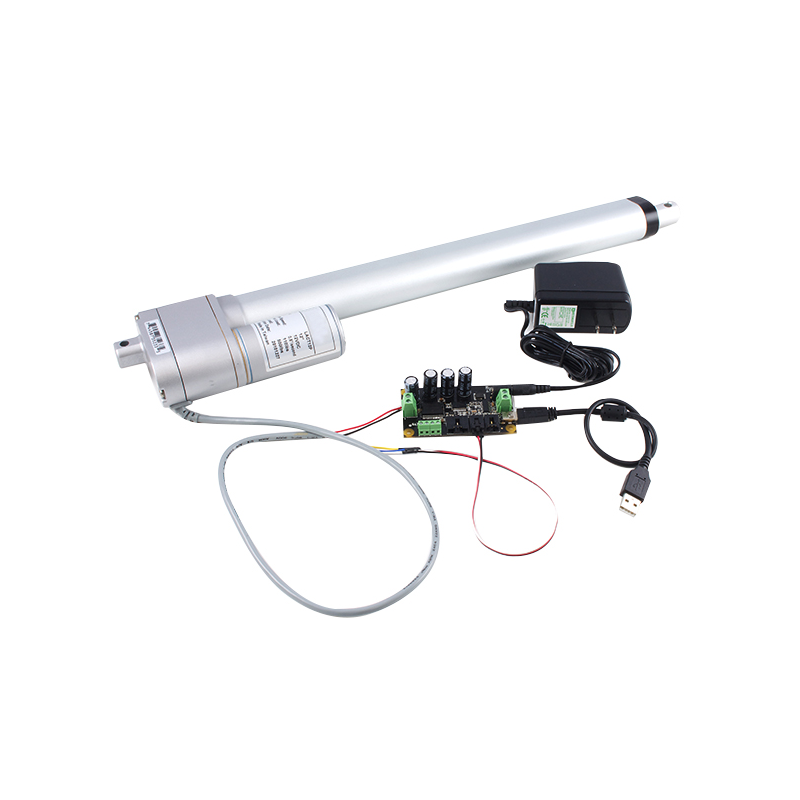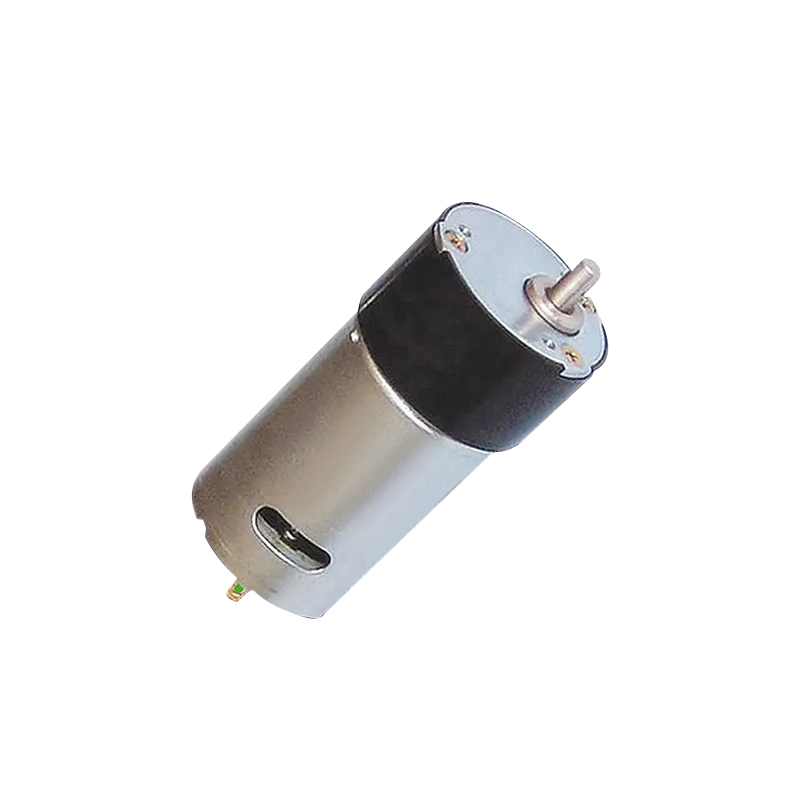
Hydraulic motor gearboxes are essential components in various industrial applications, providing efficient power transmission and torque multiplication. When purchasing planetary motor gearbox, buyers often face concerns regarding quality, compatibility, and long-term durability. This article will guide you through evaluating the quality of hydraulic motor gearboxes, best practices for selection, their applications across industries, how to compare suppliers, and the material advantages that enhance durability.
To ensure you select a high-quality McMaster Electric hydraulic motor gearbox, consider several key factors:
Specifications: Understand the technical specifications such as torque capacity, speed ratings, and efficiency. These metrics will determine if the gearbox meets your application needs. For instance, a gearbox with a higher torque rating is suitable for heavy-duty applications, while one with lower torque may suffice for lighter tasks.
Manufacturing Process: Investigate the manufacturing techniques used. Modern gearboxes may utilize precision machining and heat treatment, which enhance durability and performance. Inquire about the processes that ensure consistent quality, such as CNC machining and robotic assembly.
Quality Control: Establish whether the manufacturer has a stringent quality control system in place. Look for certifications such as ISO 9001, which indicates adherence to international quality standards. A reliable manufacturer will also provide test reports for batch consistency and performance validation.
Material Selection: The materials used significantly impact durability. Common materials for hydraulic motor gearboxes include high-strength steel and aluminum alloys, which offer a balance of weight and durability. Ensure that the selected material meets the environmental conditions your application will face.
Performance Testing: Before finalizing your purchase, request performance data and testing results. This may include load testing, thermal performance assessments, and noise level measurements. Understanding how the electric motor gearbox performs under actual operating conditions is critical to ensuring reliability.
When procuring hydraulic motor gearboxes, adhering to best practices can help streamline the process and mitigate risks:
Define Requirements: Clearly outline your application's requirements, including load capacities, environmental conditions, and space constraints. This will aid in selecting the appropriate gearbox model.
Request Samples: Always request samples before placing bulk orders. Testing a sample under your operating conditions can prevent potential issues during production and ensure compatibility with existing systems.
Engage with Suppliers: Maintain open communication with potential suppliers. Discuss customization needs and ask about their lead times, minimum order quantities (MOQ), and packaging options. This dialogue can also provide insights into their responsiveness and reliability.
Evaluate Supplier Reputation: Research potential suppliers’ reputations through industry reviews, testimonials, and case studies. A supplier with a solid track record can often provide peace of mind regarding product quality.
Consider Long-Term Relationships: Building a long-term relationship with a supplier can lead to better pricing and service. Regular communication and collaboration can yield customized solutions tailored to your evolving needs.
McMaster Electric Hydraulic motor gearboxes find applications across diverse sectors, each benefiting from their unique attributes:
Manufacturing: In manufacturing settings, hydraulic gearboxes are critical for powering conveyor systems, presses, and other machinery requiring precise torque control.
Robotics: Integrating hydraulic motor gearboxes in robotic arms allows for smooth movement and precise positioning, crucial in assembly lines and automated processes.
Automotive: The automotive industry employs hydraulic gearboxes in various applications, including assembly robots and testing equipment, where reliability and precision are paramount.
Aerospace: In aerospace applications, servo motor gearbox are utilized in landing gear systems and control surfaces, where performance and safety are critical.
Medical Equipment: Hydraulic motor gearboxes play a vital role in medical devices, ensuring precise movements in surgical robots and diagnostic equipment.
When considering bulk orders for hydraulic motor gearboxes, evaluating suppliers on various factors is essential:
Pricing Structures: Compare pricing among suppliers, factoring in additional costs such as shipping and duties. Understand the pricing model—some suppliers may offer discounts for bulk purchases, while others may have fixed pricing.
Lead Times: Assess the lead times offered by different suppliers. Quick turnaround times can be crucial for maintaining production schedules, especially in industries where downtime is costly.
Customization Capabilities: Identify whether suppliers can accommodate customization requests. This may include specific gear ratios, mounting configurations, or materials tailored to your application.
Support and Warranty: Evaluate the support provided during and after the purchase. A good supplier will offer technical support and a warranty that safeguards against manufacturing defects.
Feedback from Previous Clients: Seek feedback from other businesses that have worked with the supplier. This insight can provide valuable perspectives on reliability, quality, and customer service.
The materials used in McMaster Electric hydraulic motor gearboxes significantly affect their performance and longevity:
Steel Alloys: High-strength steel alloys are often used for gears and casings due to their excellent tensile strength and fatigue resistance. This ensures the gearbox can handle high loads and pressure without failure.
Aluminum Alloys: Aluminum gearboxes are lighter, making them suitable for applications where weight is a concern. They also provide good corrosion resistance, which is vital in harsh environments.
Surface Treatments: Applying surface treatments, such as hardening or coating, can enhance wear resistance and reduce friction. This prolongs the lifespan of the gearbox and maintains efficiency over time.
Sealing Technologies: Effective sealing materials prevent contamination and moisture ingress, which are common failure causes in hydraulic systems. Ensuring robust sealing solutions can enhance the durability of hydraulic motor gearboxes.
Thermal Management: Materials that can withstand high temperatures without degrading are essential in applications where heat buildup is a concern. Selecting the right material can prevent failures caused by thermal stress.
In summary, selecting the right hydraulic motor gearbox involves a thorough evaluation of quality, supplier options, and material advantages. By following best practices and understanding the specific applications and industry needs, B2B buyers can make informed purchasing decisions that enhance efficiency and reliability in their operations.

 EN