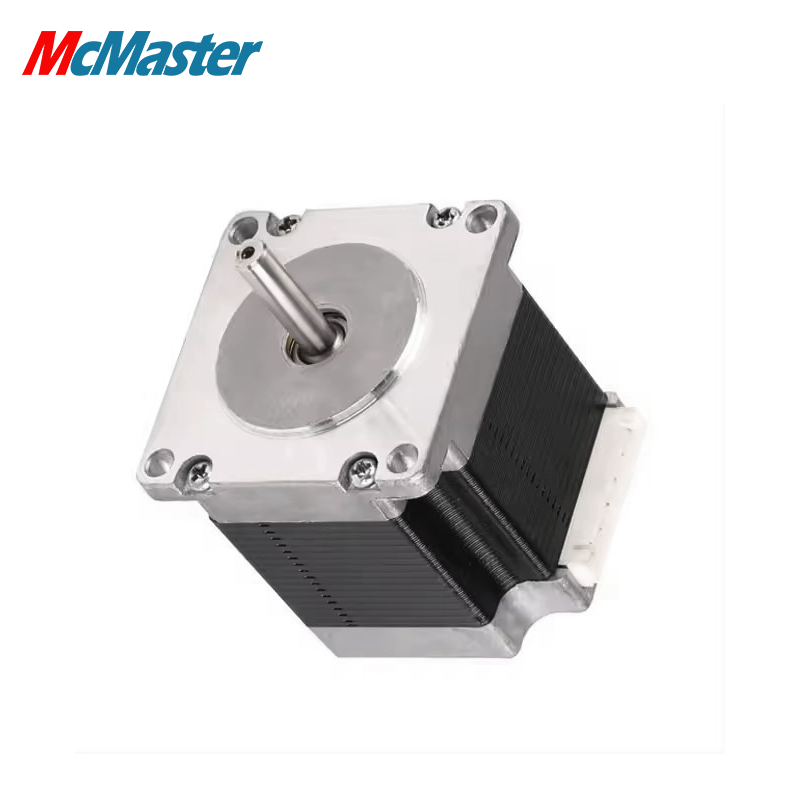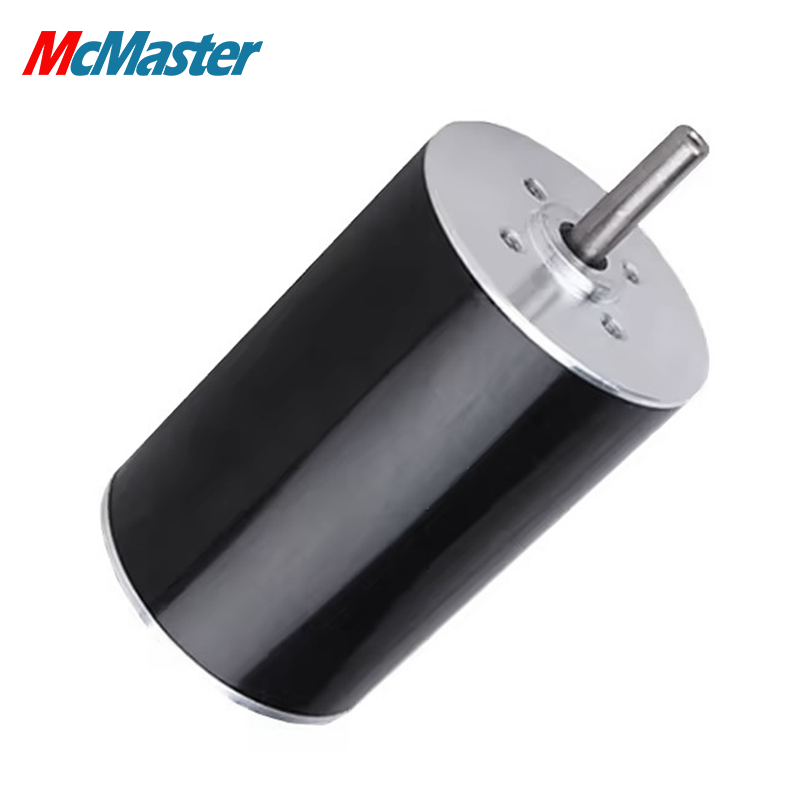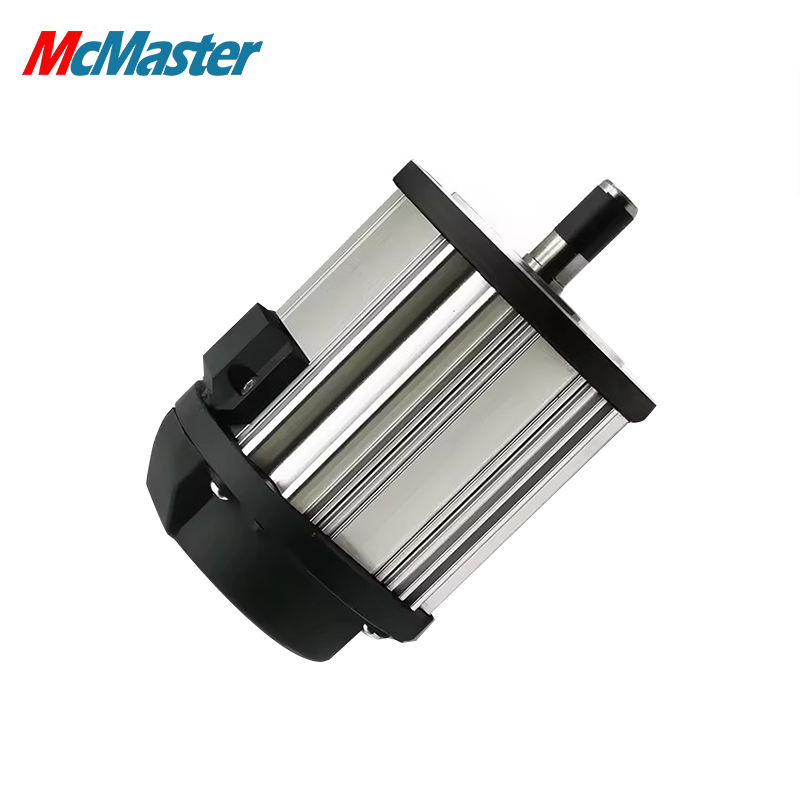
In the realm of modern manufacturing, BLDC motors (Brushless Direct Current motors) have emerged as pivotal components across various industries, from automation and robotics to consumer electronics and automotive applications. For B2B buyers such as purchasing managers and engineers, understanding the intricacies of McMaster Electric bldc electric motor specifications, sourcing, and installation is crucial for making informed procurement decisions. This article will help you navigate the essential aspects of working with BLDC motor manufacturers, ensuring that you can select motors that meet your project's performance and reliability needs.
When assessing BLDC motors, there are several key specifications that buyers must consider:
Voltage and Current Ratings: The motor's voltage and current ratings determine its compatibility with your application. Ensure the ratings of McMaster Electric bldc brushless motor align with your system's power supply to avoid performance issues.
Torque and Speed Characteristics: Torque is critical for applications requiring high load handling, while speed ratings are essential for precision tasks. Buyers should evaluate the motor's speed-torque curve to ensure it meets their specific operational requirements.
Efficiency and Heat Dissipation: Energy efficiency is a significant concern, particularly in applications where power consumption impacts operational costs. Higher efficiency ratings often correlate with better heat management, reducing the risk of overheating and extending motor lifespan.
Size and Weight: The physical dimensions and weight of the motor can influence installation feasibility and overall system design. Ensure the McMaster Electric brushless dc bldc motor fits within your spatial constraints while maintaining the necessary performance capabilities.
Control Method: BLDC motors can be controlled using various methods, including open-loop and closed-loop systems. Understand the implications of each control method on system complexity and cost.
Evaluating these specifications will help you choose a BLDC motor that fits your needs, minimizes potential issues, and enhances overall system performance.
Sourcing reliable BLDC motors involves identifying manufacturers with a proven track record in quality and service. Start by considering manufacturers like Changzhou McMaster Electric, which has over 20 years of experience in motor manufacturing, providing high-tech solutions to diverse industries across 150 countries.
When looking for suppliers, consider the following:
Reputation and Experience: Choose manufacturers with a history of producing reliable motors. Evaluate customer reviews, case studies, and industry certifications to gauge their credibility.
Customization Capabilities: Many applications require specific motor configurations. Ensure that the manufacturer can accommodate custom requests, whether for unique dimensions, materials, or performance characteristics.
Quality Control Processes: Investigate the manufacturer's quality assurance protocols. Look for ISO certifications or other quality management systems to ensure consistent product quality.
Export Markets and Logistics: If you're sourcing from international suppliers, confirm their shipping capabilities and logistics management. This includes understanding lead times, minimum order quantities (MOQs), and packaging methods.
Technical Support and After-Sales Service: Reliable suppliers should offer robust technical support and after-sales service to assist with installation, troubleshooting, and maintenance.
By focusing on these factors, you can identify trustworthy BLDC motor manufacturers that will meet your bulk order and distribution needs.
Proper installation of BLDC motors is vital for optimal performance, yet several issues commonly arise during this process:
Misalignment: A misaligned motor can lead to excessive wear or failure. Ensure that the motor is correctly aligned with the driven load during installation. Use alignment tools and double-check the mounting surfaces.
Inadequate Cooling: Overheating can significantly shorten motor life. Ensure that the installation allows for adequate airflow and cooling. This may involve designing the housing or selecting a motor with integrated cooling features.
Poor Wiring Connections: Faulty electrical connections can cause operational failures or safety hazards. Utilize quality connectors and verify that wiring conforms to electrical standards. Perform regular checks on connections to maintain reliability.
Incompatible Control Systems: Ensure that the control system is compatible with the BLDC motor specifications. Incorrect settings can lead to performance issues or motor damage. Review the control parameters and adjust them per the manufacturer's guidelines.
Insufficient Testing: Before full-scale deployment, conduct thorough testing under actual operating conditions. This helps identify any installation issues early on, allowing for timely adjustments.
Addressing these common installation challenges will enhance the reliability and performance of your BLDC motors, ensuring smooth operation in your applications.
BLDC motors offer several advantages that make them ideal for various industrial applications:
Higher Efficiency: Compared to traditional brushed motors, BLDC motors are significantly more efficient, converting a greater percentage of electrical energy into mechanical energy. This efficiency leads to lower operational costs and reduced heat generation.
Increased Longevity: The absence of brushes in BLDC motors minimizes wear and tear, resulting in longer operational lifespans. This durability is particularly advantageous in applications requiring continuous operation.
Precise Control: BLDC motors provide precise speed and torque control, making them suitable for applications that demand high accuracy, such as robotics and CNC machinery.
Quieter Operation: The design of BLDC motors allows for smoother operation with reduced noise levels. This is especially beneficial in environments where noise reduction is a priority, such as medical equipment and consumer electronics.
Versatility: BLDC motors are adaptable to a wide range of applications, from small-scale consumer products to large industrial machinery. Their modular nature allows for easy integration into existing systems.
These advantages position BLDC motors as a smart choice for industries looking to enhance efficiency, reliability, and performance in their operations.
Understanding the standards governing BLDC motors is essential for ensuring compliance and quality. Here are some key standards to consider:
ISO Standards: Many manufacturers adhere to ISO 9001, which outlines quality management principles. Compliance with these standards ensures that the manufacturing processes meet international quality benchmarks.
IEC Standards: The International Electrotechnical Commission (IEC) sets standards for electrical and electronic equipment. Look for compliance with IEC 60034, which deals with rotating electrical machines, and IEC 61800, which covers adjustable speed drives.
RoHS Compliance: If your application involves electronics, ensure that the BLDC motors comply with the Restriction of Hazardous Substances (RoHS) directive, which limits harmful materials in electronic products.
UL Certification: For motors used in North America, UL certification indicates that the product meets safety and performance standards. This is critical for applications where safety is paramount.
Environmental Standards: Consider the environmental impact of your BLDC motors. Compliance with standards such as ISO 14001 can indicate that the manufacturer is committed to reducing their environmental footprint.
By ensuring that your selected BLDC motor manufacturers comply with relevant standards, you can enhance trust in the quality and reliability of the products you are sourcing.

 EN