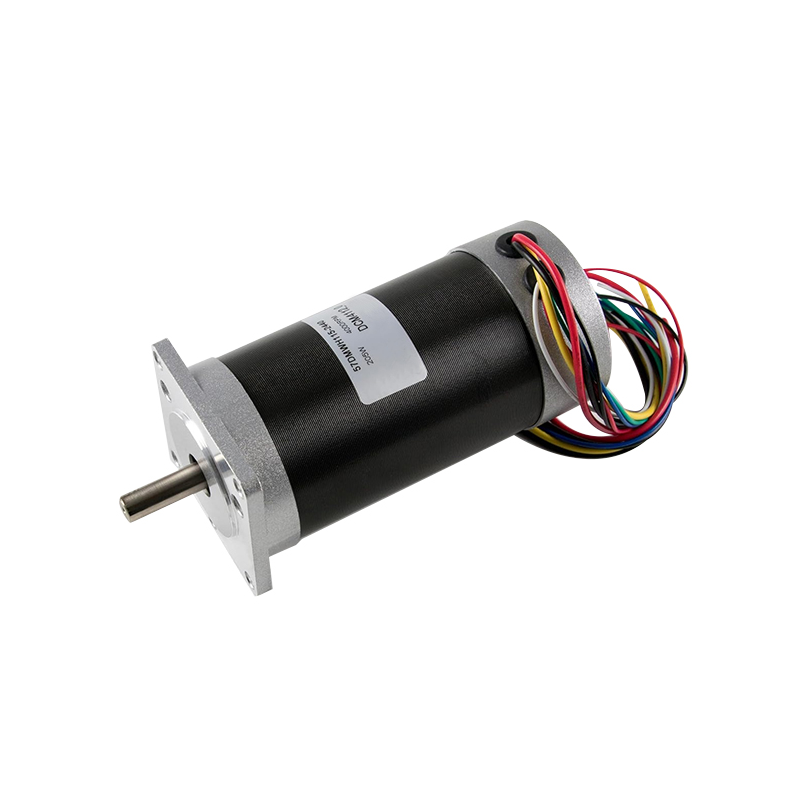
Choosing the right DC brushless motor for your industrial needs can significantly affect the efficiency and performance of your applications. DC brushless motors are known for their reliability, energy efficiency, and low maintenance requirements, making them ideal for various applications across sectors like robotics, automotive, and consumer electronics. However, selecting the right motor involves understanding specific requirements such as load capacity, speed, and environmental conditions. This article will guide you through essential considerations, cost factors, quality assessments, and common challenges associated with McMaster Electric brushless dc electric motor.
When selecting a DC brushless motor, it is crucial to assess the application requirements carefully. Key factors include:
Torque and Speed Requirements: Determine the torque and speed needed for your application. Higher torque is often required for tasks like lifting or moving heavy loads. Motors are rated by their torque output at specific speeds, so understanding these parameters is essential for optimal performance.
Operating Environment: Consider the conditions in which the motor will operate. For instance, if the motor is to be used in high humidity, dusty, or extreme temperature conditions, it may require specific environmental protection features, such as IP ratings.
Size and Weight Constraints: The physical dimensions of the motor can impact its integration into your system. Ensure that the motor’s size aligns with your design specifications and that it can be mounted without requiring extensive modifications to existing equipment.
Control Method: DC brushless motors typically require a controller to manage speed and torque. Evaluate whether you will use a simple on/off control or a more sophisticated speed control system with feedback mechanisms.
Power Supply: Ensure that the power supply aligns with the motor's voltage and current requirements. Mismatched power supplies can lead to inefficient operation or damage.
By carefully analyzing these factors, you can select a DC brushless motor that meets your operational needs effectively.
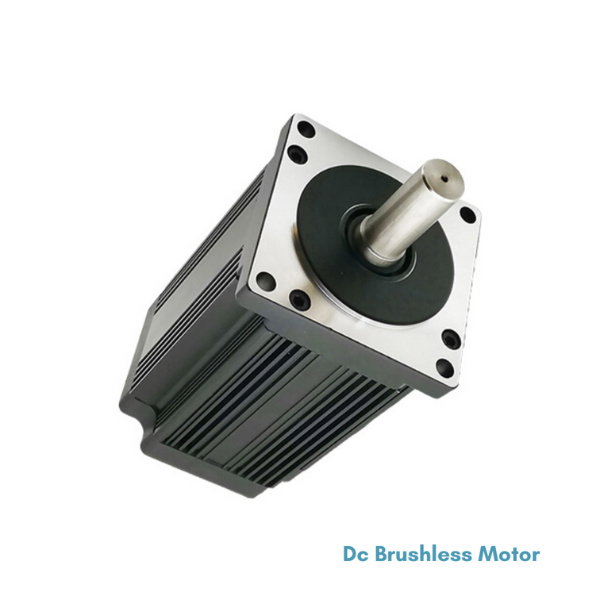
The cost of DC brushless motors can vary widely based on several factors:
Specifications and Features: Motors with advanced features such as higher efficiency ratings, built-in encoders for feedback, or specialized coatings for protection tend to be more expensive. Buyers should weigh the benefits of these features against their necessity for the specific application.
Quantity: Bulk orders often result in lower per-unit costs. Understanding the minimum order quantity (MOQ) is essential, as some manufacturers may require larger orders for optimal pricing.
Customization: Customizing a motor to fit specific operational needs can increase costs. This includes adjustments to size, power ratings, or additional features. Always discuss customization options with your supplier upfront to get accurate pricing.
Supplier Reputation: Established manufacturers with a proven track record may charge a premium for their products due to their quality assurance processes and reliability. Investing in a reliable supplier can lead to long-term savings through reduced maintenance and downtime.
Shipping and Handling: Don’t overlook the costs associated with shipping, especially if sourcing from international suppliers. Understand the logistics involved, including lead times, to avoid unexpected expenses.
By assessing these cost factors, you can better budget for your motor purchase and avoid hidden costs.
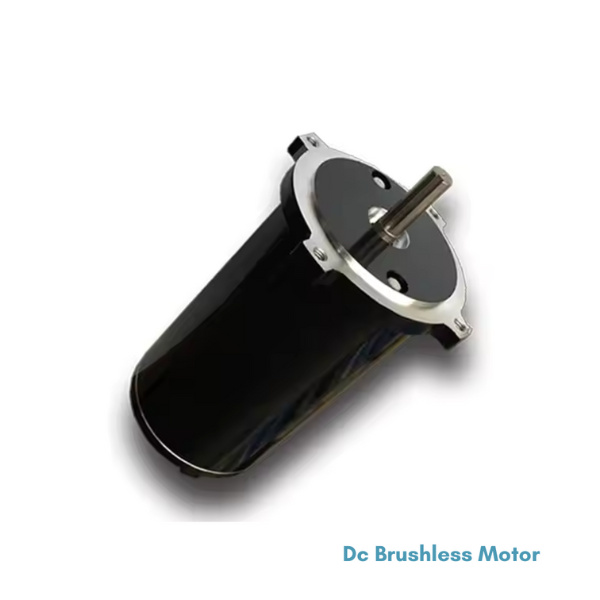
Finding a reliable source for DC brushless motors involves several steps:
Manufacturer Directories: Utilize industry-specific directories to identify manufacturers and suppliers. Look for companies with a strong history in motor manufacturing and positive customer reviews.
Trade Shows and Industry Events: Attending trade shows allows you to interact directly with manufacturers, view products, and gather information about their offerings. This can also help in establishing relationships with potential suppliers.
Online Marketplaces: Websites dedicated to industrial products often feature various suppliers. Ensure to check the credibility of the seller and the quality of their products through customer feedback.
Referrals and Recommendations: Networking with industry peers can provide insights into reputable suppliers. Recommendations based on firsthand experience can guide you to trustworthy manufacturers.
Quality Certifications: Look for suppliers that hold relevant certifications (such as ISO 9001) that demonstrate their commitment to quality and reliability in manufacturing practices.
By focusing on these sourcing strategies, you can find quality McMaster Electric 12v brushless dc motor that meet your needs.
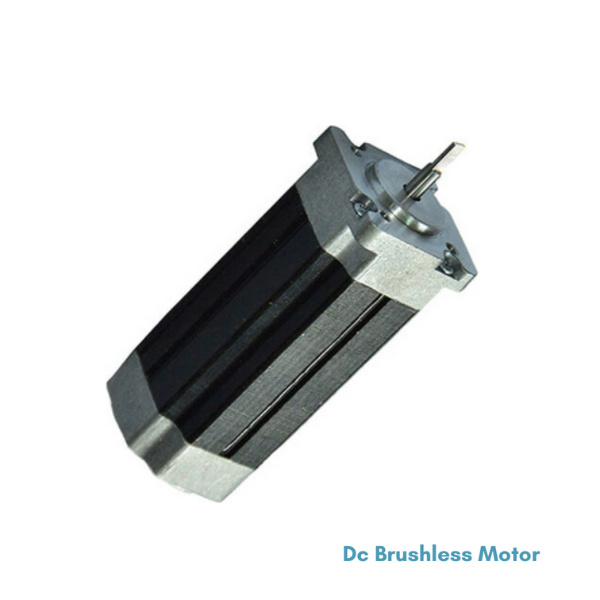
While DC brushless motors are known for their reliability, users may encounter specific issues:
Overheating: If a motor overheats, it can lead to reduced performance or damage. Ensure that the motor is adequately sized for the application and that it operates within the recommended temperature range. Implementing proper cooling solutions or adjusting the load can mitigate this issue.
Vibration and Noise: Excessive vibration or noise can indicate misalignment or imbalance. Regular maintenance checks can help identify these problems early. Ensure that the motor is mounted correctly and that all components are in good condition.
Controller Compatibility: Not all controllers are compatible with every DC brushless motor. Ensure that the controller is designed for the specific motor type to avoid operational issues. Consult with the supplier for recommendations on compatible controllers.
Power Supply Issues: Fluctuations in power supply can affect motor performance. Utilizing a stable and appropriate power source is essential. Consider integrating power conditioning equipment if your application is sensitive to voltage changes.
Wear and Tear: Over time, components can wear out. Regular inspection and maintenance are crucial for longevity. Establish a routine check-up schedule to identify and replace worn components before they lead to failure.
Addressing these common issues proactively can enhance the reliability and performance of your DC brushless motors.
Evaluating the quality and performance of a DC brushless motor involves several steps:
Performance Testing: Ensure that the motor meets specified performance criteria, such as torque output and speed. Conduct tests under actual operating conditions to confirm that it performs as expected.
Material Inspection: Assess the materials used in the motor's construction. High-quality materials contribute to durability and performance. Look for motors with robust housing and winding materials that can withstand operational stresses.
Certification Verification: Verify that the motor meets relevant industry standards and certifications. This can provide assurance of the motor’s quality and reliability.
Sample Approval: Before committing to a large order, request a sample motor to test in your application. This can help identify any potential issues before mass production.
Supplier Audits: Consider conducting audits of potential suppliers to assess their manufacturing capabilities, quality control processes, and adherence to industry standards. This can provide insights into their reliability as a partner.
By following these assessment steps, you can ensure that the McMaster Electric bldc brushless motor you select for your operations meet the required standards for quality and performance.

 EN