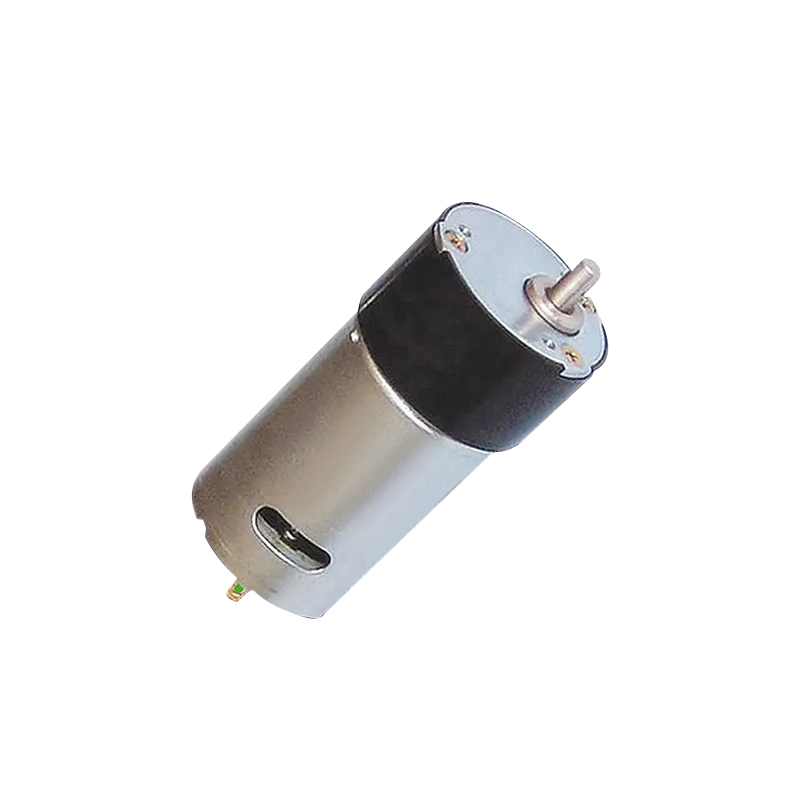
Electrical gearboxes are integral components in various industrial applications, designed to convert and optimize rotational motion from electric motors. These devices are crucial for enhancing efficiency and performance in machines that require precise speed and torque adjustments. For B2B buyers, understanding the technical specifications, application suitability, and sourcing options for electrical gearboxes is essential to ensure they meet operational demands. This article will guide you through selecting the right electrical gearbox, sourcing reliable suppliers, addressing common issues, and understanding cost factors associated with bulk orders.
Selecting the correct electrical gearbox involves several critical considerations. The first step is to define your application requirements, including the desired output speed and torque. Electrical gearboxes are available in various gear ratios, which directly affect the performance of your machinery. For instance, a high gear ratio might be suitable for applications requiring high torque at low speeds, such as in conveyor systems, while lower gear ratios are ideal for applications needing higher speeds, like in robotics.
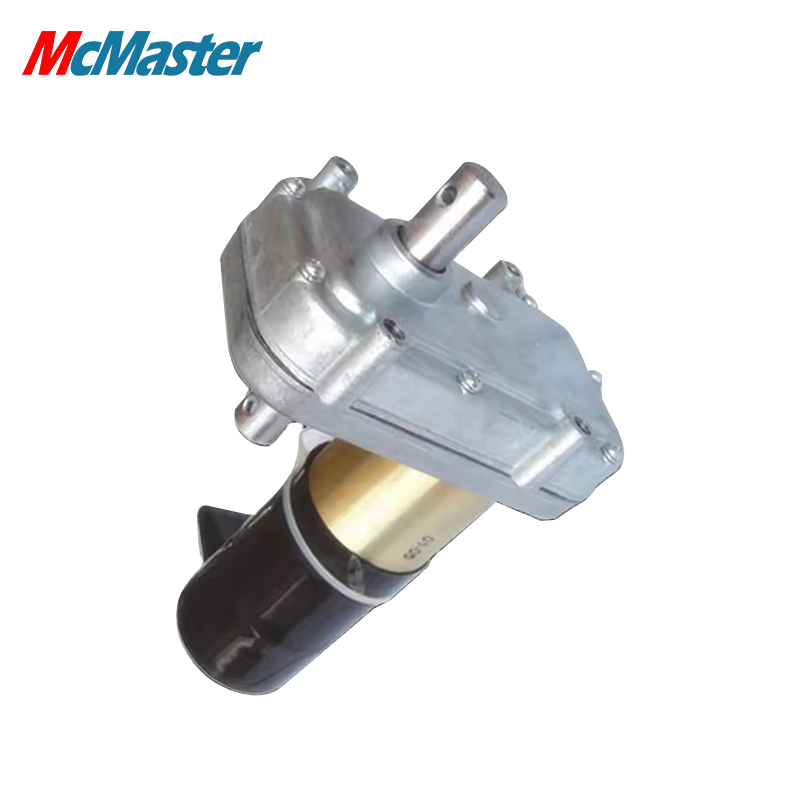
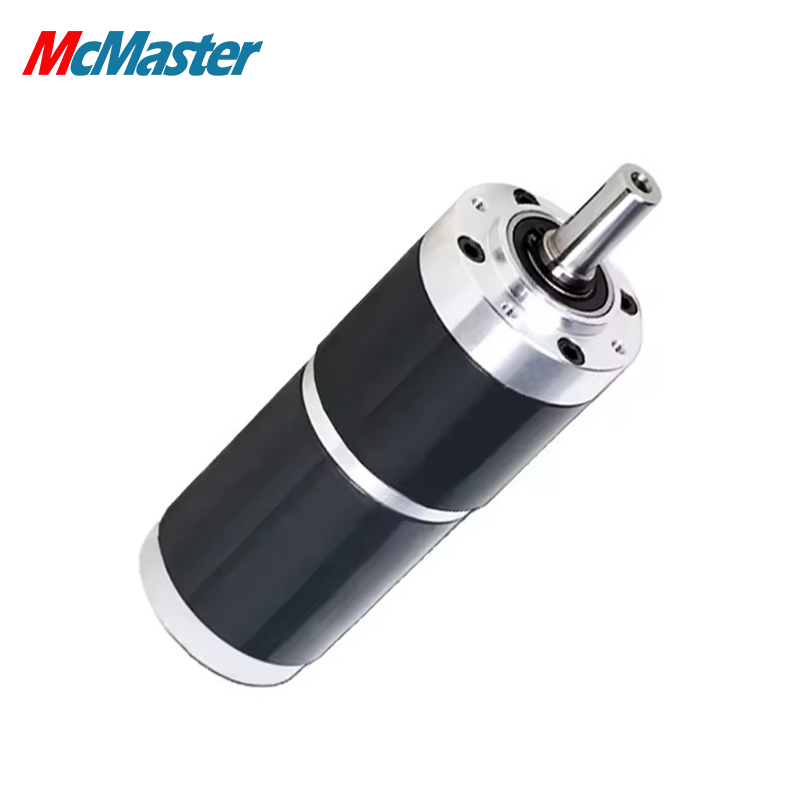
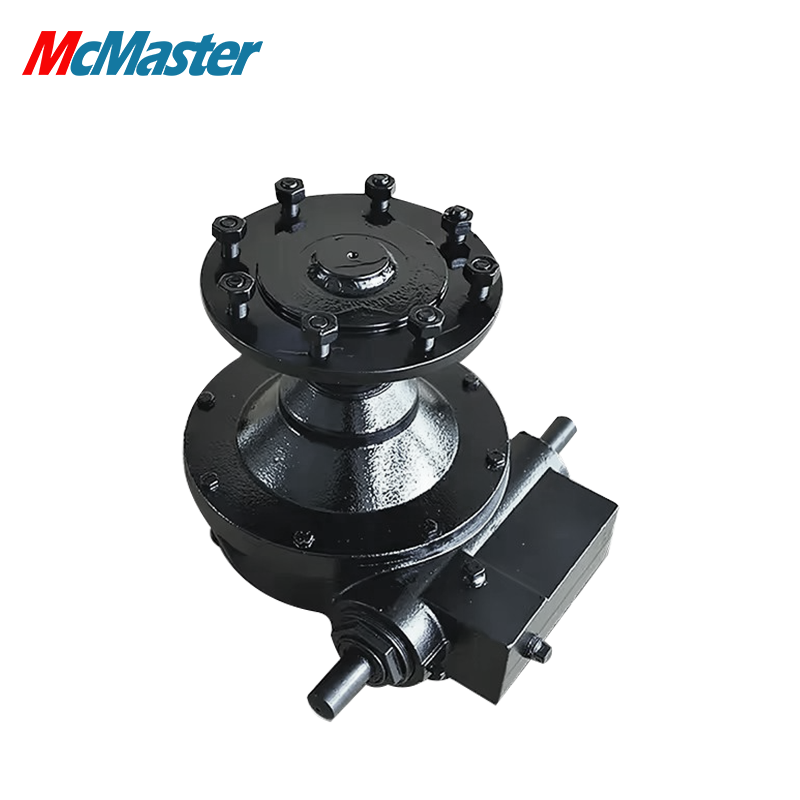
Another crucial factor is the gearbox type, planetary, helical, or worm gearboxes each have unique advantages. Planetary gearboxes are known for their compact design and high efficiency, making them ideal for space-constrained environments. In contrast, high torque worm gearbox provide a high reduction ratio and are often used in applications requiring significant torque.
Material selection also plays a vital role in the gearbox's performance and durability. Common materials include aluminum, steel, and composite materials. Buyers should consider factors such as the operating environment, load conditions, and potential exposure to chemicals or moisture when selecting materials. Understanding these specifications will help you ensure compatibility with your existing systems and operational longevity.
When assessing electrical gearboxes, buyers should familiarize themselves with key specifications like input/output shaft dimensions, mounting configurations, and efficiency ratings. The gearbox's efficiency impacts energy consumption, which is increasingly important in sustainable manufacturing practices. Additionally, pay attention to the servo motor gearbox thermal performance, as overheating can lead to failure.
Customization is another significant aspect. Many manufacturers, including Changzhou McMaster Electric, offer tailored solutions based on specific requirements, such as unique dimensions or specialized materials. Before placing an order, provide detailed information about your operational needs, including load capacities and environmental conditions, to ensure the manufacturer can meet your expectations.
Lastly, consider the gearbox's installation and maintenance requirements. Some designs allow for easier integration into existing systems, while others may require specialized tools or training for installation. Understanding these factors can save you time and cost during the installation phase.
Finding trustworthy suppliers for electrical gearboxes is crucial for ensuring product quality and reliability. Begin your search by evaluating manufacturers with a proven track record in the industry. Companies like Changzhou McMaster Electric, with over 20 years of experience, exemplify reliability and innovation in manufacturing high-tech products.
When assessing potential suppliers, consider their certifications and adherence to quality control processes. Certifications like ISO 9001 indicate a commitment to quality management systems and consistent product quality. Additionally, inquire about their production capabilities and whether they can meet your specific demand requirements, including minimum order quantities (MOQs) and lead times.
It can also be beneficial to request samples before committing to larger orders. This allows you to evaluate the product's performance under your operational conditions and confirm that it meets your specifications. Building a relationship with suppliers who offer transparency and support can lead to a more fruitful partnership in the long run.
Electrical gearboxes can encounter several common issues that may affect performance. One frequent problem is overheating, often caused by excessive load or inadequate lubrication. To mitigate this, ensure that the planetary motor gearbox is appropriately sized for your application and that regular maintenance, including lubrication checks, is performed.
Another issue is gear wear, which can lead to noise and reduced efficiency. This can typically be addressed by selecting a gearbox designed for your specific application and load conditions. Regular inspections and timely replacements of worn components can extend the gearbox's lifespan.
Misalignment is also a common concern, particularly in installations where multiple components interact. To prevent this, ensure precise alignment during installation and consider using flexible couplings that can accommodate minor misalignments.
Lastly, sealing failures can lead to contamination of the gearbox, affecting performance. Always check that the seals are suitable for your operating environment and that they are properly installed.
When placing bulk orders for electrical gearboxes, several cost factors come into play. One primary consideration is the unit price, which typically decreases with larger order quantities due to economies of scale. However, additional costs may arise from customization requirements, shipping fees, and import duties, especially for international orders.
Material selection can also significantly impact costs. Higher-grade materials may offer better performance and longevity but can increase the initial purchase price. It's essential to balance upfront costs with the long-term benefits of durability and efficiency.
Lead times are another crucial financial factor. Longer lead times can affect your production schedules, potentially leading to increased operational costs. Discussing lead times with your supplier upfront can help manage expectations and plan accordingly.
Finally, consider the potential for warranty and after-sales support. A supplier offering comprehensive support may save you costs related to repairs or replacements down the line. Understanding these factors will help you prepare a more accurate budget and make informed purchasing decisions.

 EN