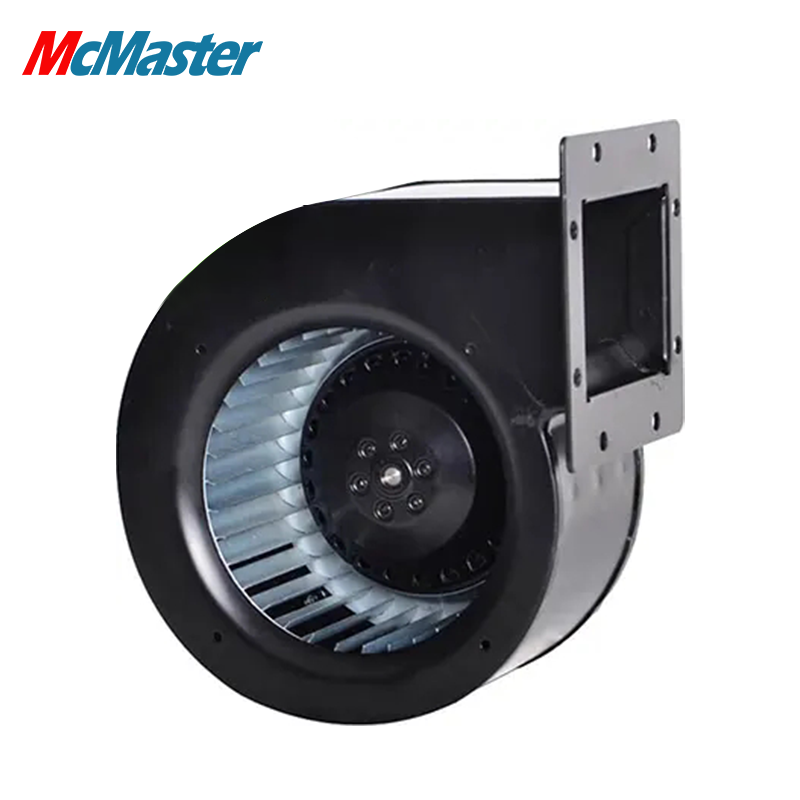
Forward curved centrifugal fans are essential components in various industrial applications, designed to efficiently move air and gases while maintaining a compact design. For purchasing managers and engineers, understanding the intricacies of these fans is crucial, especially when evaluating options for bulk orders. This article will provide practical insights into evaluating quality, installation guidelines, common issues, application versatility, and comparison criteria—all aimed at helping you make informed purchasing decisions.
When considering forward curved centrifugal fans for bulk orders, quality is paramount. Look for fans constructed from robust materials such as stainless steel or high-grade plastic, which can withstand various environmental conditions. The centrifugal fan hvac design should include features like balanced blades and precision-engineered housings to minimize vibration and maximize efficiency.
Manufacturers should provide detailed specifications, including airflow capacity, power consumption, and noise levels. Certifications such as ISO 9001 can indicate a commitment to quality. Additionally, inquire about the manufacturer’s quality control processes; a reliable supplier will conduct performance tests and offer evidence of consistent production standards. For example, it’s advisable to request sample units before placing a large order to assess performance under your specific operating conditions.
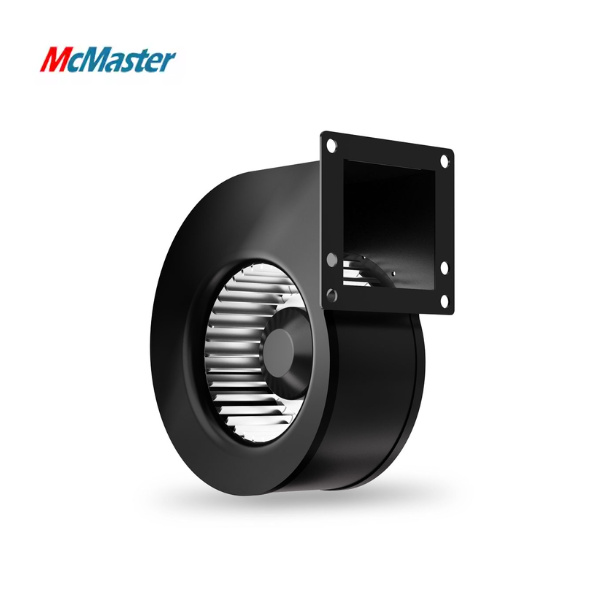
Proper installation of forward curved centrifugal fans is critical for optimal performance. Begin by ensuring that the installation site is suitable, with adequate space for airflow and maintenance access. The mounting surface should be level and sturdy to prevent vibrations that could lead to premature wear.
When installing, pay attention to the orientation of the fan. Forward curved fans are designed to operate in a specific direction, and reversing this can reduce efficiency and increase noise levels. Follow the manufacturer’s guidelines regarding electrical connections and ensure that all safety measures are in place, such as overload protection and proper grounding.
It's also important to integrate the fan with existing systems, such as ductwork or exhaust systems, to ensure compatibility. Misalignment or improper sealing can lead to significant performance losses, so it’s essential to verify all connections and measure airflow post-installation to confirm proper operation.
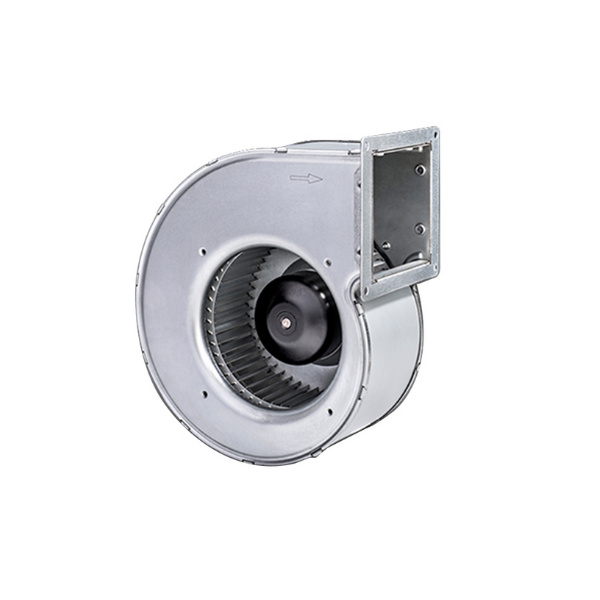
Centrifugal fans can encounter several common issues, with noise and vibration being the most prevalent. Excessive noise may indicate misalignment, imbalance, or wear in bearings. Regular maintenance checks can help identify these problems early. Implementing vibration monitoring technologies can also provide real-time data, allowing for proactive maintenance before failure occurs.
Another issue is reduced airflow, which may result from blockages in the fan or duct system. Regular inspections and cleaning schedules can prevent this problem. If airflow issues persist, it may be necessary to evaluate the fan's capacity against system requirements. If a mismatch exists, consider upgrades or modifications to optimize performance.
Lastly, fans may experience overheating due to motor issues or insufficient airflow. Ensure that the fan’s motor is appropriately sized for the application and that cooling systems are functioning correctly. Regularly consult with your supplier for maintenance tips tailored to the specific centrifugal blower fan model and its intended application.
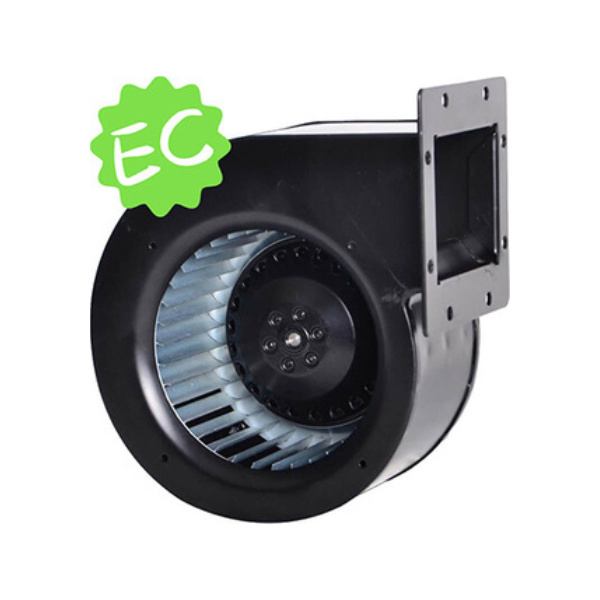
Forward curved centrifugal fans find utility in a wide array of applications across various industries, including HVAC systems, automotive manufacturing, and food processing. In HVAC systems, these fans are integral in providing air circulation, ensuring comfort and air quality in commercial buildings.
In the automotive sector, they help cool engine components and improve air circulation in manufacturing processes. Food processing facilities utilize these fans to maintain necessary environmental conditions and ensure food safety standards.
Moreover, in robotics and IoT applications, forward curved centrifugal fans contribute to cooling electronic components, thereby enhancing performance and longevity. As such, understanding the specific application requirements is essential when selecting a backward curved fan, as factors like airflow volume, pressure, and noise level will vary significantly based on use.
Committed to advancing electrification and automation, we integrate custom-built technology solutions to optimize production, reduce costs, and lower environmental impact. Our expertise in high-efficiency power systems and smart automation helps businesses achieve sustainable growth with customized solutions.
With over 20 years of experience in robotics, IoT, automotive, and healthcare industries, we offer customized technical support and engineering solutions tailored to specific business requirements. Our end-to-end custom services ensure seamless integration and long-term reliability.
From automotive manufacturing to industrial automation, consumer electronics, and medical technology, our extensive product range includes custom-designed robotics, IoT solutions, and smart automation systems. We offer flexible customization options to meet the evolving needs of global industries.
Established in 2001, we leverage our multinational expertise to deliver customized electrical and automation solutions to customers in over 150 countries. Our tailored engineering services ensure that businesses worldwide receive high-performance, industry-specific solutions that enhance efficiency and reliability.
When comparing forward curved centrifugal fans, several key criteria should guide your evaluation. Start with the fan specifications: assess airflow rates (measured in CFM), static pressure capabilities, and power consumption (watts). These figures will determine whether the fan meets your operational needs.
Next, consider the material composition of the fan. Fans made from corrosion-resistant materials will outperform those made from standard metals in humid or chemically aggressive environments. Additionally, evaluate the fan's size and weight, particularly if space constraints are an issue in your installation.
Performance characteristics such as noise levels (measured in dBA) and efficiency ratings (often reflected in airflow versus power input) should also be compared. A fan that consumes less energy while delivering the required airflow can lead to significant cost savings over time.
Lastly, factor in the manufacturer’s reputation and customer service offerings. A reliable supplier will not only provide quality products but also support in terms of installation guidance, maintenance services, and after-sales support, ensuring a smooth operational lifecycle for your fans.
By following these guidelines, you can effectively navigate the complexities of selecting forward curved centrifugal fans for your industrial applications, ensuring that you choose a solution that meets your specific requirements and delivers optimal performance.

 EN