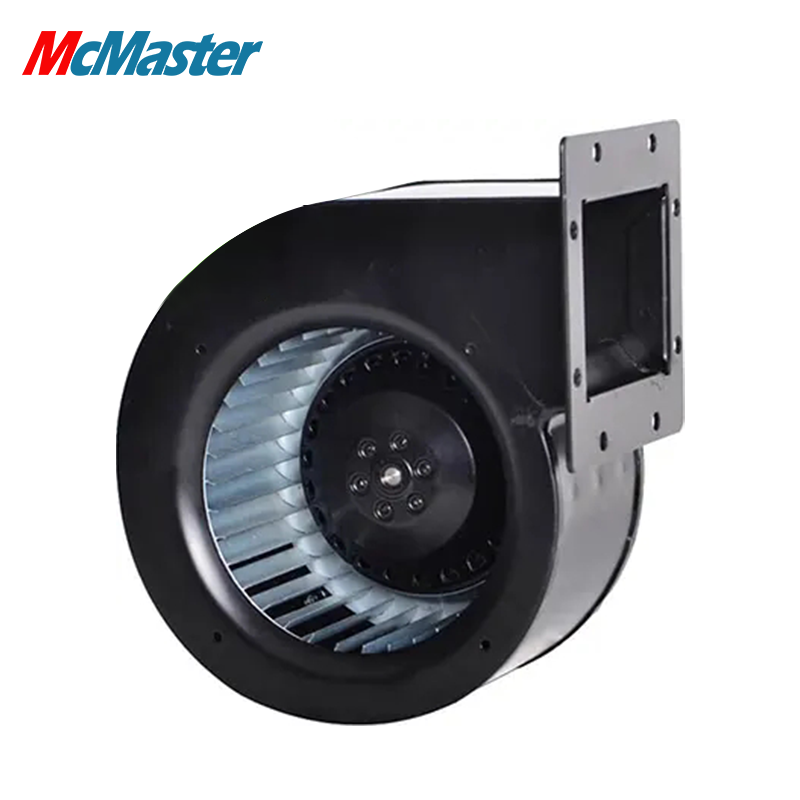
Forward curved fans are essential components in various industrial applications, providing efficient airflow and pressure in systems requiring ventilation and cooling. As a B2B buyer, understanding how to select the right forward curved fan can significantly impact the performance and efficiency of your project. This article aims to guide purchasing managers, engineers, and product managers through the critical aspects of backward curved fan, including specifications, sourcing, installation challenges, and industry applications.
Selecting the right forward curved fan begins with understanding the specific requirements of your application. Consider factors such as airflow volume, pressure requirements, and operating environment. Forward curved fans typically offer higher airflow at lower pressures, making them ideal for applications like air conditioning systems and exhaust ventilation.
When evaluating fans, one important consideration is the fan diameter and speed, as these affect the performance curve of the fan. For instance, a larger diameter fan provides greater airflow but may require more space for installation. Similarly, the speed at which the fan operates can influence energy consumption and noise levels. Buyers should also assess the intended operating environment; for example, fans used in corrosive environments may need specialized materials or coatings to ensure longevity.
It’s also crucial to consider the energy efficiency of the fan. Energy-efficient models can lead to significant cost savings over time, particularly in high-usage scenarios. A thorough evaluation of these factors ensures that the selected forward curved fan aligns with both performance expectations and budget constraints.
When sourcing McMaster Electric forward curved fans, several key specifications must be carefully evaluated:
Airflow and Pressure Ratings: Understand the cubic feet per minute (CFM) rating and static pressure requirements. This information will help determine if the fan can meet the demands of your application.
Motor Type: The motor’s specifications, including its horsepower and efficiency ratings, will affect performance and energy consumption. Consider whether a direct drive or belt drive system is more suitable for your needs.
Material Composition: The materials used in the fan’s construction can impact durability and performance. Common materials include galvanized steel, aluminum, and plastic. The choice of material should align with the environmental conditions the fan will face.
Noise Levels: Pay attention to the sound ratings (measured in decibels) to ensure the fan operates within acceptable noise limits for your environment. This is particularly important in applications like medical facilities or office buildings.
Certifications: Ensure that the fan complies with relevant industry standards and certifications, which can be crucial for applications in regulated industries such as healthcare and food processing.
By carefully examining these specifications, buyers can ensure that the ac centrifugal fan will perform effectively and reliably in their intended application.
Finding a trustworthy supplier for forward curved fans involves several strategies. Start by researching manufacturers with a solid reputation in the industry. Look for companies with extensive experience in fan production and a broad portfolio of applications. A manufacturer like Changzhou McMaster Electric, with over 20 years of experience in electrification and automation, can be a valuable partner.
Additionally, consider attending industry trade shows and conferences where you can interact with potential suppliers and discuss your specific needs. Online platforms and industry directories can also provide lists of reputable manufacturers.
When evaluating suppliers, ask for references from previous clients and examine customer reviews. Pay attention to their ability to meet lead times, customization capabilities, and quality assurance processes. Engaging with suppliers who prioritize transparency and communication can streamline the purchasing process and lead to successful long-term partnerships.
Installation of forward curved fans can present several challenges that buyers should be aware of. One common issue is ensuring proper alignment and support within the system. Misalignment can lead to increased wear and tear, noise, and reduced efficiency. To mitigate this, it is advisable to conduct a thorough site assessment prior to installation to identify the optimal positioning and support structures.
Another challenge is managing airflow dynamics. When installing multiple fans, it is critical to evaluate how they will interact with one another to avoid disruptions in airflow patterns. Buyers should consider using airflow modeling software or consulting with an engineer to optimize the fan layout.
Additionally, vibration can be a significant issue that affects fan performance and longevity. Ensuring that the fan is mounted on a stable surface and using vibration dampeners can minimize these effects. Regular maintenance checks post-installation will also help identify potential issues early, ensuring the fans operate efficiently throughout their lifecycle.
Forward curved fans are versatile components used across a multitude of industries. In the HVAC sector, they are typically employed for air conditioning and ventilation systems, providing efficient airflow to maintain comfortable indoor environments. Their ability to handle large volumes of air makes them ideal for residential and commercial buildings.
In the automotive industry, these McMaster Electric fans are used in cooling systems, ensuring optimal temperatures in engines and passenger compartments. Their lightweight construction and high airflow capabilities contribute to the overall efficiency of automotive cooling systems.
The food and beverage sector also benefits from forward curved fans, where they are used in drying and cooling processes. Their reliability and compliance with health standards make them suitable for environments requiring stringent hygiene practices.
In industrial applications, forward curved fans are often utilized in dust collection systems, helping to maintain air quality and protect worker health. Their adaptability to various operating conditions ensures they remain a preferred choice for manufacturers looking to enhance efficiency and safety in their operations.
Understanding these applications can help buyers select the right centrifugal blower fan for their specific needs, ensuring optimal performance and longevity in their systems.

 EN