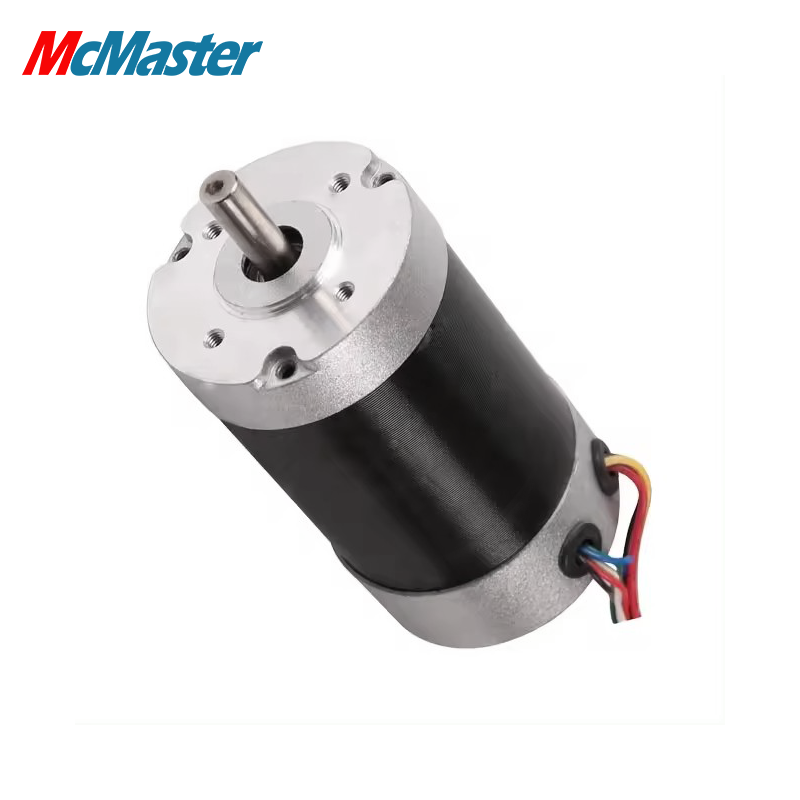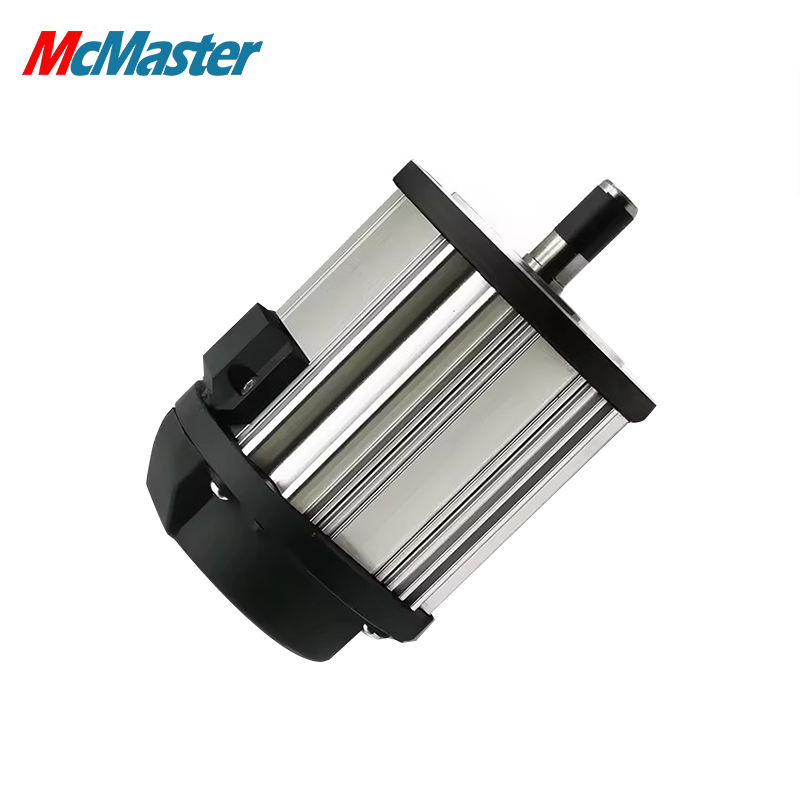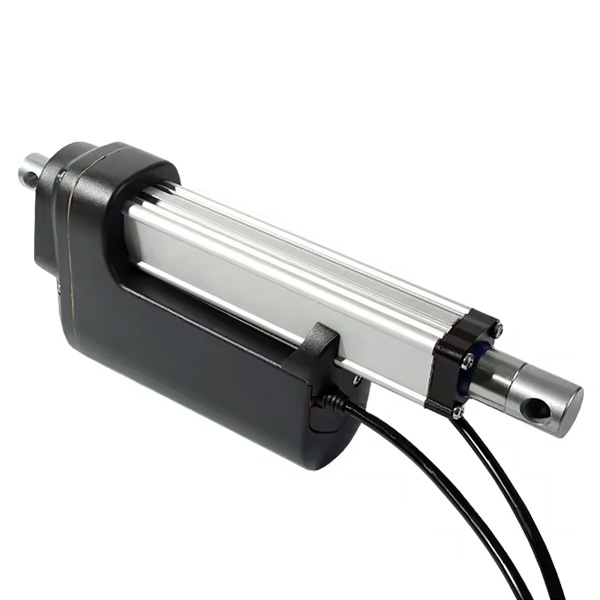
High-speed electric linear actuators are essential components used to convert rotational motion into linear motion with high precision and speed. As industries increasingly turn to automation and electrification, understanding the specifications, cost factors, common problems, installation requirements, and applications of these actuators becomes crucial for purchasing managers, engineers, and product managers. This article will delve into these aspects, providing readers with the knowledge needed to make informed decisions regarding high-speed electric linear actuator.
When selecting high-speed electric linear actuators, several key specifications must be considered:
Speed and Stroke Length: The speed at which the actuator moves and the distance it can travel are critical for ensuring that it meets the operational requirements of your application. For example, a speed of 200 mm/s with a stroke length of 500 mm may be suitable for many automation tasks.
Load Capacity: Each actuator is rated for a maximum load it can handle. Buyers must ensure that the selected electric motor linear actuator can support the weight of the application it will serve, whether in robotics, medical devices, or industrial machinery.
Precision and Repeatability: The ability of an actuator to achieve precise positioning is vital in applications like CNC machinery or automated assembly lines. Specifications often detail positional accuracy in micrometers, which should align with operational needs.
Power Supply and Control Method: Understanding the power supply requirements (e.g., DC voltage) and control methods (like PWM or analog signals) will ensure compatibility with your existing systems.
Environmental Ratings: Depending on the application, actuators may need to be rated for specific conditions such as moisture, dust, or temperature extremes. Look for IP ratings or temperature ranges that match your environment.
Understanding these specifications will help buyers select the right actuator for their specific industrial needs.
When ordering high-speed electric linear actuators in bulk, several cost factors should be taken into account:
Volume Discounts: Suppliers often provide price breaks for larger orders. Understanding the minimum order quantity (MOQ) can help in negotiating better pricing. Typically, an MOQ can range from 50 to 100 units depending on the manufacturer.
Customization Costs: If your application requires specific modifications such as unique dimensions, materials, or control systems—these customizations can significantly impact the overall cost. Buyers should discuss customization options early in the procurement process to understand potential cost implications.
Shipping and Handling: Bulk orders will incur shipping costs, which can vary based on weight, distance, and shipping method. Understanding these costs upfront will help in budgeting effectively.
Lead Times: Longer lead times might affect project schedules, especially if the actuators are critical components. Buyers should communicate their timeline needs and check the supplier’s production capacity to ensure timely delivery.
Quality Control: Ensuring that the actuators meet quality standards may require additional testing or inspections. Discussing these requirements with the supplier can help mitigate unexpected costs down the line.
By considering these factors, buyers can better manage their budget and ensure they receive the necessary components for their projects.
High-speed electric linear actuators can encounter several common issues. Here are some potential problems and their solutions:
Overheating: High-speed operation can lead to overheating, which may damage the actuator. Ensure that the electric actuator motor is rated for continuous use under your application’s conditions. Implementing proper cooling solutions or reducing duty cycles can help mitigate this issue.
Loss of Positioning: Actuators may lose their position due to missed steps or mechanical failure. To address this, ensure that the actuator's control system is calibrated correctly and that load conditions are within specified limits. Regular maintenance checks can also catch issues before they escalate.
Mechanical Binding: Misalignment or debris in the guiding system can cause binding, leading to increased wear or failure. Regular inspections and maintenance of the installation area can help prevent such occurrences.
Electrical Issues: Power supply fluctuations can lead to inconsistent performance. Using surge protectors and ensuring proper grounding can help minimize electrical issues.
By being aware of these common problems, buyers can implement preventive measures to ensure the longevity and reliability of their actuators.
Proper installation of high-speed electric linear actuators is vital for optimal performance. Here are some key points to consider:
Surface Preparation: Ensure that the surface where the actuator will be mounted is stable and free from debris. Any vibrations or instability can affect the actuator's performance.
Alignment: Proper alignment with other mechanical components is crucial. Misalignment can lead to premature wear or failure. Use alignment tools or jigs during installation to ensure the actuator is positioned correctly.
Wiring and Connections: Follow the manufacturer’s wiring diagrams carefully to avoid electrical issues. Properly securing and insulating connections can prevent short circuits or signal loss.
Testing After Installation: Once installed, conduct thorough testing to ensure that the actuator operates as expected. Checking for noise, movement smoothness, and response time can help identify any installation issues early.
Documentation: Keep a record of installation procedures and settings. This documentation can be invaluable for future maintenance or troubleshooting.
By adhering to these installation guidelines, users can maximize the efficiency and lifespan of their high-speed electric linear actuators.
High-speed electric linear actuators are versatile and find applications in multiple industries:
Automation and Robotics: In manufacturing, these actuators are used in robotic arms for tasks like assembly, welding, and packaging. Their precision and speed enhance productivity and reduce cycle times.
Medical Devices: High-speed actuators play a crucial role in medical equipment, such as diagnostic machines and surgical robots, where accuracy and reliability are paramount.
Consumer Electronics: From automated screens to camera systems, these actuators enable smooth movements and precise control, enhancing product functionality.
Automotive: In vehicles, electric linear actuators are used for adjustable seating, sunroofs, and automated closures, improving user experience and vehicle efficiency.
Aerospace: In the aerospace sector, they are utilized for controlling flaps and landing gear, where high reliability and performance are essential.
By understanding the diverse applications of high-speed electric linear actuators, purchasing managers can better assess their needs and identify suitable suppliers for their projects.

 EN