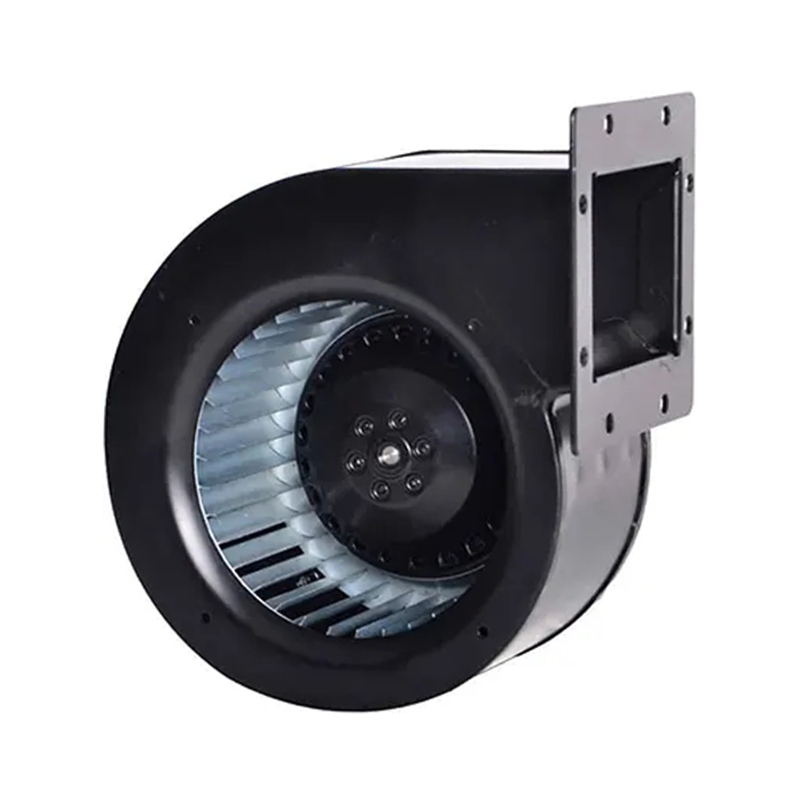
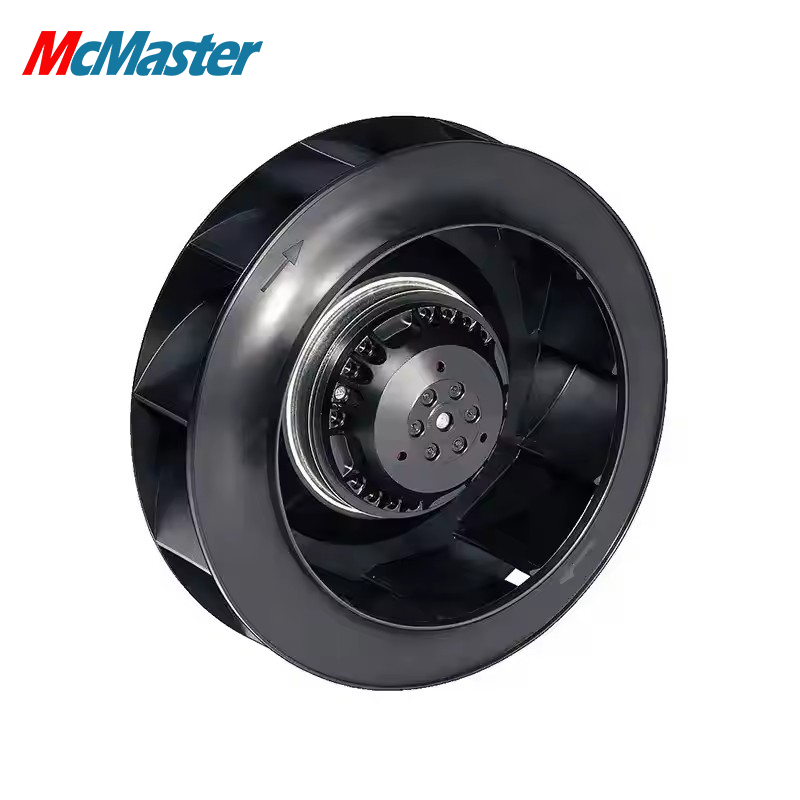
Centrifugal fan double inlets are essential components in various industrial applications, designed to enhance airflow efficiency and improve system performance. As a purchasing manager or engineer, you may have several concerns, including specifications, cost, installation, and suitable applications. This article will provide you with detailed insights into evaluating centrifugal backward curved fan double inlet models, understanding their cost factors, installation guidance, and material advantages, helping you make informed purchasing decisions.
When evaluating centrifugal fan double inlets, several key specifications are crucial for ensuring optimal performance in your application. Here are some primary aspects to consider:
Airflow Capacity: Measured in cubic feet per minute (CFM), this indicates how much air the fan can move. Selecting a model that meets your system's airflow requirements is vital; underperformance can lead to inefficiencies.
Static Pressure: This specification reflects the ac centrifugal fan ability to overcome resistance in the ductwork and other system components. Ensure the fan can handle the required static pressure for your specific setup to avoid performance issues.
Motor Power and Efficiency: Pay attention to the motor's horsepower (HP) and its efficiency rating. A more efficient motor can reduce operational costs, especially in high-use applications.
Noise Levels: Evaluate the decibel (dB) levels produced by the fan. In environments where noise is a concern, selecting a quieter model can enhance workplace comfort.
Material Construction: The materials used in the fan's construction affect durability and resistance to environmental conditions. Common materials include galvanized steel or aluminum, which can withstand various operating environments.
By understanding these specifications, you can better assess which centrifugal fan double inlet models align with your operational needs.
The cost of centrifugal fan double inlet units can vary significantly based on several factors. Understanding these elements will help you budget effectively:
Design Complexity: Custom designs or specific configurations may lead to higher costs. If your application requires unique features, be prepared for potential price increases.
Material Selection: The materials used in manufacturing the centrifugal fan hvac will impact the price. For instance, fans made from corrosion-resistant materials may cost more upfront but can save on maintenance and replacement costs in the long run.
Motor and Efficiency Ratings: Higher efficiency motors typically come at a premium but can lead to lower energy costs over time. Assess your energy consumption needs against initial costs.
Quantity and Lead Times: Bulk orders may result in discounted pricing, but shorter lead times often come with a higher price tag. Consider your inventory and project timelines when placing orders.
Customization Needs: If your application requires specific features or custom sizes, this will influence the final cost. Communicating your exact requirements to the manufacturer can help avoid unexpected expenses.
Understanding these cost factors allows you to make informed decisions that align both with your budget and operational efficiency goals.
Proper installation of centrifugal fan double inlet systems is essential for optimal performance and longevity. Here are key considerations:
Site Preparation: Ensure the installation site is clean and free from obstructions. Proper planning can prevent complications during installation.
Ductwork Compatibility: Verify that the ductwork is compatible with the fan's specifications. Mismatched duct sizes can lead to inefficiencies and increased noise levels.
Mounting and Alignment: The fan must be mounted securely and aligned correctly with the motor. Misalignment can cause excessive vibration and premature wear.
Electrical Connections: Ensure that all electrical connections comply with local codes and standards. It is advisable to use a qualified technician for electrical work.
Testing and Commissioning: After installation, conduct thorough testing to confirm that the fan operates as expected. Check airflow, pressure, and noise levels to ensure compliance with specifications.
By following these guidelines, you can facilitate a smooth installation process and ensure the fan operates efficiently in its intended environment.
Centrifugal fan double inlets are versatile and find applications across multiple industries due to their efficient airflow capabilities. Some common applications include:
HVAC Systems: In heating, ventilation, and air conditioning applications, these fans are used to circulate air, ensuring consistent temperature and air quality.
Industrial Processes: Many manufacturing processes require reliable airflow for cooling, drying, or conveying materials. Centrifugal fans are often integrated into systems to maintain operational efficiency.
Dust Collection: In industries generating dust or airborne particles, these fans play a crucial role in maintaining air quality by efficiently removing contaminants from the workspace.
Automotive: In automotive manufacturing, centrifugal fans are used in paint booths and for cooling systems, helping to maintain optimal working conditions.
Food Processing: These fans ensure proper airflow in food production facilities, aiding in drying and cooling processes while maintaining hygiene standards.
By evaluating the specific needs of your industry, you can select the appropriate centrifugal fan double inlet model to enhance productivity and efficiency.
The materials used in the construction of centrifugal fan double inlets significantly influence their performance and durability. Here are some advantages of common materials:
Galvanized Steel: This material offers excellent strength and corrosion resistance, making it suitable for a wide range of applications. Its durability ensures longevity, especially in harsh environments.
Aluminum: Lightweight and resistant to corrosion, aluminum fans are an excellent choice for applications where weight is a concern. They also provide good thermal conductivity, which can be beneficial in cooling applications.
Plastic Composites: In applications where chemical resistance is necessary, plastic composite fans can be advantageous. They are lightweight, resistant to corrosion, and can operate in highly corrosive environments.
Stainless Steel: For environments requiring high sanitation standards, stainless steel is often the material of choice. It is easy to clean and resistant to rust, making it ideal for food processing and medical applications.
Selecting the right material based on your operational environment and application requirements will enhance the performance and lifespan of your centrifugal fan double inlet systems.
By understanding these key aspects, purchasing managers and engineers can make informed decisions that align with their operational needs, ensuring they select the right centrifugal fan double inlet for their specific applications.

 EN