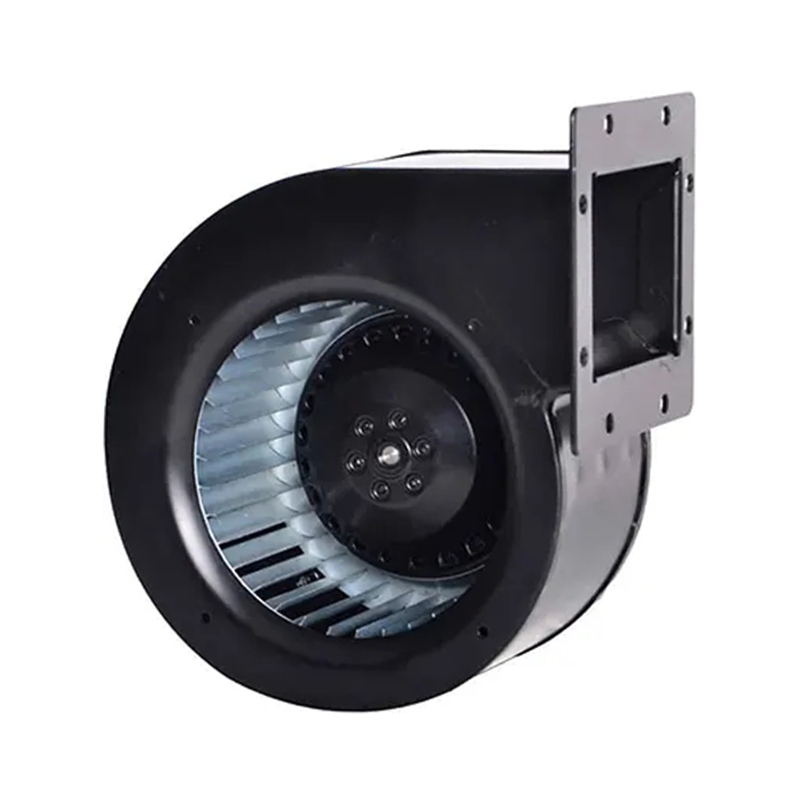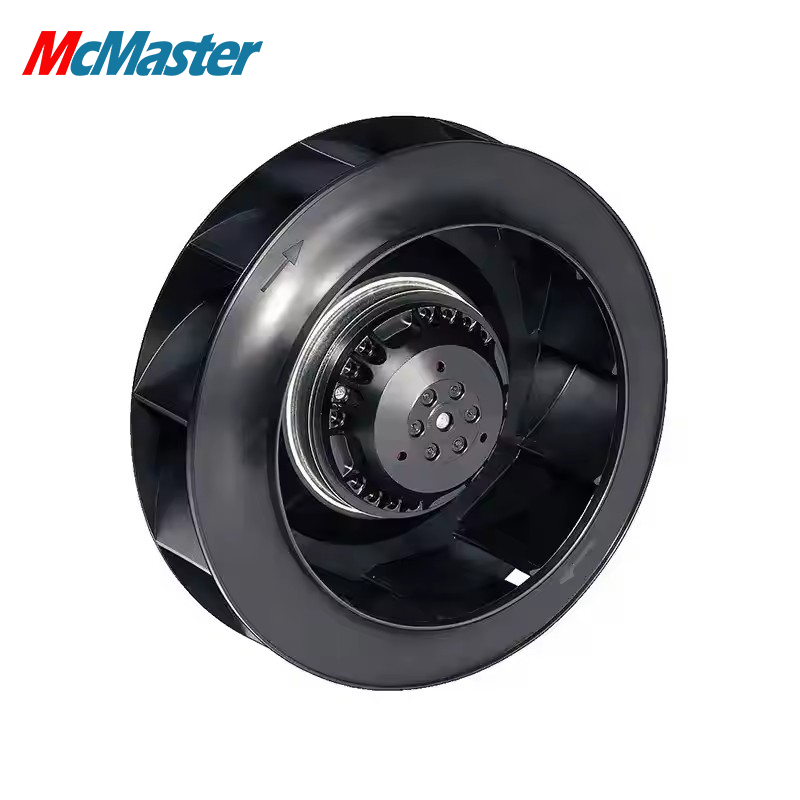
Centrifugal fans are essential components in HVAC systems, providing the necessary air movement for heating, ventilation, and air conditioning. Understanding the intricacies of centrifugal fans HVAC applications is crucial for purchasing managers and engineers who seek reliable and efficient solutions for their projects. This article will address important considerations for selecting the right McMaster Electric backward inclined centrifugal fan, key specifications to look for, sourcing options, and installation guidelines, ensuring that you make informed decisions that align with your project requirements.
When selecting a centrifugal fan for HVAC systems, several factors must be evaluated to ensure optimal performance. The primary considerations include airflow requirements, static pressure, and fan efficiency.
Airflow Requirements: Calculate the required airflow in cubic feet per minute (CFM) based on the specific application, room size, and ventilation needs. This will help in choosing a fan that can handle the required air volume.
Static Pressure: Assess the total static pressure (measured in inches of water column) that the fan needs to overcome. This includes the resistance from ductwork, filters, and other components in the HVAC system. A fan that cannot achieve the necessary static pressure will result in inadequate airflow and reduced system efficiency.
Fan Efficiency: Look for fans with high-efficiency ratings. Efficiency impacts energy consumption and operating costs. Fans designed with advanced aerodynamics can provide better performance while using less energy.
Noise Levels: Consider the noise level generated by the fan during operation. Selecting a fan with low noise levels is particularly important for applications in residential or commercial settings where comfort is a priority.
Material and Construction: The materials used in the fan's construction will affect its durability and resistance to corrosion, especially in environments with high humidity or exposure to chemicals.
By carefully evaluating these factors, buyers can select a centrifugal fan that meets their specific HVAC needs and enhances system performance.
Understanding the key specifications of centrifugal fans is vital for making an informed purchasing decision. Here are the most critical specifications to consider:
Fan Type: Centrifugal fans come in various types, including backward-inclined, forward-curved, and radial. Each type has specific performance characteristics suitable for different applications. For instance, backward-inclined fans are known for their high efficiency and lower noise levels.
Motor Power: The motor power rating, typically measured in horsepower (HP), indicates the fan's capability to perform under specific load conditions. Ensure the motor is appropriately sized for the intended application.
Speed and RPM: The fan speed, measured in revolutions per minute (RPM), affects airflow and pressure. Variable speed options can provide flexibility and energy savings in HVAC systems.
Dimensions: Understanding the physical dimensions of the fan is essential for installation compatibility. This includes diameter, width, and mounting requirements.
Performance Curve: Performance curves illustrate the relationship between airflow, static pressure, and fan speed. Reviewing these curves helps buyers understand how the fan will perform under different operating conditions.
Certifications: Verify if the fan meets relevant industry standards and certifications, which can indicate compliance with quality and safety norms.
By considering these specifications, buyers can ensure that the centrifugal fan selected will perform reliably and efficiently in their HVAC systems.
When purchasing centrifugal fans in bulk, it’s essential to follow a structured approach to ensure satisfactory procurement. Here’s a guide to help you navigate the wholesale purchasing process:
Define Requirements: Clearly outline your project specifications, including fan type, performance criteria, dimensions, and quantities needed.
Research Suppliers: Identify reputable manufacturers or suppliers with experience in HVAC applications. Look for companies that have a proven track record and positive customer reviews.
Request Quotes: Prepare a Request for Quotation (RFQ) that includes detailed specifications and quantities. This will allow suppliers to provide accurate pricing and lead times.
Evaluate Pricing: Compare quotes from multiple suppliers, considering not only the price but also factors such as delivery times, payment terms, and warranty provisions.
Quality Assurance: Inquire about the supplier's quality control processes to ensure that the fans meet the required standards. Ask for documentation or certifications that validate the quality of their products.
Lead Times: Discuss lead times for production and delivery. Ensure that the McMaster Electric ac centrifugal fan supplier can meet your project schedule.
Sample Approval: If possible, request samples before committing to a bulk order. Testing samples under actual operating conditions can help verify performance.
By following this guide, buyers can effectively navigate the wholesale purchasing process and secure centrifugal fans that meet their project needs.
Sourcing reliable centrifugal fans requires thorough research and evaluation of potential suppliers. Here are some effective strategies for finding trustworthy manufacturers:
Industry Trade Shows: Attend HVAC industry trade shows and exhibitions to connect with manufacturers and suppliers. These events often showcase the latest technologies and allow for direct discussions with representatives.
Online Marketplaces: Utilize reputable online marketplaces and directories that specialize in industrial equipment. Websites like ThomasNet or Alibaba can help you find a variety of suppliers and compare products.
Manufacturer Websites: Visit the websites of established manufacturers, such as Changzhou McMaster Electric, to explore their product offerings, technical specifications, and certifications. Look for companies that emphasize their experience in the HVAC sector.
Local Distributors: Reach out to local distributors who specialize in HVAC equipment. They often have established relationships with manufacturers and can provide valuable insights into product quality and reliability.
Referrals and Reviews: Seek referrals from industry colleagues or consult online reviews to gauge the reputation of potential suppliers. Positive feedback from other buyers can help in making an informed decision.
Request Documentation: Before finalizing a supplier, request any necessary documentation, such as product data sheets, certifications, and quality control processes. This will help ensure that the fans meet your specific requirements.
By utilizing these strategies, buyers can effectively source reliable centrifugal fans for their HVAC projects.
Proper installation of centrifugal fans is critical to their performance and longevity. Here are essential guidelines to follow during the installation process:
Site Preparation: Ensure that the installation site is clean and free of debris. Verify that all mounting surfaces are level and capable of supporting the weight of the fan.
Mounting: Follow the manufacturer's guidelines for mounting the fan. Ensure that the McMaster Electric axial fan hvac is securely fastened to prevent vibration and noise during operation.
Ductwork Connections: When connecting the fan to ductwork, ensure that the connections are airtight to prevent air leaks. Use appropriate sealing materials to enhance efficiency.
Electrical Connections: Engage a qualified electrician to handle electrical connections. Ensure that the fan is connected to the appropriate power supply and that all safety standards are followed.
Testing: Once installed, test the fan's operation under normal conditions. Check for proper airflow, noise levels, and any signs of vibration. Address any issues before the fan is put into full service.
Maintenance Schedule: Establish a routine maintenance schedule to inspect and clean the fan. Regular maintenance ensures optimal performance and extends the fan's lifespan.
By adhering to these installation guidelines, HVAC professionals can ensure that centrifugal fans operate efficiently and reliably within the overall system.

 EN