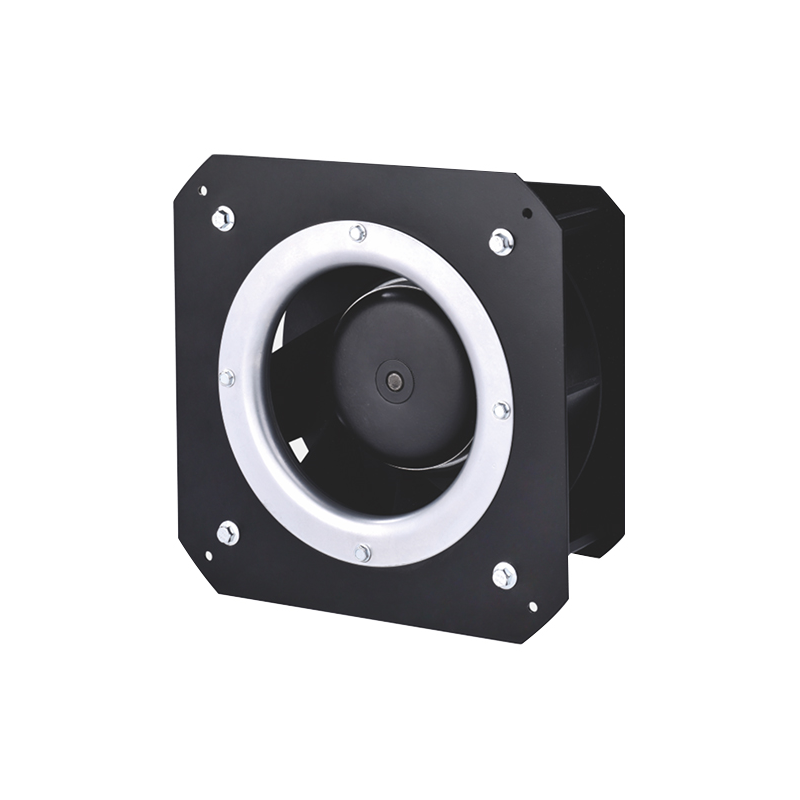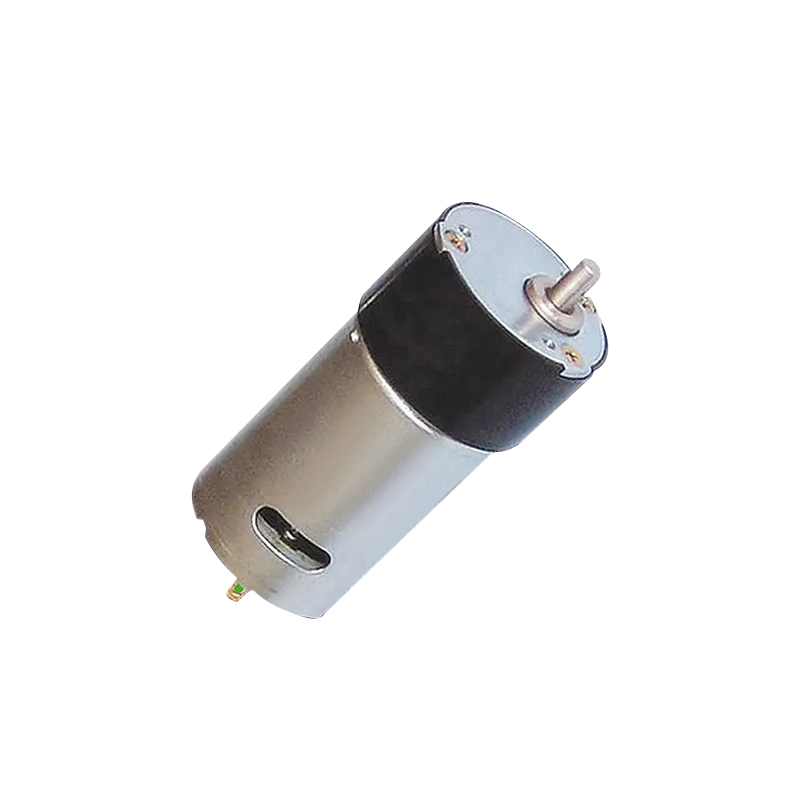
910mm axial fans are vital components in various industrial applications, designed to move air efficiently and effectively. When choosing an axial fan, B2B buyers often focus on specific aspects such as performance, reliability, and compatibility with existing systems. This article will guide purchasing managers, engineers, and product managers on key considerations when selecting 910mm axial centrifugal fan, covering selection criteria, cost factors, material advantages, application areas, and quality control measures.
Selecting the right 910mm axial fan requires a clear understanding of your project's requirements. Start by evaluating the airflow needs, measured in cubic meters per hour (m³/h) or cubic feet per minute (CFM). This specification is crucial as it determines the fan's efficiency in ventilating or cooling the designated area. Additionally, consider the static pressure requirements, which affect how well the fan can overcome resistance in ducting or filters.
Next, analyze the operating environment. Factors such as temperature, humidity, and exposure to dust or chemicals can influence the fan's material choice and design. For example, if the fan will operate in a high-temperature environment, you may need a model with heat-resistant materials. Always ensure that the centrifugal fan double inlet motor and blade design match your application to avoid performance issues.
Lastly, consult with manufacturers about customization options. Many suppliers, including Changzhou McMaster Electric, offer tailored solutions that can enhance performance for specific applications. This might include adjustments to blade design or motor specifications to better meet unique operational demands.
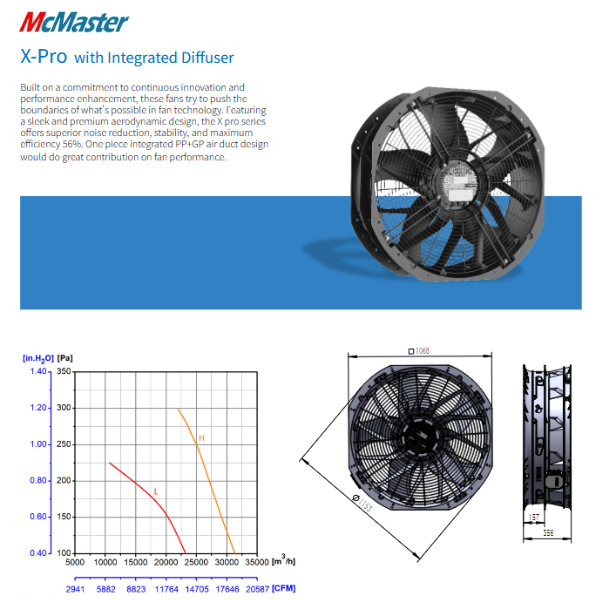
When purchasing 910mm axial fans in bulk, several cost factors come into play. The initial price per unit is influenced by the specifications and features of the fan. For example, higher performance models with advanced motor technology may come at a premium. However, consider the long-term costs associated with energy efficiency and durability—investing in a slightly more expensive fan can lead to lower operational costs over time.
Shipping and handling costs can also significantly impact the total expenditure. Factors such as location, packaging, and delivery speed should be considered when budgeting for your purchase. It's essential to verify the minimum order quantities (MOQ) as bulk orders often come with discounts, but be sure to balance that against your actual project needs.
Lastly, don't overlook potential hidden costs such as installation and maintenance. Understanding the total cost of ownership will help you make a more informed decision and negotiate effectively with suppliers.
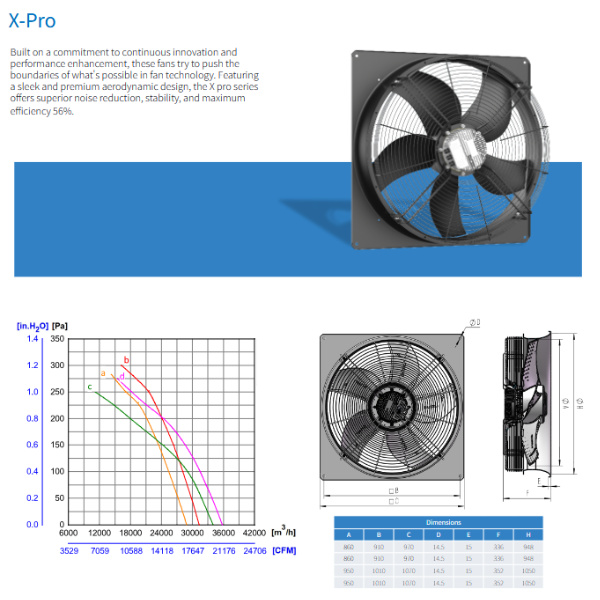
The materials used in 910mm axial fans play a critical role in their performance and longevity. Common materials include plastics, aluminum, and stainless steel. Each of these materials has distinct advantages that can influence your selection based on application needs.
Plastic fans are lightweight and corrosion-resistant, making them suitable for environments with moderate temperatures and humidity. Aluminum fans, on the other hand, offer superior strength and durability and can withstand higher temperatures, making them ideal for industrial applications. Stainless steel fans provide excellent resistance to corrosion and harsh chemicals, suitable for food processing or chemical manufacturing environments.
When evaluating materials, consider not only the environmental exposure but also the forward curved centrifugal fan expected lifespan and maintenance requirements. A higher upfront investment in durable materials can reduce long-term costs related to replacements and repairs.
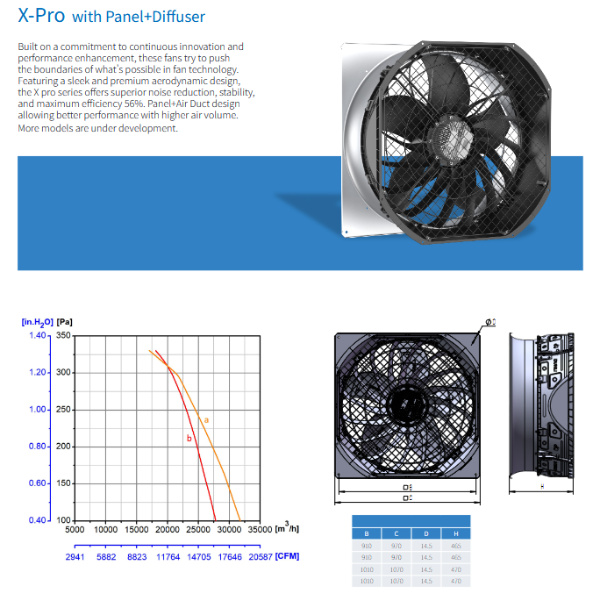
910mm axial fans find applications in diverse industries due to their efficiency in providing ventilation and cooling. In the manufacturing sector, they are widely used for cooling machinery, ensuring optimal operating temperatures and preventing overheating, which can lead to equipment failure.
In the HVAC industry, axial fans assist in air circulation within buildings, improving indoor air quality and energy efficiency. Their ability to move large volumes of air makes them ideal for use in large commercial spaces, warehouses, and even residential settings.
The automotive industry utilizes 910mm axial fans in various applications, such as engine cooling and cabin ventilation systems. In the medical field, these fans can be found in HVAC systems of hospitals and laboratories, where maintaining air quality and temperature is crucial.
Understanding the specific needs of your industry will help you identify the most suitable axial fan models and configurations for your applications.
Quality control is a vital aspect of the manufacturing process for 910mm axial fans. Established manufacturers, like Changzhou McMaster Electric, implement strict quality assurance measures throughout the production cycle. This includes rigorous testing of materials, components, and final products to ensure they meet defined performance standards.
Key quality control measures should include dimensional inspections to verify specifications such as diameter, blade pitch, and motor alignment. Additionally, performance testing under simulated operating conditions is essential to confirm airflow capacity and efficiency levels.
Certification of compliance with industry standards is another critical factor. Buyers should seek manufacturers that adhere to recognized quality management systems, such as ISO certifications, which reflect a commitment to consistent product quality and reliability.
Before finalizing your order, request documentation that outlines the quality control processes employed by the manufacturer. This transparency builds trust and ensures that the products you receive will meet your performance expectations.

 EN