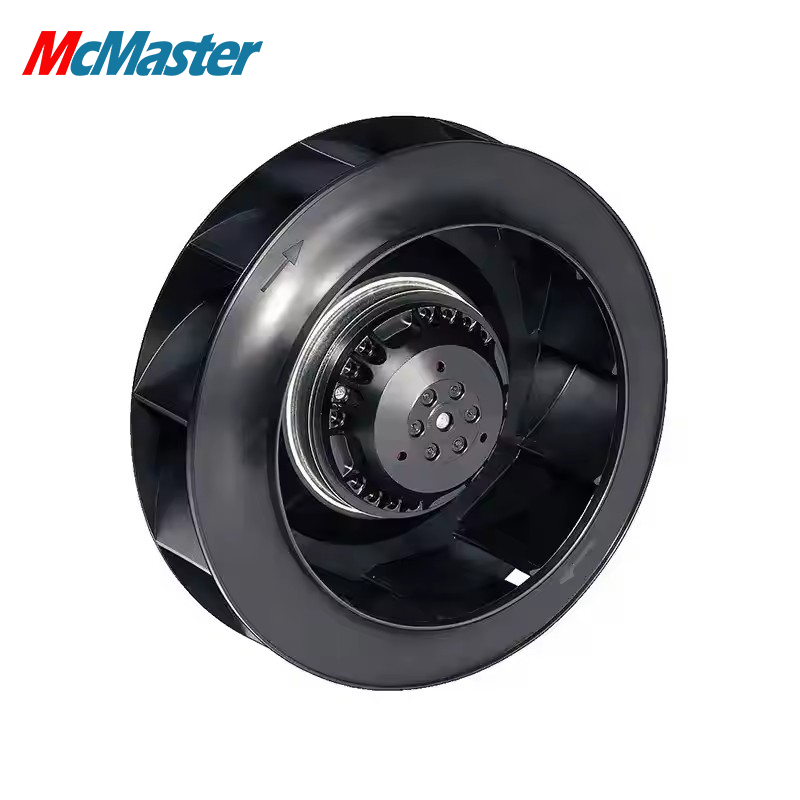
Backward curved centrifugal blowers are specialized mechanical devices designed to move air or gas efficiently in various industrial applications. They are particularly valued for their ability to handle large volumes of air while maintaining lower noise levels and higher efficiency compared to traditional blowers. For purchasing managers and engineers, understanding the specifications, quality standards, and application scenarios of these blowers is crucial for making informed decisions. This article will guide you through the essential aspects of forward curve blower, helping you select the right product for your needs.
When evaluating backward curved centrifugal blowers, several key specifications should be considered:
Airflow Rate: Measured in cubic feet per minute (CFM) or liters per second (L/s), this indicates the volume of air the blower can move. Buyers need to ensure that the blower's capacity aligns with their system requirements to maintain optimal performance.
Static Pressure: This specification, typically expressed in inches of water gauge (in WG), measures the resistance the blower can overcome. A higher static pressure indicates the blower's ability to handle ductwork and other system components that may impede airflow.
Motor Power: The power rating, often in horsepower (HP) or kilowatts (kW), affects both the blower's efficiency and operating costs. Selecting a blower with an appropriately sized motor is essential to avoid underperformance or excessive energy consumption.
Noise Levels: Noise is a critical factor in many applications; thus, understanding the sound pressure level (SPL) in decibels (dB) is essential for maintaining a safe and comfortable working environment.
Material and Construction: The choice of materials affects durability and compatibility with the operating environment, especially when dealing with corrosive or high-temperature gases. Common materials include galvanized steel, stainless steel, and thermoplastics.
Understanding these specifications helps ensure that the backward curved double inlet centrifugal blower selected will perform effectively and efficiently in its intended application.
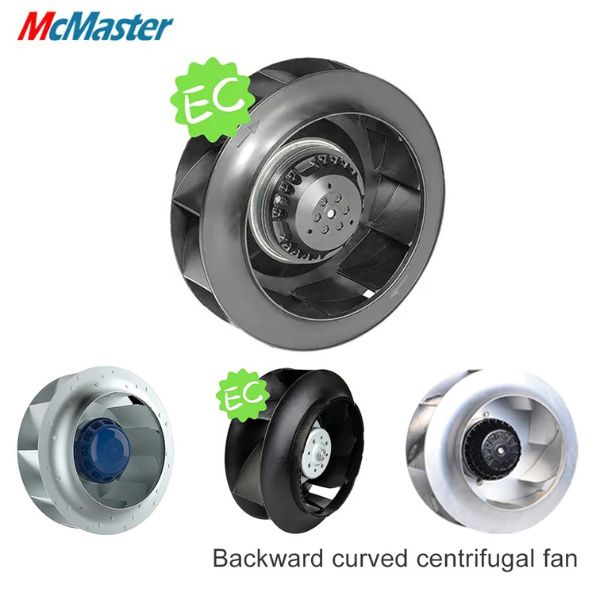
Selecting the appropriate backward curved centrifugal blower involves several considerations:
Application Requirements: Identify the specific application for which the blower will be used. For instance, blowers used in HVAC systems may require different specifications compared to those used in industrial processes.
System Compatibility: Ensure the blower's dimensions and performance characteristics match the existing system. Improper sizing can lead to inefficiencies and increased operational costs.
Customization Options: Assess whether the blower can be customized to meet specific needs, such as altered dimensions, specific motor types, or tailored inlet/outlet configurations. Customization may be necessary for unique industrial environments.
Energy Efficiency: Look for blowers that comply with energy efficiency standards. This not only reduces operational costs but also contributes to sustainability goals, a growing concern in today's industrial landscape.
Supplier Reputation: Choose a supplier with a strong reputation and proven experience in manufacturing backward curved centrifugal blowers. A reliable supplier can provide valuable insights and support during the purchasing process.
By considering these factors, buyers can make more informed decisions that align with their operational requirements and budget constraints.
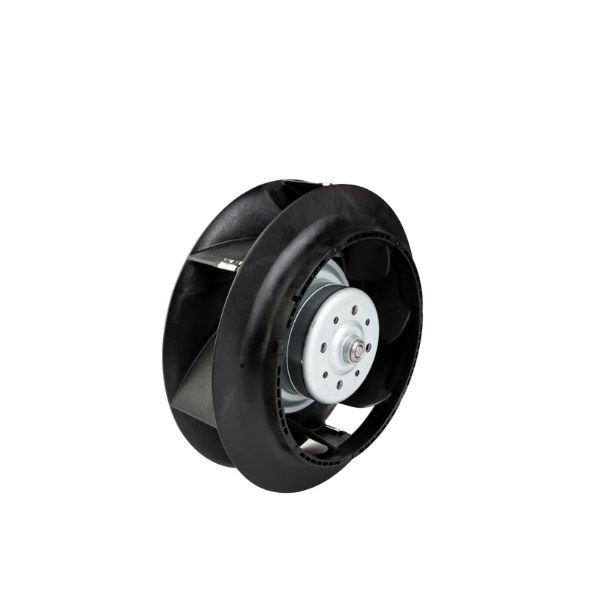
Quality control is paramount in the manufacturing of backward curved centrifugal blowers. Buyers should consider the following aspects when evaluating a supplier's quality standards:
Manufacturing Certifications: Look for suppliers that hold relevant certifications, such as ISO 9001, which indicates a commitment to quality management systems. This certification can assure buyers that the manufacturing processes meet international standards.
Testing Procedures: Inquire about the testing procedures implemented during production. Blowers should undergo rigorous testing for airflow, sound levels, and durability to ensure they meet specified performance criteria.
Material Inspection: Ensure that raw materials are subject to thorough inspection and testing. This step is crucial for maintaining product integrity and performance, especially in demanding environments.
Continuous Improvement Practices: A supplier that employs continuous improvement methodologies, such as Six Sigma or Kaizen, is likely to produce higher quality products. These practices help identify and eliminate defects in manufacturing.
Customer Feedback and Warranty Policies: Review customer feedback on product performance and the supplier's warranty policies. A strong warranty can indicate confidence in product quality and performance.
By evaluating these quality control standards, buyers can mitigate the risk of receiving subpar products that may disrupt operations or require costly replacements.
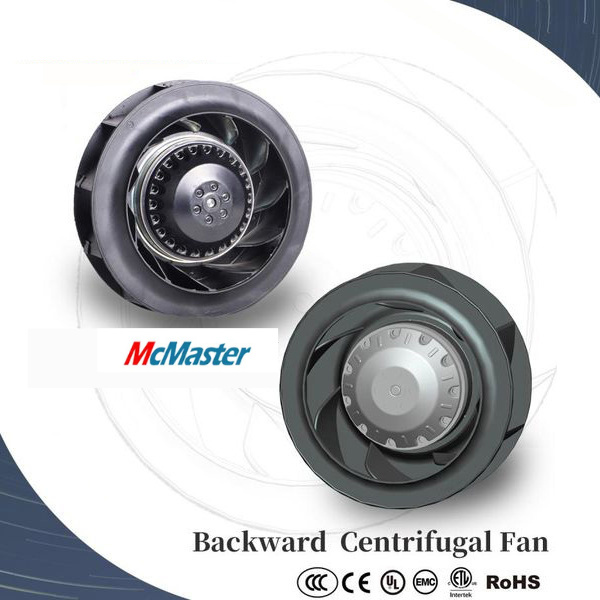
Finding a reputable supplier for backward curved centrifugal blowers involves several strategies:
Industry Associations: Joining industry associations or trade organizations can provide access to a network of reputable manufacturers. These associations often have directories of members who specialize in specific products.
Trade Shows and Expos: Attending industry trade shows allows buyers to connect directly with manufacturers, see products firsthand, and gather information on various suppliers. This face-to-face interaction can be invaluable for building relationships.
Online Marketplaces: Platforms such as Alibaba or ThomasNet can help buyers find suppliers from around the world. However, it's crucial to vet these suppliers through reviews and ratings to ensure reliability.
Referrals and Recommendations: Seek recommendations from industry peers or colleagues who have experience with backward curved centrifugal blowers. Their insights can lead to trustworthy suppliers.
Supplier Websites: Review supplier websites for product catalogs, technical documentation, and customer testimonials. A professional website can indicate a supplier's commitment to quality and customer service.
Utilizing these strategies can help buyers identify reliable suppliers that meet their specific needs and requirements.
Backward curved centrifugal blowers are versatile and can be used in various industrial applications, including:
HVAC Systems: These blowers are commonly used in heating, ventilation, and air conditioning systems to ensure efficient air circulation and temperature control.
Industrial Processes: In manufacturing environments, blowers are used for cooling, drying, and conveying materials. Their ability to handle large volumes of air makes them ideal for these applications.
Dust Collection Systems: Many industrial facilities utilize backward curved centrifugal blowers in dust collection systems to maintain clean air quality and comply with environmental regulations.
Combustion Air Supply: These blowers provide the necessary air supply for combustion processes in boilers and furnaces, ensuring optimal fuel efficiency and reduced emissions.
Medical Equipment: In the medical industry, backward curved centrifugal blowers are utilized in equipment such as ventilators and anesthesia machines, where precise airflow is essential for patient care.
Understanding these application scenarios helps buyers identify how backward curved ec centrifugal blower can enhance their operations and meet specific industry requirements. By aligning product selection with application needs, organizations can achieve greater efficiency and reliability.

 EN