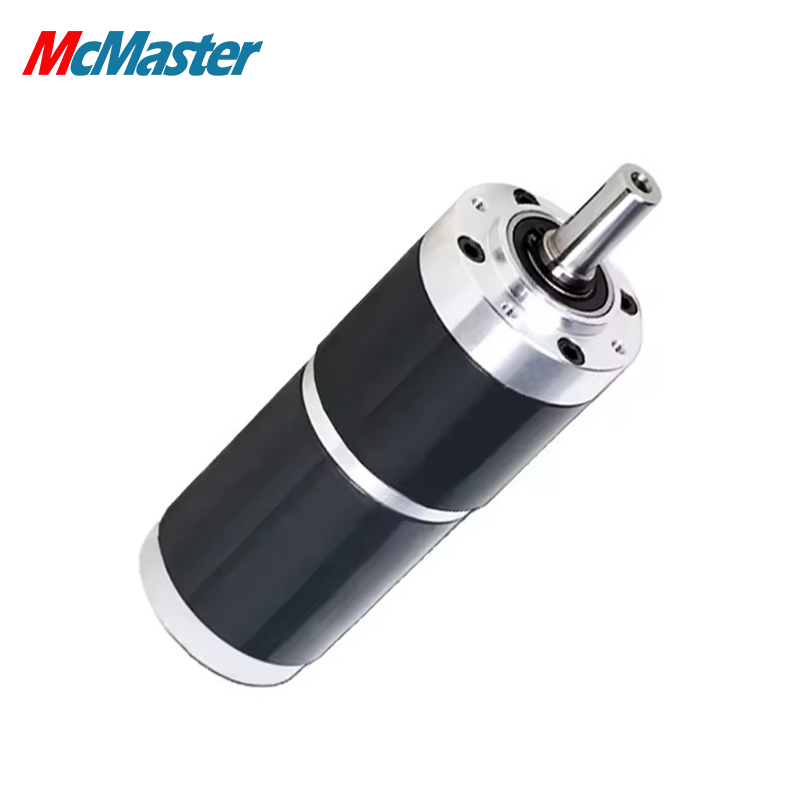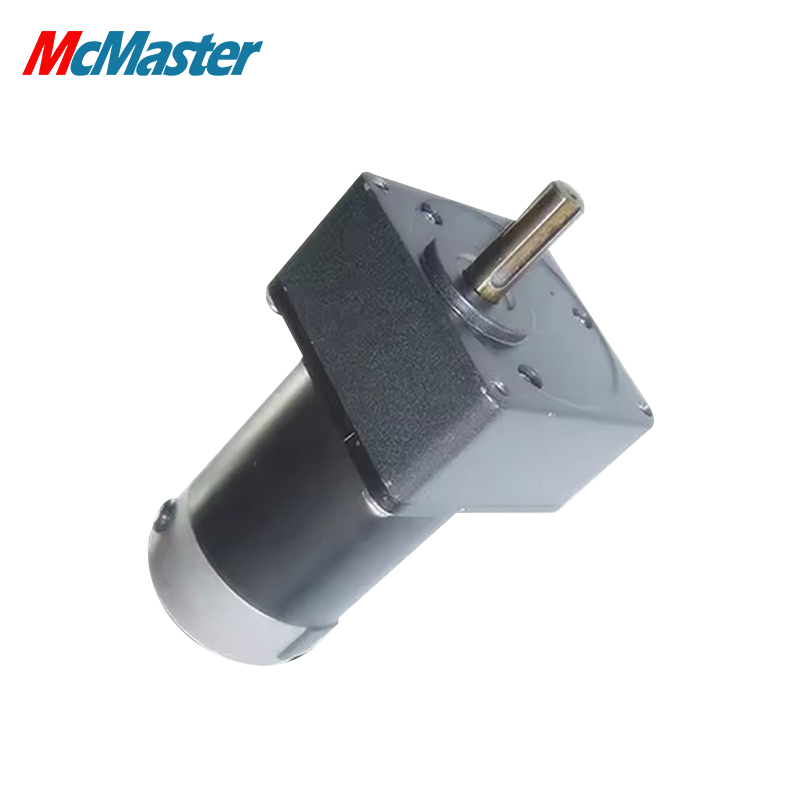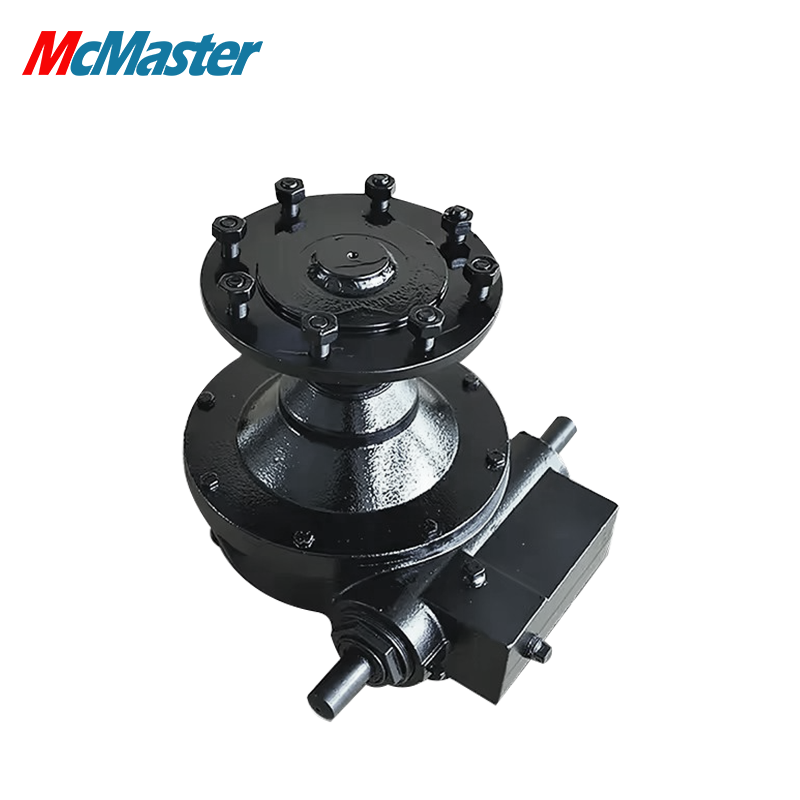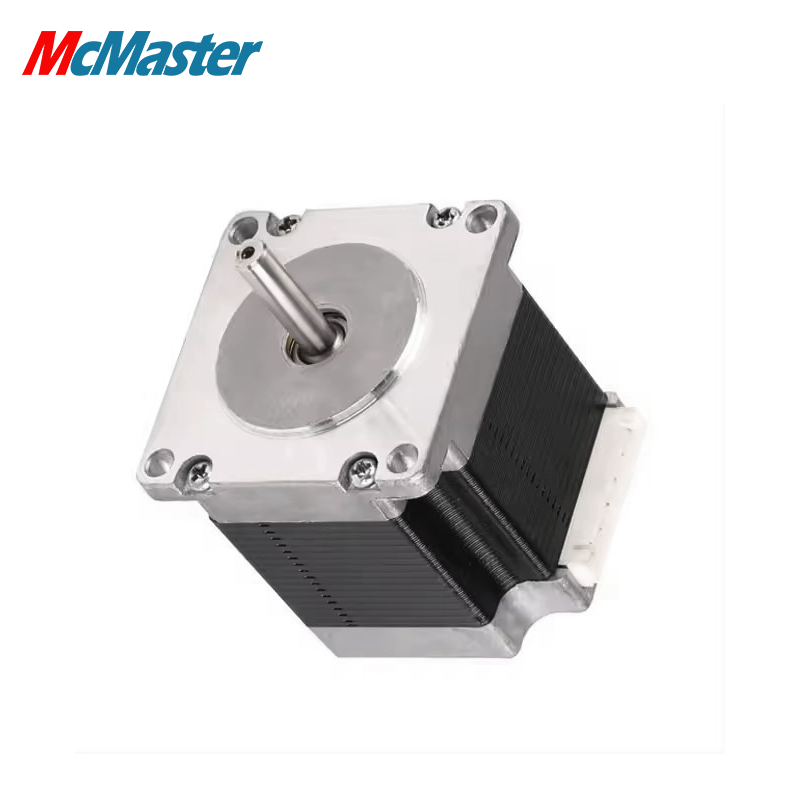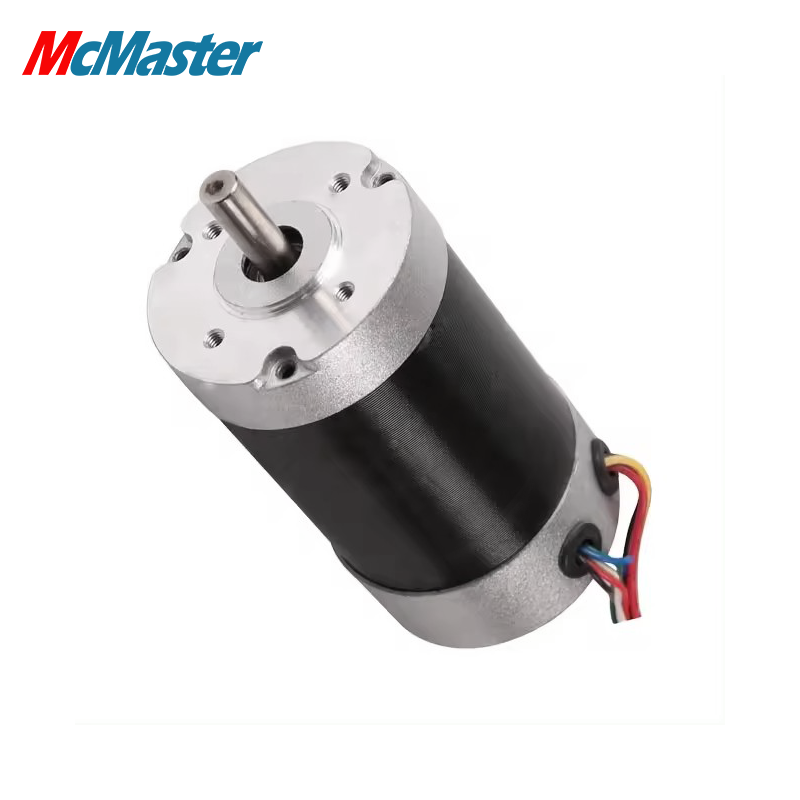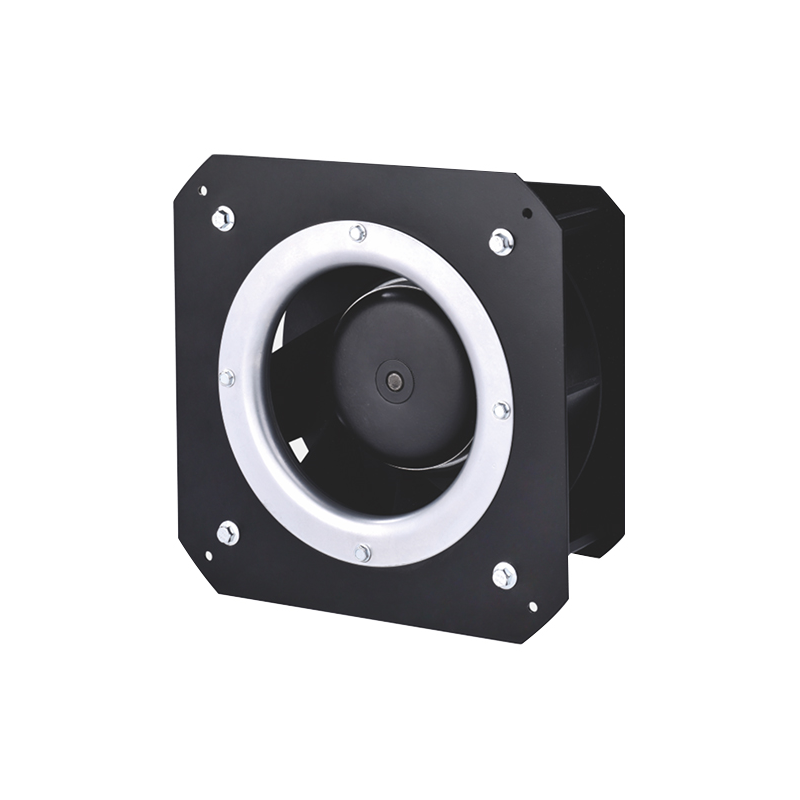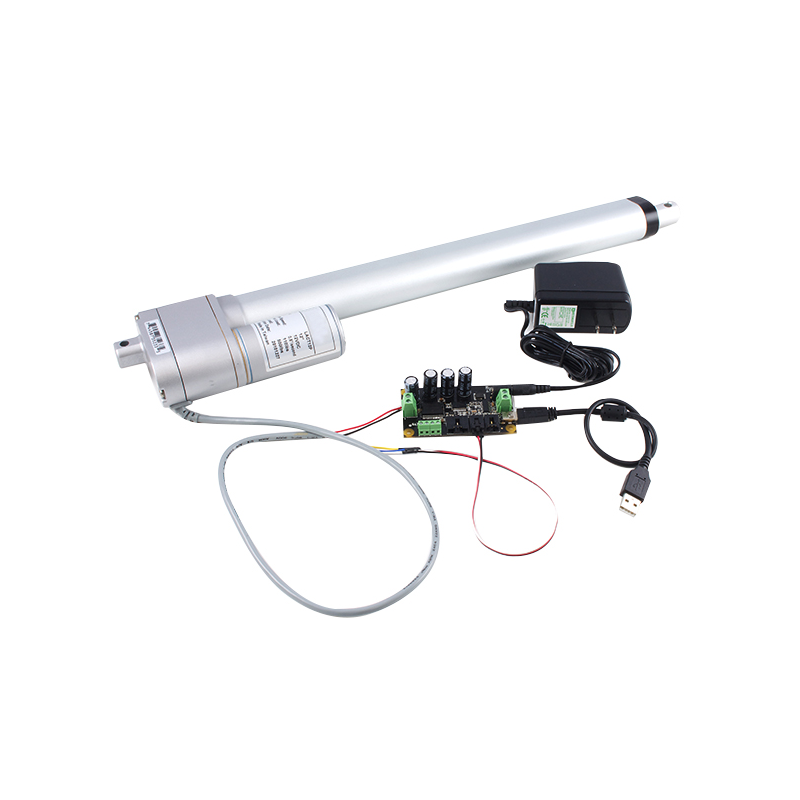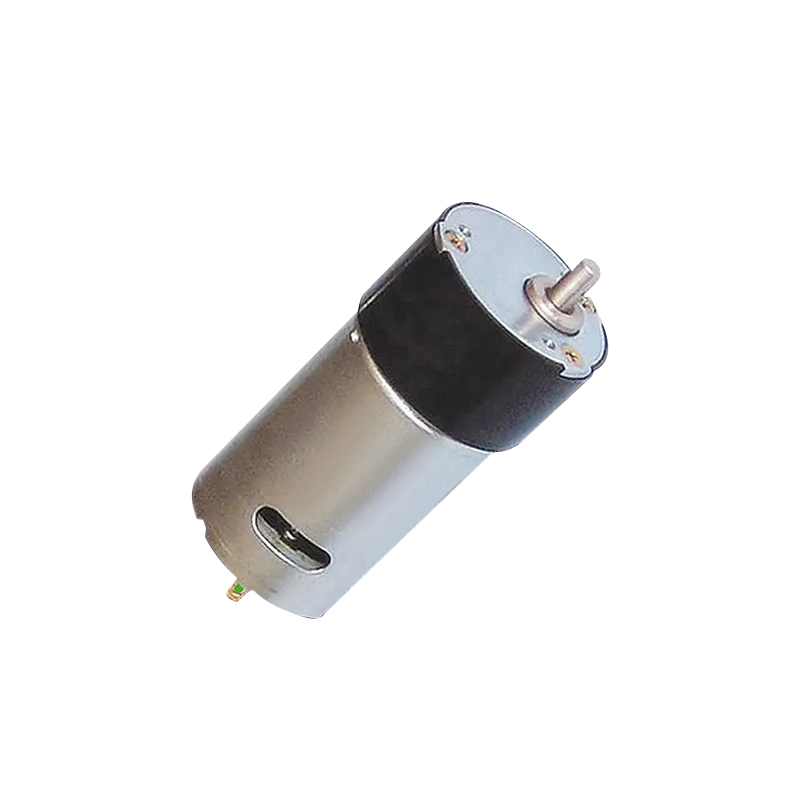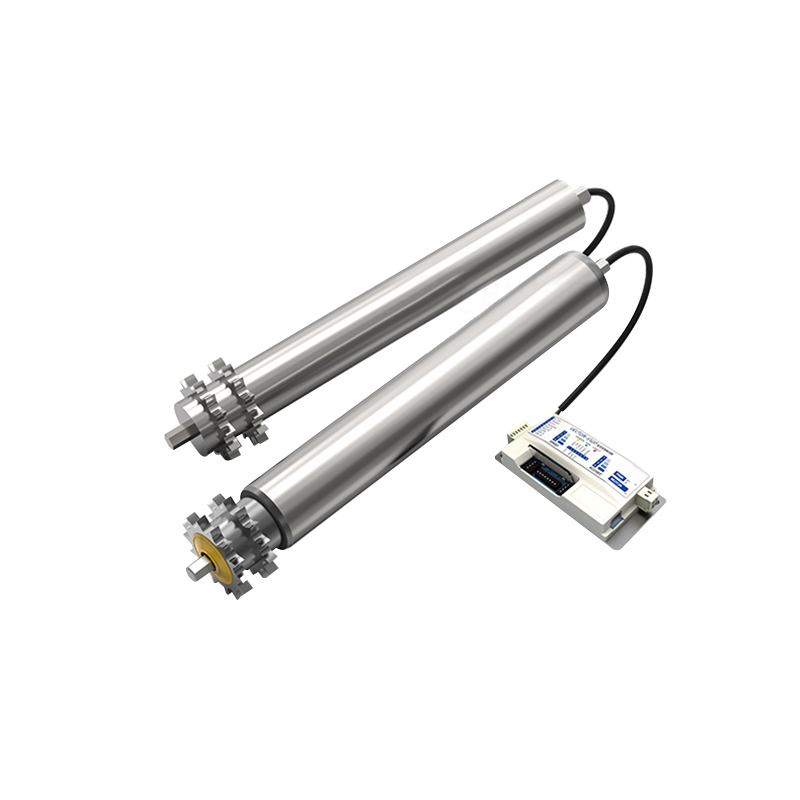
BLDC electric motors, or Brushless DC electric motors, are a vital component in various applications ranging from consumer electronics to industrial automation. These 24v bldc motor are known for their efficiency, reliability, and compact design, making them highly sought after by purchasing managers, engineers, and product managers. When evaluating BLDC electric motors for your projects, understanding specifications, quality factors, and cost implications is crucial to making informed purchasing decisions. This article will guide you through the essential considerations for selecting and evaluating BLDC electric motors.
Selecting the appropriate BLDC electric motor involves assessing several key factors tied to your specific project requirements. First, consider the application for which the motor will be used. For instance, motors used in robotics may require high torque and precise speed control, while those for consumer electronics may prioritize compactness and weight.
Next, evaluate the required performance specifications. Key specifications include voltage, current, speed (RPM), and torque output. For example, a motor designed for automotive applications may need a higher torque rating compared to one used in IoT devices. Furthermore, operational conditions such as temperature range, exposure to moisture, and potential chemical contact should also inform your choice.
Lastly, consider the motor’s form factor and mounting options. The physical dimensions and weight of the brushless dc bldc motor must align with your design constraints, ensuring it fits seamlessly into your product without compromising performance.
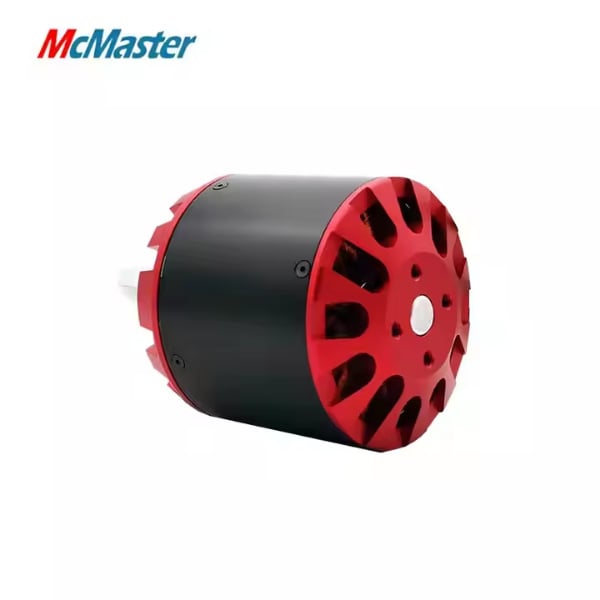
In addition to application-specific requirements, several general considerations can enhance your selection process.
Efficiency: BLDC motors are often more efficient than their brushed counterparts, leading to less heat generation and longer operational life. Look for motors with high efficiency ratings to minimize energy costs.
Control Method: Determine how the motor will be controlled via pulse-width modulation (PWM) or through a more complex controller. This decision can significantly impact the motor's performance and integration into your system.
Customization Needs: Evaluate if you require modifications or customizations to meet your specific application needs. Understand the manufacturer's capabilities regarding custom designs, which can include changes in size, power ratings, or even special materials.
Lead Times and Availability: Check the manufacturer's production capacity and lead times, especially if you anticipate high volume orders. This can affect your project timelines significantly.
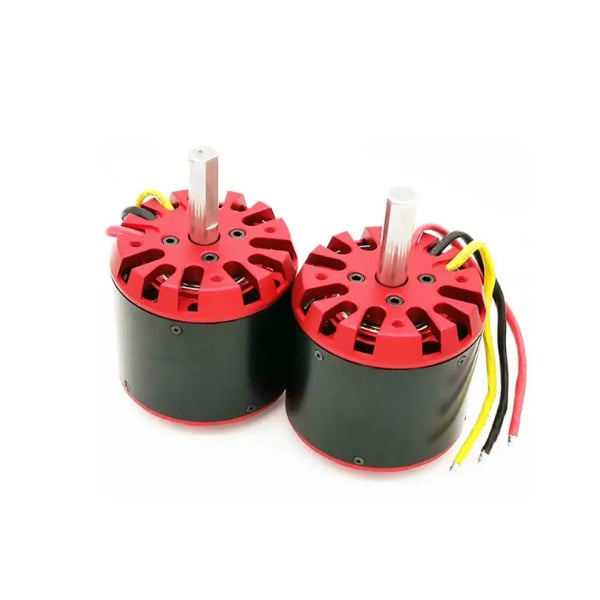
When comparing different BLDC electric motors, a systematic approach to specifications is essential. Start with a side-by-side comparison of critical metrics such as:
Voltage Rating: Ensure compatibility with your power supply.
Torque and RPM: Match these to your application’s operational needs. For instance, higher torque ratings are crucial for applications requiring heavy lifting.
Physical Dimensions: Verify that the motor's size fits within your design parameters.
Efficiency Ratings: Look for motors with high efficiency to reduce energy consumption and heat output.
It is also beneficial to consider the motor's thermal characteristics, how it dissipates heat during operation. Motors that can maintain performance under higher temperatures may be more suitable for demanding environments.
Lastly, take note of the manufacturer's quality certifications. While Changzhou McMaster Electric has extensive experience and a focus on quality, it is still essential to verify any claims through documentation, especially when comparing multiple suppliers.
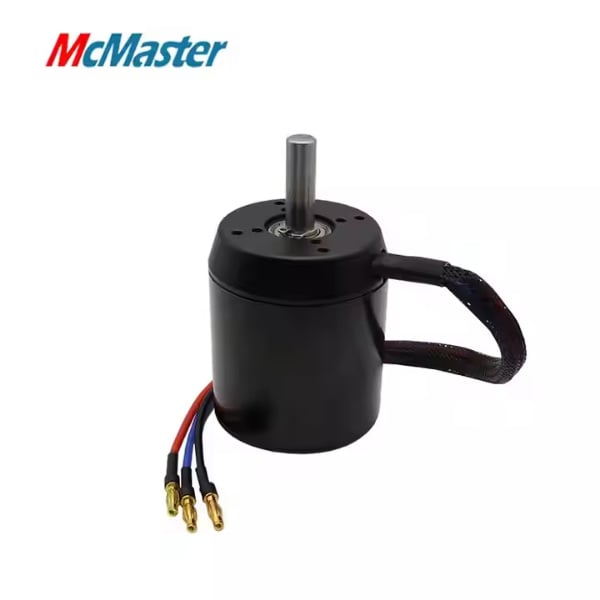
Quality control is paramount when ordering BLDC electric motors in bulk. Before finalizing your order, consider the following evaluation criteria:
Sample Testing: Request samples to assess performance under actual operating conditions. This is critical to identify any issues that might not be apparent through specifications alone. Testing should cover torque output, speed control, and thermal performance.
Production Consistency: Inquire about the manufacturer's quality assurance processes. Consistent quality is vital, especially for repeated orders where variations can lead to product failures or increased warranty claims.
Material Quality: Understand the materials used in the motor’s construction. High-quality materials contribute to durability and performance, particularly in demanding applications.
Inspection Protocols: Evaluate the manufacturer’s inspection methods. Reliable manufacturers will have robust quality control measures, including in-process inspections and end-of-line testing.
Certifications: Ensure that the motors meet relevant industry and safety standards. Certificates can include ISO, CE, or UL certifications, which indicate compliance with international quality benchmarks.
Cost considerations for BLDC electric motors extend beyond the unit price. Here are several key factors that can influence overall costs:
Volume Discounts: Manufacturers often provide tiered pricing based on order quantity. Understanding the minimum order quantity (MOQ) and pricing structure can help you budget effectively.
Customization Costs: If your project requires custom features or modifications, factor in these additional costs. Customization can range from slight adjustments in size to more complex changes in performance characteristics.
Shipping and Handling: Evaluate shipping costs, especially for bulk orders. Shipping methods, weight, and destination can significantly impact the total cost.
Lead Time Implications: Longer lead times can delay project timelines, potentially affecting other costs associated with your project. Aligning your order timing with production schedules can mitigate unexpected costs.
Long-term Value: Consider the total cost of ownership, including energy consumption and maintenance needs. A higher initial investment in a more efficient motor may save money in the long run through reduced operational costs.
By considering these factors, you can make informed decisions that align with both your budget and operational needs, ultimately leading to successful project outcomes.

 EN