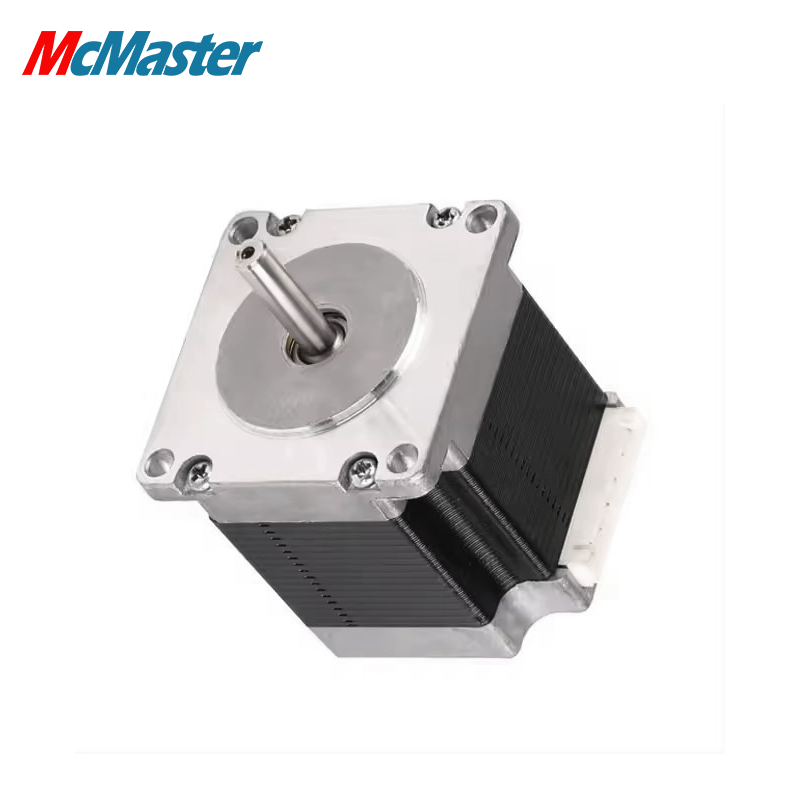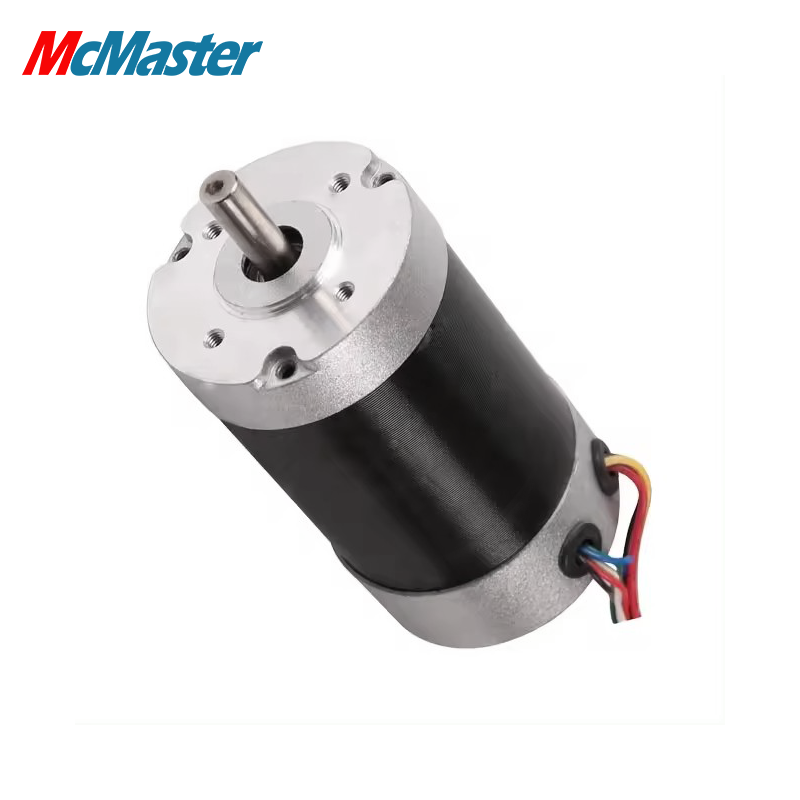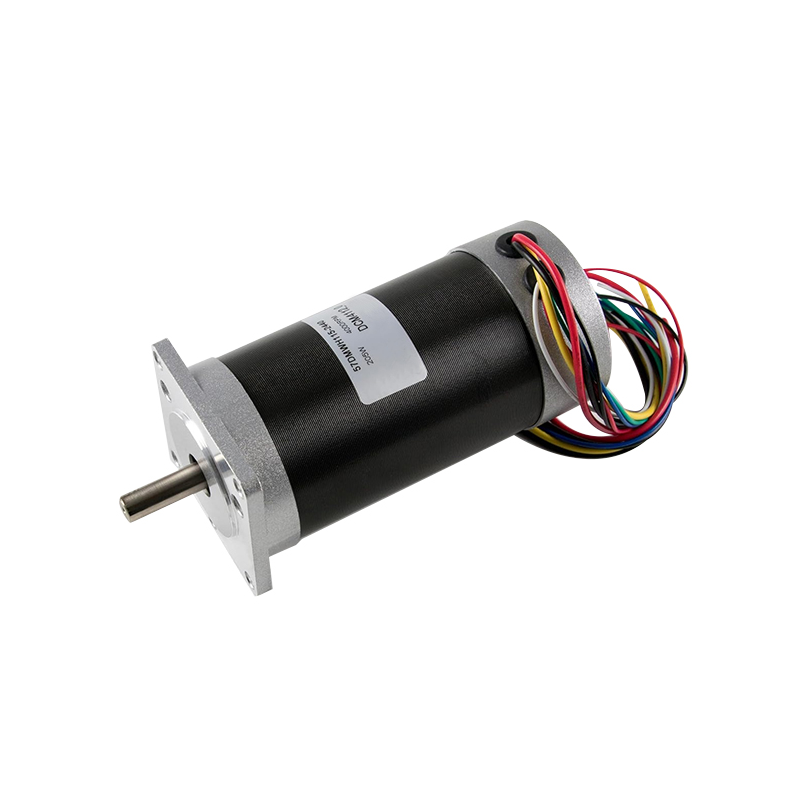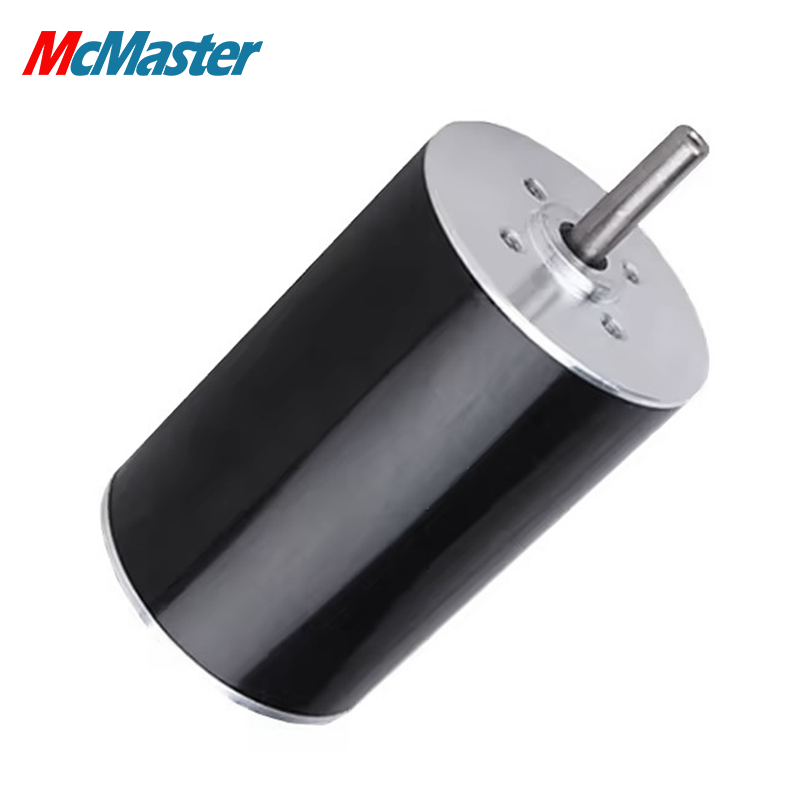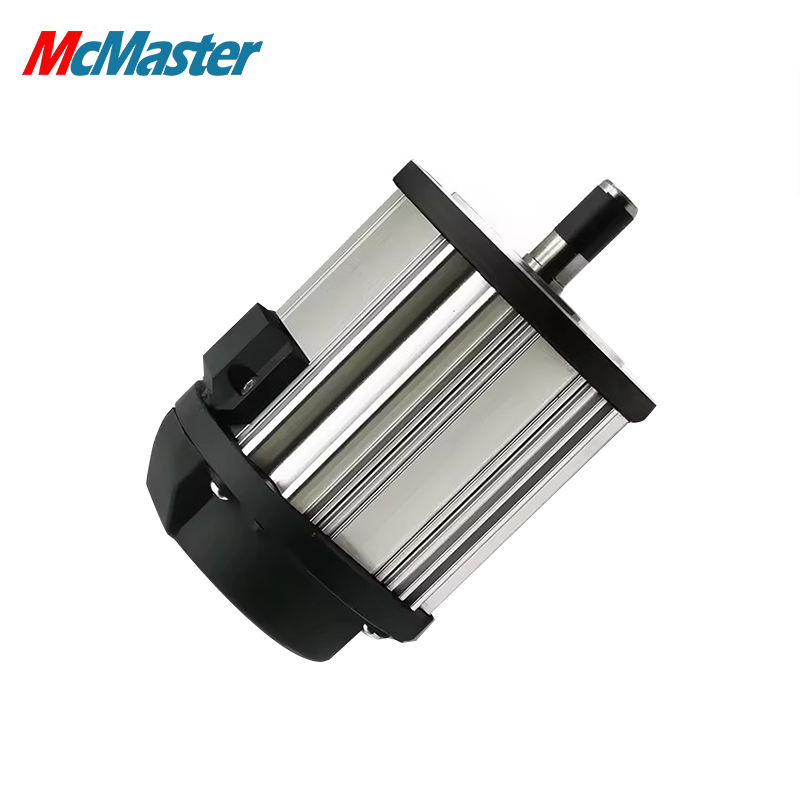
Brushless EC motors are a vital component in various industrial and commercial applications, providing efficient and reliable performance. For purchasing managers, engineers, and product managers, understanding the key specifications, quality evaluation methods, cost factors, and potential issues with these motors is essential for making informed decisions. This article aims to guide you through these considerations, ensuring you can source the right brushless EC motors for your specific needs.
When evaluating brushless EC motors for wholesale purchases, several key specifications should be considered:
Voltage and Current Ratings: Brushless EC motors come in various voltage and current ratings, which dictate their compatibility with different applications. Ensure the motor can operate efficiently within the voltage range of your system.
Torque and Speed Characteristics: The torque rating indicates how much force the motor can exert, while the speed rating provides information on how fast it can rotate. Understanding these parameters is crucial for applications requiring precise control and performance.
Efficiency Ratings: Efficiency is a critical factor for reducing operational costs. Look for motors with high efficiency ratings, typically represented as a percentage. Higher efficiency means less energy is wasted as heat.
Size and Weight: The physical dimensions and weight of the motor can impact installation and integration into existing systems. Ensure that the dimensions fit within your design specifications.
Operating Temperature Range: Brushless EC motors like ec fan ahu are designed to operate within certain temperature limits. Understanding these limits is vital to prevent overheating and ensure longevity.
Control Method: Different brushless EC motors may utilize various control methods, such as PWM (Pulse Width Modulation) or analog control. Choose a motor that aligns with your control system for optimal performance.
Evaluating the quality of brushless EC motors is crucial, especially when placing bulk orders. Here are some effective methods:
Request Samples: Before committing to a large order, request samples to evaluate performance under actual operating conditions. Inspect for any discrepancies in torque, speed, and efficiency compared to specifications.
Review Certifications: Ensure the motors comply with relevant industry standards and certifications, such as ISO 9001 or CE marking. These certifications indicate adherence to quality management and safety standards.
Manufacturing Process Transparency: A reputable supplier should provide insight into their manufacturing processes. Inquire about the materials used, assembly methods, and quality control measures in place to ensure consistent quality.
Testing Procedures: Understand the testing procedures the manufacturer employs. Look for suppliers who perform rigorous testing, including thermal, electrical, and mechanical tests, to ensure reliability and performance.
Warranty and Support: Evaluate the warranty offered and the level of technical support available. A robust warranty indicates confidence in product quality, while accessible support can assist with any operational issues post-purchase.
Cost considerations are critical when sourcing brushless EC motors for bulk orders. Here are the primary factors influencing pricing:
Material Costs: The materials used in the construction of brushless EC motors, such as rare earth magnets or high-grade copper windings, directly impact costs. Higher quality materials may lead to better performance and longevity but can increase initial costs.
Volume Discounts: Many manufacturers offer pricing tiers based on order volume. The larger the order, the more significant the potential discount. Be sure to negotiate these terms when discussing bulk purchases.
Customization Options: Custom features or specifications, such as unique mounting options or tailored performance characteristics, can increase costs. Assess whether these customizations are essential for your application.
Shipping and Handling Fees: Consider the logistics involved in transporting the motors. Shipping costs can vary significantly based on the supplier’s location and the size of the order. Ensure these costs are factored into your total budget.
Total Cost of Ownership: While the upfront cost is crucial, consider the total cost of ownership, including energy consumption, maintenance, and potential downtime. A higher quality motor may have a higher initial cost but offer savings over time through better efficiency and reliability.
Finding reputable suppliers is essential for sourcing high-quality brushless EC motors. Here are some strategies:
Industry Trade Shows: Attending trade shows can provide direct access to multiple manufacturers and suppliers, allowing you to evaluate products and establish relationships in person.
Online Marketplaces and Directories: Websites like Alibaba, ThomasNet, and Maker’s Row can connect you with verified manufacturers. Look for suppliers with positive reviews and a track record of reliability.
Industry Associations: Joining industry associations can provide resources for finding reputable suppliers. These organizations often have directories or recommendations based on member experiences.
Referrals and Networking: Leverage your professional network to gain insights into reliable suppliers. Colleagues in the industry can provide valuable recommendations based on their experiences.
Manufacturer Websites: Research manufacturers like Changzhou McMaster Electric, known for their expertise in brushless dc electric motor production. Review their product offerings, certifications, and case studies to gauge their credibility.
While brushless EC motors are generally reliable, several common problems can arise. Understanding these issues and their solutions is essential for effective management:
Overheating: Overheating can occur if the motor operates beyond its rated temperature range. Ensure proper cooling mechanisms are in place, such as heat sinks or adequate ventilation, to prevent thermal damage.
Signal Interference: Brushless EC motors can be susceptible to electrical noise, which can lead to erratic performance. Implement proper shielding and grounding techniques to minimize interference from other electrical components.
Bearing Failure: Bearings can wear out over time, leading to increased friction and potential motor failure. Regular maintenance and appropriate lubrication can extend bearing life.
Insulation Breakdown: Insulation failure can result in short circuits and motor failure. Regularly inspect bldc electric motor windings and insulation materials for signs of wear or damage.
Control System Issues: Problems with the control system can affect motor performance. Ensure compatibility between the motor and the control system, and regularly update software to maintain optimal performance.
By understanding these common issues and their solutions, purchasing managers can better prepare for potential challenges and ensure the longevity and reliability of their brushless EC motors.

 EN