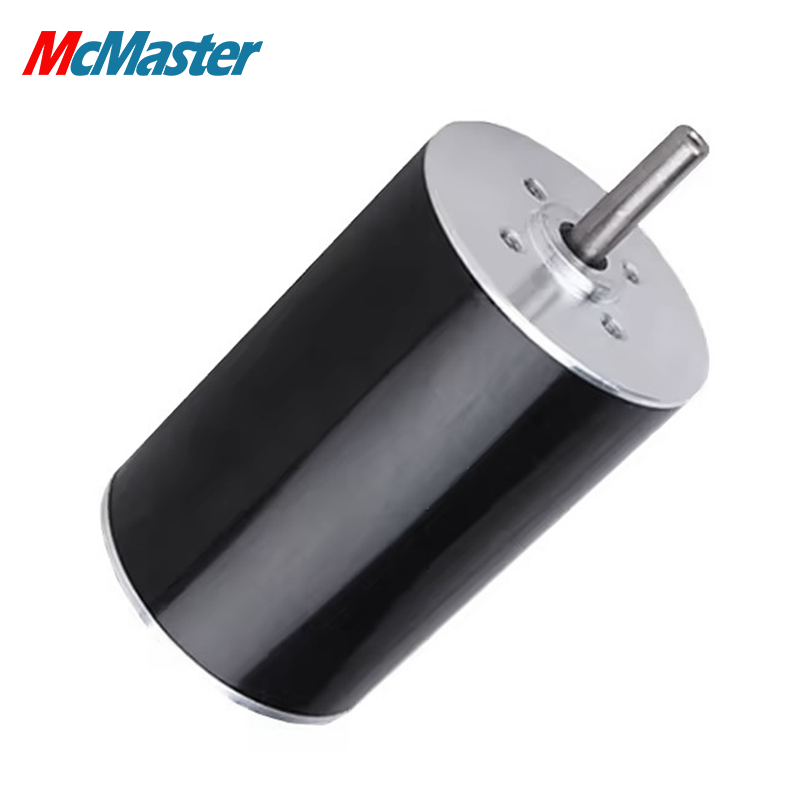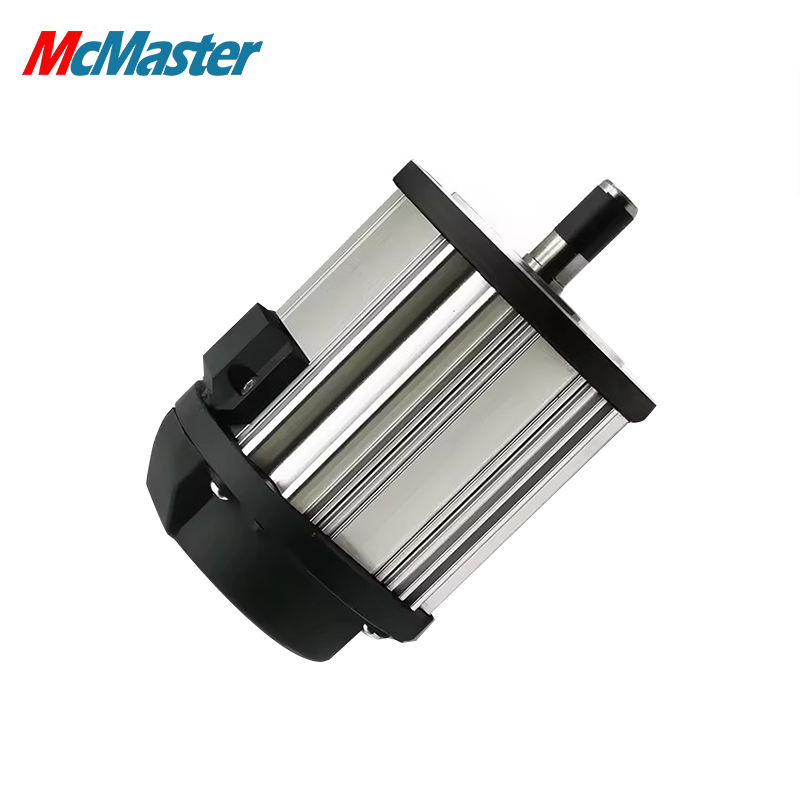
When looking for effective solutions in electrification and automation, selecting the right DC motor manufacturer is essential for wholesale needs. McMaster Electric dc motor brushes are integral components in various applications, from automation systems to consumer electronics, and understanding their specifications and quality can significantly impact operational efficiency. This article will guide B2B buyers, including purchasing managers and engineers, through the critical aspects of choosing DC motor manufacturers, evaluating product quality, and addressing common installation challenges.
Selecting a suitable DC motor manufacturer involves several factors that align with your specific project requirements. Start by assessing the manufacturer’s experience and specialization in various industries, such as IoT, robotics, and automotive applications. A manufacturer like McMaster Electric high torque dc motor with a diverse portfolio can offer insights into unique solutions tailored to your needs.
Next, consider the customization capabilities of the manufacturer. Many projects require tailored solutions, so inquire about the manufacturer’s ability to modify existing designs or create new products based on your specifications. Additionally, evaluate their production capacity and lead times, as these factors can affect your project timelines.
It’s also crucial to review certifications and quality control processes. Manufacturers should comply with international standards to ensure the reliability of their products. A robust quality assurance system reduces the risk of defects, ultimately leading to more efficient project execution.
Lastly, consider the McMaster Electric high torque bldc motor manufacturer’s geographical reach and export experience. A manufacturer like Changzhou McMaster Electric, which has been serving clients in 150 countries since 2001, demonstrates a strong understanding of global markets and the logistics involved in international shipping.
Quality evaluation starts with understanding key specifications that impact performance. First, inspect the motor's torque ratings, which indicate its ability to handle loads. Higher torque ratings are crucial for applications requiring significant power output, while lower ratings may suffice for lighter tasks.
Next, review the material composition of the motor. The housing, rotor, and stator materials should be durable enough to withstand the operating environment, whether it’s high temperatures in automotive applications or moisture exposure in medical devices. Assessing the manufacturer's material selection process can reveal their commitment to quality.
Another vital aspect is the testing and inspection protocols in place. Manufacturers should conduct rigorous testing on their products to ensure they meet performance standards. Request information on how often these tests are conducted and whether they include thermal, vibration, and endurance testing.
Finally, consider the warranty and after-sales support provided by the manufacturer. A strong warranty indicates confidence in product quality, while effective customer support can assist in addressing any post-purchase issues that may arise.
Installing DC motors can present several challenges that, if not addressed, may lead to operational failures. One common issue is misalignment during installation, which can cause excessive wear and tear on the motor. To mitigate this risk, ensure that the motor is properly aligned with the drive system before securing it in place. Utilizing alignment tools can help achieve precision in positioning.
Another challenge is selecting the appropriate power supply. DC motors require specific voltage and current ratings; using incorrect power sources can result in performance issues or even damage. Always verify the motor specifications against the power supply characteristics prior to installation.
Wiring is another critical area where issues often arise. Poor connections can lead to voltage drops or motor stalling. To avoid this, utilize high-quality connectors and ensure that all wiring is securely fastened and free from damage.
Lastly, environmental conditions can impact motor performance. For applications in harsh environments, consider motors with protective enclosures or coatings that enhance durability against dust, moisture, and temperature fluctuations.
Identifying reliable suppliers of high-quality DC motors involves a few strategic steps. Start by researching online platforms that specialize in industrial components, as they often feature user reviews and ratings that can provide insights into supplier reliability.
Trade shows and industry exhibitions are excellent venues for meeting manufacturers and suppliers directly. Engaging with representatives allows you to discuss your requirements in detail and evaluate their product offerings firsthand.
Additionally, consider reaching out to industry associations or networks for recommendations. Many organizations provide directories or resources that list reputable manufacturers and suppliers in the DC motor sector.
Lastly, leverage online forums and discussion groups where industry professionals share their experiences and recommendations. These platforms can provide valuable insights into supplier performance and product quality based on real-world usage.
DC motors are utilized across various industries, each demanding unique specifications and performance characteristics. In the automation sector, for example, precision and reliability are paramount. Motors designed for this application often feature high torque-to-weight ratios and are optimized for variable speed control.
In the automotive industry, DC motors are commonly used in power windows, seats, and mirrors. These motors must be compact and energy-efficient, often requiring advanced materials and designs to cope with the vehicle's operating conditions.
For medical applications, DC motors need to meet stringent safety and reliability standards. Motors used in this field often undergo extensive testing to ensure they operate without failure, as any malfunction could have serious consequences.
In consumer electronics, lightweight and silent operation are essential. Manufacturers often focus on optimizing the motor's design to reduce noise while maintaining performance, ensuring a seamless user experience.
Understanding the application-specific requirements of DC motors will help you make informed decisions when selecting a manufacturer or supplier, ensuring that the motors you purchase will perform effectively in their intended application.

 EN