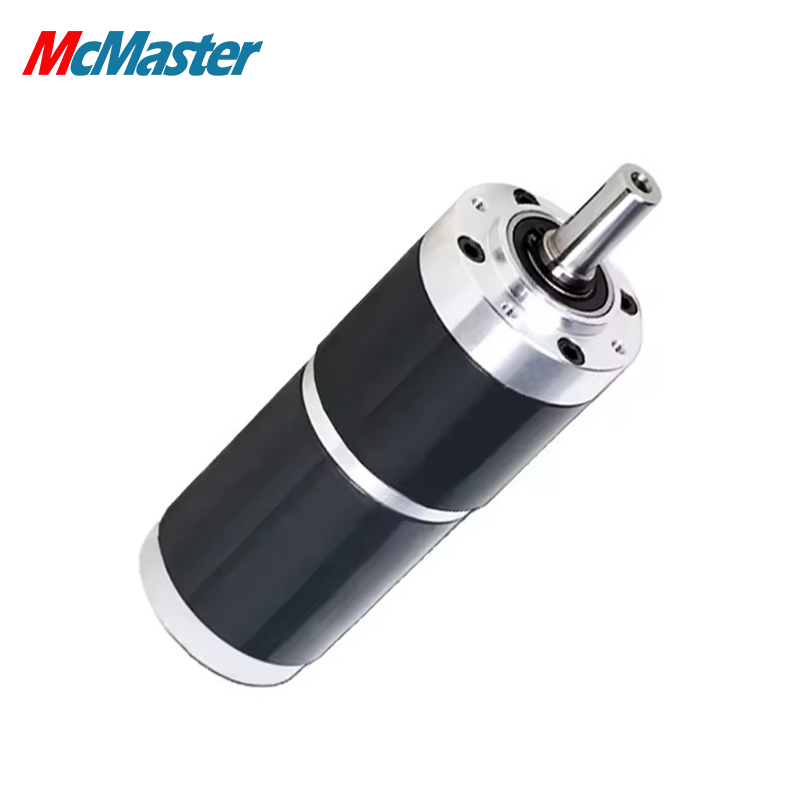
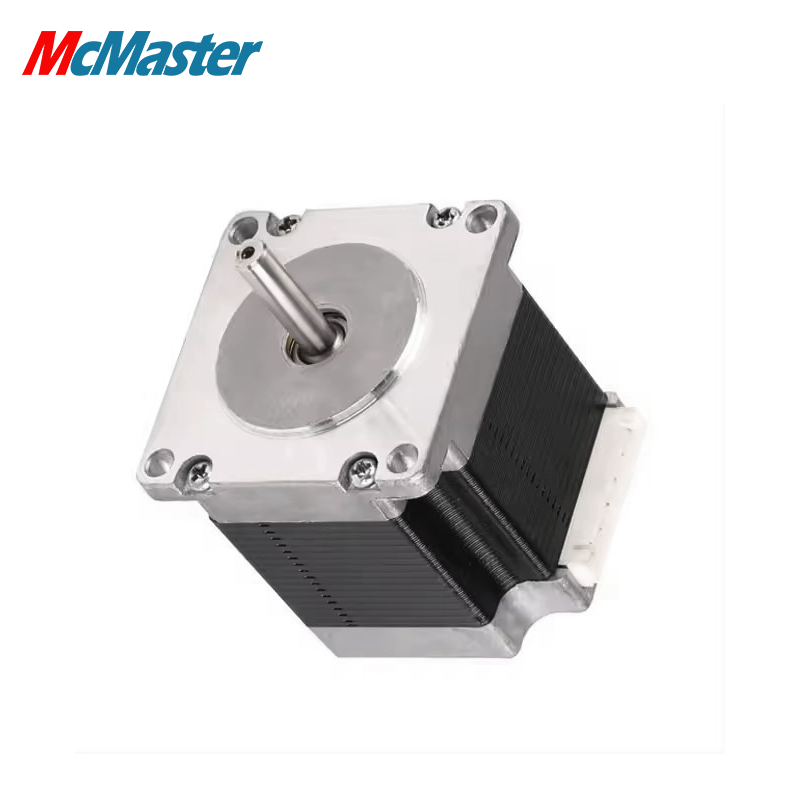
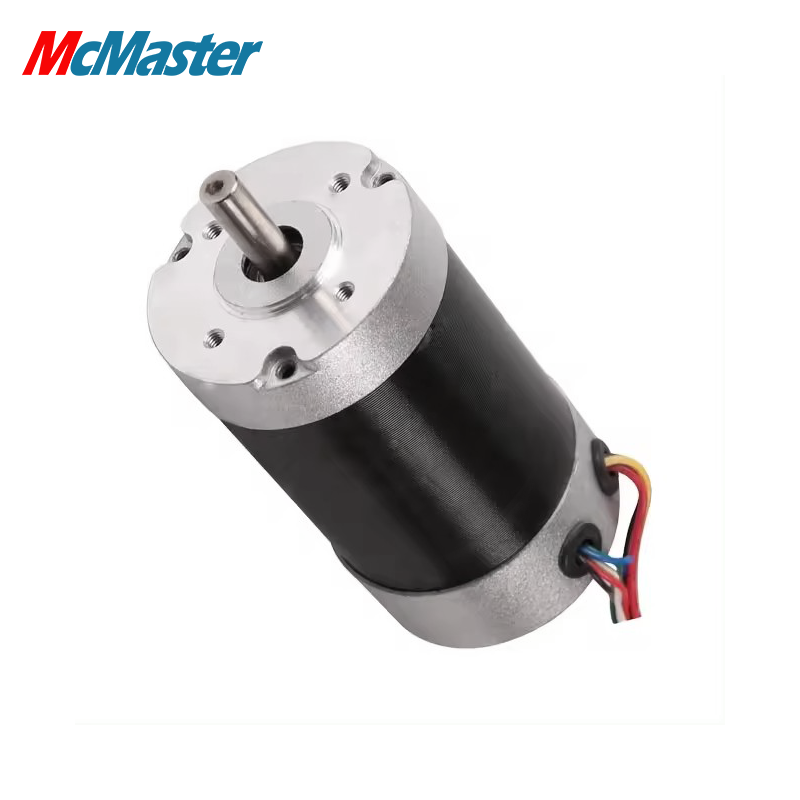
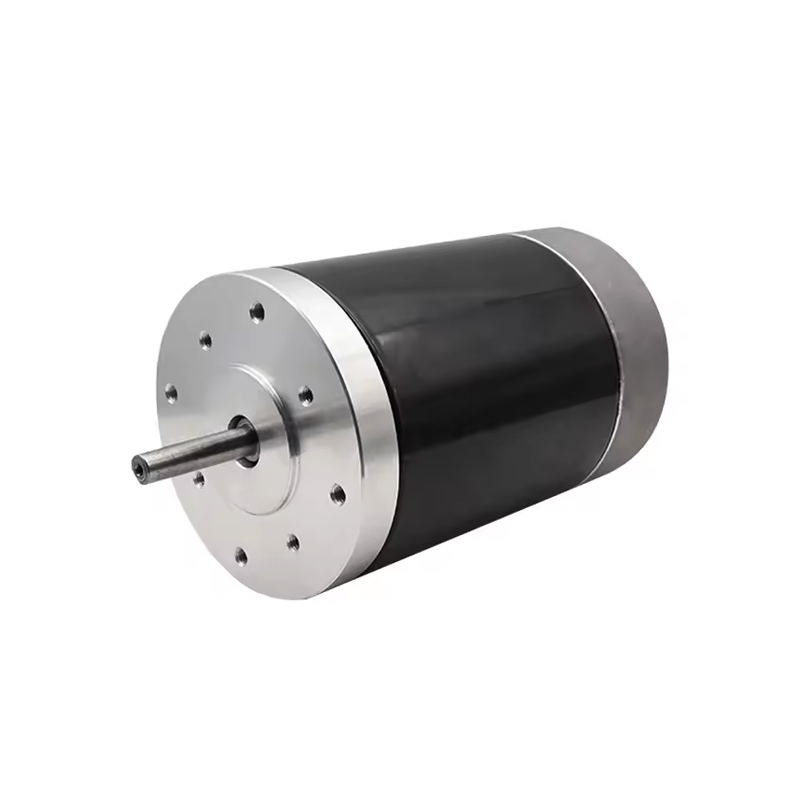
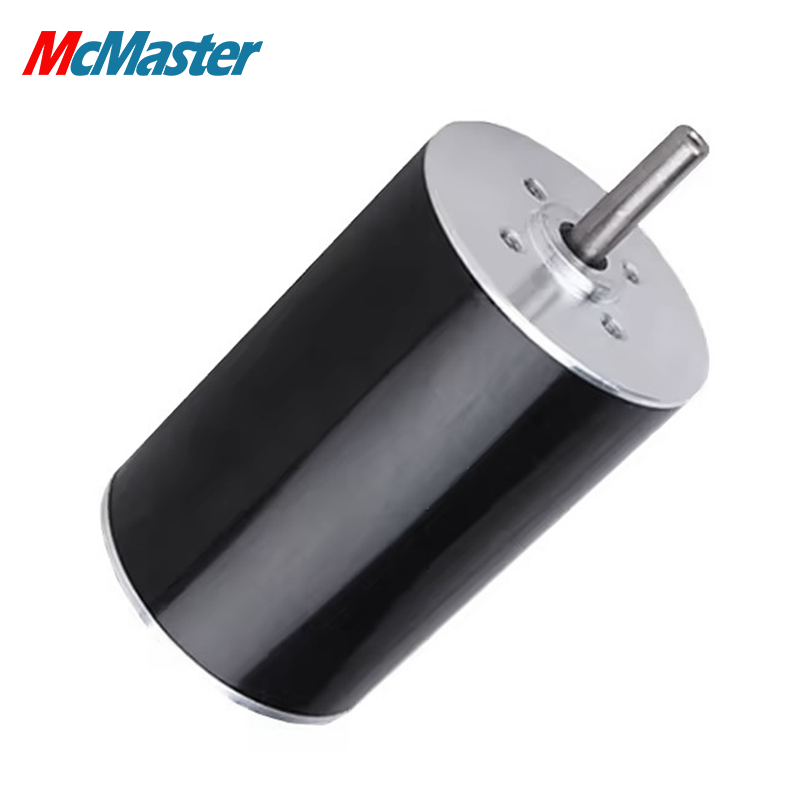
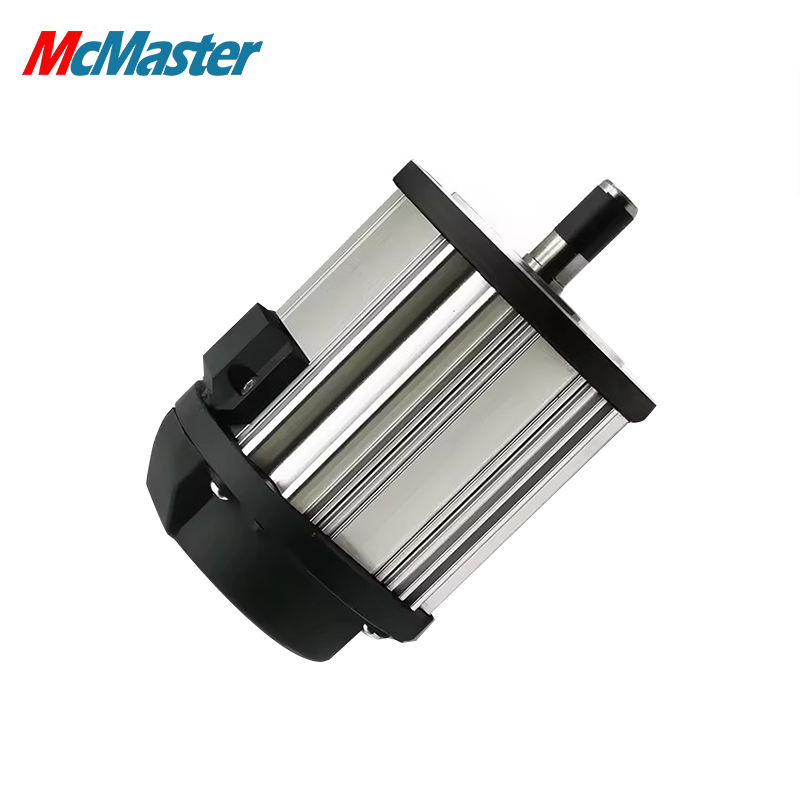
High torque DC motors with gearboxes are essential components in various industrial applications, providing the necessary power and control for demanding tasks. As a purchasing manager or engineer, understanding the specifications, benefits, and installation considerations for these motors is critical for making informed decisions. This article will help you evaluate McMaster Electric high torque worm gearbox, ensuring you select the right product for your needs.
When selecting a high torque DC motor with a gearbox, several key specifications should be carefully evaluated:
Torque Rating: The torque rating indicates the maximum rotational force the motor can deliver. For applications requiring high torque, such as industrial machinery or robotics, ensure the motor can handle the expected load without overheating or failing.
Gear Ratio: The gearbox's gear ratio determines how torque is multiplied. McMaster Electric high torque planetary gear motor ratio increases torque but reduces speed. Understanding your application's speed and torque requirements will help you choose the appropriate gear ratio.
Voltage and Current Ratings: Ensure the motor's voltage and current ratings match your power supply. Mismatched ratings can lead to inefficient operation or even motor damage.
Efficiency: Look for motors with high efficiency ratings to reduce energy consumption and heat generation. An efficient motor can improve overall system performance and lower operating costs.
Duty Cycle: The duty cycle specifies the motor's operational limits. Continuous duty motors can operate for long periods, while intermittent duty motors are designed for short bursts of activity. Select a motor that aligns with your operational requirements.
Size and Weight: Consider the physical dimensions and weight of the McMaster Electric high torque dc motor and gearbox assembly. Ensure it fits within your design constraints and is suitable for the intended application.
These specifications are crucial for ensuring compatibility with your existing systems and meeting performance expectations.
High torque DC motors with gearboxes offer several advantages for industrial applications:
Enhanced Performance: The combination of high torque and precise speed control allows for better performance in applications such as conveyor systems, robotics, and automated machinery. This ensures that operations run smoothly and efficiently.
Space Efficiency: The compact design of DC motors with gearboxes allows for more efficient use of space in machinery. This is particularly important in industries where space is at a premium.
Versatile Applications: These motors are suitable for a wide range of applications, from automotive to medical devices, due to their adaptability and ability to provide the required torque and speed.
Reduced Mechanical Stress: Gearboxes can help distribute loads more evenly, reducing mechanical stress on the motor and extending its lifespan. This is crucial for maintaining operational reliability in demanding environments.
Customization Options: Many manufacturers, including Changzhou McMaster Electric, offer customization options for gear ratios, size, and mounting configurations, allowing you to tailor the motor to your specific needs.
These benefits make high torque DC motors with gearboxes a preferred choice for many industrial applications, enhancing productivity and operational reliability.
Installing high torque DC motors with gearboxes can present challenges. Common issues include:
Alignment Problems: Improper alignment between the motor and gearbox can lead to excessive wear and noise. To prevent this, ensure that the mounting surfaces are clean and flat. Use alignment tools to verify proper positioning before securing the components.
Inadequate Cooling: High torque operations can generate significant heat. Ensure adequate ventilation around the motor and consider using cooling fans or heat sinks if necessary.
Electrical Connections: Poor electrical connections can lead to voltage drops or overheating. Use high-quality connectors and verify all wiring before powering the motor. Testing connections with a multimeter can help identify potential issues.
Torque Overload: Exceeding the motor's torque rating can lead to failure. Implement load monitoring systems to avoid exceeding the specified limits and ensure the motor operates within its capabilities.
Addressing these installation issues proactively can enhance the performance and longevity of high torque DC motors with gearboxes.
When budgeting for high torque DC motors with gearboxes, several cost factors should be considered:
Initial Purchase Price: The base price of the motor and gearbox assembly will vary depending on specifications and customization options. It's essential to balance cost with the required performance and reliability.
Customization Costs: Customization options, such as specific gear ratios or dimensions, may incur additional charges. Be sure to discuss your requirements with the manufacturer to get accurate pricing.
Operational Costs: Consider the energy efficiency of the motor. Higher efficiency motors may have a higher upfront cost but can lead to significant savings in energy costs over time.
Maintenance and Replacement Costs: Factor in the expected lifespan and maintenance needs of the motor. Selecting a reliable motor can reduce long-term replacement and repair costs.
Shipping and Handling: Depending on the supplier, shipping costs can vary. Be sure to include these in your overall budget when sourcing motors for your applications.
By understanding these cost factors, you can make a more informed purchasing decision that aligns with your budget and operational needs.
Quality control is vital in manufacturing high torque DC motors with gearboxes. Here are key aspects to consider:
Manufacturing Standards: Ensure the manufacturer adheres to recognized manufacturing standards, such as ISO 9001, which indicates a commitment to quality management practices.
Testing Procedures: Inquire about the testing procedures used to verify motor performance. Manufacturers should conduct tests on torque, efficiency, and thermal performance to ensure that the motors meet specified standards.
Material Quality: The materials used in the motor and gearbox construction significantly affect durability and performance. Ask for details about the materials used and any certifications they may have.
Traceability: A reliable manufacturer should maintain traceability throughout the production process. This allows for tracking component origins and ensuring accountability in case of defects.
After-Sales Support: Quality control does not end with the sale. Ensure the manufacturer offers robust after-sales support, including warranty terms and access to replacement parts.
By understanding and evaluating these quality control standards, you can ensure that you are sourcing high torque DC motors with gearboxes that will perform reliably in your applications.

 EN