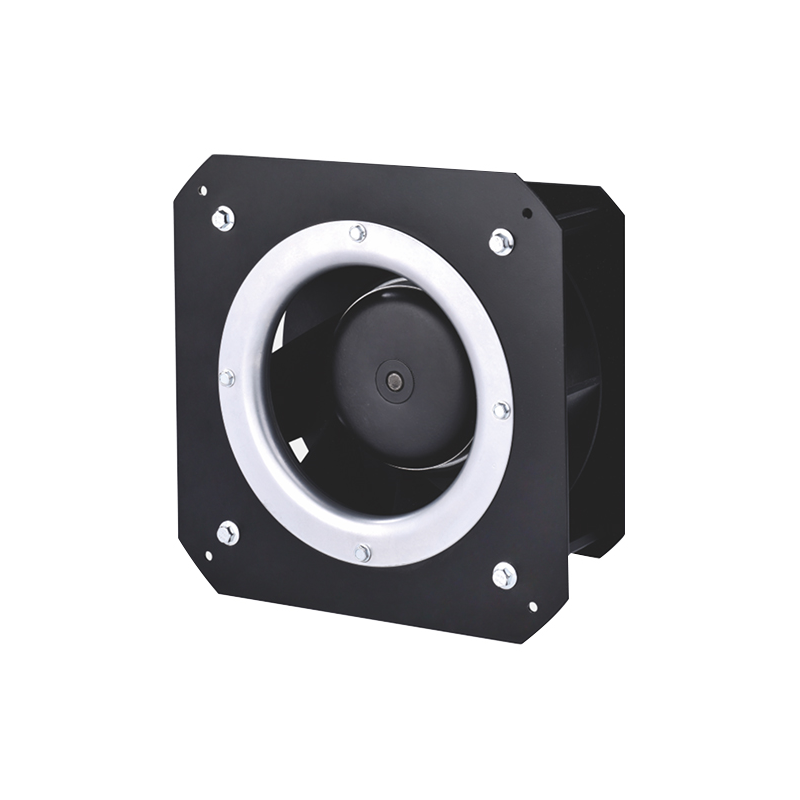
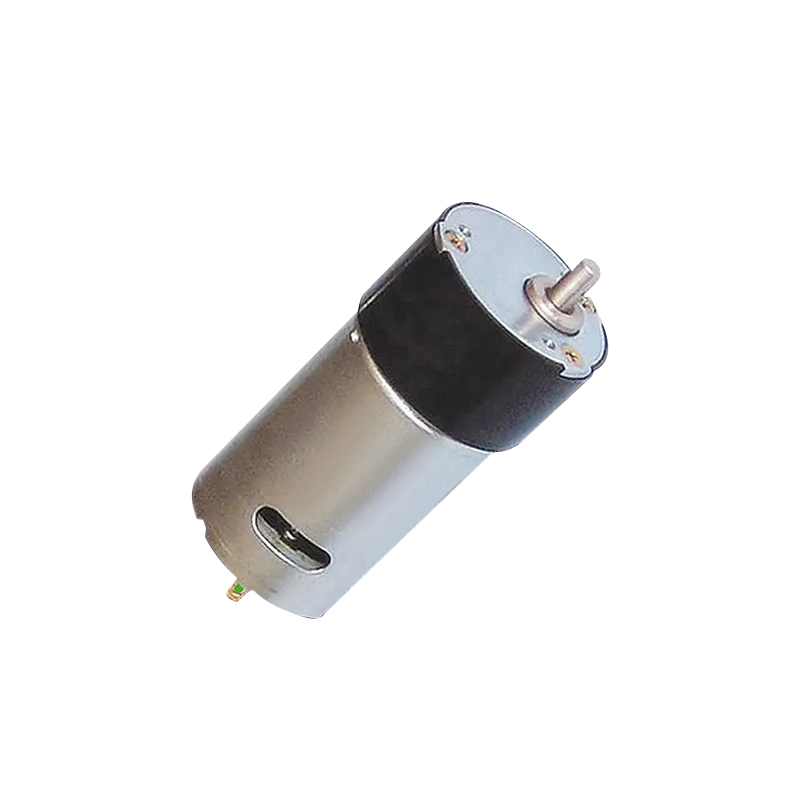
Double inlet centrifugal blowers are specialized devices designed to move large volumes of air or gas efficiently. These blowers are essential in various industrial applications, particularly where systems require high air pressure and flow rates. For B2B buyers, selecting the right centrifugal blower fan can be daunting, considering factors such as specifications, supplier reliability, and application suitability. This article aims to clarify these aspects, guiding purchasing managers and engineers through the essential considerations when sourcing McMaster Electric double inlet centrifugal blowers.
When selecting a double inlet centrifugal blower, the first consideration should be the specific application requirements. Factors such as airflow volume, static pressure, and operational environment play a critical role in determining the appropriate blower. For example, a blower used in a dust collection system may require different specifications compared to one used for cooling in an HVAC system.
Next, consider the blower's efficiency and energy consumption. Higher efficiency models not only reduce operational costs but can also lead to better sustainability practices, aligning with goals of electrification and automation. The choice of materials, particularly for the impeller and casing, can greatly affect durability and performance, especially in harsh operational environments.
Lastly, ensure that the blower meets any regulatory standards relevant to your industry. Certifications can provide assurance of the blower's performance and reliability, making it crucial to verify these before making a purchase.
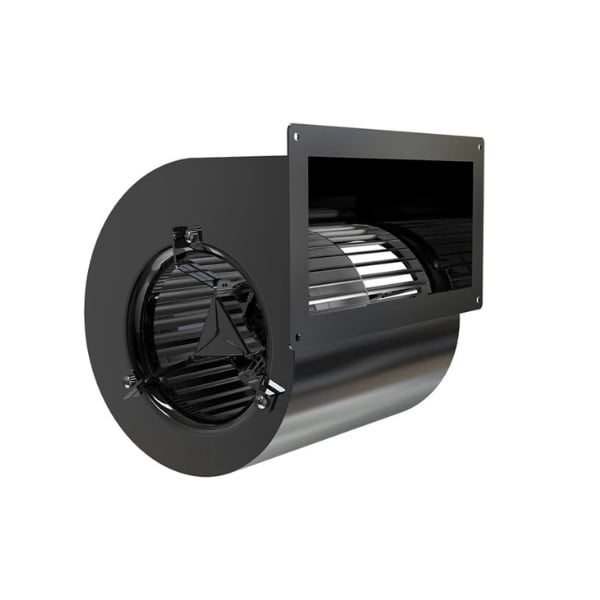
Finding a trusted supplier is essential for securing quality double inlet centrifugal blowers. Look for manufacturers with a proven track record in the industry, such as Changzhou McMaster Electric, which has over 20 years of experience in providing high-tech, innovative solutions across various sectors.
Evaluate suppliers based on their manufacturing capabilities, quality control processes, and customer service. It's beneficial to request references or case studies that demonstrate the supplier's ability to meet specific needs and handle challenges. Additionally, inquire about lead times and production capacities to ensure they can meet your order requirements.
Lastly, consider the supplier's flexibility regarding customization. The ability to tailor centrifugal blower to meet unique specifications can significantly enhance their effectiveness in your application.
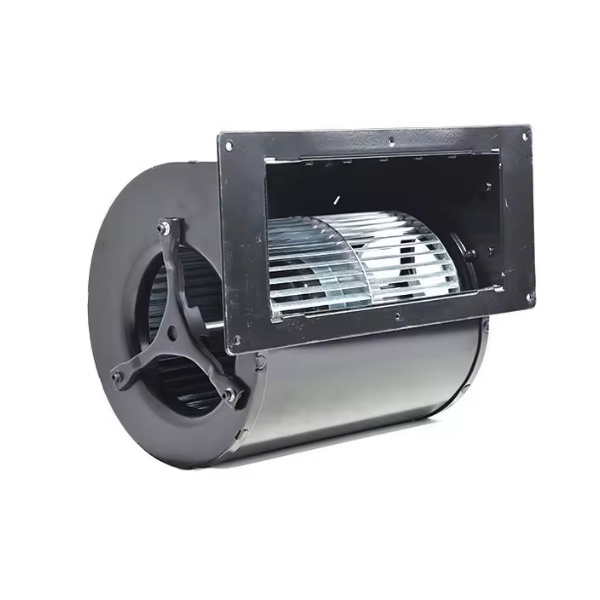
Several key specifications should be evaluated when considering double inlet centrifugal blowers:
Airflow Capacity: Measured in cubic feet per minute (CFM), this indicates the volume of air the blower can move. Ensure the blower's capacity aligns with your system's requirements to avoid performance issues.
Static Pressure: This is crucial for applications requiring air to move against resistance, such as ductwork. The blower must generate sufficient static pressure to maintain airflow.
Power Rating: Typically measured in horsepower (HP), this indicates the energy required to operate the blower. An appropriate power rating ensures efficient operation without excessive energy use.
Noise Level: Especially important in commercial environments, the noise generated by the blower should be taken into account. Look for models designed for quieter operation if noise is a concern.
Material and Construction: The construction material affects both durability and performance. Common materials include steel and aluminum, each providing different benefits regarding weight, strength, and resistance to corrosion.
Understanding these specifications will aid in selecting a blower that not only meets operational requirements but also aligns with budgetary constraints.
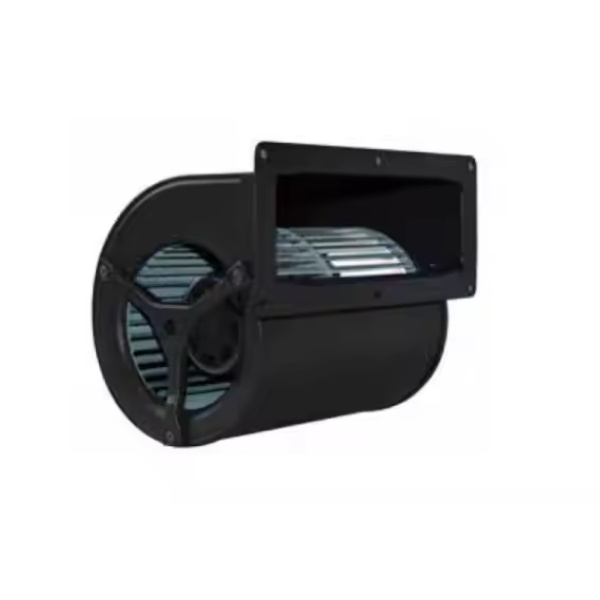
Double inlet centrifugal blowers find application across various industries, each with unique requirements:
HVAC Systems: In heating, ventilation, and air conditioning, these blowers ensure efficient airflow, maintaining comfortable environments in commercial buildings.
Dust Collection: In industries like woodworking or metalworking, blowers are used for dust extraction systems, helping to maintain clean and safe working conditions.
Industrial Processes: They are essential in processes requiring pneumatic conveying, such as transporting bulk materials in manufacturing plants.
Combustion Air Supply: In power generation and industrial furnaces, forward curved centrifugal blower supply the necessary air for combustion processes, improving efficiency and reducing emissions.
Understanding how double inlet centrifugal blowers are applied in your industry can aid in making informed purchasing decisions.
Established in 2001, we leverage our multinational expertise to deliver customized electrical and automation solutions to customers in over 150 countries. Our tailored engineering services ensure that businesses worldwide receive high-performance, industry-specific solutions that enhance efficiency and reliability.
From automotive manufacturing to industrial automation, consumer electronics, and medical technology, our extensive product range includes custom-designed robotics, IoT solutions, and smart automation systems. We offer flexible customization options to meet the evolving needs of global industries.
Committed to advancing electrification and automation, we integrate custom-built technology solutions to optimize production, reduce costs, and lower environmental impact. Our expertise in high-efficiency power systems and smart automation helps businesses achieve sustainable growth with customized solutions.
With over 20 years of experience in robotics, IoT, automotive, and healthcare industries, we offer customized technical support and engineering solutions tailored to specific business requirements. Our end-to-end custom services ensure seamless integration and long-term reliability.
When considering bulk orders for McMaster Electric double inlet centrifugal blowers, several key factors should be compared to ensure quality and cost-effectiveness:
Pricing: Obtain quotes from multiple suppliers, considering not just the unit price but also any potential discounts for bulk purchases. Evaluate total cost of ownership, including maintenance and energy use.
Quality Assurance: Inquire about the supplier's quality control processes. Reliable manufacturers should provide details on quality certifications and testing protocols.
Lead Times: Confirm the lead time for bulk orders, as this can vary significantly between suppliers. Ensure that the manufacturer can meet your timeline without compromising quality.
Customization Options: If your application requires specific modifications, verify that the supplier can accommodate these changes in bulk orders.
Support and Warranty: Assess the level of support provided post-purchase, including warranty terms and service options. A strong support system can mitigate potential issues post-installation.
By carefully comparing these factors, buyers can make informed decisions that align with their operational needs and budget constraints.

 EN