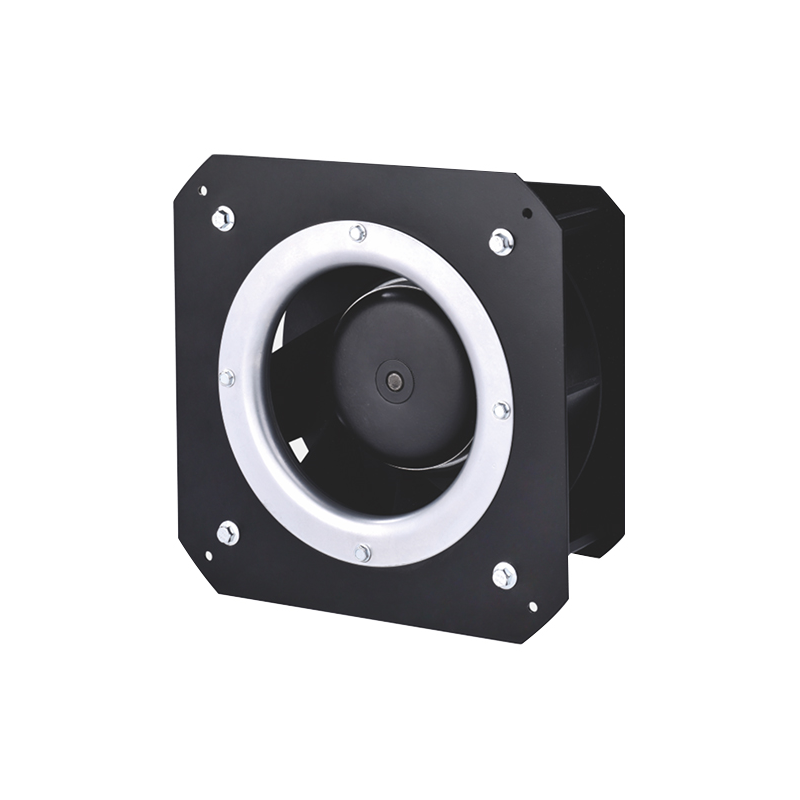
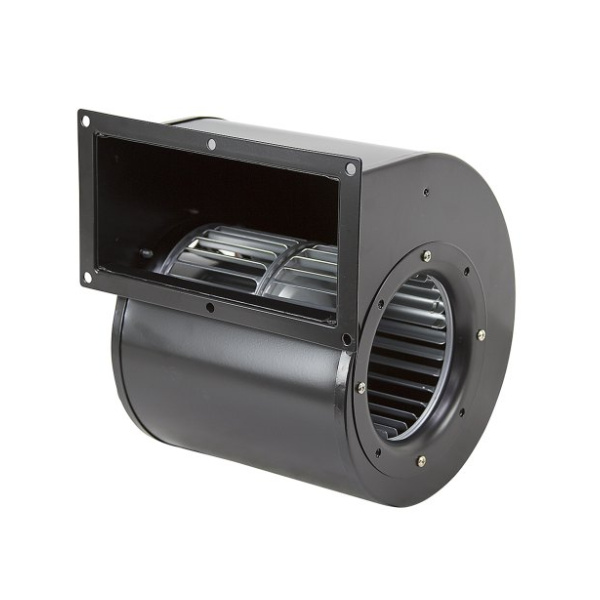
A double inlet centrifugal fan is a specialized device designed to move air or gas efficiently in various industrial applications. These fans feature two inlets allowing for improved airflow and pressure capabilities, making them ideal for tasks that require high volumes of air or specific aerodynamic properties. When purchasing a double inlet centrifugal fan, B2B buyers should consider factors such as application suitability, performance specifications, and installation requirements. This article will provide insights into what to consider when selecting a fan, sourcing reliable suppliers, evaluating specifications, understanding cost factors, and addressing common installation challenges.
When selecting a double inlet centrifugal fan, it is essential to consider several factors to ensure optimal performance for your specific application. First, assess the airflow and static pressure requirements of your system. The forward curved centrifugal fans capacity must align with these parameters to avoid inefficiencies or underperformance.
Another critical factor is the fan's construction material. Depending on the operating environment, materials such as steel, aluminum, or composite materials may be more suitable. For instance, if the fan will be exposed to corrosive substances or extreme temperatures, selecting a fan with appropriate material properties is vital.
Additionally, consider the motor type and efficiency. High-efficiency motors can significantly reduce energy consumption and operational costs, making them a worthwhile investment in the long run. Lastly, confirm that the fan meets relevant industry standards and certifications to ensure reliability and safety.
Finding a dependable supplier for double inlet centrifugal fans is crucial for ensuring product quality and performance. One option is to work with established manufacturers like Changzhou McMaster Electric, which has over 20 years of experience in the industry. Suppliers with a proven track record often provide better insights into product specifications and capabilities.
To source wholesale fans, consider attending industry trade shows, joining relevant associations, or utilizing online B2B marketplaces. These platforms allow you to compare multiple suppliers, read reviews, and assess their reputations. When evaluating suppliers, ask for references and inquire about their production processes, quality control measures, and customization capabilities. It is also beneficial to request samples or product demonstrations to confirm the fan's performance before placing a bulk order.
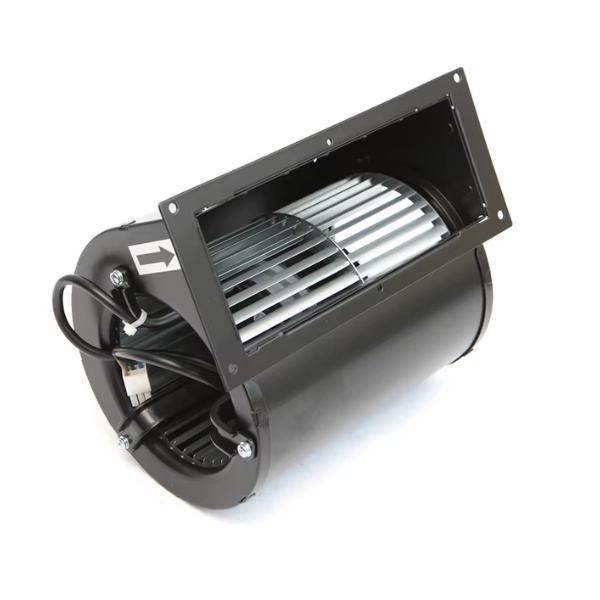
Evaluating specifications for double inlet centrifugal fans is critical for ensuring they meet your application requirements. Key specifications include:
Airflow Rate: Measured in cubic feet per minute (CFM) or liters per second (L/s), this indicates how much air the centrifugal blower fan can move. Ensure it matches your system's needs.
Static Pressure: This refers to the resistance the fan can overcome while maintaining airflow. High static pressure is essential for systems with ductwork or filters.
Efficiency Rating: Look for fans with high efficiency ratings, as they will consume less energy during operation.
Sound Levels: Noise levels, measured in decibels (dB), are crucial if the fan will be used in a noise-sensitive environment.
Dimensions and Weight: Ensure that the fan's size fits within your installation space. Weight considerations are also essential for mounting and support structures.
Durability and Maintenance: Evaluate the fan’s construction and materials to determine its lifespan and maintenance requirements. Features like sealed bearings may reduce maintenance frequency.
By closely examining these specifications, you can make an informed decision that aligns with your operational needs.
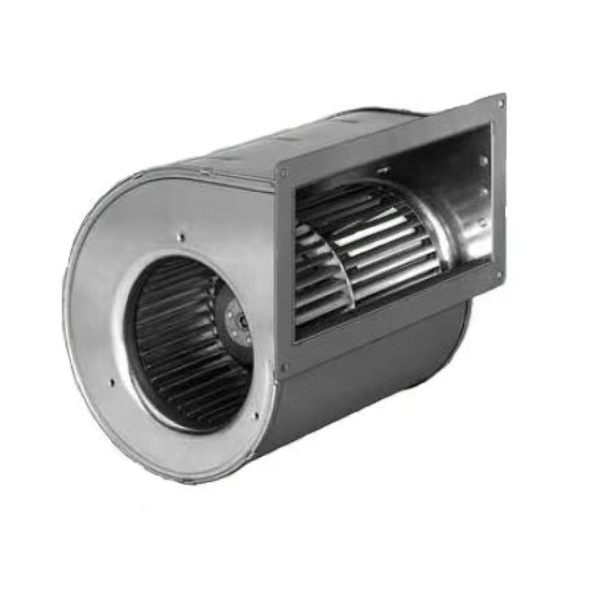
Understanding the cost factors associated with double inlet centrifugal fans is essential for budget planning. The overall price can be influenced by several elements:
Material Costs: The choice of materials impacts the base price. Stainless steel or specialized coatings for corrosion resistance may increase costs but are necessary for specific applications.
Customization Options: Custom features, such as specific dimensions or performance enhancements, can raise the price. Ensure the benefits of customization justify the additional costs.
Quantity Discounts: Purchasing in bulk can lead to significant savings. Discuss wholesale pricing with suppliers to optimize your budget.
Operational Costs: Consider the fan's energy efficiency and maintenance requirements. A higher initial investment in a more efficient model may lead to lower operational costs over time.
Shipping and Handling: Factor in shipping costs, especially if you are importing fans from overseas. Choose suppliers with efficient logistics to minimize these expenses.
By evaluating these cost factors, you can make a more informed purchasing decision that balances initial investment with long-term operational savings.
With over 20 years of experience in robotics, IoT, automotive, and healthcare industries, we offer customized technical support and engineering solutions tailored to specific business requirements. Our end-to-end custom services ensure seamless integration and long-term reliability.
From automotive manufacturing to industrial automation, consumer electronics, and medical technology, our extensive product range includes custom-designed robotics, IoT solutions, and smart automation systems. We offer flexible customization options to meet the evolving needs of global industries.
Established in 2001, we leverage our multinational expertise to deliver customized electrical and automation solutions to customers in over 150 countries. Our tailored engineering services ensure that businesses worldwide receive high-performance, industry-specific solutions that enhance efficiency and reliability.
Committed to advancing electrification and automation, we integrate custom-built technology solutions to optimize production, reduce costs, and lower environmental impact. Our expertise in high-efficiency power systems and smart automation helps businesses achieve sustainable growth with customized solutions.
Installing double inlet centrifugal fans may present several challenges that require careful planning and execution. Common issues include:
Space Constraints: Ensure that the installation site accommodates the fan's dimensions, including space for maintenance access. Inadequate space can lead to operational inefficiencies.
Alignment and Vibration: Proper alignment during installation is critical to prevent excessive vibration, which can lead to premature wear or failure. Use precise mounting techniques and tools to ensure alignment.
Electrical Connections: Verify that electrical connections comply with local regulations and safety standards. Incorrect wiring can lead to operational failures or safety hazards.
Ductwork Compatibility: Ensure that the fan's discharge and inlet designs are compatible with existing ductwork. Poor connections can lead to airflow restrictions and reduced performance.
Noise Control: Implementing noise-reducing measures, such as vibration isolation pads or sound-absorbing enclosures, may be necessary for applications in sensitive environments.
By proactively addressing these challenges, you can facilitate a smoother installation process and enhance the centrifugal fan hvac performance and longevity.
In summary, purchasing a double inlet centrifugal fan involves careful consideration of specifications, supplier reliability, and installation challenges. By understanding these factors, B2B buyers can make informed decisions that align with their operational needs and ensure long-term satisfaction with their investment.

 EN