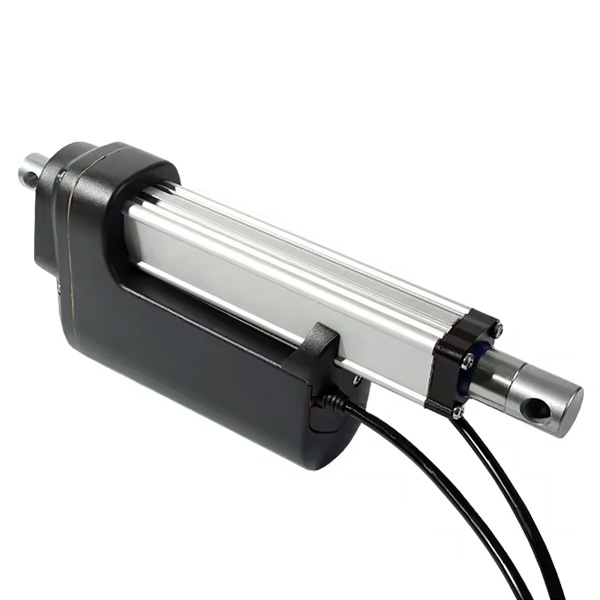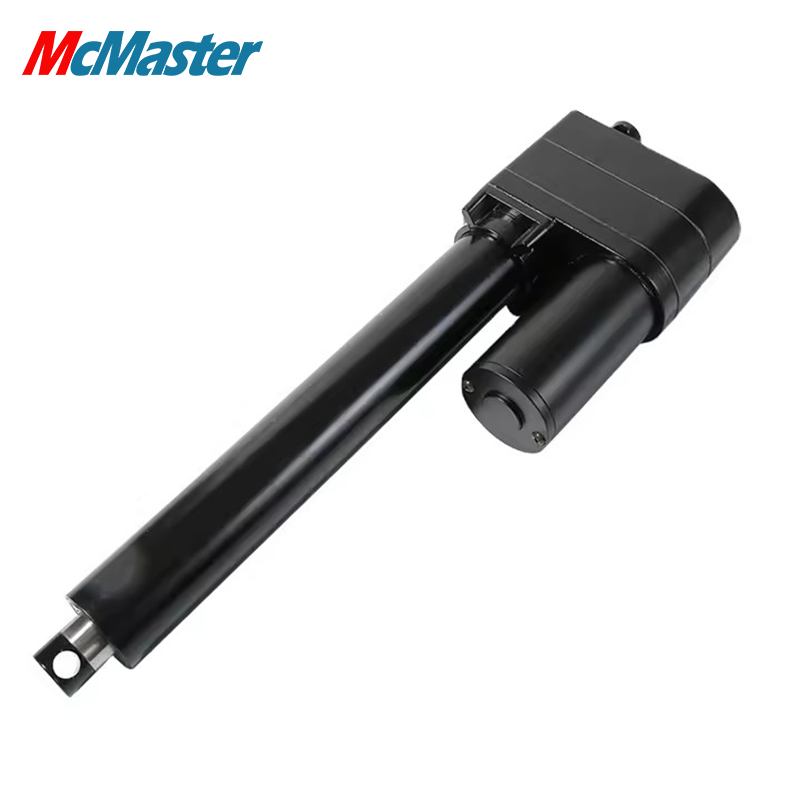
Electric lift actuators are essential components in various applications, enabling precise control of movement in automated systems. As businesses increasingly focus on electrification and automation, understanding how to choose the right electric lift actuator becomes critical. This article will address the key considerations for B2B buyers, including selection criteria, common challenges, cost factors, and best practices. By gaining insights into these areas, purchasing managers and engineers can make informed decisions that meet their project requirements effectively.
When selecting an electric lift actuator, consider several key specifications that will impact performance and suitability for your application. First, assess the required load capacity. Electric lift actuators come in various sizes and strengths, so it is crucial to choose one that can handle the weight it will need to lift. For instance, if your application involves heavy machinery, opt for electric motor linear actuator designed for high load tolerances.
Next, evaluate the actuator's stroke length, which determines how far it can extend or retract. This specification should align with your project’s spatial requirements. Additionally, consider the actuator's speed and response time, especially if your application necessitates quick adjustments.
Material selection is also vital. Depending on the environment in which the actuator will operate, you may need corrosion-resistant materials or components designed to withstand exposure to chemicals. The actuator's IP rating—indicating its resistance to dust and water—should match your operational conditions.
Lastly, look at power requirements and compatibility with your existing systems. Ensure that the actuator can seamlessly integrate with your automation controls, whether they are IoT-based or traditional systems.
Electric lift actuators can experience several common issues that may affect their performance. One prevalent problem is insufficient power supply, which can lead to erratic movement or failure to operate. To mitigate this, verify that your power source meets the actuator's voltage and current specifications before installation.
Another common challenge is mechanical binding, which can occur due to misalignment during installation or wear over time. Regular maintenance checks and appropriate installation techniques can help prevent this issue. Ensuring that all components are properly aligned and lubricated can enhance the longevity and performance of the actuator.
Overheating is also a concern, particularly in applications with extended use. Implementing thermal protection measures, such as temperature sensors or heat sinks, can help monitor and control heat levels, preventing damage to the actuator.
When planning to purchase electric lift actuators in bulk, multiple cost factors come into play. First, consider the unit price, which can vary significantly based on specifications such as load capacity, stroke length, and material choices. Generally, bulk purchases can lead to discounts, but it's essential to assess whether the quality meets your requirements.
Shipping and handling costs are another consideration. Depending on the destination and quantity ordered, logistics can add substantial expenses to your overall budget. For international shipments, tariffs and customs duties may also affect pricing.
Additionally, factor in the potential costs associated with installation and maintenance. A more complex actuator may require specialized installation skills, increasing labor costs. Conversely, simpler models may be easier to install but could lack the performance needed for your application, leading to higher long-term operational costs.
Lastly, consider warranty and support options. A manufacturer with robust after-sales support may provide long-term savings through reduced downtime and maintenance costs.
To ensure optimal performance and longevity of electric lift actuators, adhere to several best practices throughout the purchasing and installation processes. First, conduct thorough evaluations of potential suppliers. Look for manufacturers with a proven track record in producing high-quality electric actuator motor and those that offer customization options to meet specific project needs.
Request samples before committing to a bulk order. Testing a sample actuator under real operating conditions allows you to assess its performance and compatibility with your systems. This step is crucial; dimensions that appear suitable on paper may not function correctly in practice.
Be sure to review the actuator’s operating manual and adhere to the manufacturer’s installation guidelines. Proper installation is critical to avoiding common issues such as misalignment and mechanical failure.
Regular maintenance is essential once the actuator is in use. Schedule routine inspections to check for wear and tear, ensuring that all components are functioning correctly. Implementing a preventative maintenance program can significantly extend the actuator's lifespan and maintain its performance.
Electric lift actuators are versatile components used across multiple industries, each with unique applications. In the automotive sector, they assist in the precise positioning of parts during assembly processes. These actuators enable automation in manufacturing lines, improving efficiency and consistency.
In the medical field, electric lift actuators are integral to hospital beds and examination tables, allowing for adjustments that enhance patient comfort. They also play a role in medical equipment that requires precise movement, such as surgical robots.
The robotics industry leverages electric lift actuators for various applications, including robotic arms and automated guided vehicles (AGVs). Their ability to provide smooth, controlled motion is vital for tasks ranging from material handling to intricate assembly.
Additionally, in consumer electronics, electric lift actuators are commonly found in adjustable furniture, allowing users to modify settings for ergonomic comfort. This adaptability is increasingly sought after as work-from-home setups become more prevalent.
Overall, understanding the applications of electric lift waterproof linear actuator 12v helps buyers identify the right product for their specific needs and ensures that they leverage the technology effectively for their projects.

 EN