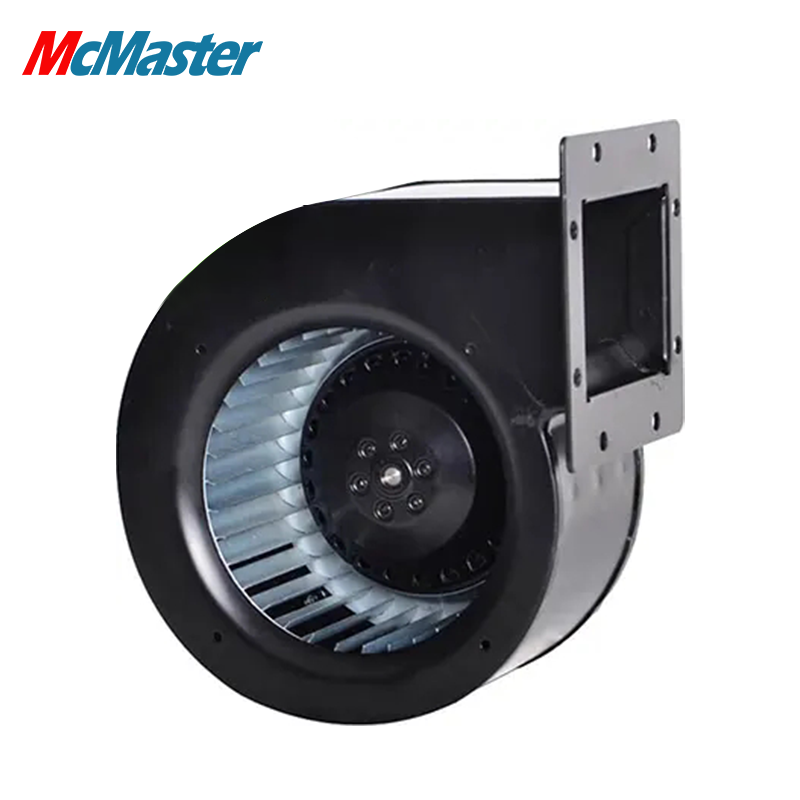
Forward curve centrifugal fans are essential components widely used in various industrial applications, including HVAC systems, air handling units, and dust collection systems. These fans are designed to move air efficiently and quietly, making them a preferred choice for many manufacturers and engineers. When sourcing forward curve centrifugal fan, buyers often have concerns regarding efficiency, compatibility with existing systems, and overall reliability. This article will provide valuable insights into the key considerations for purchasing these fans, helping buyers make informed decisions.
When sourcing wholesale forward curve centrifugal fans, there are several critical factors to consider. First and foremost, evaluate the fan's specifications, including airflow capacity, pressure ratings, and power consumption. These parameters directly affect the centrifugal fan hvac performance and suitability for specific applications.
Another important consideration is the materials used in the fan's construction. Common materials include galvanized steel and aluminum, which offer durability and resistance to corrosion. Depending on the application environment, buyers may need to specify unique requirements such as chemical resistance or high-temperature tolerance.
Manufacturing capabilities also play a crucial role in sourcing. Ensure the supplier has the capacity to meet your volume needs and can provide customization options, such as different sizes, blade designs, or motor configurations. Additionally, understanding the supplier's quality control processes can give buyers confidence in the reliability and longevity of the fans.
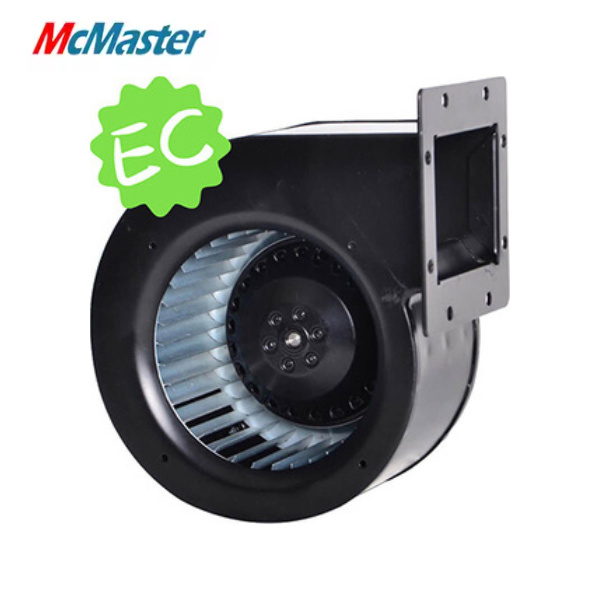
Forward curve centrifugal fans can present several common issues that purchasers should be aware of. One frequent problem is the risk of airflow turbulence, which can lead to reduced efficiency and increased noise levels. To mitigate this, proper installation and alignment are essential. Buyers should ensure that the fan is mounted securely in a straight section of ductwork to facilitate smooth airflow.
Another issue is the potential for motor overheating. This can occur if the fan is improperly sized for the application. When selecting a fan, it is crucial to match the fan’s performance characteristics with the system’s requirements. Overloading the fan can lead to premature failure, so consulting with the supplier about the appropriate sizing based on the specific application is advisable.
Lastly, vibration can be a concern, which may arise from imbalance or misalignment. Regular maintenance checks, including balancing the fan and ensuring proper alignment, can help prevent these issues from escalating.
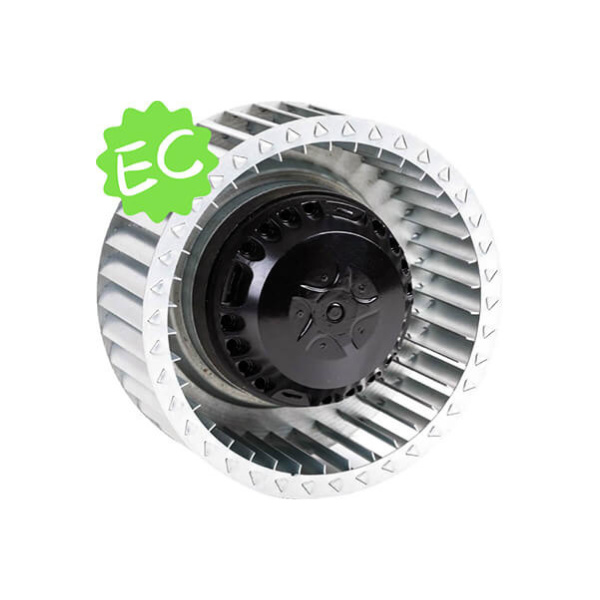
Cost is a significant factor for any purchasing manager when acquiring forward curve centrifugal fans. The total cost of ownership should be considered, not just the initial purchase price. Key cost factors include:
Material Quality: Higher-quality materials may come at a higher cost but can lead to increased durability and lower maintenance expenses over time.
Operational Efficiency: Fans with higher efficiency ratings may have a higher upfront cost but can lead to significant savings in energy consumption over their lifespan.
Customization Needs: Custom features or modifications to standard products can increase costs. Clearly defining your requirements upfront can help manage these expenses.
Lead Times: Shorter lead times may incur additional costs. Planning your purchase schedule accordingly can help minimize these expenses.
Buyers should engage with suppliers to obtain detailed quotations that encompass all potential cost factors, including shipping and handling.
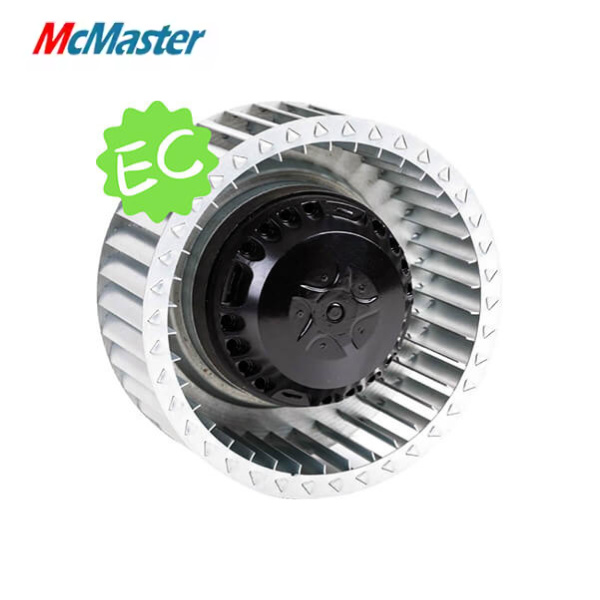
Selecting the right forward curve centrifugal fan involves evaluating several key specifications tailored to your specific requirements. Start by determining the airflow needed for your application, measured in cubic feet per minute (CFM). This will help identify fans that can deliver the necessary performance.
Next, consider the static pressure requirements. Fans must be capable of overcoming any resistance in the ducting and filtration systems. If the system is complex, working with an engineer to calculate the total pressure drop can ensure that the selected fan meets the required specifications.
Additionally, assess the noise levels associated with the fan. Forward curve centrifugal fans can produce varying sound levels depending on their design and operational speed. If noise is a concern, seek fans specifically engineered for quiet operation.
Finally, confirm the fan's compatibility with existing systems. Ensure that the chosen fan can integrate seamlessly into the current setup without requiring significant modifications.
Identifying reliable suppliers of forward curve centrifugal fans is crucial for ensuring product quality and support. Start by researching manufacturers with a strong reputation in the industry, such as Changzhou McMaster Electric, known for its commitment to electrification, automation, and efficiency.
Consider attending industry trade shows and exhibitions where manufacturers showcase their products. This provides an opportunity to engage directly with suppliers and evaluate their offerings firsthand.
Online platforms can also be a resource for finding reputable suppliers. Look for forward curved centrifugal fan manufacturers that provide detailed product information, customer testimonials, and a history of successful projects in your industry.
Additionally, evaluate the supplier’s customer support capabilities. A reliable supplier should offer ongoing support, including technical assistance, warranty options, and maintenance recommendations. Establishing a good relationship with your supplier can enhance the purchasing experience and ensure better responsiveness to your needs.
By considering these factors and conducting thorough research, you can make informed decisions when sourcing forward curve centrifugal fans that meet your performance and operational requirements.

 EN