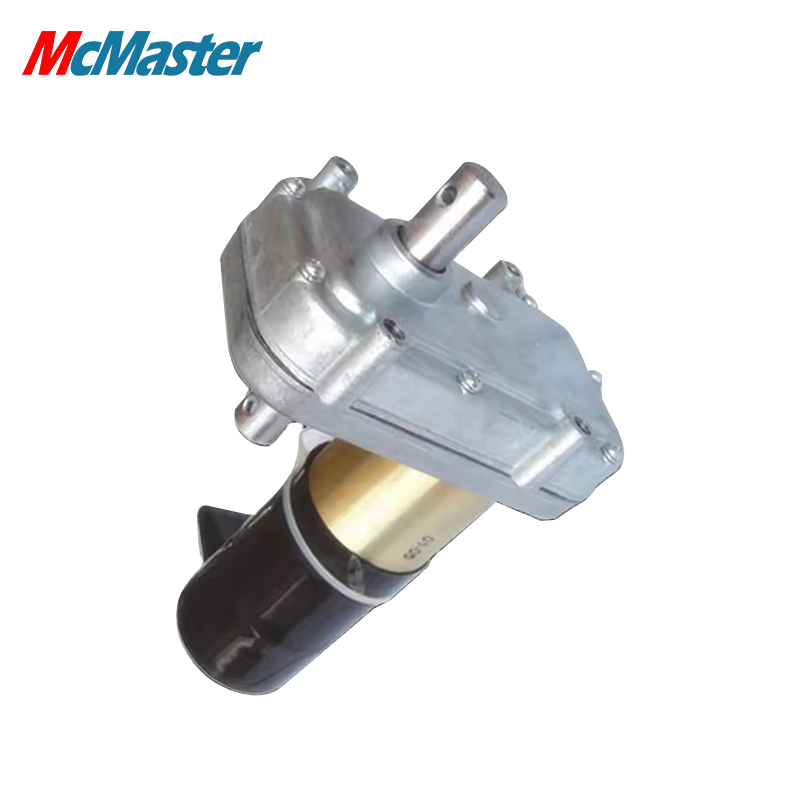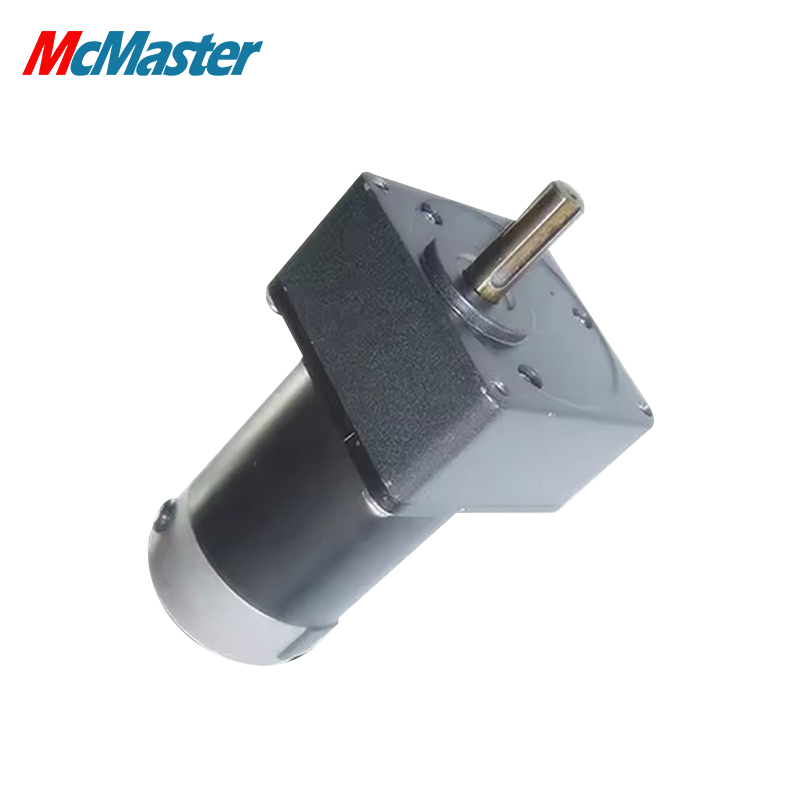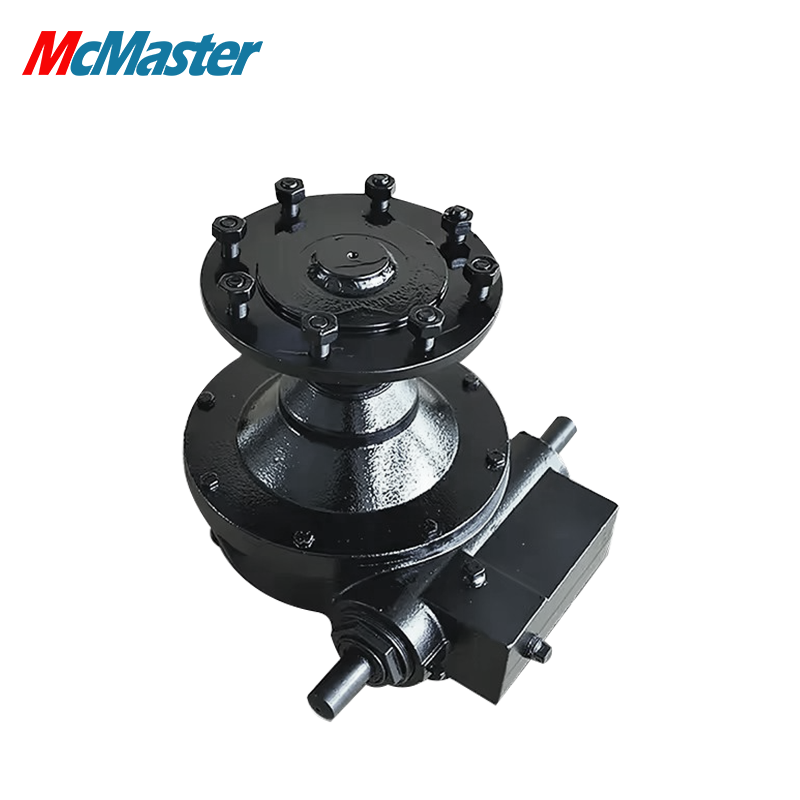
Planetary gear motors are critical components in various industrial applications, combining efficiency and compactness. For purchasing managers and engineers seeking robust solutions, understanding the nuances behind selecting the right planetary motor gearbox is essential. This article will explore where to source high-quality planetary gear motors, provide a comprehensive buyer's guide, discuss cost factors, identify common issues and their solutions, and explore the diverse applications of these motors in various industries.
When sourcing planetary gear motors for wholesale orders, it's crucial to partner with reputable manufacturers that prioritize quality and reliability. Suppliers like Changzhou McMaster Electric have built a strong reputation by focusing on electrification and automation, with over 20 years of experience serving diverse industries across 150 countries.
Buyers should consider suppliers that offer detailed product specifications, such as torque ratings, gear ratios, and efficiency levels. It's also beneficial to evaluate manufacturers based on their production capabilities, including the technology and equipment used in their manufacturing processes. Potential buyers should inquire about certifications that ensure compliance with industry standards, which can be a testament to a supplier's commitment to quality.
Additionally, establishing a relationship with a supplier that provides customization options can enhance the fit of the planetary gearbox for servo motor within specific applications. Discussing minimum order quantities (MOQ) and lead times upfront can also streamline the purchasing process.
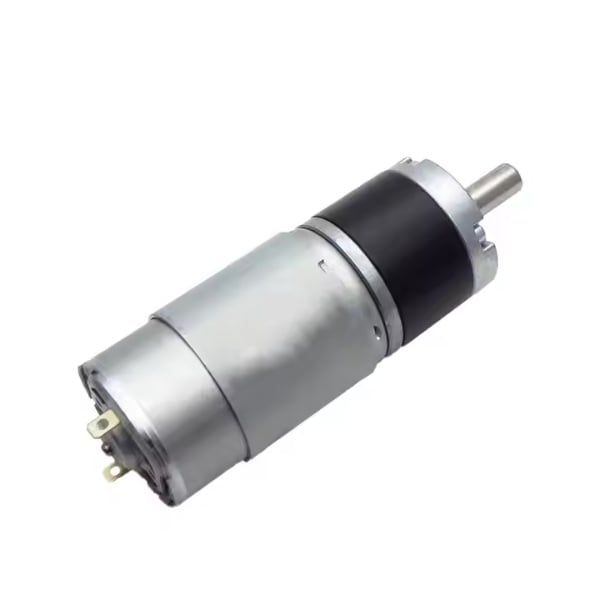
When considering a planetary gear motor, several specifications and factors should be evaluated to ensure the selected motor meets application requirements:
Torque and Speed Requirements: Assess the torque needed for your application, as hydraulic planetary gearbox provide high torque in a compact form. The speed range is also crucial; ensure the motor can operate efficiently within your specified parameters.
Gear Ratio: The gear ratio determines the speed and torque output. A higher gear ratio generally increases torque while decreasing speed. Buyers should match the gear ratio with their application needs.
Size and Weight: The form factor is essential for integration into existing machinery. Buyers should verify that the dimensions of the motor are compatible with installation constraints.
Material Selection: The construction materials of the gear motor impact its durability and performance. Common materials include aluminum and steel, which offer different strengths and weight characteristics.
Operating Environment: Consider factors such as temperature range, humidity, and potential exposure to chemicals, which can affect motor longevity and performance.
Customization Needs: If the standard offerings do not meet specific requirements, buyers should inquire about customization options, which can include modifications in size, shape, or performance specifications.
Before finalizing a purchase, it's advisable to request samples to evaluate performance and ensure that the motor meets all operational expectations.
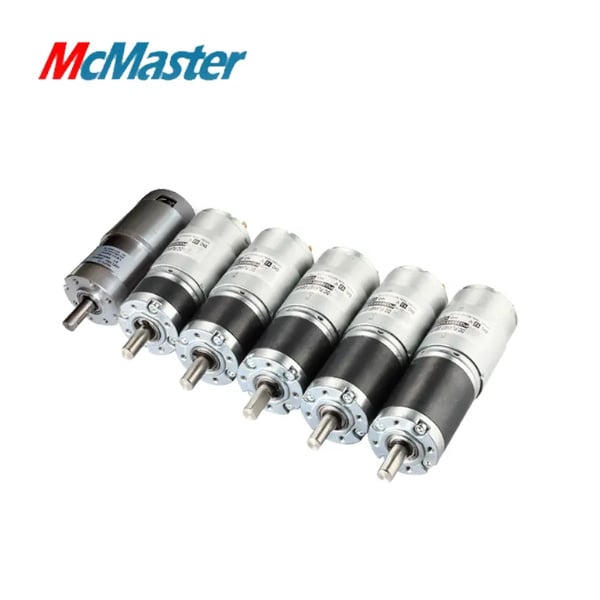
The cost of a planetary gear motor can vary significantly based on several critical factors:
Quality of Materials: Higher-quality materials typically lead to increased costs but can enhance durability and performance. For instance, using premium alloys can improve resistance to wear and thermal expansion.
Manufacturing Processes: Advanced manufacturing technologies, such as CNC machining and precision assembly, may result in higher production costs but can yield motors with better tolerances and performance characteristics.
Customization Options: Customized motors that require specific features or adjustments will generally carry a premium price. Buyers should weigh the benefits of customization against budget constraints.
Volume Discounts: Purchasing in bulk often allows for negotiation of better pricing terms. It’s advisable to discuss potential discounts with suppliers based on order volume.
Lead Times and Shipping: Expedite shipping options can add to costs. Buyers should plan their procurement timelines accordingly to avoid unexpected expenses.
Understanding these cost factors can help buyers make informed decisions and budget effectively for their projects.
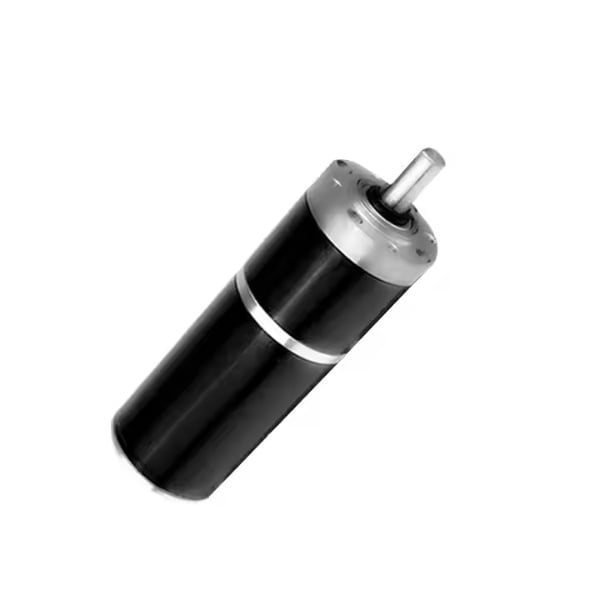
Even high-quality planetary gear motors may encounter issues during operation. Below are some common problems and their respective solutions:
Overheating: This can result from excessive load, poor ventilation, or inadequate lubrication. Ensure that the motor is appropriately sized for the application, and consider implementing cooling systems or improving airflow around the motor.
Gear Wear: Gear wear can result from misalignment or using the motor outside its specified torque limits. Regular maintenance checks and ensuring proper installation can help mitigate this issue.
Noise and Vibration: Unusual noises can signal misalignment or wear. Conducting routine inspections and ensuring that the motor is mounted securely can help prevent these issues.
Electrical Failures: Issues such as short circuits or insulation breakdown can occur, particularly in environments with high humidity or exposure to chemicals. Using motors designed for specific environmental conditions can help reduce these risks.
Inconsistent Performance: Variability in output can stem from gear slippage or wear. Implementing a monitoring system to track motor performance can provide early warnings of potential issues.
Addressing these common problems proactively can enhance the longevity and reliability of planetary gear motors in various applications.
Planetary gear motors are utilized across multiple sectors due to their efficiency and adaptability. Some notable applications include:
Automation and Robotics: In automation, these motors provide precise control and high torque, essential for robotic arms and conveyor systems, facilitating the smooth operation of production lines.
Consumer Electronics: Compact and efficient, planetary gear motors are used in devices such as printers and electric tools, where space and power efficiency are critical.
Automotive: In the automotive sector, these motors are found in applications ranging from electric steering systems to automatic transmission systems, offering reliability and performance.
Medical Equipment: The precision and reliability of planetary gear motors make them suitable for medical devices, including surgical robots and diagnostic equipment, where accuracy is paramount.
IoT Devices: With the rise of smart technologies, planetary gear motors are increasingly integrated into IoT applications, providing the movement required in smart locks and automated window systems.
Understanding these applications can help buyers identify where planetary gear motors can add value to their projects and operations.

 EN