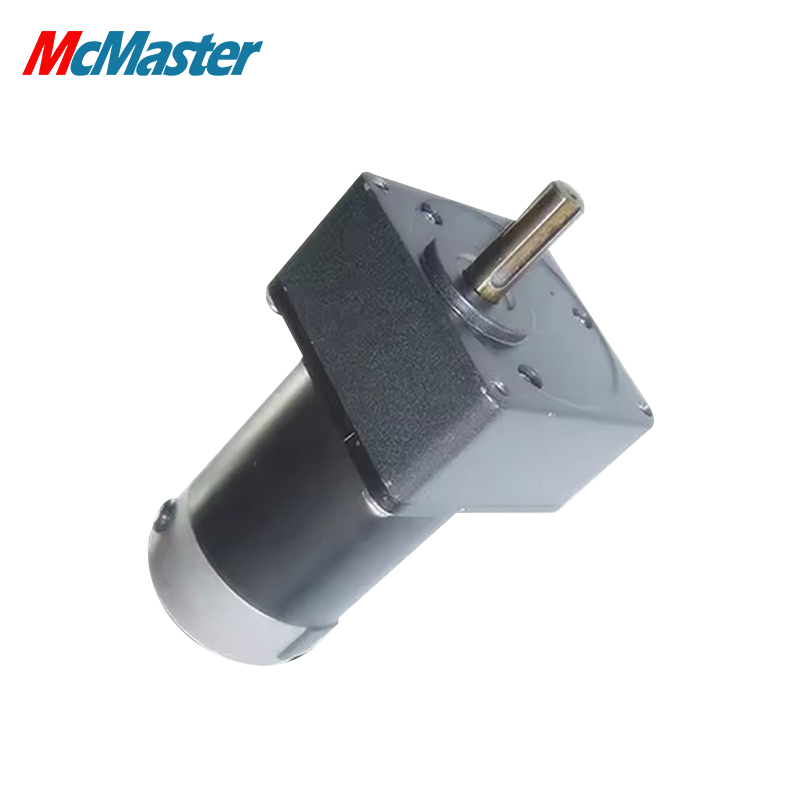
12 volt DC electric motors are essential components in a wide range of applications, from consumer electronics to industrial automation. As a B2B buyer, your primary concerns likely include selecting a motor that meets your specifications, understanding installation requirements, and ensuring reliability in performance. This article will guide you through the key aspects of sourcing, specifications, common installation issues, applications, and the benefits of 12 volt DC electric motors, equipping you with the necessary knowledge to make informed purchasing decisions.
When sourcing 12 volt DC electric motors, it's crucial to partner with a reputable manufacturer that can provide consistent quality and reliability. Established suppliers typically offer a range of options, including different sizes, power ratings, and features tailored to various applications. For example, Changzhou McMaster Electric, with over 20 years of experience, specializes in high-tech brushless dc electric motor solutions and has successfully served diverse sectors across 150 countries.
When considering wholesale sourcing, evaluate the manufacturer’s production capabilities, including their ability to handle large orders and customizations. Look for certifications that ensure quality management, such as ISO standards, which indicate adherence to rigorous production processes. Additionally, inquire about minimum order quantities (MOQ) and lead times, as these factors can significantly impact your project timelines.
Understanding the specifications of 12 volt DC electric motors is critical for ensuring compatibility with your application. Key specifications to consider include:
Voltage and Current Ratings: Ensure that the motor matches the required voltage (12 volts) and can handle the expected current for your application. This affects performance and efficiency.
Torque and Speed: These specifications determine the motor's performance. Higher torque is necessary for applications requiring heavy lifting, while speed ratings will impact the overall operation of your machinery.
Physical Dimensions: The size of the motor must fit within the design constraints of your application. Pay attention to length, diameter, and mounting configurations.
Efficiency Ratings: Look for motors with high efficiency ratings, as these can lead to lower energy costs and longer operational life.
Operating Environment: Consider factors such as temperature range, humidity, and exposure to chemicals. Motors may require specific materials or protective coatings to withstand harsh environments.
By carefully evaluating these specifications, you can ensure that the selected motor will perform effectively in your intended application.
Installing McMaster Electric 12 volt DC electric motors can present several challenges. Understanding common issues and their solutions can help streamline the installation process:
Misalignment: Ensure that the motor is properly aligned with the driven load. Misalignment can lead to excessive wear and reduced efficiency. Use alignment tools to verify correct positioning before securing the motor.
Inadequate Wiring: Proper wiring is crucial for motor performance. Verify that the wire gauge is appropriate for the current load to prevent overheating. Use connectors that ensure a secure and reliable connection.
Insufficient Cooling: Some applications may generate excess heat, which can damage the brushless electric motor. Ensure there is adequate ventilation and consider adding cooling fans or heat sinks if necessary.
Vibration Issues: Motors can generate vibrations that may affect other components. Use vibration dampers or isolate the motor from sensitive equipment to minimize impacts.
Being aware of these common installation problems allows buyers to implement preventive measures, ensuring a smoother installation process and prolonged motor life.
12 volt DC electric motors are versatile and can be found in various applications across multiple industries:
Consumer Electronics: These motors power devices like toys, small appliances, and automotive accessories. Their compact size and efficiency make them ideal for portable applications.
Automotive: In the automotive sector, 12 volt DC motors are used for window lifts, seat adjustments, and HVAC systems, providing reliable operation in demanding environments.
Industrial Automation: Automated systems in manufacturing often utilize these motors for conveyors, actuators, and robotic applications, where precision and control are crucial.
Medical Equipment: In healthcare, 12 volt DC electric motors drive devices such as pumps and diagnostic equipment, where reliability and safety are paramount.
Robotics and IoT: With the rise of smart technology, these motors are integral to robotics and IoT devices, enabling intelligent operation and connectivity.
Understanding the various applications helps buyers identify the best motor for their specific needs, ensuring compatibility and efficiency.
The advantages of using McMaster Electric 12 volt DC electric motors extend beyond their basic functionality:
Compact Design: Their small footprint allows for easy integration into tight spaces, making them suitable for applications where size matters.
Low Voltage Operation: Operating at 12 volts reduces energy consumption and enhances safety, especially in consumer products.
Torque Control: Many 12 volt DC motors offer precise torque control, enabling them to perform tasks with accuracy and reliability.
Versatility: These motors can be used in a multitude of applications across various industries, providing flexibility for manufacturers and engineers alike.
Customization Options: Reputable manufacturers often offer customization options, allowing buyers to tailor motors to their specific needs, such as speed, torque, and size.
By understanding these features and benefits, you can better assess which linear electric motor aligns with your project requirements, ultimately leading to improved performance and cost-effectiveness.

 EN