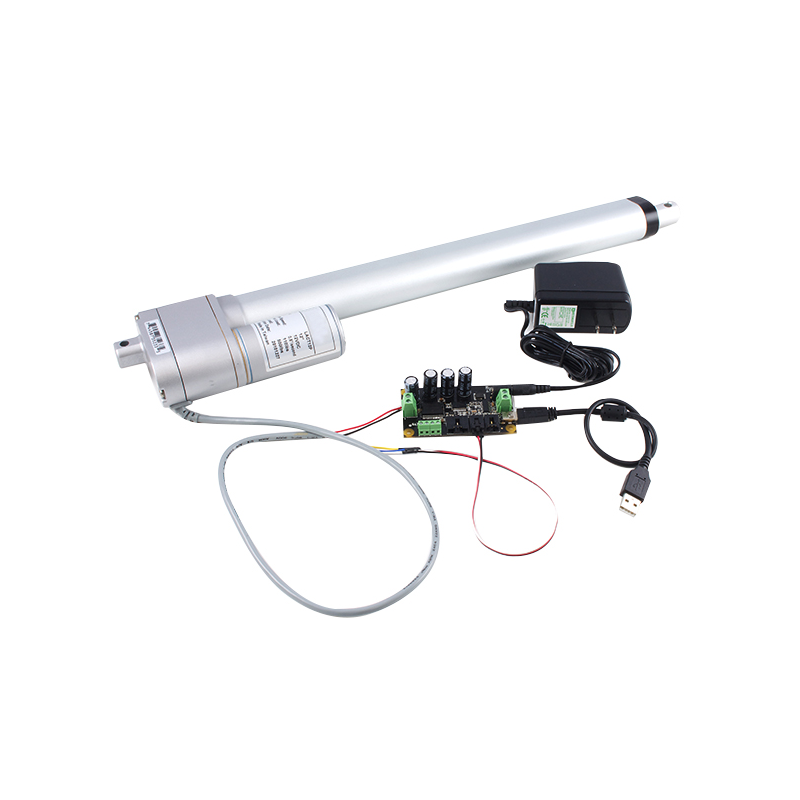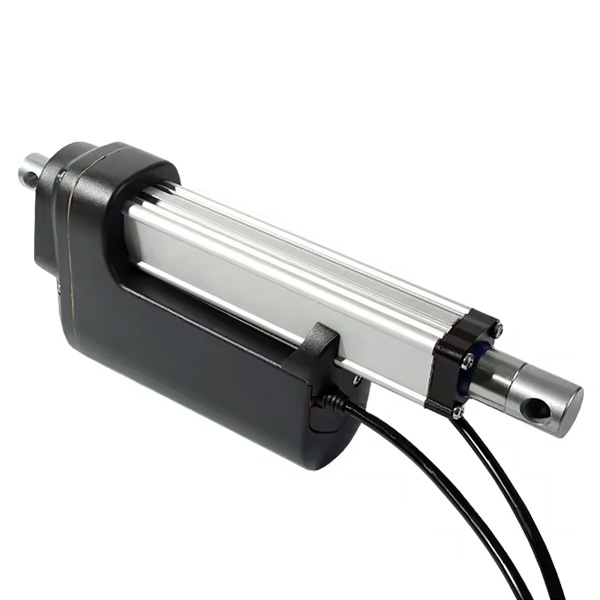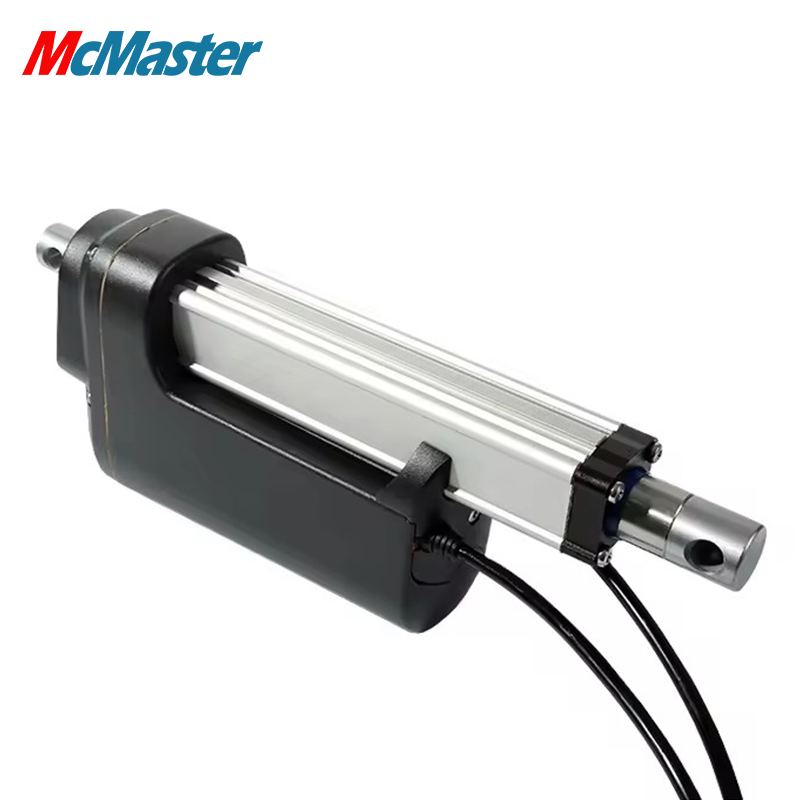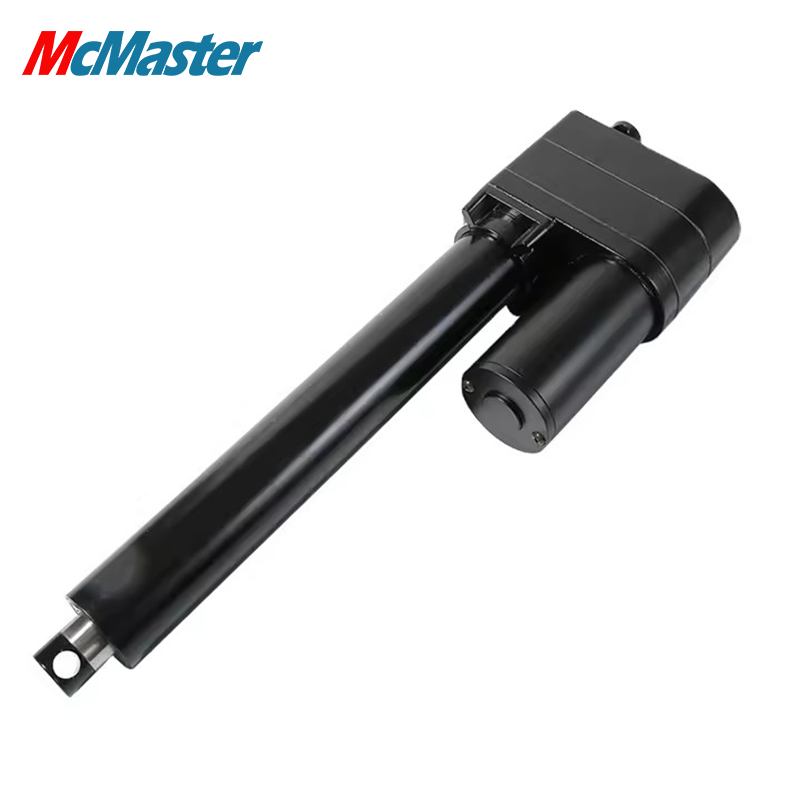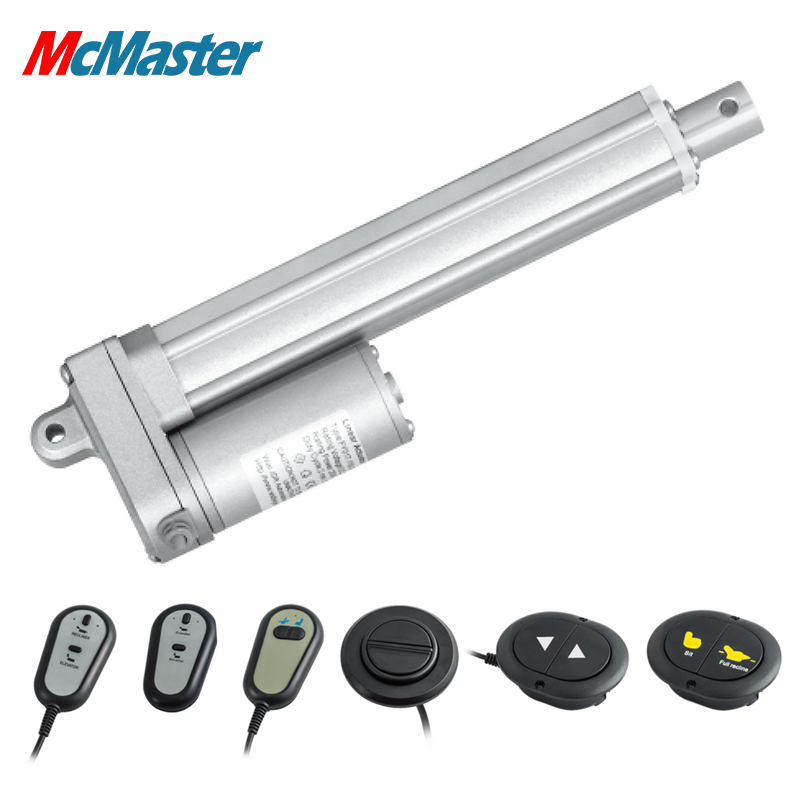
Linear electric motors are critical components in various industrial applications, providing precise motion control and high efficiency. As manufacturers and engineers look to improve production processes, understanding the key aspects of linear electric motors becomes essential. This article will delve into essential specifications, quality control measures, selection criteria for diverse applications, common challenges, and the advantages of the materials used in production. By the end, you'll be better equipped to make informed purchasing decisions regarding linear bldc electric motor.
When evaluating linear electric motors, several key specifications should be considered:
Force Output: This is the amount of force the motor can exert, typically measured in Newtons (N). Buyers should ensure that the force output meets the requirements of their application, as insufficient force can lead to performance issues.
Stroke Length: The distance the motor can travel in a single movement is crucial. This specification impacts the motor's suitability for specific tasks. An application requiring a longer stroke will need a motor designed to accommodate that range.
Speed: The maximum speed of the motor, expressed in meters per second (m/s), is vital for applications needing rapid movements. However, buyers should consider the trade-off between speed and force, as increasing one may decrease the other.
Accuracy and Repeatability: Precision in positioning is critical in many applications. Buyers should check the motor's specifications for accuracy (how close the motor can get to the desired position) and repeatability (the consistency of positioning over multiple cycles).
Power Requirements: Understanding the voltage and current specifications is essential for compatibility with existing systems. Buyers should verify these requirements to ensure proper integration into their machinery.
Environmental Ratings: Depending on the application, environmental factors like humidity, dust, and temperature can affect motor performance. Buyers should look for planetary gearbox for servo motor with suitable IP ratings or other environmental protections.
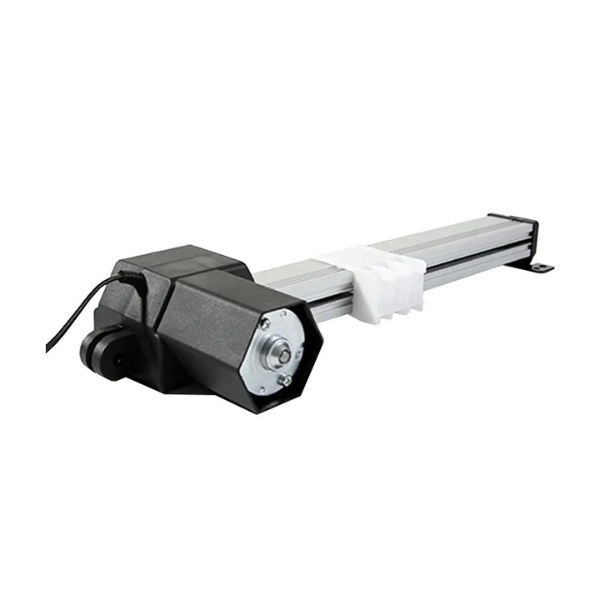
Quality control is paramount in the manufacturing of linear electric motors to ensure reliability and performance. Here are key measures that reputable manufacturers, such as Changzhou McMaster Electric, utilize:
Material Inspection: Every batch of materials used in production undergoes stringent quality checks to ensure they meet specified standards. This includes verifying the composition and properties of materials like magnets, coils, and casing.
Process Monitoring: Continuous monitoring during the manufacturing process helps identify any deviations from standard operating procedures. This includes checks on assembly techniques, winding processes, and mechanical alignments.
Performance Testing: Finished motors are subjected to various tests, including load testing, thermal cycling, and vibration analysis. These tests simulate real-world operating conditions to ensure that the motor can withstand its intended use.
Certification and Compliance: Adhering to international quality standards (such as ISO 9001) helps ensure that the manufacturing processes are consistently controlled. Certificates of compliance provide buyers with assurance of quality.
Final Inspection: Before shipping, a final inspection is conducted to verify that all specifications are met. This includes visual inspections and functional testing to confirm that the motor operates as intended.
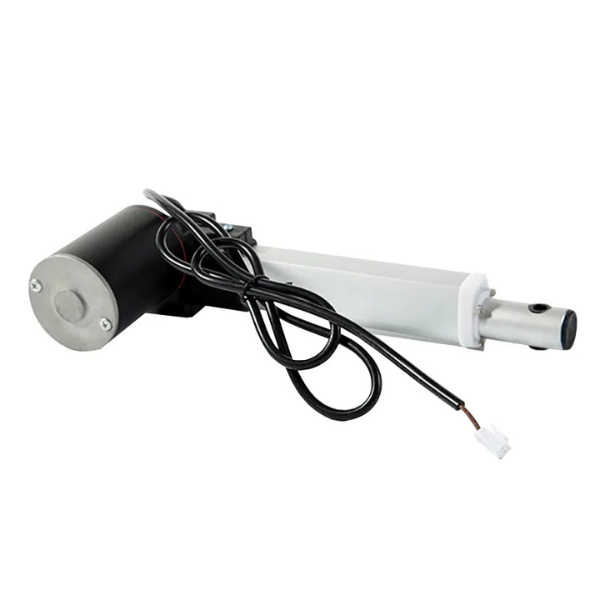
Selecting the appropriate linear electric motor depends on the specific requirements of your application. Here are some factors to consider:
Application Type: Different applications (e.g., robotics, automation, medical devices) may require unique specifications. For instance, medical applications often demand motors with high precision and reliability.
Load Conditions: Buyers should assess the load conditions the motor will encounter. Motors designed for heavy loads must exhibit higher force output and durability.
Operating Environment: The intended environment (e.g., clean rooms, outdoor settings) can dictate material choices and design features. Motors exposed to harsh conditions may require protective casings or coatings.
Customization Needs: Many manufacturers offer customization options tailored to specific applications. Buyers should communicate their needs regarding dimensions, force requirements, and mounting configurations.
Integration with Existing Systems: Compatibility with existing machinery and control systems is crucial. Buyers should verify that the motor's specifications align with their current setups, including power supply and control interfaces.
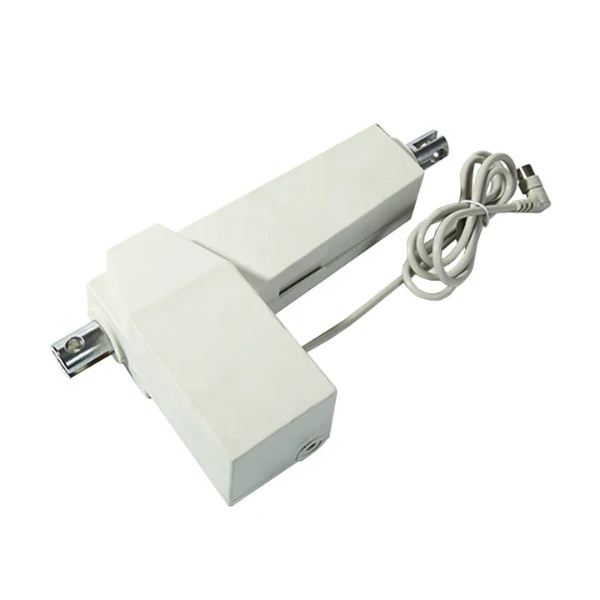
While linear electric motors are highly efficient, they can face several common issues. Understanding these problems and their solutions can help buyers mitigate risks:
Overheating: Excessive heat can lead to motor failure. To prevent this, ensure adequate cooling measures are in place, such as heat sinks or active cooling systems. Also, verify that the motor is not overloaded beyond its specifications.
Loss of Positioning Accuracy: This issue can occur due to mechanical wear or electrical noise. Regular maintenance and recalibration can help maintain accuracy. Implementing feedback systems can also assist in correcting positioning errors.
Electrical Interference: Motors can be sensitive to electrical noise from nearby equipment. Using shielded cables and proper grounding techniques can minimize interference and improve performance.
Wear and Tear: Frequent use can result in wear on moving parts. Regular inspections and maintenance schedules should be established to replace worn components before they lead to failure.
Installation Issues: Incorrect installation can lead to operational inefficiencies. Buyers should follow manufacturer guidelines closely and consider professional installation if necessary.
The materials chosen for linear electric motors significantly affect their performance and durability. Here are some advantages of commonly used materials:
Aluminum: Often used for the housing, aluminum is lightweight yet strong, providing a good balance of durability and efficiency. Its thermal conductivity also aids in heat dissipation.
Copper: As a primary material for windings, copper offers excellent electrical conductivity, leading to improved motor efficiency. High-purity copper can minimize resistive losses, enhancing overall performance.
Permanent Magnets: Neodymium magnets are commonly used due to their strong magnetic properties, allowing for compact designs with high force output. They provide stable performance across various temperatures.
Plastic and Composite Materials: In non-load-bearing components, plastics and composites can reduce weight and resist corrosion. These materials are often used in environments where moisture or chemicals are present.
Steel: For structural components, high-quality steel provides the necessary strength and durability. It can withstand high loads and is often used in applications requiring robust performance.
By understanding these materials and their benefits, buyers can make informed decisions regarding the construction and suitability of linear electric motors for their specific applications.
Through careful consideration of specifications, quality control measures, application requirements, common challenges, and material advantages, B2B buyers can confidently select linear electric compact gear motor that meet their operational needs.

 EN