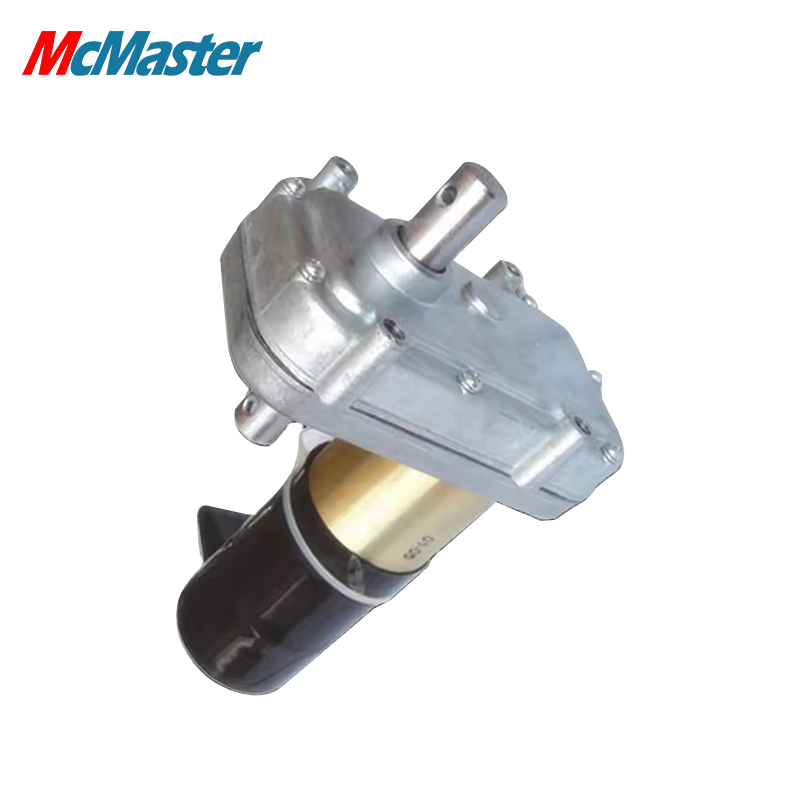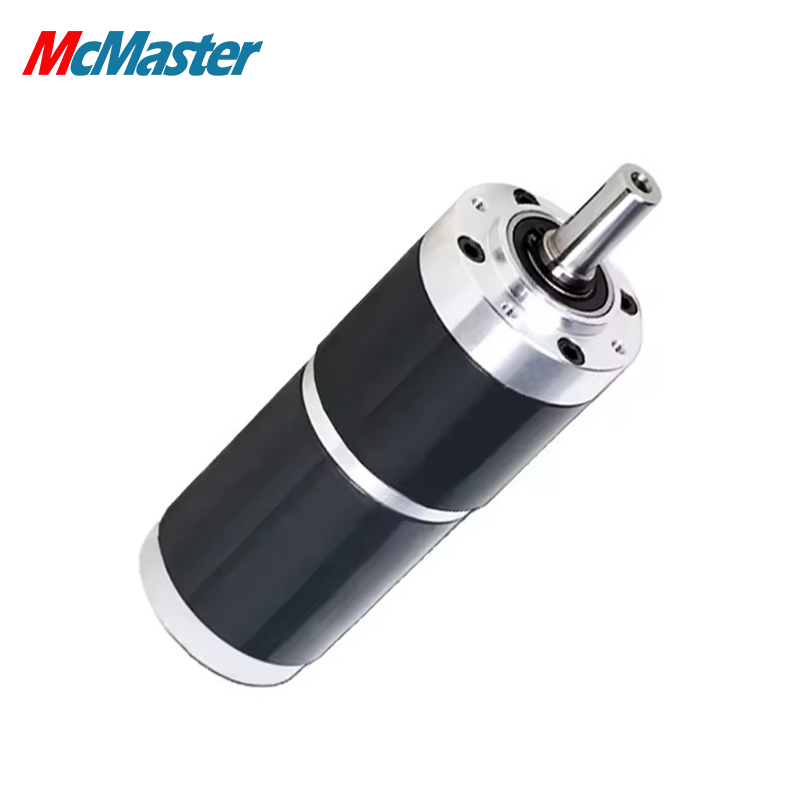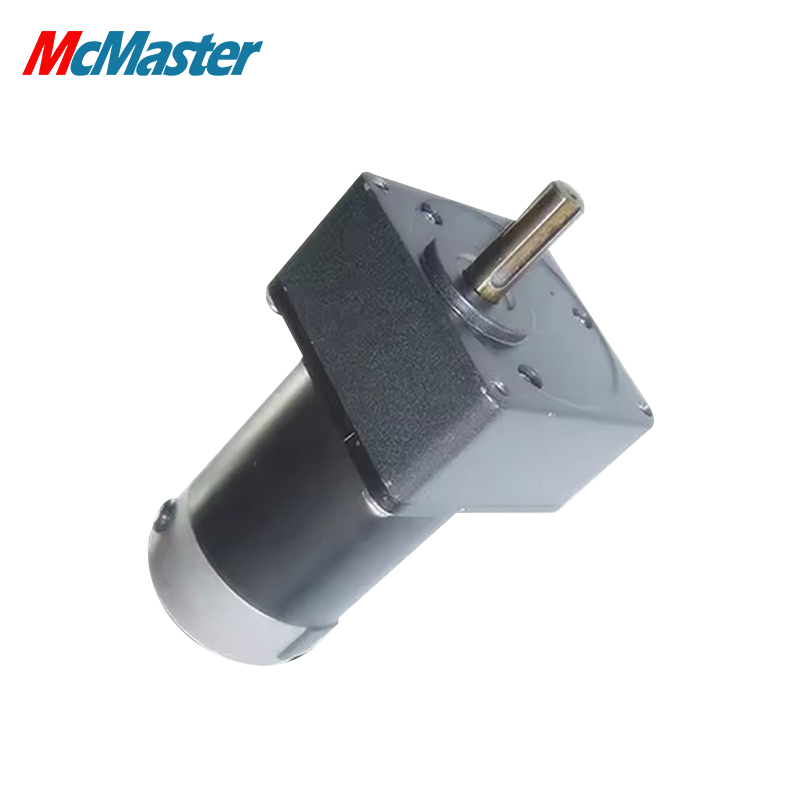
Choosing the right 12V DC electric motor is essential for various applications across industries such as automation, robotics, and consumer electronics. As a B2B buyer, your main concerns typically revolve around reliability, performance specifications, and compatibility with existing systems. This article will guide you through the key considerations when selecting a 12V DC electric motor, comparing options for wholesale purchasing, and sourcing trustworthy suppliers, ultimately helping you make an informed decision.
When selecting a 12V DC electric motor, several critical factors should be taken into account:
Application Requirements: The intended use of the motor will dictate specifications such as torque, speed, and power consumption. For example, motors used in robotics may require higher torque for lifting mechanisms, while those in consumer electronics may prioritize compact size and efficiency.
Motor Type: There are various types of 12V DC motors, including brushed and brushless options. Brushed motors tend to be simpler and more cost-effective, while brushless motors offer higher efficiency and longer life spans, making them suitable for applications where longevity is critical.
Physical Dimensions: Ensure that the motor's dimensions fit within the design constraints of your project. Pay attention to mounting options and weight, especially if the motor will be integrated into a mobile or portable device.
Environmental Conditions: Consider the operating environment. Motors exposed to moisture, dust, or extreme temperatures may require specific enclosures or materials to ensure durability and reliability.
Noise Levels: In applications such as medical devices or consumer electronics, noise can be a significant concern. Brushless motors typically operate more quietly than brushed motors, making them a preferred choice in these scenarios.
By understanding these factors, you can select a motor that not only meets your technical requirements but also aligns with your project's budget and timeline.
When comparing 12V DC electric motors for wholesale purchasing, focus on the following aspects:
Specifications: Review the technical specifications, including voltage, current ratings, torque, RPM, and efficiency ratings. Ensure that the motors you are considering meet the performance criteria required for your application.
Supplier Reputation: Research potential suppliers to assess their reliability. Look for customer reviews, industry certifications, and years of experience. A supplier like Changzhou McMaster Electric, with two decades in the field and an extensive global reach, showcases its capability to deliver quality products consistently.
Customization Capabilities: If your project has unique requirements, consider suppliers offering customization options. This could include variations in size, material, or performance specifications tailored to your specific application.
Pricing Structures: Compare pricing across different suppliers while considering factors such as minimum order quantities (MOQ) and bulk discounts. A lower unit price may not always represent the best value if the quality is compromised.
Lead Times and Availability: Confirm the lead times for the motors you are interested in. Reliable suppliers should provide clear timelines for production and shipping, ensuring that you can meet your project deadlines.
By systematically evaluating these factors, you can identify the most suitable 12V dc electric motors for your bulk purchasing needs.
In industrial applications, the following specifications are particularly important when selecting a 12V DC electric motor:
Torque and Speed Ratings: Torque is crucial for applications requiring lifting or rotational motion, while speed ratings determine how quickly the motor can operate. Depending on the application, you may need a motor with high starting torque or one that can sustain high-speed operations.
Efficiency: Higher efficiency motors convert more electrical energy into mechanical energy, leading to lower operational costs and reduced heat generation. Look for motors with efficiency ratings, particularly for continuous operation scenarios.
Duty Cycle: This refers to the duration the motor can run without overheating. In industrial settings, a motor with a higher duty cycle will be more reliable, particularly in applications requiring prolonged use.
Temperature Ratings: Ensure that the motor can operate effectively within the temperature range of your application. Motors designed for high-temperature environments may use specialized materials to prevent overheating.
Protection Ratings: For motors exposed to harsh conditions, check for ingress protection (IP) ratings. Higher IP ratings indicate better resistance to dust and moisture, which is essential for durability in industrial settings.
Understanding these specifications will help you select a motor that meets the rigorous demands of your industrial applications, ensuring performance and reliability.
Finding reliable suppliers for 12V DC electric motors requires thorough research and evaluation. Here are some strategies to identify trustworthy manufacturers:
Industry Directories and Trade Shows: Utilize online industry directories or attend trade shows to discover reputable suppliers. These platforms often feature established manufacturers with proven track records in the industry.
Referrals and Recommendations: Consult with peers or industry colleagues who have experience in purchasing linear electric motor. They can provide insights into reliable suppliers and share their experiences.
Certifications and Compliance: Verify that potential suppliers hold relevant industry certifications, such as ISO standards, which reflect their commitment to quality and manufacturing excellence.
Trial Orders: Before committing to bulk purchases, consider placing a trial order for a small quantity of motors. This allows you to evaluate the product quality and the supplier's responsiveness to inquiries and issues.
Customer Support: Assess the level of customer support provided by suppliers. Reliable manufacturers should offer technical assistance and readily address any concerns during the purchasing process.
By employing these strategies, you can identify suppliers that align with your quality standards and project requirements, ensuring a successful procurement process.
When purchasing 12V DC electric motors in bulk, several cost factors should be considered:
Unit Price: The base cost per motor is a primary consideration. However, evaluating the total cost of ownership, which includes installation, maintenance, and energy consumption, is equally important.
Shipping and Handling Costs: Factor in shipping costs, which can vary significantly based on the supplier's location, the shipping method chosen, and the total weight of the order. Understanding these costs upfront can help you budget more effectively.
Minimum Order Quantities (MOQ): Many suppliers require a minimum order quantity, which can impact your overall purchasing budget. Be sure to confirm MOQs and negotiate if necessary, especially if you are purchasing a large volume.
Warranty and Support Costs: Consider the costs associated with warranties and after-sales support. A more expensive motor that includes robust support may provide better long-term value compared to a cheaper option with limited or no warranty.
Customizations and Modifications: If you require custom features or modifications, be aware that these can increase the overall cost. Discuss your requirements with suppliers to get accurate pricing for any necessary alterations.
By carefully considering these cost factors, you can make smarter purchasing decisions that align with your budget and operational goals.

 EN