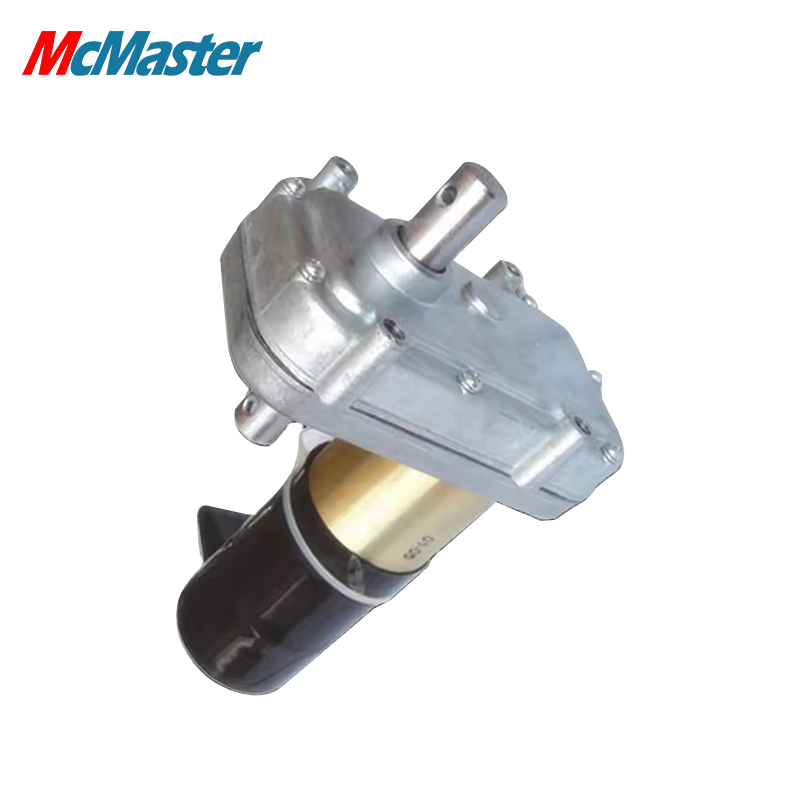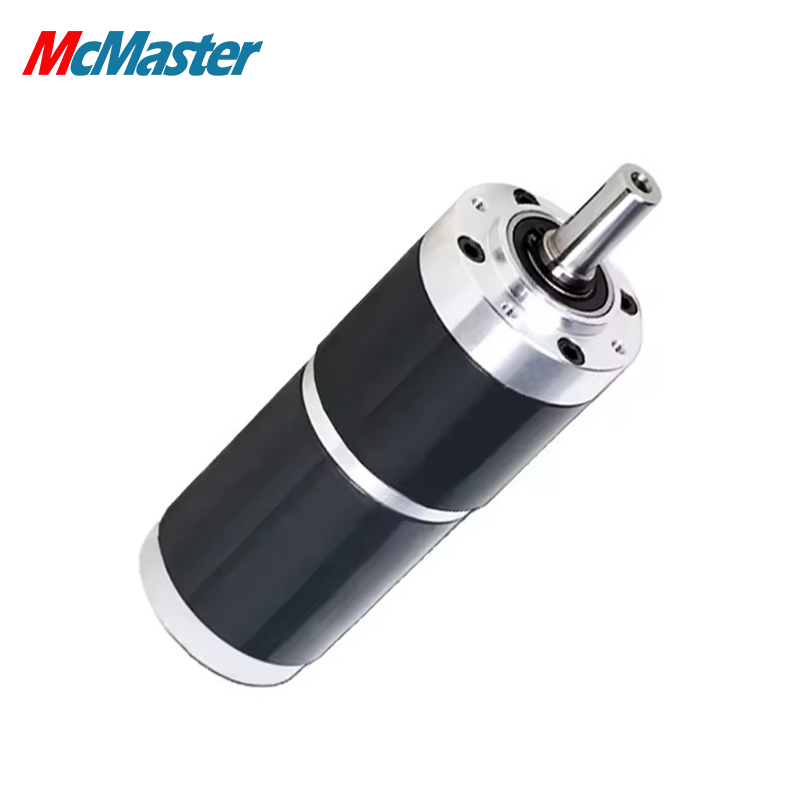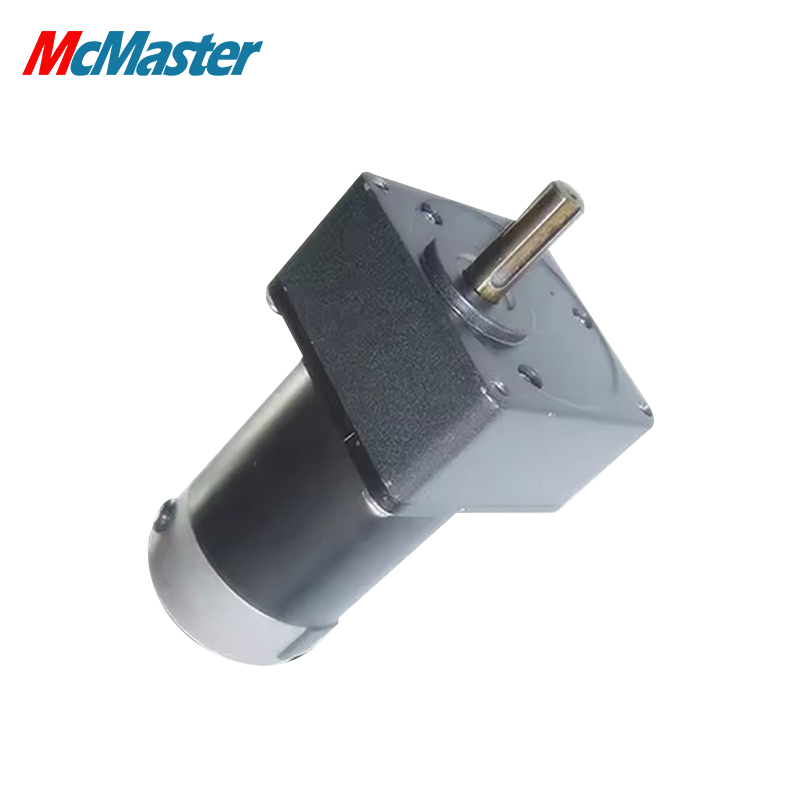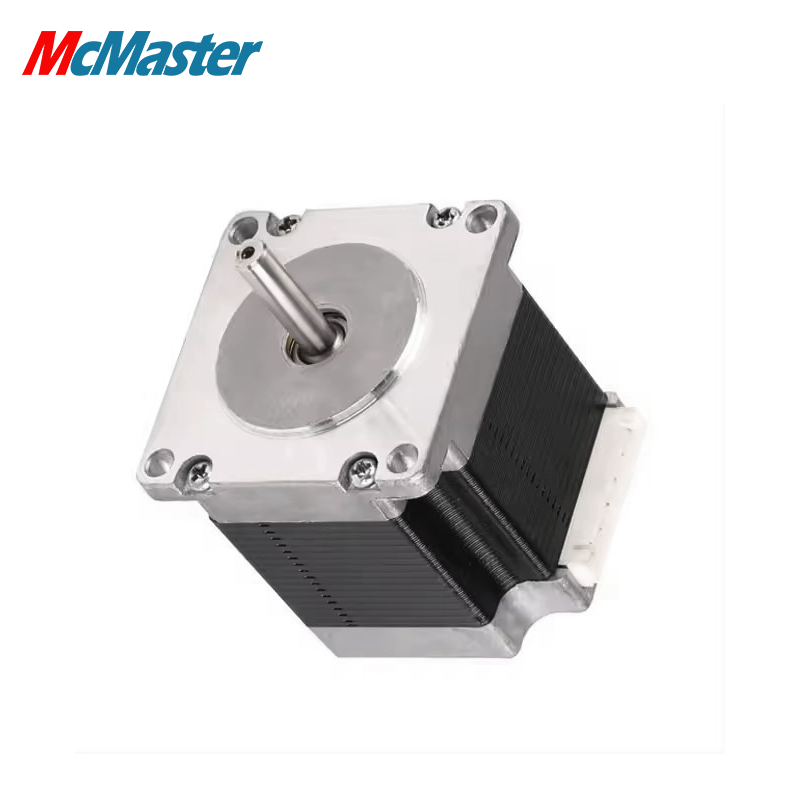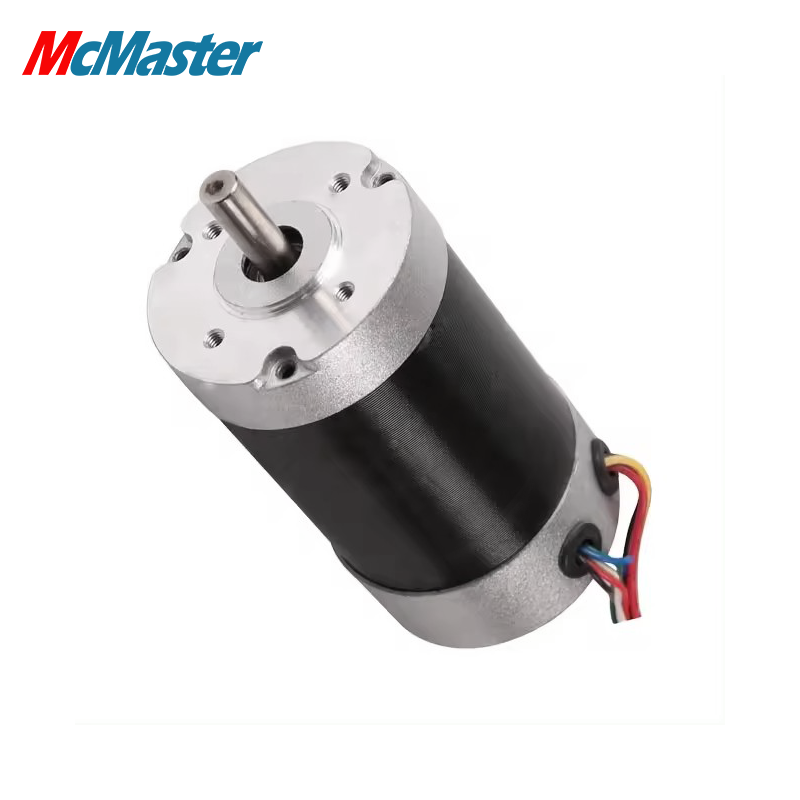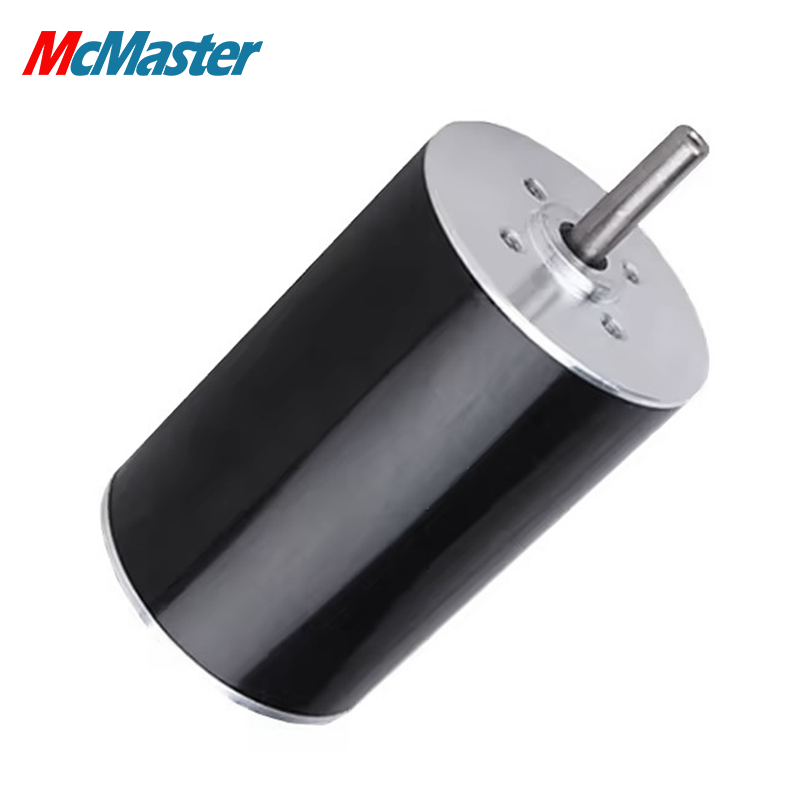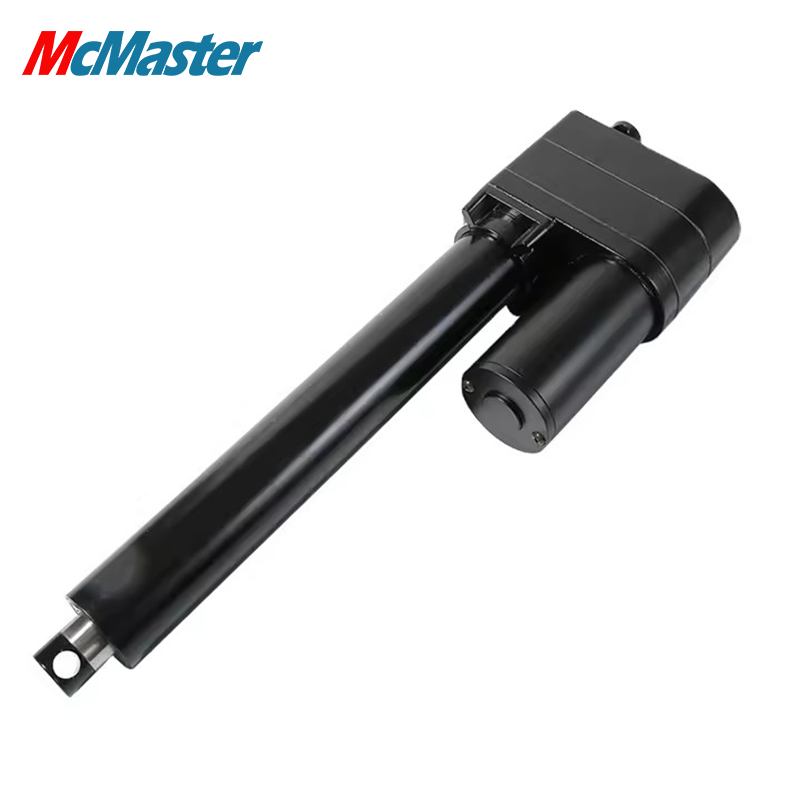
When selecting a 12V electric motor with gearbox for your project, it's crucial to understand how these components work together and what factors to consider. This article will address key specifications and installation considerations, as well as solutions for common issues that may arise with these systems, helping you make a well-informed purchasing decision.
Selecting the right 12V electric motor with a gearbox involves understanding your specific application needs and operational demands. Key factors to consider include torque requirements, speed ratings, and environmental conditions. For example, if your application requires high torque at low speeds, you’ll want a motor with a suitable gearbox ratio that maximizes torque output.
Additionally, consider the size and weight constraints of your project. The physical dimensions of the motor and electrical gearbox must fit within the design specifications of your application. Whether it’s for robotics, automotive, or industrial automation, ensure that the selected motor can integrate seamlessly with other system components while providing the necessary performance.
Another important consideration is the efficiency of the motor and gearbox combination. Higher efficiency means less energy loss and lower operational costs, which is particularly important in applications with continuous use. Evaluating the efficiency ratings provided by the manufacturer can help you choose a motor that aligns with your sustainability goals.
When evaluating 12V electric motors with gearboxes, several key specifications should be closely examined:
Torque and Speed: The motor's torque and speed ratings will dictate how well it can perform under load. For applications requiring consistent performance, ensure the torque is sufficient for the intended load, and the speed aligns with operational needs.
Gear Ratio: Gear ratio significantly affects the output torque and speed of the motor. A higher gear ratio increases torque and decreases speed, while a lower gear ratio does the opposite. Understanding the specific requirements of your application will guide you in selecting the appropriate gear ratio.
Dimensions and Weight: The size of the motor and gearbox assembly impacts both the design and functionality of your application. Ensure that the dimensions fit within the available space and consider the weight, especially for mobile applications.
Efficiency Ratings: Look for motors with high efficiency ratings to minimize energy consumption. This not only reduces operational costs but also contributes to the longevity of the motor and gearbox system.
Operating Environment: Consider the environmental conditions where the motor will operate. Factors such as temperature extremes, moisture levels, and exposure to chemicals can affect motor performance and lifespan.
Control and Feedback Systems: Depending on your application, you may need motors with built-in feedback systems for precise control. This can be vital in automation and robotics applications where accuracy is paramount.
Installation of 12V electric motors with gearboxes can present several challenges. One common issue is misalignment between the motor and gearbox, which can lead to increased wear and reduced efficiency. It’s essential to ensure that both components are aligned properly during installation to avoid undue stress on the system.
Another potential issue is inadequate mounting. Proper mounting ensures stability and minimizes vibrations, which can affect performance and longevity. Use appropriate mounting hardware and follow manufacturer guidelines to secure the electric motor gearbox effectively.
Additionally, wiring and electrical connections can pose challenges during installation. Ensure that all connections are secure and insulated to prevent electrical shorts or failures. It's also advisable to verify that the power supply meets the motor's requirements to avoid any operational issues.
Lastly, if your application involves variable load conditions, consider implementing a soft start mechanism to prevent sudden shocks to the motor and gearbox during operation. This can enhance the overall reliability of the system.
Addressing common problems with 12V electric motors and gearboxes requires a proactive approach. Here are several solutions to frequent issues:
Overheating: If the motor or gearbox experiences overheating, it can lead to premature failure. Ensure that the motor is properly rated for the application and consider adding cooling solutions, such as fans or heat sinks, especially in high-load situations.
Noise and Vibration: Excessive noise and vibration can indicate misalignment or wear. Regular maintenance checks can help identify these issues early. Consider using vibration dampening materials or mounts to minimize these effects.
Inconsistent Performance: If the motor is not performing consistently, check for electrical issues such as poor connections or inadequate power supply. Additionally, ensure that the gearbox is free of debris and lubricated properly to maintain smooth operation.
Gear Wear: Gear wear can occur due to excessive load or poor lubrication. Regularly inspect the servo motor gearbox and replace or lubricate gears as necessary to maintain optimal performance. Implementing a maintenance schedule can prevent long-term damage.
Control Issues: If your motor is part of a control system that fails to respond properly, re-evaluate the control parameters and ensure the feedback mechanisms are functioning correctly. Sometimes, re-calibrating the control system can resolve these issues.
By understanding these common problems and their solutions, you can enhance the reliability and performance of your 12V electric motor and gearbox systems, leading to improved operational efficiency in your applications.

 EN