Choosing the right 300mm axial fan is crucial for various industrial applications, ensuring optimal performance and efficiency. This article will guide B2B buyers, including purchasing managers, engineers, and product managers, through the essential aspects of selecting, evaluating, and procuring 300mm axial fan. By addressing common concerns such as specifications, quality, and cost factors, this guide aims to equip you with the knowledge needed to make informed purchasing decisions.
When selecting a 300mm axial fan, the first step is understanding your specific application requirements. These fans are commonly used in ventilation systems, cooling equipment, and industrial machinery. Key factors to consider include airflow capacity, static pressure ratings, and noise levels.
Airflow Capacity: Measured in cubic meters per hour (m³/h), the airflow capacity indicates the volume of air that the fan can move. Ensure that the fan's capacity aligns with your system needs, as insufficient airflow can lead to overheating or operational inefficiencies.
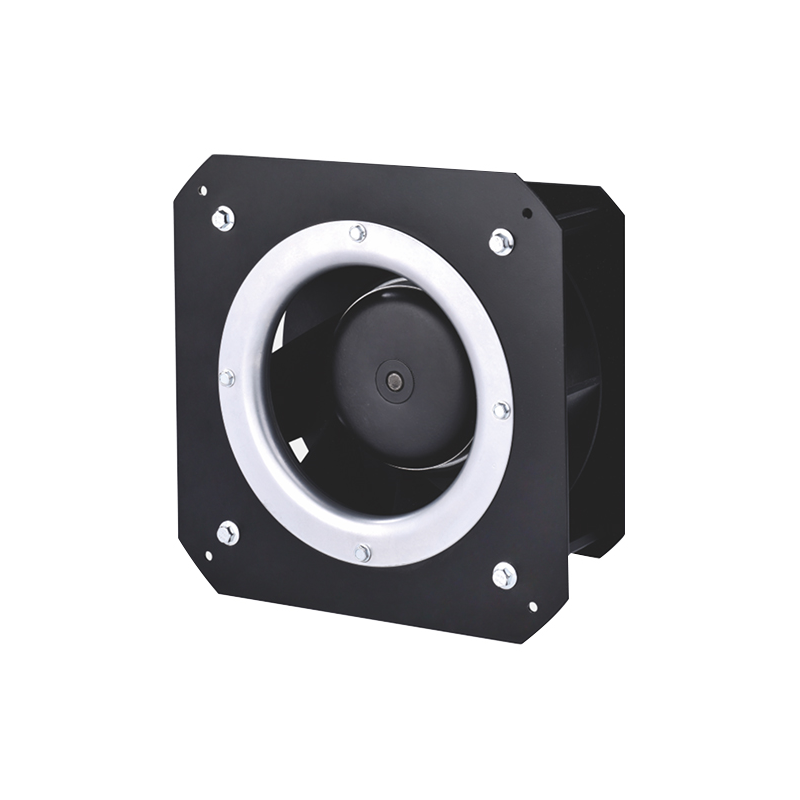
Static Pressure: This is the resistance to airflow within the system. A axial fan motor must generate enough static pressure to overcome any restrictions in the airflow path, such as ducts or filters.
Noise Levels: Noise generated by the fan can impact workplace comfort and compliance with regulations. Check the noise rating (in decibels, dB) and ensure it meets your operational standards.
Environment Compatibility: Depending on the operating conditions (temperature, humidity, and potential exposure to chemicals), the material and design of the fan should be suitable for its environment to ensure longevity and performance.
By evaluating these factors, you can select a 300mm axial fan that not only meets your operational needs but also enhances system efficiency.
Quality evaluation of a 300mm axial fan involves assessing several critical aspects, including materials, manufacturing processes, and certifications.
Materials: Quality fans are typically constructed from high-grade materials such as aluminum, stainless steel, or durable plastics. These materials should withstand operational stresses, including temperature variations and corrosive environments.
Manufacturing Processes: Look for manufacturers that utilize advanced production techniques. Quality control measures should be in place throughout the manufacturing process, such as inspection of raw materials, monitoring production parameters, and testing finished products for performance metrics.
Certifications: Compliance with international standards (such as ISO 9001) indicates a commitment to quality and reliability. Certifications can also provide assurance that the fans meet safety and efficiency standards relevant to your industry.
Performance Testing: Before making a purchase, request performance data and testing results to ensure the fan meets the specified airflow and pressure ratings under actual operating conditions.
By focusing on these evaluation criteria, you can select a high-quality axial fan 300mm that offers reliable performance and durability.
For businesses requiring multiple units of 300mm axial fans, bulk ordering can provide cost advantages and ensure consistency across your supply.
Minimum Order Quantities (MOQ): Different manufacturers may have varying MOQs. Understanding these can help you plan your procurement strategy effectively.
Pricing Benefits: Bulk orders often come with discounts, which can significantly reduce the overall cost per unit. Discuss pricing structures with suppliers to maximize your budget.
Consistency in Quality: Ordering in bulk from a trusted manufacturer can help ensure uniformity in quality and performance across all units. This is particularly important for applications where multiple fans operate within the same system.
Lead Times: Confirm lead times for bulk orders, as production schedules may vary based on quantity. Ensure that the supplier can meet your delivery timelines to avoid operational delays.
Customizations: If your application requires specific modifications, such as changes in materials or dimensions, discuss customization options with the supplier during the ordering process.
By considering these factors, you can streamline your procurement process for 300mm axial fans while ensuring optimal performance and cost efficiency.
Pricing for 300mm axial fans can vary widely based on several factors, including design complexity, materials, and additional features.
Material Selection: The choice of materials directly affects the cost. High-performance materials may lead to higher initial costs but can enhance longevity and efficiency, reducing overall operational expenditures.
Design Features: Features such as variable speed controls, integrated sensors, or customized mounting options may increase costs. Assess whether these features are necessary for your application to balance performance and budget.
Production Processes: The manufacturing method also influences pricing. Fans produced with advanced techniques may come at a premium but often offer better performance and reliability.
Market Demand and Supply Chain Dynamics: External factors such as market demand fluctuations and supply chain conditions can impact pricing. Keep an eye on market trends to make timely purchasing decisions.
Shipping and Handling: Consider shipping costs, especially for bulk orders or international shipments. Discussing packaging options with your supplier can help optimize shipping efficiency and reduce costs.
By understanding these cost factors, you can better navigate the purchasing process and ensure that you obtain a reliable 300mm axial fan that fits your budget.
Like any mechanical component, 300mm axial fans can experience issues that may affect their performance. Here are some common problems and their solutions:
Insufficient Airflow: If a fan is not providing adequate airflow, it may be due to incorrect sizing, obstructions in the intake or exhaust pathways, or a malfunctioning motor. Ensure that the fan is appropriately sized for your application and check for any blockages.
Excessive Noise: Unusual noise can indicate potential issues such as misalignment, damaged blades, or bearing wear. Regular maintenance, including inspection and lubrication, can help mitigate these problems.
Vibration Issues: Excessive vibration can lead to premature wear and operational failures. Ensure that the fan is mounted securely and that the installation is level. Performing routine checks for loose components can help minimize vibration.
Overheating: If the fan is overheating, it might be operating under excessive load or experiencing electrical issues. Verify that the fan is within its operational limits and check for any electrical malfunctions.
Corrosion: For fans operating in harsh environments, corrosion can be a concern. Selecting fans made from corrosion-resistant materials and implementing protective coatings can extend service life.
By proactively addressing these common issues, you can enhance the reliability and efficiency of your 300mm axial fans, ensuring they perform optimally in your operations.

 EN