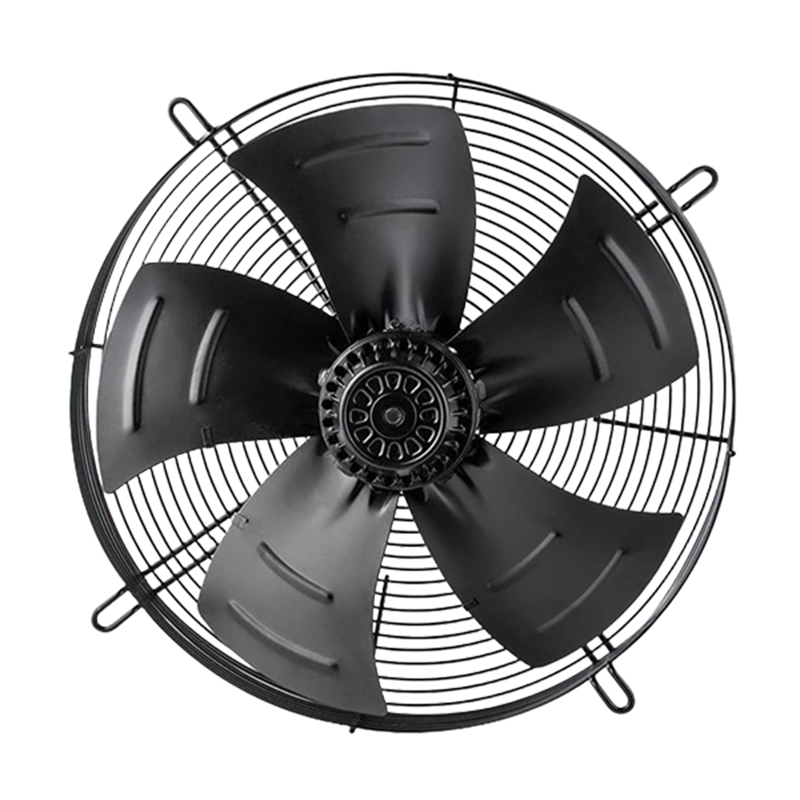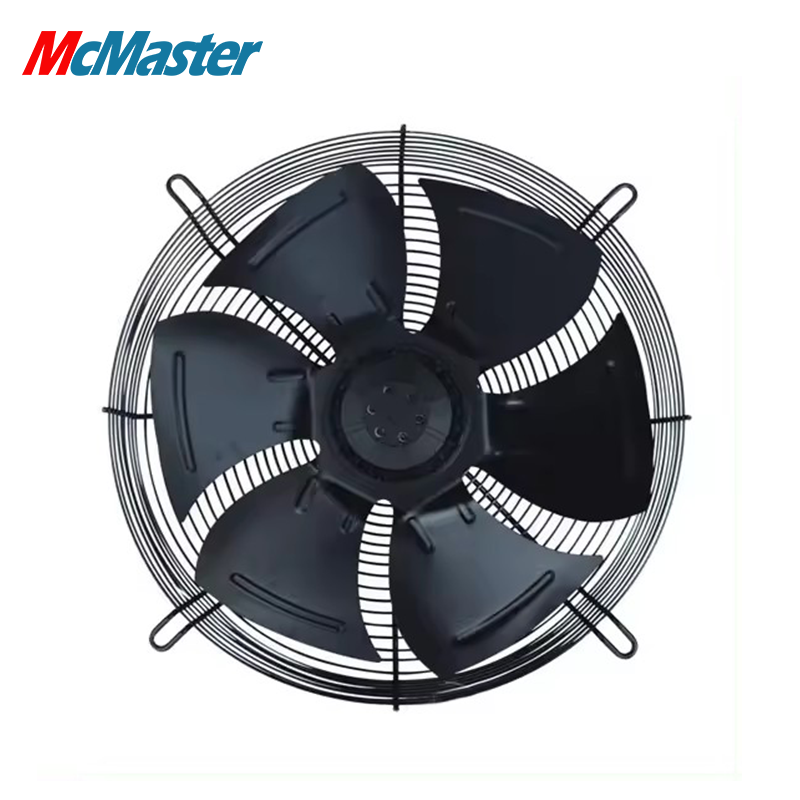
Axial fans are crucial components in various industrial and commercial applications, designed to move air or gas along the axis of the fan. Understanding their specifications, installation, cost factors, applications, and common issues is essential for purchasing managers and engineers to make informed decisions. This article will delve into the key aspects of axial fans, helping you evaluate your options effectively and ensure optimal performance in your specific applications.
When assessing axial fans, several key specifications must be considered to ensure they meet your operational needs. These include:
Airflow Rate (CFM): Measured in cubic feet per minute (CFM), this indicates the volume of air the fan can move. It's critical to match the airflow requirements of your application to prevent inefficiencies.
Static Pressure: This measures the resistance to airflow in the system. An 220v axial fan must be capable of delivering sufficient static pressure to overcome any ducting or filter resistance.
Noise Level: Measured in decibels (dB), the noise produced by the fan is a significant consideration, especially in environments where noise regulations are in place.
Blade Design: Blade shape and material impact performance. Options include different angles and profiles that can enhance efficiency or increase noise levels.
Motor Power and Efficiency: The fan's motor rating affects both performance and energy consumption. Look for high-efficiency motors that comply with energy regulations to reduce operational costs.
Durability and Material Quality: Materials used in construction, such as aluminum or reinforced plastic, affect the fan's lifespan and performance in different environments.
Certifications: Ensure the fan meets industry standards, such as ISO or CE certifications, which can reflect its quality and reliability.
Evaluating these specifications helps ensure that the axial fan selected aligns with operational requirements and performance expectations.
Proper installation of axial fans is vital for maximizing efficiency and lifespan. Here are key steps and considerations:
Location: Install fans in areas with unobstructed airflow. Avoid placing them near walls or obstacles that could disrupt airflow patterns.
Orientation: Ensure the fan is correctly oriented according to manufacturer specifications. Incorrect orientation can lead to reduced performance and increased noise.
Vibration Control: Use vibration dampeners or mounts to 910mm axial fan minimize vibrations that can cause wear and tear or impact nearby equipment.
Ducting: If applicable, ensure that ductwork is appropriately sized and designed to minimize bends and restrictions, which can hinder airflow and increase energy consumption.
Electrical Connections: Verify that all electrical connections comply with safety standards and that the power supply meets the fan's requirements.
Regular Maintenance: Schedule routine inspections and cleaning to prevent dust buildup, which can affect performance and efficiency.
Following these guidelines not only enhances the performance of axial fans but also extends their operational life.
When sourcing axial fans in bulk, several cost factors should be considered to optimize your purchasing process:
Unit Pricing: Generally, bulk orders reduce the unit price. However, negotiate with suppliers to understand bulk pricing structures.
Shipping Costs: Evaluate shipping methods and costs, which can vary significantly based on location and quantity. Consider suppliers that can offer competitive shipping rates.
Lead Times: Longer lead times can affect project timelines. Ensure that the supplier can meet your required delivery dates, especially for large orders.
Customization Fees: If customization is necessary, clarify any additional fees associated with design changes, material selection, or performance adjustments.
Quality Assurance Costs: Consider any additional costs related to quality inspections or certifications that may be required for your application.
Warranty and Support: Evaluate the warranty terms and after-sales support provided by the supplier, as these can impact long-term cost-effectiveness.
Understanding these factors can help you negotiate better deals and make informed purchasing decisions.
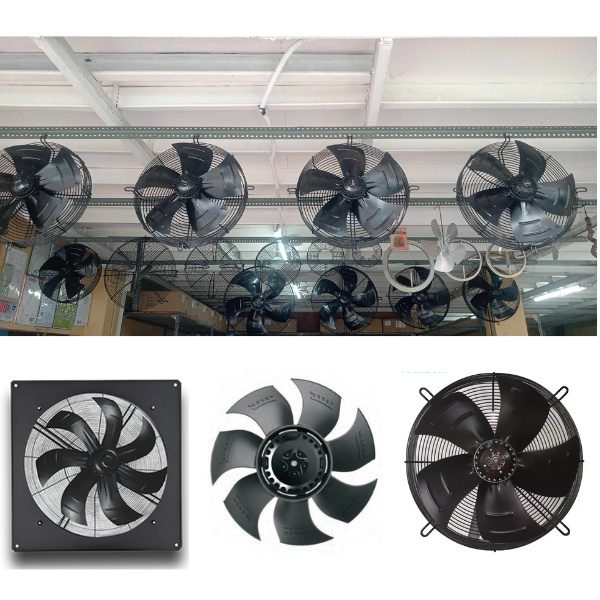
Axial fans are versatile components used across a wide range of industries, including:
HVAC Systems: They play a crucial role in heating, ventilation, and air conditioning systems, providing essential airflow for climate control.
Industrial Processes: Used in cooling systems, exhaust systems, and drying processes, axial fans help maintain optimal temperature and humidity levels.
Automotive: In automotive manufacturing, they are utilized for cooling engines and ventilating exhaust systems.
Robotics and IoT Devices: As part of cooling solutions in robotics and smart devices, 910mm ac axial fan help maintain efficiency during operation.
Medical Equipment: In medical applications, axial fans can be found in devices requiring precise temperature control, such as incubators or diagnostic equipment.
Consumer Electronics: They are commonly used in computer systems and appliances for effective heat dissipation.
Understanding these applications allows purchasing managers to identify the right axial fan for their specific needs, ensuring optimal performance and reliability.
While axial fans are reliable, they can encounter several common issues. Here are some problems and effective solutions:
Noise Issues: Excessive noise can result from improper installation or accumulation of dust and debris. Regular maintenance and ensuring proper installation can mitigate this issue.
Reduced Airflow: This can occur due to blockages in the ductwork or a failing motor. Inspect and clean ducts regularly, and monitor motor performance to ensure optimal operation.
Vibration Problems: Excessive vibration may indicate misalignment or worn bearings. Ensure correct installation and consider replacing worn components as needed.
Overheating: Motors may overheat due to dust accumulation or electrical issues. Regular cleaning and inspection of electrical connections can prevent overheating.
Shortened Lifespan: Operating in unsuitable environments can reduce a fan's lifespan. Ensure that the selected fan is rated for the specific conditions of the installation site.
By proactively addressing these common issues, you can enhance the performance and reliability of axial fans in your operations.

 EN