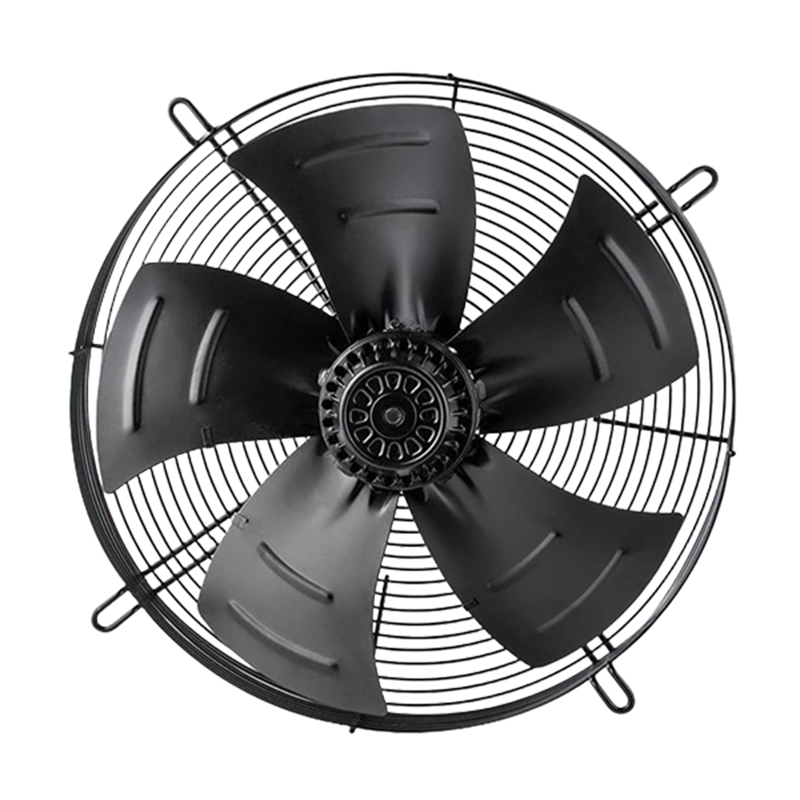
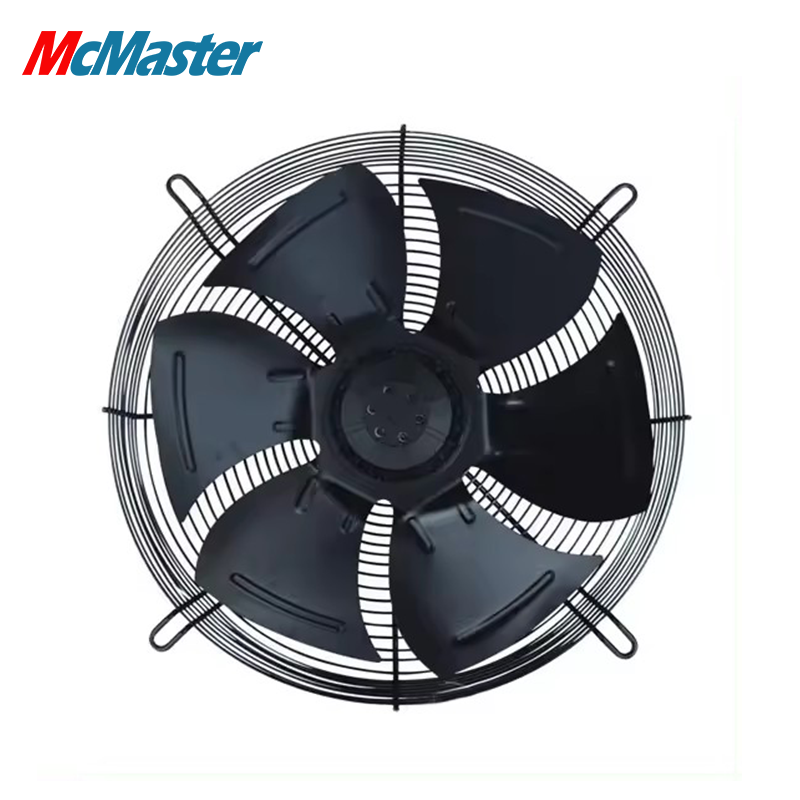
Axial motor fans are critical components in various applications, providing efficient airflow and cooling solutions across industries. For purchasing managers and engineers, selecting the right axial motor fan entails understanding specifications, performance requirements, and installation challenges. This article aims to guide you through the essential considerations for choosing, sourcing, and effectively utilizing axial motor ec fan ahu in your projects.
Selecting the appropriate axial motor fan requires a clear understanding of your project's specific requirements. Begin by assessing the airflow needs and the operating environment. Factors such as the required airflow rate, pressure, and temperature range will significantly influence your decision.
It's also essential to consider the fan's power specifications, including voltage and efficiency ratings. An efficient axial fan can lead to reduced energy consumption and lower operational costs, which is vital for long-term sustainability. Additionally, pay attention to the noise levels produced by the fan, especially in applications where sound is a critical factor, such as in medical equipment or consumer electronics.
Customization options should also be explored, as many manufacturers, including Changzhou McMaster Electric, offer tailored solutions to meet unique project specifications. Providing detailed information about your application will help the supplier recommend the best ahu with ec fans for your needs.
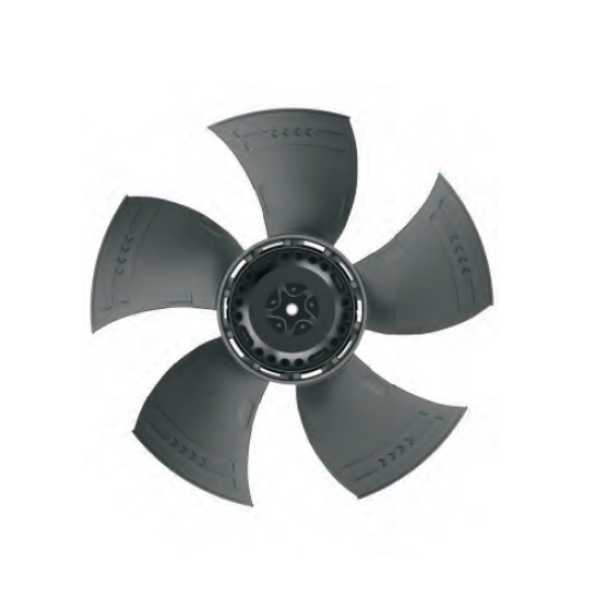
When sourcing axial motor fans, several key specifications must be evaluated:
Airflow Rate: Measured in cubic feet per minute (CFM), this indicates how much air the fan can move. Ensure the fan's capacity matches your application's requirements.
Static Pressure: This parameter reflects the fan's ability to overcome resistance in the airflow path. Understanding your system's static pressure requirements is crucial for optimal performance.
Motor Type: Axial fans can be equipped with either AC or DC motors. DC motors tend to be more energy-efficient and quieter but may come at a higher initial cost.
Material Selection: The construction materials of the fan blades and housing affect durability and performance. Common materials include plastic for lightweight applications and metal for high-performance needs.
Dimensions: The physical size of the fan must fit within your installation space. Ensure you have accurate measurements to avoid compatibility issues.
Certification Standards: Check for compliance with relevant industry standards such as CE, UL, or RoHS, which can impact safety and performance in critical applications.
Understanding these specifications will help you make an informed decision and prevent costly mistakes during the procurement process.
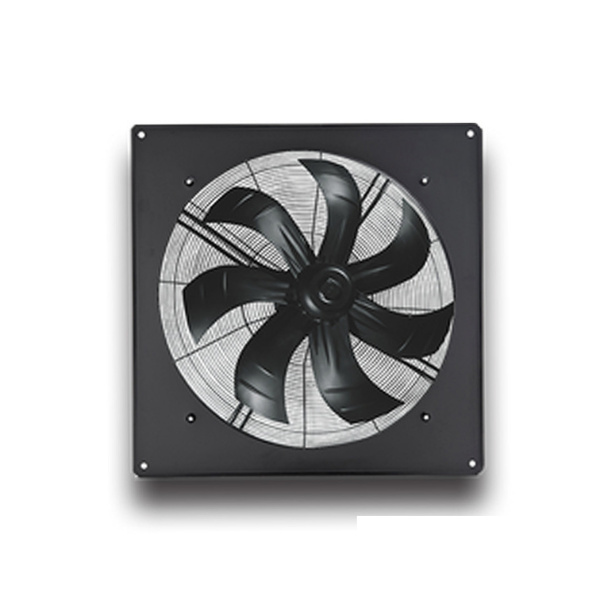
Installing axial motor fans can present several challenges that, if not addressed, can affect performance and longevity. Here are some common issues and their solutions:
Space Constraints: Ensure that the installation area allows for adequate airflow around the fan. Insufficient space can lead to overheating or reduced efficiency. Consider using ducting to direct airflow effectively.
Vibration and Noise: Improper mounting can cause vibration, leading to noise and potential damage. Use rubber grommets or mounts to dampen vibrations and secure the fan firmly to minimize movement.
Electrical Compatibility: Ensure that the fan's voltage and current specifications match your power supply. Mismatched electrical requirements can lead to failures or inefficiencies.
Orientation: Axial fans are designed to function optimally in specific orientations. Always install the fan according to the manufacturer's guidelines to ensure effective operation.
Maintenance Access: Plan for future maintenance by allowing easy access to the fan. This includes considering the placement of filters or cleaning mechanisms to maintain performance over time.
By proactively addressing these challenges, you can ensure a smooth installation process and enhance the reliability of your axial motor 910mm axial fan system.
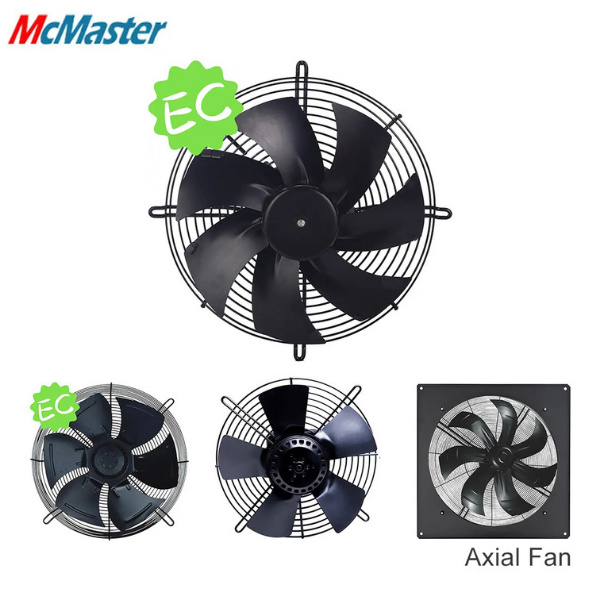
Axial motor fans are utilized in diverse applications across multiple sectors, reflecting their versatility and efficiency. Here are some common applications:
Industrial Automation: In manufacturing processes, axial fans are crucial for cooling machinery and ensuring optimal operating temperatures, thereby preventing overheating and equipment failure.
Consumer Electronics: In devices like computers and home appliances, axial fans manage heat dissipation, improving performance and longevity.
Automotive: Axial fans are essential in automotive cooling systems, effectively regulating engine temperatures and enhancing fuel efficiency.
Medical Equipment: In healthcare settings, axial fans are critical for ventilators and diagnostic machines, where reliable airflow is necessary for patient safety and equipment performance.
Robotics and IoT Devices: The growing trend of automation and smart devices relies on efficient cooling solutions provided by axial fans, ensuring the reliability and functionality of these technologies.
Understanding the specific needs of your industry will help you select the right axial motor fan for your application, enhancing performance and efficiency.
Axial motor fans are a vital component in many systems, but understanding their functionality and characteristics is crucial for effective use. Here are a few key points to consider:
Performance Ratings: Familiarize yourself with the fan's performance ratings, including airflow, efficiency, and noise levels. These metrics will help you gauge the fan's suitability for your specific application.
Customization Options: Many manufacturers, including Changzhou McMaster Electric, offer customization options such as blade design and motor specifications. Custom solutions can enhance performance for unique applications.
Quality Assurance: Ensure that the manufacturer has robust quality control processes in place. This includes testing the fans under various conditions to guarantee reliability and performance.
Maintenance Requirements: Regular maintenance, such as cleaning and inspection, is essential to prolong the life of axial motor fans. Establish a maintenance schedule based on the operating environment and usage patterns.
Supplier Evaluation: When selecting a supplier, consider their experience, certifications, and customer support. A trusted partner can provide valuable insights and assistance throughout the purchasing process.
By understanding these aspects, you can make informed decisions that enhance the performance and reliability of your axial motor fan systems.

 EN