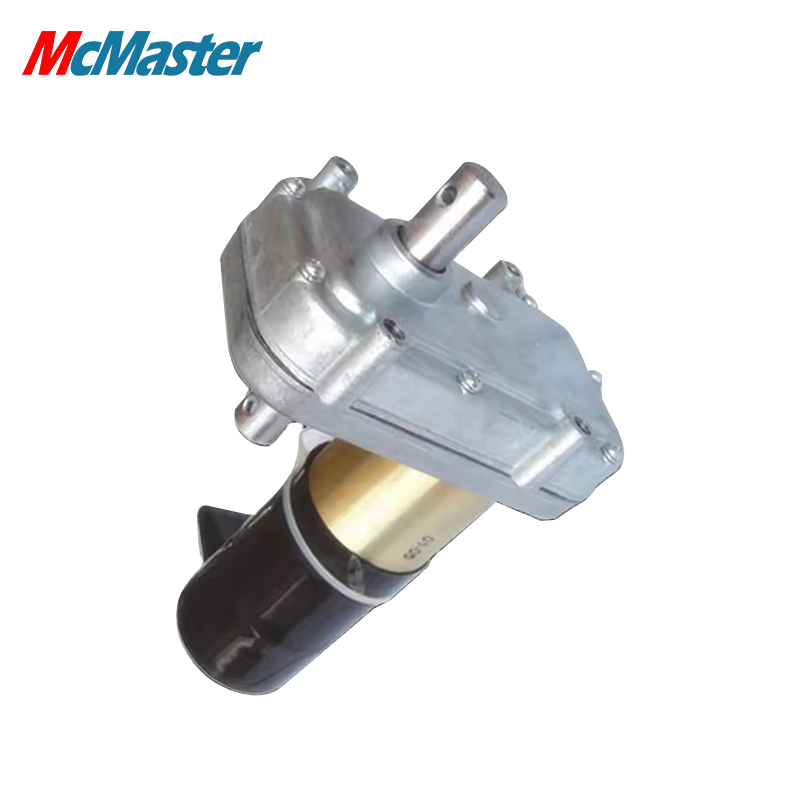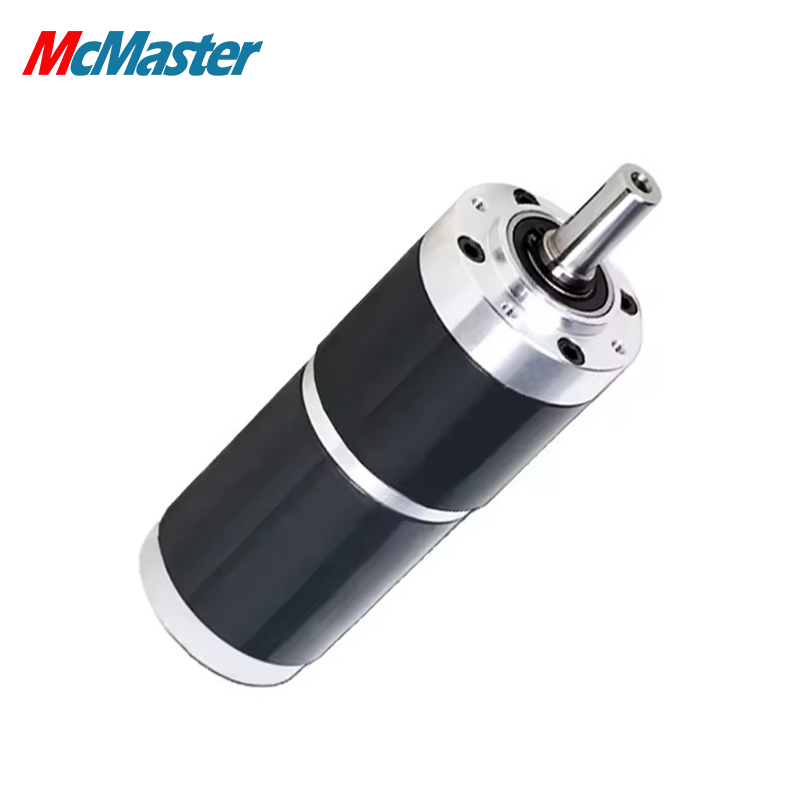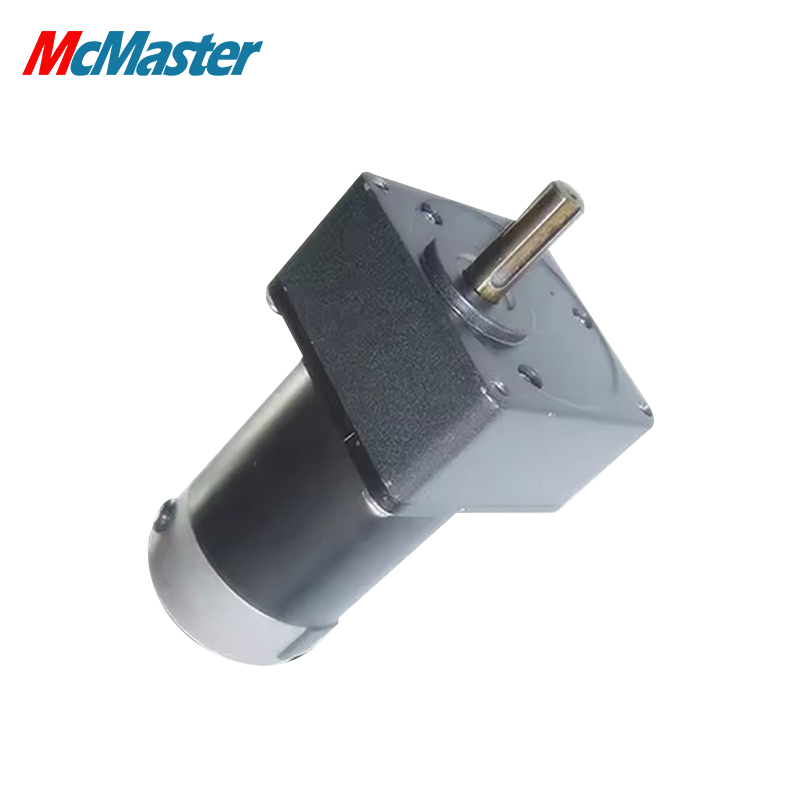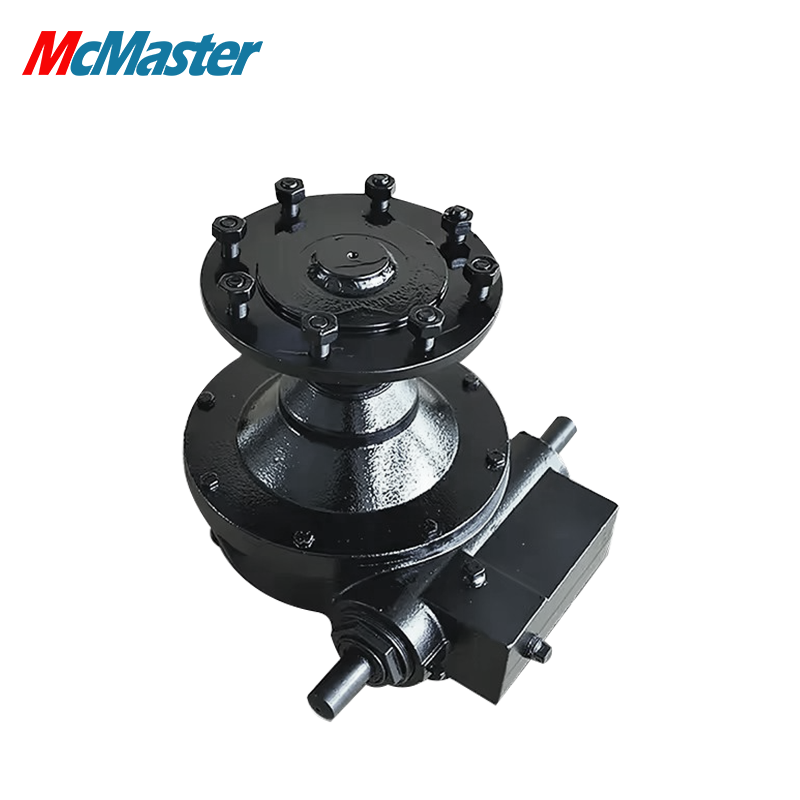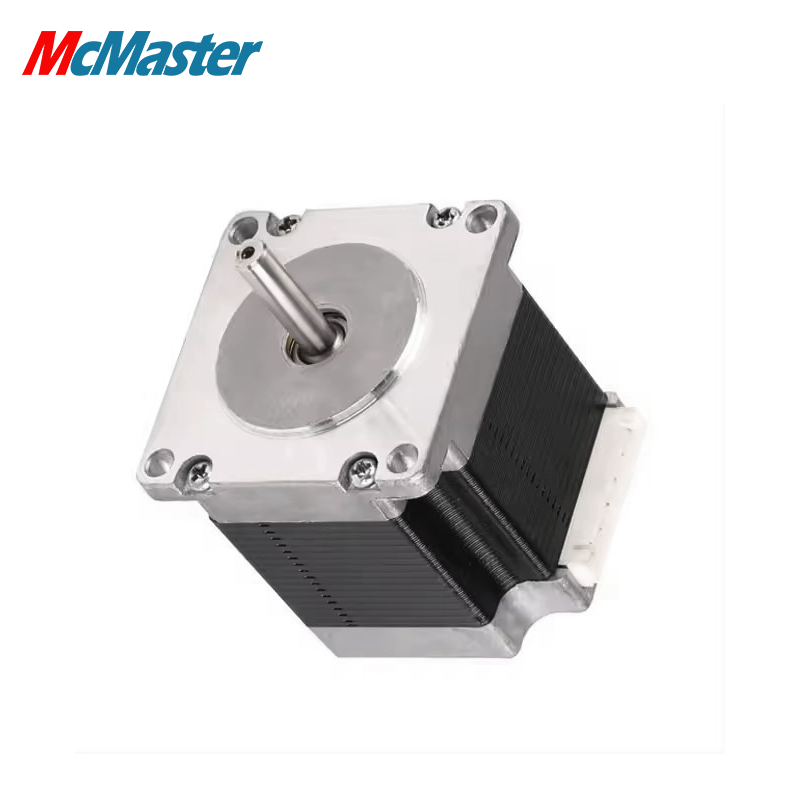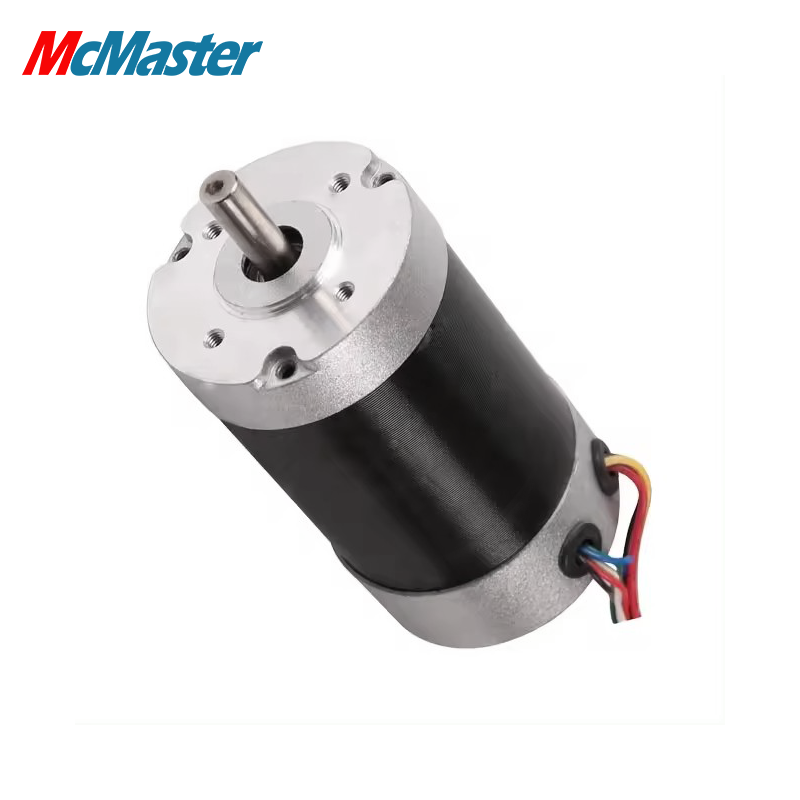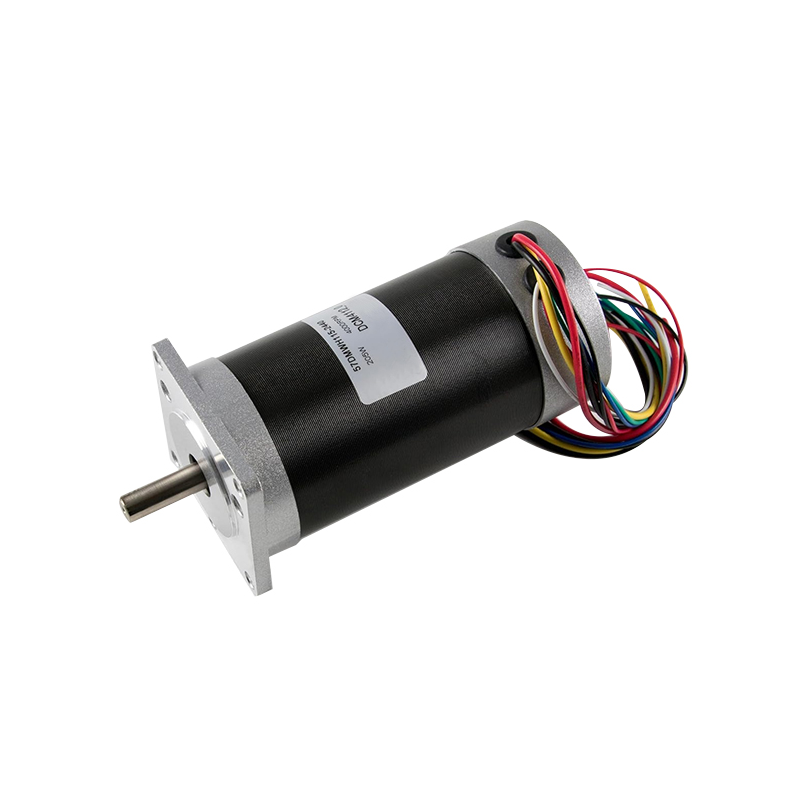
Brushless motors are integral components in various applications, known for their efficiency, reliability, and reduced maintenance needs compared to traditional brushed motors. As B2B buyers, purchasing managers, and engineers consider integrating McMaster Electric brushless dc bldc motor into their operations, they often face critical questions regarding specifications, quality, and installation processes. This article aims to equip you with the insights needed to evaluate brushless motors effectively, ensuring you make informed purchasing decisions that align with your operational needs.
When evaluating brushless motors for bulk purchases, it’s essential to focus on several key specifications that directly impact performance and compatibility with your applications. Start by considering the motor's voltage and current ratings, as these determine the power supply requirements and operational limits.
Next, examine the torque and speed ratings, which are critical for applications requiring specific performance characteristics. The torque rating indicates the motor's ability to perform work under load, while the speed rating (measured in RPM) reveals the operational speed. Buyers should ensure these specifications align with their application needs to avoid underperformance or failure.
Another vital aspect to assess is the motor's efficiency. Look for efficiency ratings, usually expressed as a percentage, which indicate how well the motor converts electrical energy into mechanical energy. Higher efficiency ratings not only save energy but also contribute to longer operational life and reduced heat generation.
Lastly, consider the physical dimensions and mounting options. Ensure that the motor's size and shape fit within your equipment's design and that the mounting configurations are compatible. Providing detailed application requirements during the quotation phase can assist manufacturers in recommending the best motor options.
Quality control is paramount in the manufacturing of brushless motors. To ensure reliability and performance, reputable manufacturers adhere to stringent quality control standards throughout the production process. Key quality control measures include incoming material inspections, in-process quality checks, and final testing of the finished product.
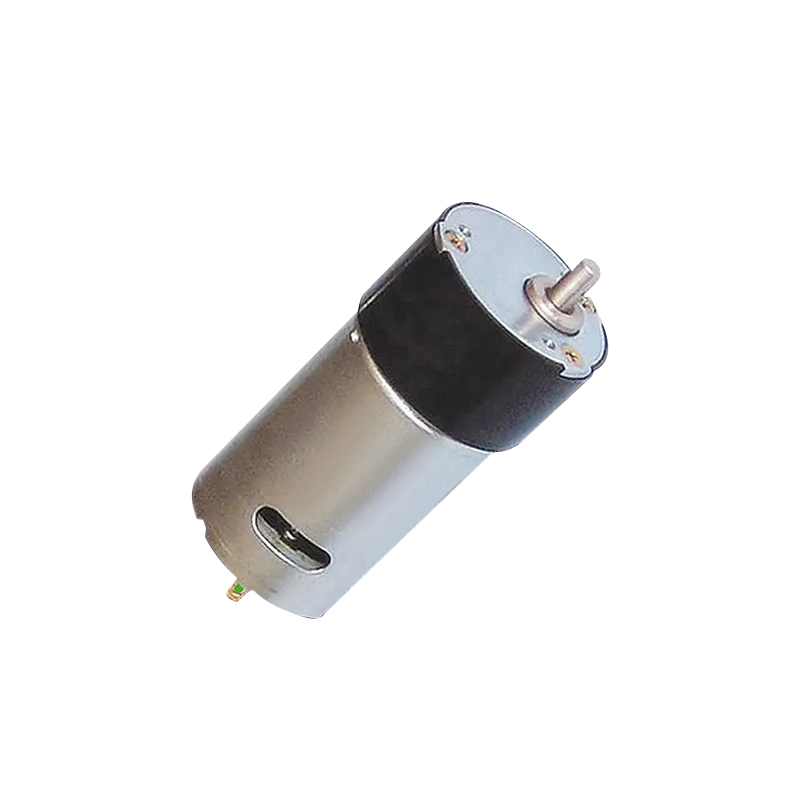
Incoming material inspections verify that raw materials meet specified quality thresholds, which is essential for overall motor performance. In-process checks involve monitoring production to catch any deviations from quality standards, preventing defects before they escalate. Final testing should assess the McMaster Electric planetary gearbox with motor electrical performance, thermal characteristics, and mechanical integrity under simulated operational conditions.
Furthermore, certifications such as ISO 9001 can indicate a manufacturer’s commitment to quality management systems. Buyers should inquire about a manufacturer’s quality standards and testing protocols to ensure that the brushless motors meet industry requirements and expectations.
Proper installation of brushless motors is crucial for achieving optimal performance and longevity. Begin by reviewing the manufacturer's installation manual, which will detail specific requirements and best practices tailored to the motor model.
Ensure that the motor is mounted securely and aligned correctly with its driven load to prevent vibration and undue stress. Misalignment can lead to premature wear or failure. It’s also important to use appropriate mounting hardware and techniques specified by the manufacturer.
Wiring connections should be made with care, ensuring that the correct gauge wire is used to handle the current load without overheating. Additionally, implementing proper shielding and grounding techniques can mitigate electromagnetic interference, which is particularly important in sensitive applications like robotics and IoT.
Lastly, after installation, conduct initial testing to verify that the motor operates within expected parameters. Monitoring performance metrics, such as temperature and vibration, can help identify potential issues early on, allowing for timely adjustments or repairs.
Before making a purchase decision on brushless motors, consider several factors to ensure you select the right product for your application. Start by confirming the motor's performance specifications—voltage, current, torque, and speed—as these will directly affect its suitability for your intended use.
Next, evaluate the manufacturer's reputation and experience in the industry. A manufacturer with a solid track record in producing high-quality brushless motors is more likely to provide reliable products. Look for reviews, case studies, or testimonials from other customers to gauge satisfaction levels.
Customization capabilities are also worth investigating. If your application has unique requirements, such as specific dimensions or performance characteristics, a manufacturer that offers customization can be invaluable. Discuss your needs upfront to determine whether the manufacturer can accommodate them.
Finally, consider the total cost of ownership, which includes not only the initial purchase price but also energy consumption, maintenance, and potential downtime costs. A more efficient motor might have a higher upfront cost but could lead to significant savings over its lifespan.
To enhance the efficiency and durability of brushless motors, manufacturers often utilize advanced materials and innovative design techniques. For instance, using high-grade magnets and premium insulation materials can improve performance and thermal management, allowing the motor to operate at higher efficiency levels and reducing the likelihood of overheating.
Regular maintenance is also crucial for longevity. Implementing a monitoring system to track the McMaster Electric brushless dc electric motor performance can help identify issues before they become severe. Scheduled inspections and timely replacement of worn components can prevent costly downtime and extend the motor's operational life.
Additionally, consider the environmental conditions in which the motor will operate. Factors such as temperature, humidity, and exposure to dust or chemicals can significantly impact the motor's performance and lifespan. Selecting a motor with appropriate sealing and protective features can mitigate these risks and enhance durability.
understanding brushless motors' specifications, quality standards, installation guidelines, purchasing considerations, and efficiency enhancement strategies allows B2B buyers to make informed decisions. By focusing on these key areas, you can ensure that your choice of brushless motors aligns perfectly with your operational requirements and contributes to your overall success.

 EN