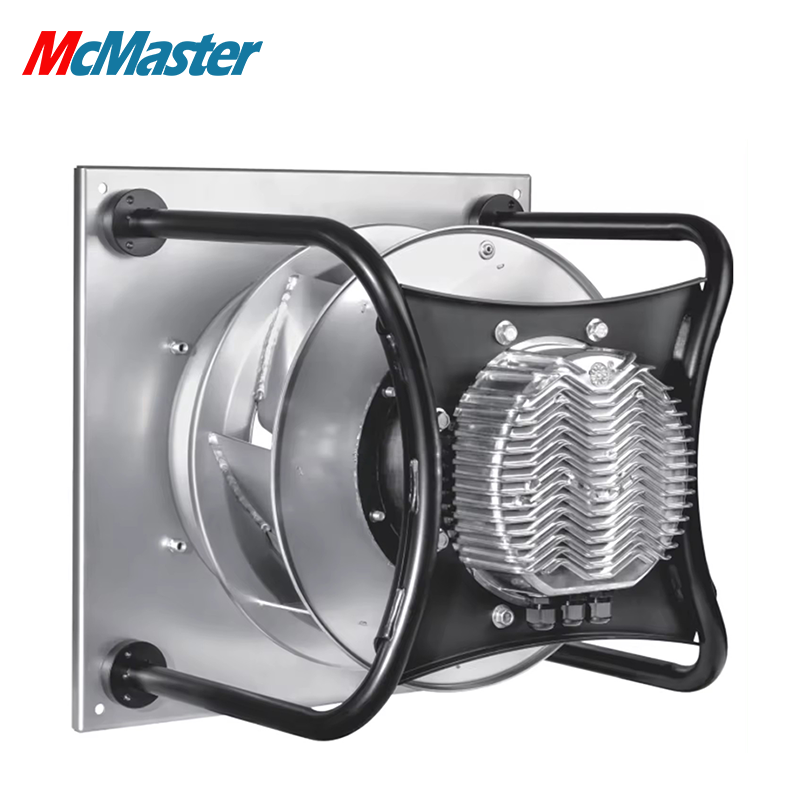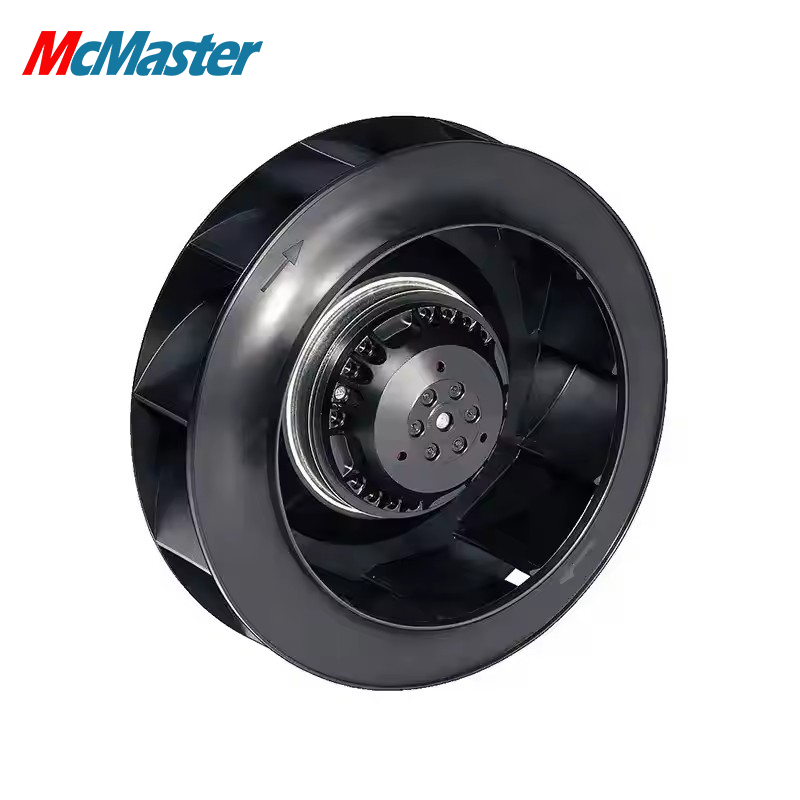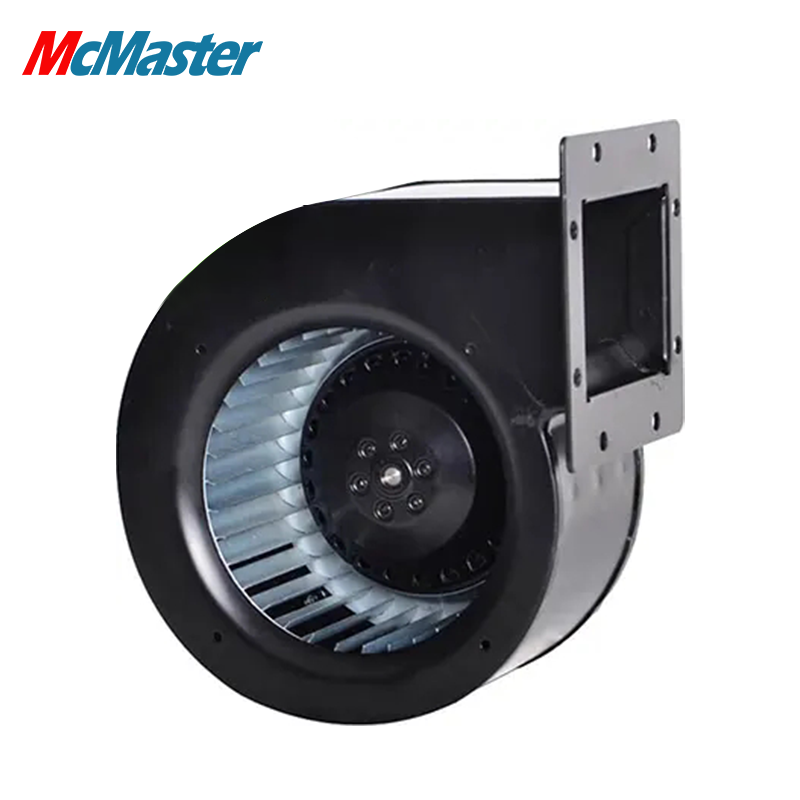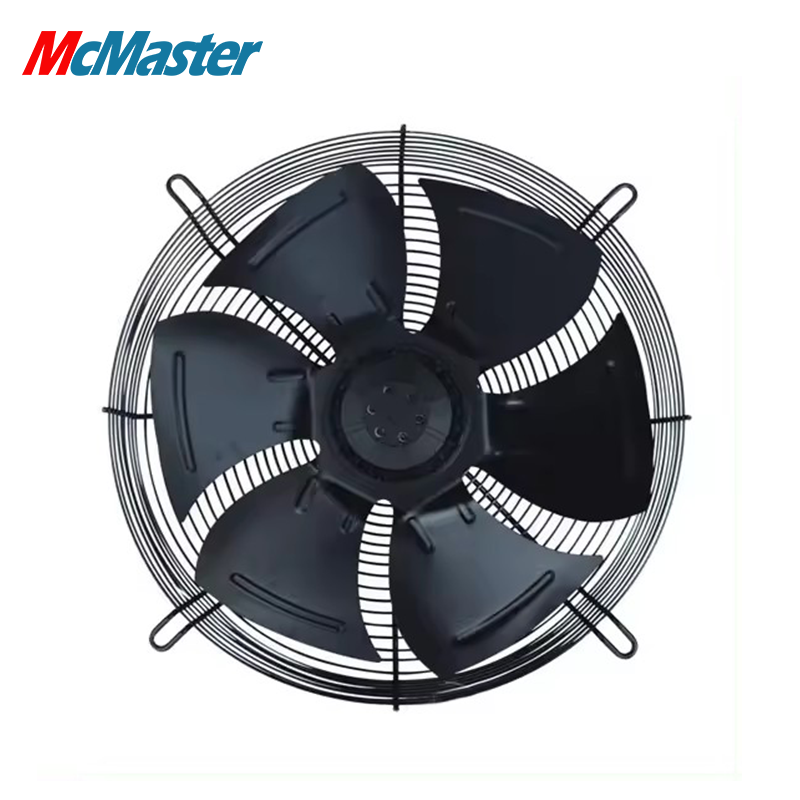
Electric fans, specifically EC fans (Electronically Commutated fans), are integral components in various industries, providing efficient airflow solutions for cooling and ventilation. Sourcing the right EC fan can be crucial for purchasing managers and engineers who are concerned about performance, energy efficiency, and compatibility with existing systems. , we will cover key specifications to evaluate when sourcing EC fans, essential information for buyers, best practices, cost considerations for bulk orders, and the diverse applications of ec fan ahu across industries.
When sourcing EC fans, several specifications are critical to ensure optimal performance and compatibility with your application. Here are the key factors to consider:
Airflow Capacity: Measured in cubic feet per minute (CFM), the airflow capacity determines how effectively the fan can move air. It's essential to evaluate the required airflow based on the specific application to avoid under- or over-specifying the fan.
Static Pressure: The ability of the fan to overcome resistance in the airflow path is reflected in its static pressure rating, often measured in inches of water gauge (inH2O). Ensure that the fan’s static pressure aligns with your system’s requirements to prevent performance issues.
Power Consumption: EC fans are known for their energy efficiency. Look for the fan's power consumption rating in watts, which impacts operational costs. Consider selecting fans with lower power consumption while meeting the required performance standards.
Noise Level: Noise is a significant factor in many applications. The decibel (dB) rating indicates how loud the fan operates. A quieter fan may be necessary for environments like medical facilities or offices.
Dimensions and Mounting Options: Ensure the fan's dimensions fit within your existing setup and consider the mounting options available. Compatibility with your application can significantly affect installation and operational efficiency.
Durability and Materials: The materials used in fan construction can affect longevity and reliability. Look for fans made from corrosion-resistant materials if they will be used in harsh environments.
Control Options: EC fans can offer various control methods, such as PWM (Pulse Width Modulation) or voltage control. Understanding how these controls work can help in integrating the fan into existing systems.
Prior to placing an order for EC fans, buyers should gather comprehensive information to streamline the purchasing process. Here are critical considerations:
Required Specifications: Clearly define the specifications needed based on your application, such as airflow, voltage, and size. This information will help in requesting accurate quotations and prevent delays in the procurement process.
Lead Time and MOQ: Understand the manufacturer's lead times and minimum order quantities (MOQ). This information is essential for planning and can impact project timelines.
Sample Evaluation: Before committing to a bulk order, request samples to test under actual operational conditions. This helps verify performance metrics like airflow and noise levels, ensuring they meet your requirements.
Quality Control Processes: Inquire about the manufacturer's quality control processes. Knowing how they ensure product consistency and reliability can provide peace of mind.
Customization Options: If your application has unique requirements, ask about customization capabilities. Many manufacturers, including Changzhou McMaster Electric, offer tailored solutions to meet specific demands.
To ensure a smooth procurement process for EC fans, consider the following best practices:
Thorough Research: Investigate different manufacturers and their offerings. Review customer testimonials, case studies, and performance data to gauge their reliability.
Clear Communication: When discussing requirements with suppliers, be as detailed as possible. Clear communication helps avoid misunderstandings and ensures you receive the right product.
Documentation: Always request documentation for the fans, including performance curves, installation guides, and warranty information. This documentation is vital for troubleshooting and future maintenance.
Evaluation of Performance Claims: Verify any performance claims made by the manufacturer. Ensure that they can substantiate their claims with testing data or certifications.
Regular Maintenance: Once installed, establish a maintenance schedule to ensure the longevity and efficiency of the ec fan hvac. Regular checks can prevent performance degradation.
Understanding the cost implications of bulk orders for EC fans is essential for budget-conscious buyers. Here are factors that can influence pricing:
Volume Discounts: Many manufacturers offer discounts based on order volume. Inquire about tiered pricing structures to maximize cost savings.
Material Costs: The choice of materials used in the fan’s construction can significantly affect costs. More durable or specialized materials may increase the price.
Customization Fees: If customization is required, be aware that this may incur additional costs. Discuss these fees upfront to prevent surprises in the final invoice.
Shipping Costs: Shipping costs can vary based on the location and quantity of the order. Always factor in these costs when budgeting for your purchase.
Lifecycle Costs: Consider the total cost of ownership, including energy efficiency and maintenance costs over the fan's lifespan. Investing in high-quality, energy-efficient fans may yield savings in the long run.
EC fans are versatile components found in numerous applications across diverse industries. Some common applications include:
HVAC Systems: In heating, ventilation, and air conditioning systems, EC fans provide energy-efficient airflow for climate control in commercial buildings.
Industrial Equipment: Many manufacturing processes require cooling and ventilation, making ec blower for ahu essential for maintaining optimal operating temperatures.
Consumer Electronics: EC fans are used in devices like computers and appliances to ensure proper cooling, enhancing performance and longevity.
Automotive Applications: In the automotive sector, these fans are crucial for cooling systems and ensuring optimal engine performance.
Medical Equipment: Hospitals and medical facilities utilize EC fans in equipment that requires precise temperature and airflow management, ensuring patient safety and comfort.
By understanding the specifications, best practices, cost considerations, and applications of EC fans, B2B buyers can make informed decisions that align with their operational needs. Whether sourcing for HVAC, industrial, or specialized applications, the right EC fan can significantly enhance efficiency and reliability in various settings.

 EN