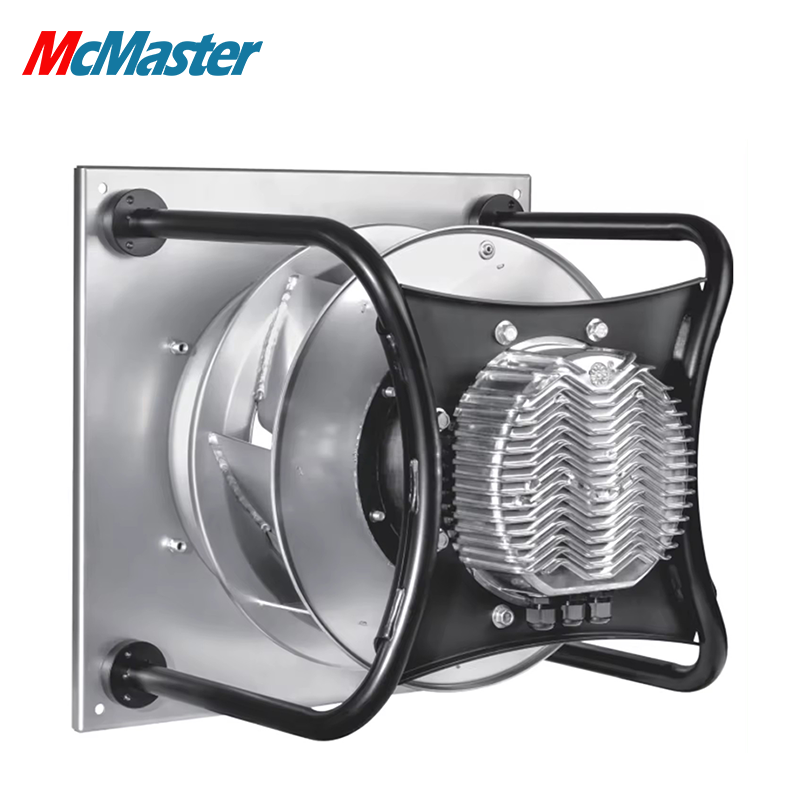
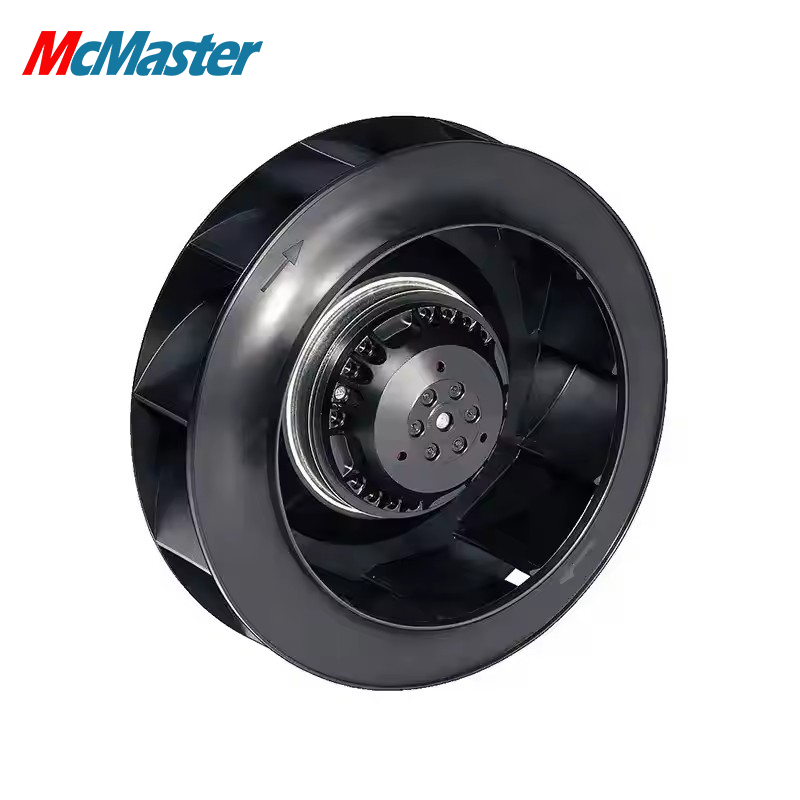
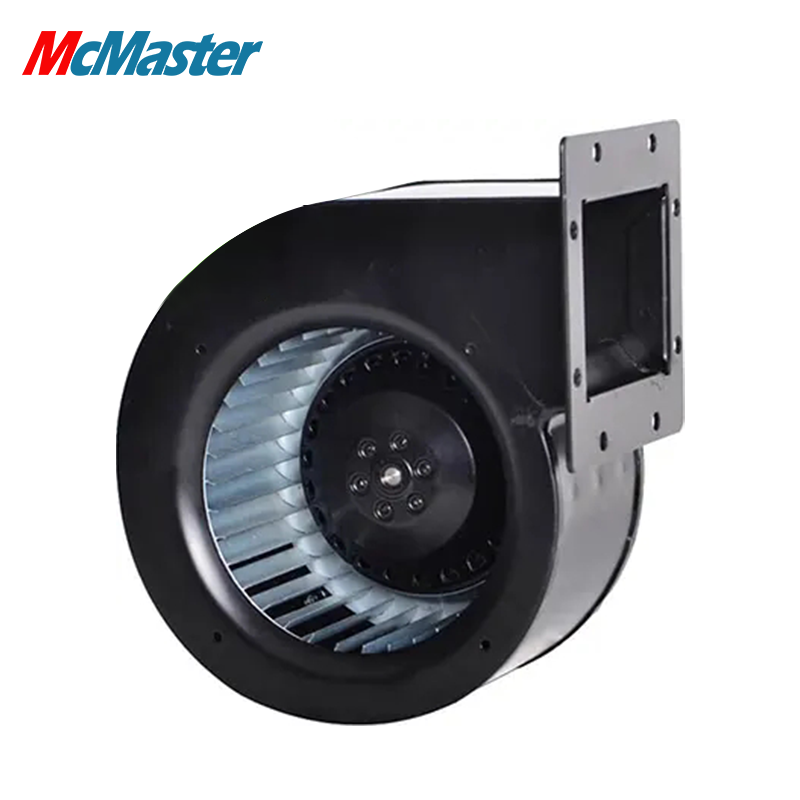
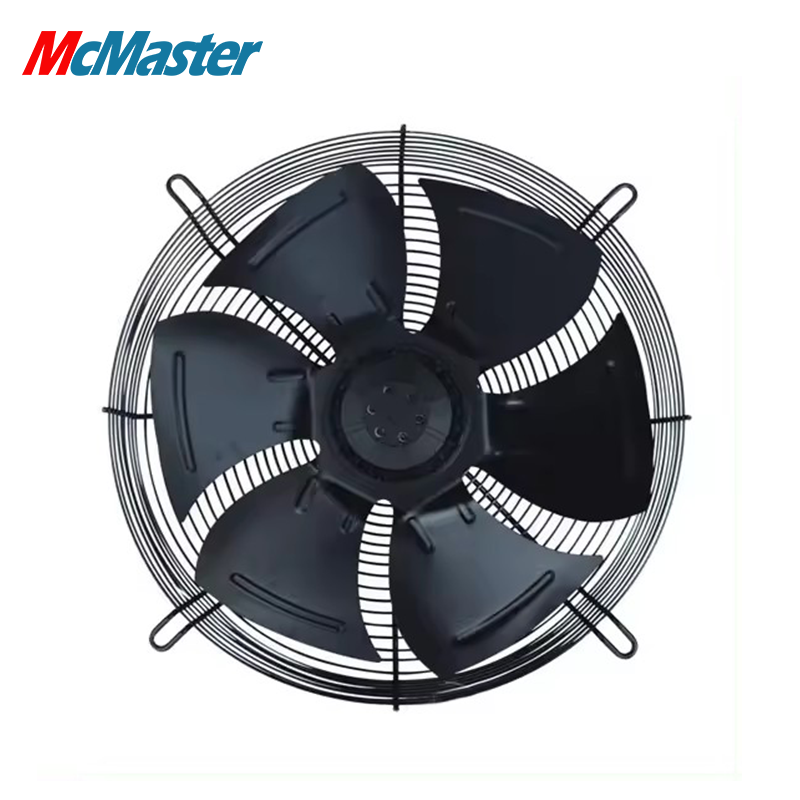
Choosing the right EC fan for HVAC systems is crucial for ensuring optimal performance and energy efficiency. These fans not only facilitate air circulation but also contribute to the overall effectiveness of heating, ventilation, and air conditioning systems. For B2B buyers, understanding the key aspects of EC fans including specifications, application suitability, and installation challenges is essential for making informed purchasing decisions. This article will guide you through important considerations for selecting an EC fan for HVAC applications, ensuring you choose a product that meets your specific needs.
When selecting an EC fan for HVAC systems, several factors should be taken into account. First, consider the fan's airflow capacity, measured in cubic feet per minute (CFM). This specification determines how much air the fan can effectively move and is crucial for maintaining desired indoor air quality. Next, evaluate the static pressure requirements of your system, as this will influence the fan's performance. EC fans are known for their ability to maintain efficiency at varying pressure levels, making them suitable for diverse HVAC applications.Additionally, assess the fan's energy efficiency. ec fans for ahu typically operate with brushless motors that can significantly reduce energy consumption compared to traditional fan motors. Look for fans that comply with energy efficiency certifications, as these can indicate long-term savings on energy costs. Consider customization options as well, such as size, speed control, and mounting configurations, to ensure compatibility with your HVAC system's design and operational needs.
Quality is paramount when evaluating EC fans for HVAC applications. Start by examining the materials used in the fan's construction. High-quality components, such as durable plastics or metals, contribute to a fan's longevity and reliability. Additionally, consider the fan blade design optimized blade geometry can enhance airflow efficiency and reduce noise levels.Manufacturers often provide certifications that reflect adherence to industry standards, such as ISO 9001 for quality management systems. Review the manufacturer's quality control processes, including testing protocols for performance and durability. Requesting samples for testing under actual operating conditions can also help ascertain the ec fan ahu suitability for your specific application.Lastly, consider warranty and support options. A robust warranty can provide peace of mind and signify a manufacturer's confidence in their product's quality. Verify that the manufacturer offers technical support for installation and troubleshooting, as this can streamline the integration of the fan into your HVAC system.
When assessing the cost of EC fans for HVAC systems, buyers should evaluate several key factors. First, consider the initial purchase price, which can vary based on features, size, and manufacturer. While lower-priced options may seem attractive, they may lack the performance or durability of higher-quality fans, leading to higher costs in maintenance or energy consumption in the long run.Energy efficiency should also be a critical factor in cost assessment. ec fan in ahu are designed to consume less power which can result in significant savings over time. Calculate the total cost of ownership, factoring in installation, maintenance, and operational energy costs to make a well-informed decision.Customization options may also impact pricing. If your application requires specific modifications, such as unique dimensions or performance characteristics, be prepared for potential increases in cost. Requesting detailed quotations from multiple suppliers can provide insights into pricing structures and help identify the best value for your investment.
Installing EC fans in HVAC systems can present challenges that, if not addressed, may hinder performance. One common issue is ensuring proper alignment and mounting. Misalignment can lead to increased noise, vibration, and premature wear. To mitigate this, carefully follow the manufacturer's installation guidelines and use appropriate mounting hardware.
Wiring and electrical connections can also pose challenges. Ensure that the electrical specifications of the fan match your system's requirements. Incorrect voltage or phase connections can damage the fan or impede its operation. Collaborating with a qualified electrician during installation can help avoid these issues.
Another challenge is integrating EC fans into existing systems. Retrofitting may require additional components or modifications to ductwork to ensure optimal airflow and performance. Conducting a thorough assessment of the existing system before installation can identify potential compatibility issues, allowing for proactive solutions.
EC fans are versatile and find applications across various HVAC and industrial settings. In commercial buildings, they are commonly used in air handling units (AHUs) and fan coil units (FCUs) to enhance airflow and maintain comfortable indoor temperatures. Their energy efficiency makes them ideal for environments where reducing operational costs is a priority.
In industrial applications, EC fans can be utilized in processes that require precise temperature and humidity control, such as manufacturing facilities and data centers. Their ability to operate efficiently at varying speeds makes them suitable for applications that demand flexibility in airflow management.
Additionally, EC fans are increasingly being integrated into smart building technologies. With the rise of IoT-enabled HVAC systems, these fans can be controlled remotely and adjusted in real-time to optimize energy usage and improve occupant comfort. This adaptability positions EC fans as a forward-thinking solution for modern building management.
By considering these aspects when selecting and installing EC fans for HVAC systems, B2B buyers can enhance system performance, reduce energy costs, and ensure long-lasting reliability. Understanding the nuances of the product will not only facilitate better purchasing decisions but also foster successful implementation in various applications.

 EN