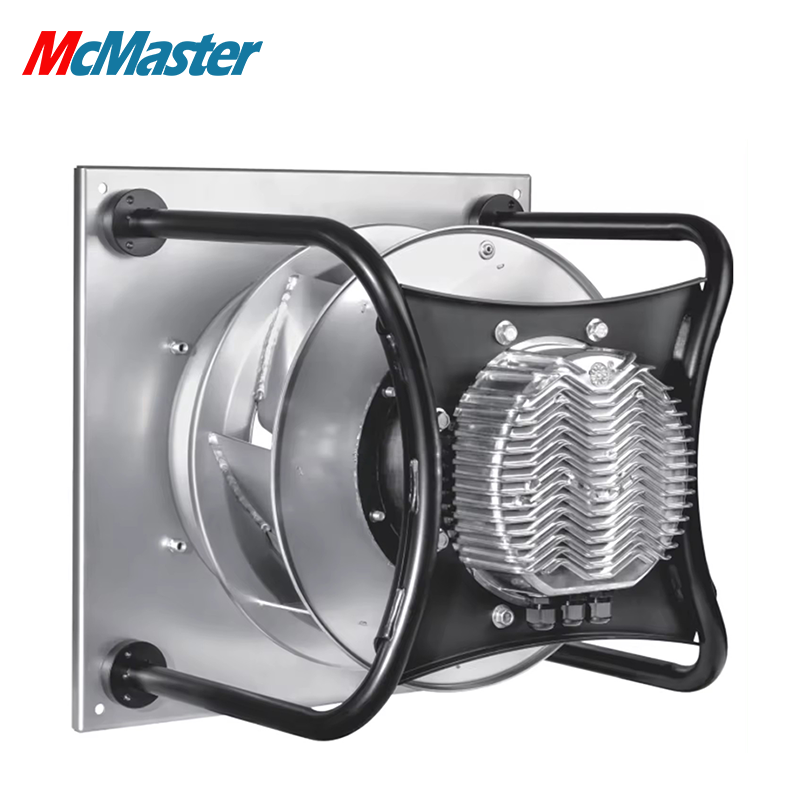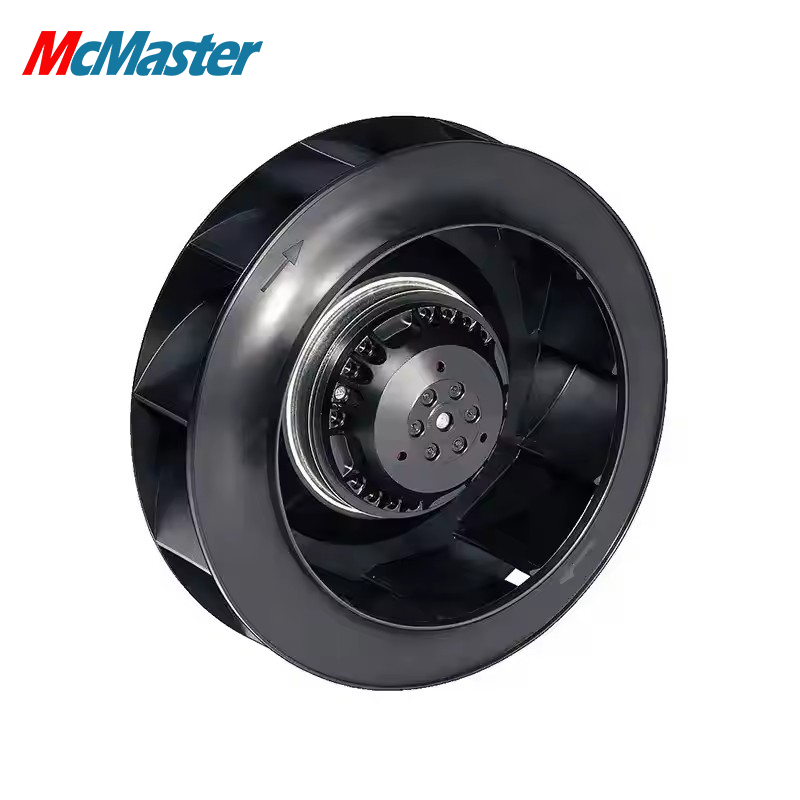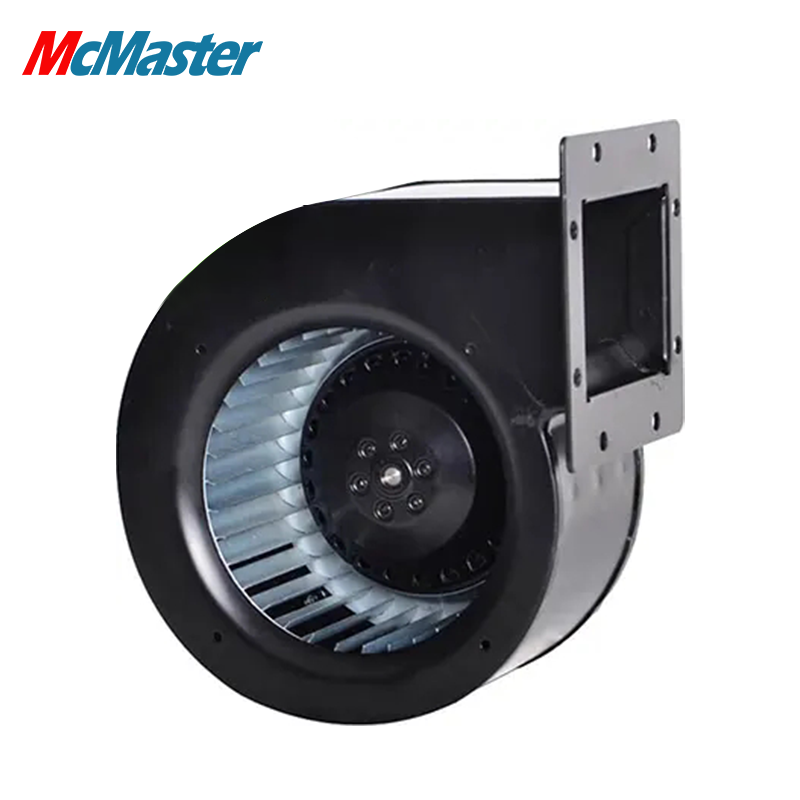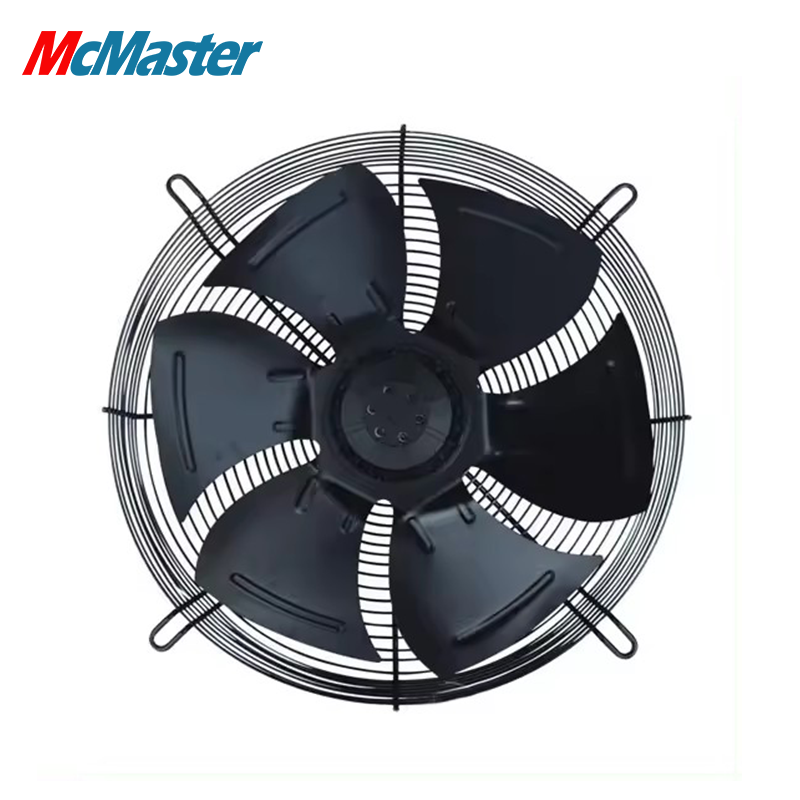
EC fans, or electronically commutated fans, are crucial components in HVAC (Heating, Ventilation, and Air Conditioning) systems, providing efficient airflow with reduced energy consumption. As B2B buyers, purchasing managers, and engineers evaluate these backward inclined centrifugal fan, they must consider performance, compatibility, and quality. This article will guide you through the essential aspects of selecting, sourcing, and installing EC fans for HVAC applications.
When selecting EC fans for HVAC systems, several factors must be considered to ensure optimal performance and energy efficiency. First, understand the airflow requirements of your application, typically measured in cubic feet per minute (CFM). The required CFM will dictate the fan size and specifications.
Second, consider the fan’s efficiency rating, often expressed as the Electrical Efficiency Rate (EER) or the Energy Efficiency Ratio (EER). Higher efficiency ratings translate to lower operational costs, which is critical for long-term sustainability.
Compatibility with existing HVAC systems is another important consideration. Ensure that the fan’s dimensions, mounting options, and electrical specifications align with your system's requirements. Additionally, assess the operational environment, including temperature ranges and potential exposure to moisture or chemicals, as these factors will influence the centrifugal blower fan material selection and durability.
Finally, verify the manufacturer's reputation and quality control processes. Companies with a proven track record, such as Changzhou McMaster Electric, will have established standards that ensure product reliability and performance.
Sourcing high-quality EC fans requires careful consideration of suppliers. Look for manufacturers with extensive experience in the industry, such as Changzhou McMaster Electric, which has over 20 years of experience in electrification and automation. This experience translates to a deeper understanding of product specifications and the needs of various applications, from industrial solutions to consumer electronics.
When evaluating potential suppliers, consider their production capabilities and certifications. A manufacturer that adheres to international quality standards and has advanced production equipment will likely produce more reliable and efficient fans. It's also beneficial to assess their export markets to gauge their global presence and reliability.
Requesting samples is a crucial step in the sourcing process. By testing a sample in actual operating conditions, you can evaluate performance, noise levels, and energy consumption before making a bulk purchase.
To make informed purchasing decisions, buyers must understand key specifications for EC fans. These include:
Airflow (CFM): This indicates the volume of air the fan can move. Ensure the selected fan meets the specific airflow requirements of your HVAC system.
Static Pressure: This measures the resistance to airflow in the system. Higher static pressure ratings are necessary for systems with ductwork or other restrictions.
Power Consumption: Typically expressed in watts, this should be as low as possible while still meeting the performance requirements, contributing to energy efficiency.
Speed Control: Many EC fans feature variable speed capabilities, allowing for adjustment based on demand. This flexibility enhances efficiency and comfort levels in HVAC systems.
Noise Levels: Measured in decibels (dB), noise is a critical factor in selecting ec centrifugal fan for residential or commercial spaces where sound levels can impact comfort.
Understanding these specifications helps buyers evaluate whether a particular fan will meet their HVAC needs efficiently and effectively.
Proper installation is vital to ensure that EC fans operate at their intended efficiency. Begin by reviewing the manufacturer's installation manual for specific guidance on mounting, wiring, and integration into the HVAC system.
Ensure that the fans are installed in locations that allow for optimal airflow and minimal obstruction. While mounting, consider vibration isolation to reduce noise and wear on the fan.
Wiring should comply with local electrical codes to ensure safety. If the fan has variable speed capabilities, it may require additional control wiring. Collaborate with HVAC professionals to integrate the fan controls with the overall system for seamless operation.
Before commissioning the system, conduct thorough testing to verify airflow rates, sound levels, and energy consumption against the specifications. This step is crucial for ensuring that the fan operates as intended, preventing potential issues that could arise from improper installation.
Choosing the right EC fan model depends on various application-specific factors. First, assess the type of HVAC system—residential, commercial, or industrial—as this will influence the required specifications.
Consider the size and layout of the installation space. Larger spaces may require multiple fans or higher capacity models to achieve the desired airflow. Additionally, evaluate the operating conditions; for example, fans used in environments with high humidity or temperature extremes need to be constructed from materials that can withstand such conditions.
Customization options also play a significant role in determining the right model. Many manufacturers, including Changzhou McMaster Electric, offer custom solutions that can be tailored to specific performance metrics, dimensions, and materials. Engage with your supplier to discuss potential modifications that align with your operational requirements.
Lastly, price is always a consideration, but it should not be the sole determining factor. Balance cost against long-term efficiency and maintenance requirements to ensure the right investment for your HVAC project.
By understanding these key aspects of EC fans for HVAC systems, buyers can make informed decisions that contribute to energy efficiency, reliability, and overall system performance.

 EN