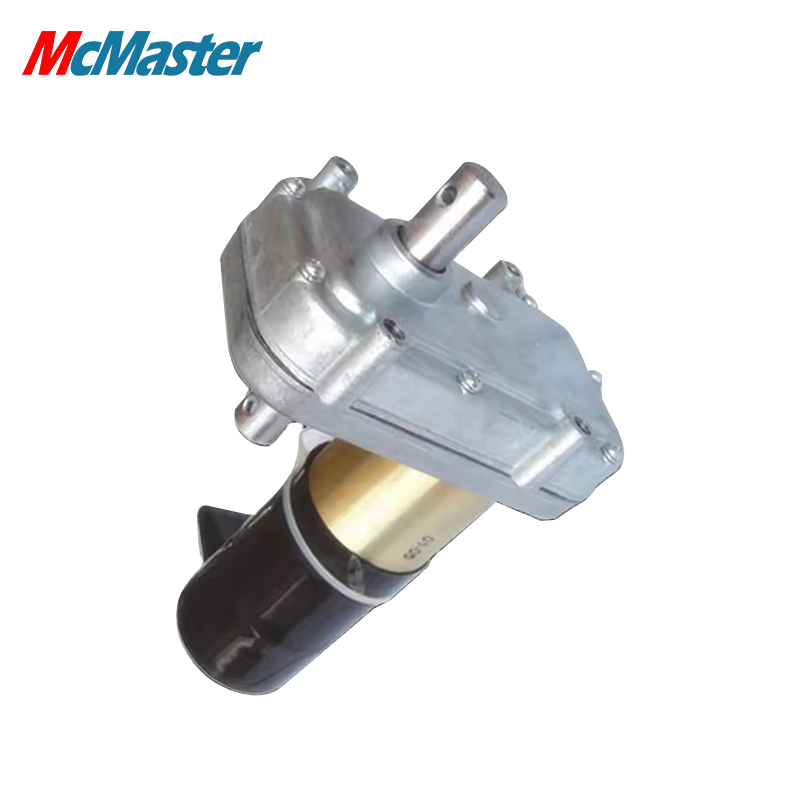
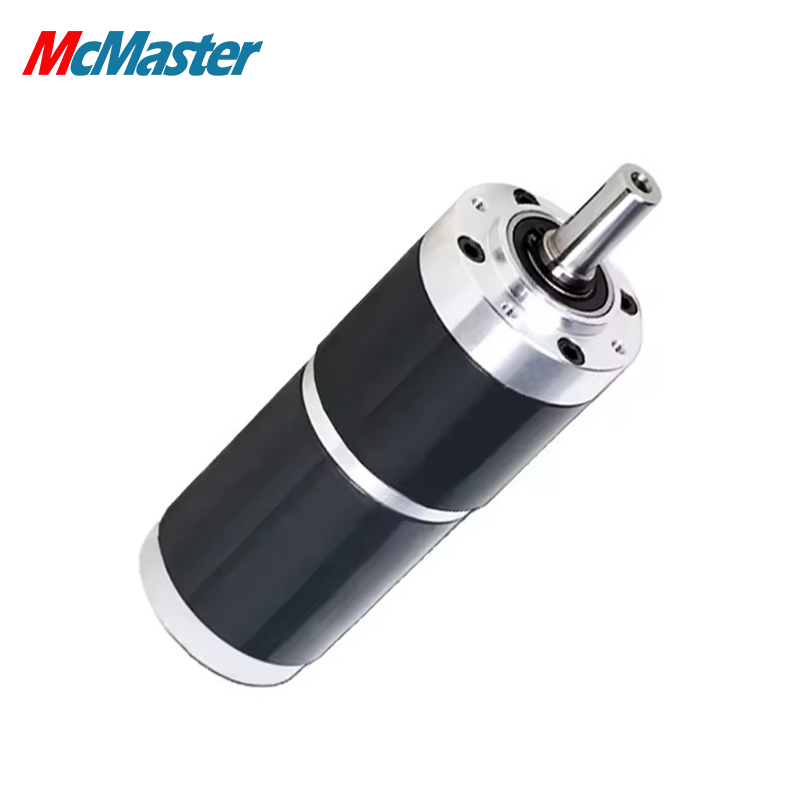
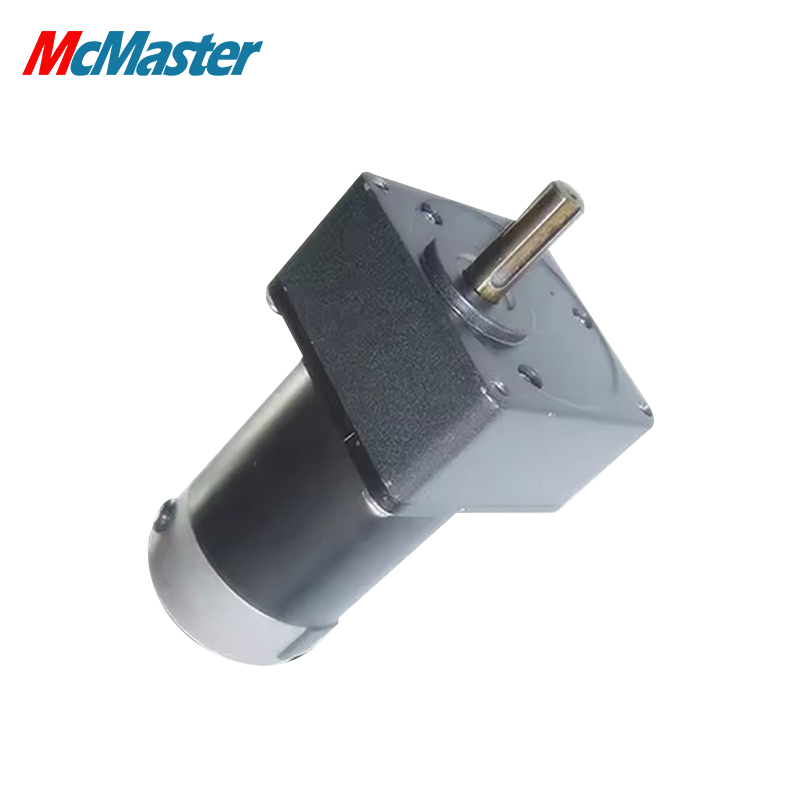
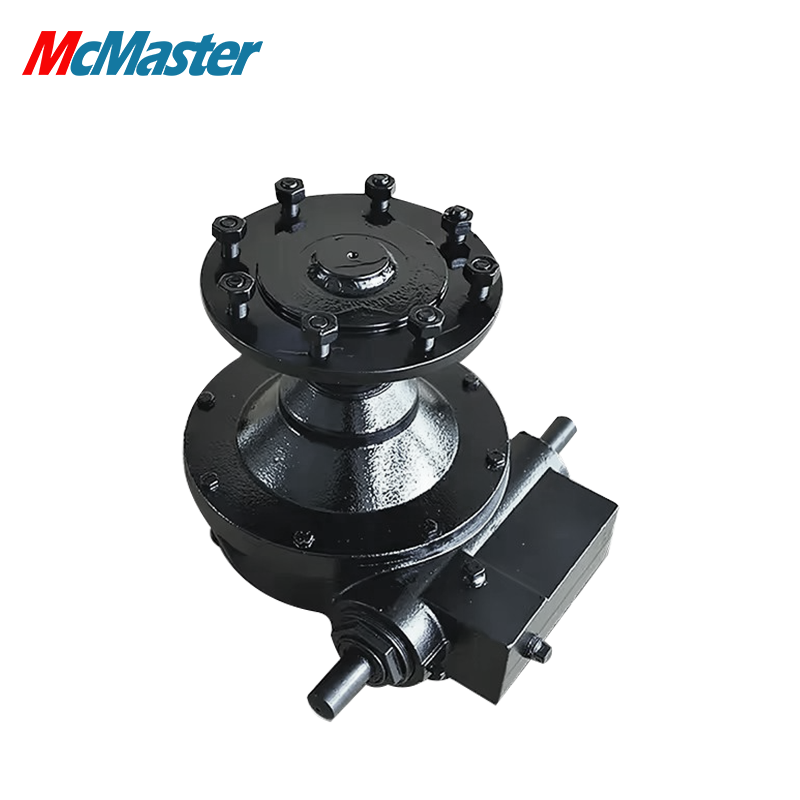
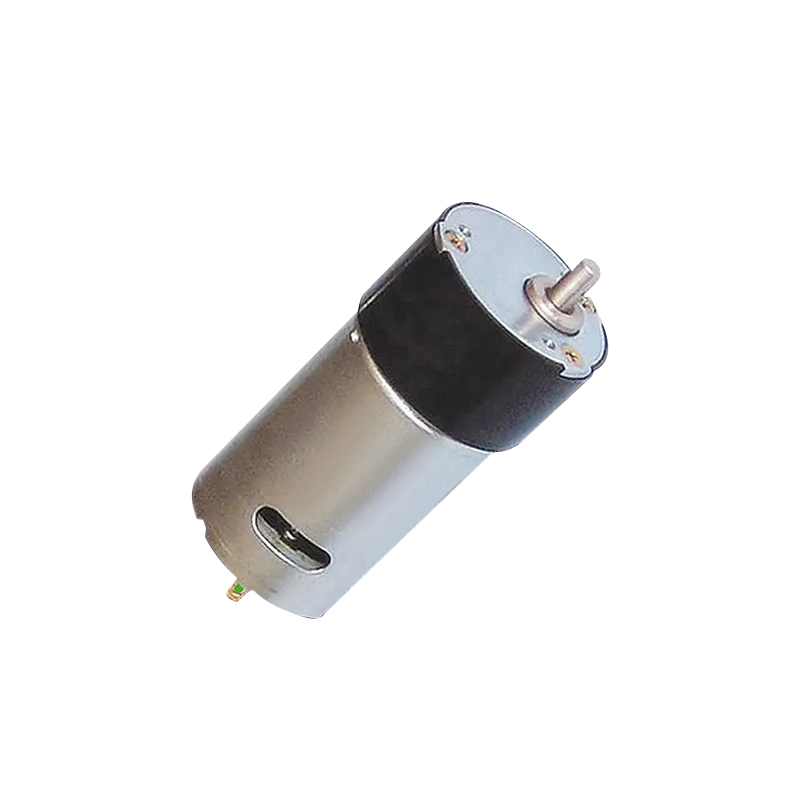
Choosing the right gear drive electric motor is crucial for optimizing performance in various applications. These motors are essential components in many industries, providing reliable torque and efficiency in automation and machinery. This article will address key considerations for selecting McMaster Electric brushless dc electric motor, focusing on specifications, applications, cost factors, and installation guidance. Understanding these factors will help B2B buyers make informed purchasing decisions that meet their operational needs.
When selecting a gear drive electric motor, several factors should be evaluated to ensure compatibility with your specific application. First, consider the required torque and speed specifications. Different applications may demand varying levels of torque; hence, ensure the motor's output aligns with operational requirements.
Next, assess the gear ratio, which influences both speed and torque output. A high gear ratio results in increased torque but reduced speed, while a lower gear ratio offers higher speeds with less torque. Additionally, consider the motor's efficiency rating, as higher efficiency translates to lower energy consumption and operational costs.
Another vital aspect is the motor's environmental resistance. Depending on the application, the motor may need to withstand harsh conditions such as humidity, dust, or temperature fluctuations. Selecting a motor with appropriate enclosures and materials can enhance durability and reliability.
Lastly, consult with your manufacturer or supplier about customization options. Tailoring specifications to meet your project’s unique requirements can optimize performance and prolong the motor's lifespan.
When sourcing McMaster Electric gear drive electric motors, understanding key specifications is essential for bulk purchases. Important specifications include:
Power Rating: Measured in horsepower (HP) or kilowatts (kW), this indicates the motor's ability to perform work. Ensure the power rating meets the specific demands of your application.
Voltage and Phase: Confirm that the motor’s voltage and phase match your electrical supply. Common configurations include single-phase and three-phase motors, with three-phase motors generally offering better efficiency and power delivery for industrial applications.
Gear Material and Construction: The materials used in the gear drive affect durability and performance. Common materials include steel, aluminum, and plastic, each with unique characteristics. For high-load applications, steel gears are often preferred due to their strength and longevity.
Efficiency Class: The efficiency class (IE1, IE2, IE3, etc.) indicates the motor’s energy efficiency. Opting for higher efficiency classes can significantly reduce energy costs over time.
Mounting and Dimensions: Ensure the brushless electric motor mounting dimensions align with your equipment to avoid compatibility issues during installation.
When making bulk purchases, verifying these specifications with your supplier can prevent costly mistakes and ensure you receive a product that meets your operational needs.
Gear drive electric motors are versatile and widely used across various industrial settings. Key applications include:
Conveyor Systems: In manufacturing and warehousing, gear drive electric motors are integral to conveyor systems, providing the necessary torque and speed for transporting materials.
Robotics: In automation and robotics, these motors enable precise movement and control, essential for tasks such as assembly, packaging, and material handling.
Pumps and Compressors: Gear drive motors drive pumps and compressors in HVAC systems, chemical processing, and water treatment, where reliability and efficiency are paramount.
CNC Machines: In precision machining, gear drive electric motors offer the accuracy and control needed for CNC machines, impacting productivity and product quality.
Textile Machinery: These motors are also critical in textile production, providing the necessary torque for weaving and finishing processes.
Understanding the specific demands of these applications can help buyers select the most suitable gear drive electric motor for their needs.
Several cost factors come into play when sourcing gear drive electric motors. The initial purchase price is often determined by specifications such as power rating, efficiency class, and material quality. Higher efficiency motors may have a higher upfront cost, but they often lead to lower energy bills over time, making them a more economical choice in the long run.
Additionally, consider the total cost of ownership, which includes maintenance, potential downtime, and energy consumption. Motors that require frequent repairs or replacements can significantly increase operational costs.
When planning for bulk orders, be mindful of minimum order quantities (MOQ) and potential volume discounts. Engaging with suppliers during the RFQ process can help negotiate better pricing based on project needs and estimated usage.
Lastly, shipping and logistics should be factored in, especially for international orders. Understanding delivery timelines and freight costs can aid in budgeting for your purchase more effectively.
Proper installation of McMaster Electric gear drive electric motors is critical for optimal performance and longevity. Begin by reviewing the manufacturer’s installation guidelines and ensuring that all necessary components are available.
Before installation, verify that the mounting surface is clean and level to avoid misalignment, which can lead to premature wear or failure. Use appropriate tools and techniques to securely fasten the motor in place, ensuring that it is aligned with any connected machinery.
Adjustments to the gear drive may be necessary to achieve the desired performance. This includes setting the correct tension on belts or chains and ensuring proper lubrication of gears. Regular maintenance checks post-installation will help identify any issues early, preventing costly downtime.
In addition, consider the operating environment. If the high torque electric motor will be exposed to harsh conditions, implementing protective measures such as enclosures or seals can enhance durability.
Following these installation practices will not only ensure effective operation but will also contribute to the longevity of your gear drive electric motor, ultimately enhancing productivity in your operations.

 EN