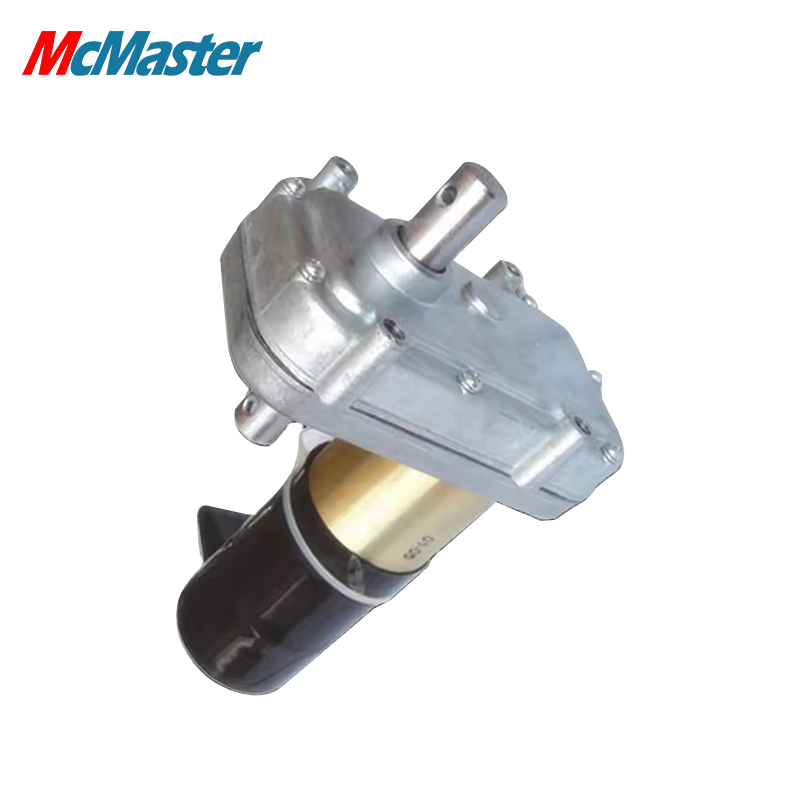
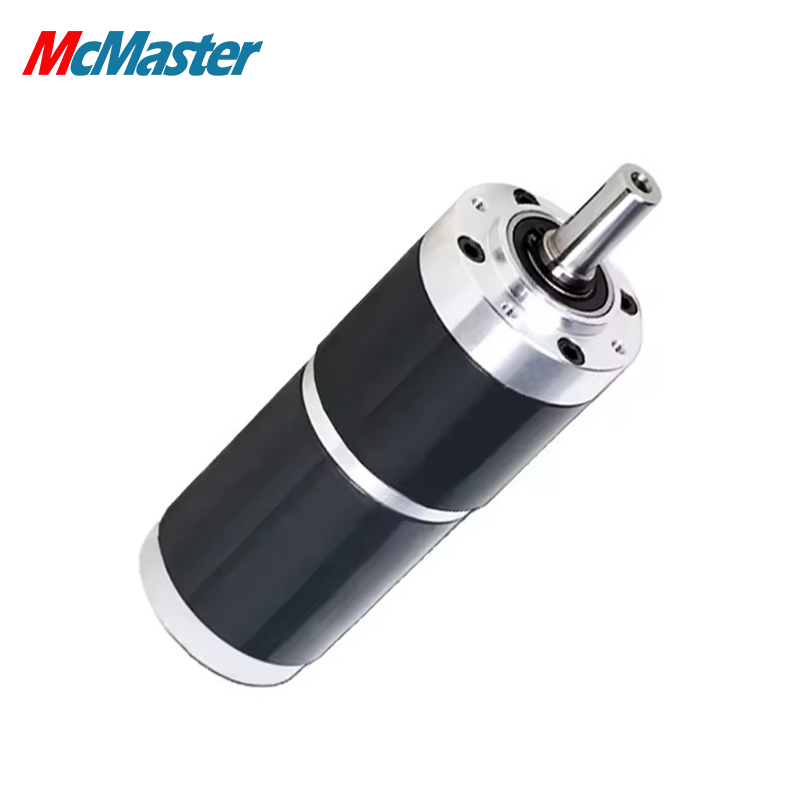
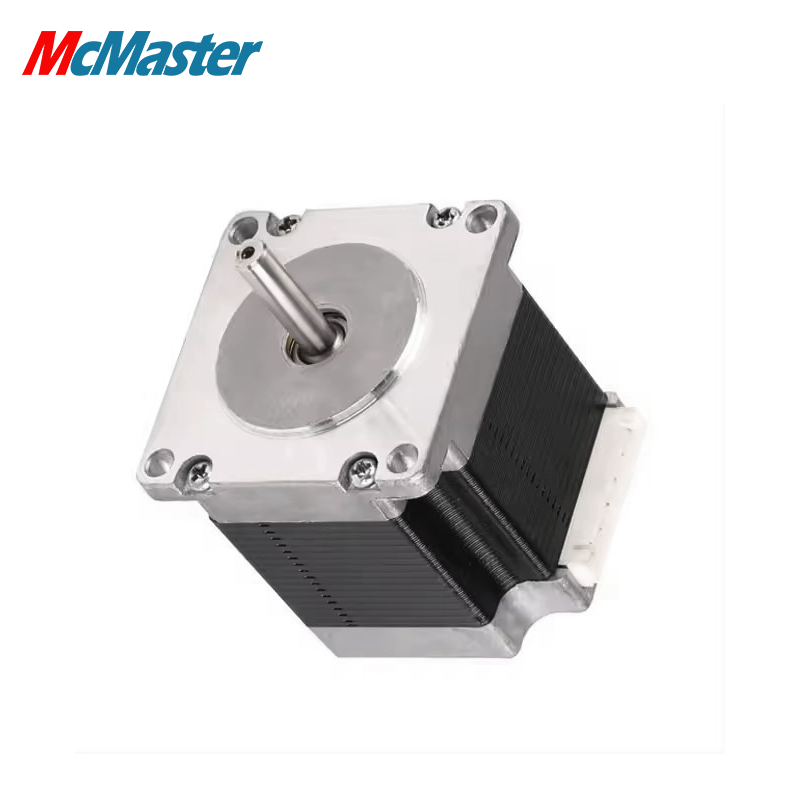
High torque electric motors are essential components in various industrial applications, providing the necessary power and reliability for demanding tasks. When selecting the right high torque electric motor, buyers must consider factors such as performance specifications, application requirements, and supplier reliability. This article aims to guide purchasing managers and engineers through the selection process, ensuring that they make informed decisions for their projects.
Choosing the appropriate high torque electric motor involves understanding your specific application requirements. Start by evaluating the load specifications, including the torque and speed needed for your application. For instance, some applications may require a high starting torque, while others might prioritize continuous 12 volt high torque gear motor under varying load conditions.
Next, consider the environmental factors that may affect performance. High torque electric motors can be vulnerable to temperature fluctuations, moisture, and chemical exposure, so selecting a motor designed for your operating environment is critical. Additionally, assess the installation space available, as dimensions can vary significantly among different motor designs.
Finally, consult with manufacturers to ensure that the chosen motor aligns with your operational needs and to discuss customization options if standard models do not meet your requirements.
When evaluating high torque electric motors, several key specifications should be scrutinized:
Torque Ratings: Understand peak and continuous torque ratings. Peak torque is crucial for applications requiring high starting power, while continuous torque is essential for sustained operations.
Efficiency: Look for motors with high efficiency ratings to reduce energy consumption and operational costs. Higher efficiency typically translates to lower heat generation and extended motor lifespan.
Material Quality: The construction materials used in high torque low rpm dc motor affect durability and performance. High-grade materials can withstand greater stress and have better thermal properties.
Cooling Methods: Motors may feature different cooling methods, such as air-cooled or liquid-cooled designs. Proper cooling is essential for maintaining optimal performance and preventing overheating.
Certifications: Check for industry-specific certifications that ensure the motor meets quality and safety standards, particularly if it will be used in regulated industries such as automotive or medical.
Customization Capabilities: Determine if the manufacturer can provide customized solutions tailored to your application, including specific dimensions, torque characteristics, and mounting options.
Sourcing high torque electric motors in bulk requires identifying trustworthy suppliers with a proven track record. Start by researching manufacturers known for their expertise in electric motor production, such as Changzhou McMaster Electric, which has over 20 years of experience in the industry.
Consider the following steps when sourcing:
Supplier Evaluation: Assess potential suppliers based on their manufacturing capabilities, quality control processes, and customer service. Look for companies that have experience exporting to your region or industry.
Requesting Samples: Before placing a bulk order, request samples to evaluate the motor's performance and suitability for your application. Testing samples under actual operating conditions can reveal potential issues that may not be apparent through specifications alone.
Negotiating Terms: Discuss pricing, minimum order quantities (MOQs), and lead times. Understanding these factors will help you plan your project timelines and budget effectively.
Quality Assurance: Verify the supplier's quality assurance processes, including testing protocols and inspection methods. Reliable suppliers will have robust systems in place to ensure that each motor meets specified performance criteria.
To effectively navigate the landscape of high torque electric motors, consider the following comprehensive checklist:
Define Your Application Needs: Clearly outline the torque, speed, and environmental conditions the motor must operate in.
Research Suppliers: Compile a list of potential suppliers and gather information on their industry reputation, product offerings, and customer feedback.
Check Specifications: Review technical specifications in detail, focusing on high torque dc motor 24vratings, efficiency, and material quality.
Evaluate Customization Options: If standard products do not meet your needs, consult with suppliers about custom manufacturing capabilities.
Request Quotes: Prepare detailed RFQs that include your required specifications, quantities, and delivery timelines.
Test Samples: Always test samples before committing to bulk orders to ensure compatibility with existing systems and performance expectations.
Confirm Certifications: Ensure that the motors conform to any necessary regulatory or industry standards.
To ensure a successful procurement process for high torque electric motors, adhere to these best practices:
Maintain Clear Communication: Establish open lines of communication with suppliers throughout the selection and procurement process. This can help clarify any uncertainties regarding specifications or requirements.
Document Everything: Keep detailed records of all communications, specifications, and agreements with suppliers. Documentation can be invaluable in resolving potential disputes or discrepancies in the future.
Conduct Regular Quality Inspections: For bulk orders, implement a schedule for quality inspections during production and upon delivery. This proactive approach can help identify issues early and ensure that the motors meet your quality standards.
Plan for Maintenance: Understand the maintenance requirements of the motors you choose. A well-maintained motor can significantly extend its lifespan and reliability.
By following these guidelines and leveraging the expertise of established manufacturers like Changzhou McMaster Electric, buyers can confidently select high torque electric motors that meet their operational demands while ensuring quality and reliability.

 EN