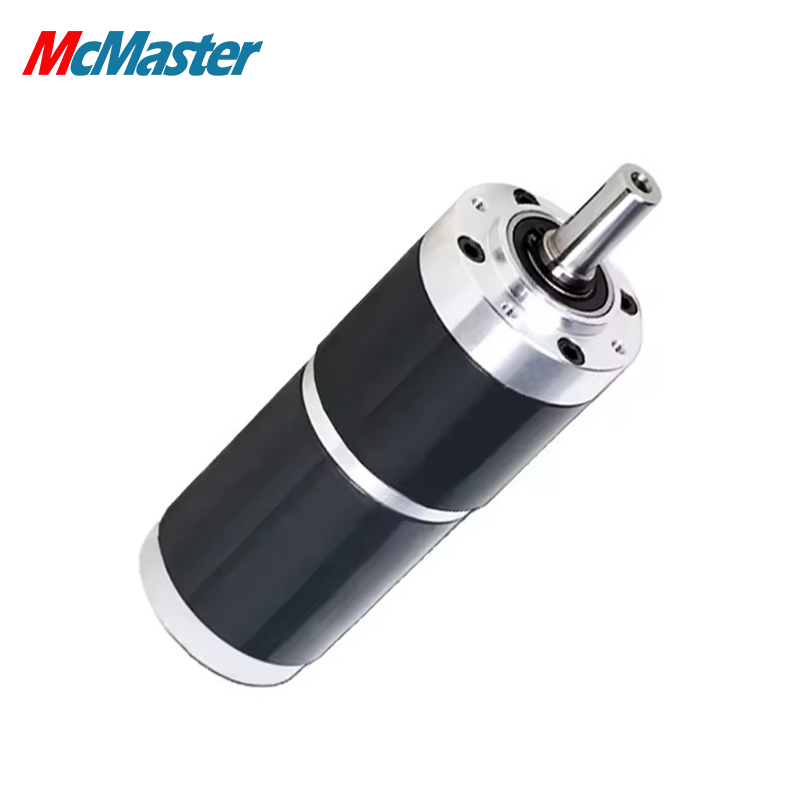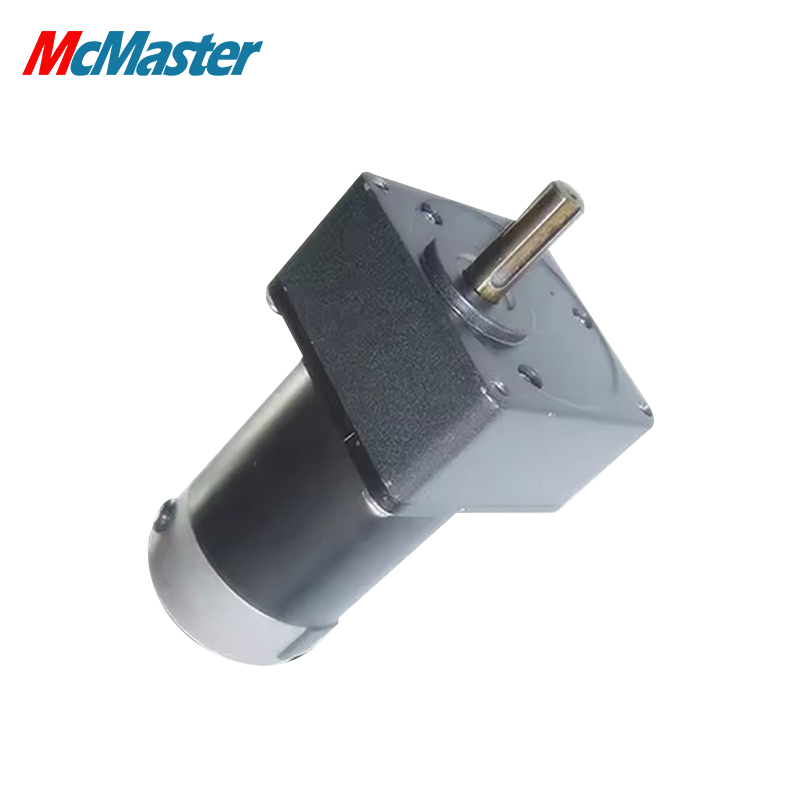
Planetary DC motors are integral components in various industrial applications, renowned for their efficiency and precision. These motors utilize a unique gear design that provides high torque output in a compact form factor, making them ideal for automation, robotics, and other sectors requiring reliable performance. B2B buyers, particularly purchasing managers and engineers, often face concerns regarding specifications, quality, cost factors, and installation challenges. This article aims to clarify these key aspects, helping you make informed decisions when selecting 24v planetary gear motor for your applications.
When evaluating planetary DC motors, a solid understanding of specifications is crucial. Key specifications include torque, voltage, speed, and efficiency ratings.
Torque: This is a measurement of the rotational force the motor can produce. For applications requiring heavy loads, such as robotics or industrial machinery, selecting a motor with adequate torque capacity is essential. A planetary gear motor 24v torque rating should match or exceed the application's requirements to ensure optimal performance.
Voltage and Current: These electrical parameters determine the power supply needed for operation. It's important to match the motor's voltage rating with the available power source to prevent damage.
Speed: Measured in revolutions per minute (RPM), the motor's speed must align with the operational needs. High-speed applications may require motors capable of maintaining performance under varying loads.
Efficiency: The efficiency of a planetary DC motor affects energy consumption and operational costs. Higher efficiency motors reduce energy waste, leading to lower long-term costs.
Gear Ratio: The gear ratio impacts the output speed and torque. A higher gear ratio translates to increased torque but reduced speed, which is critical for applications that require high force.
Understanding these specifications enables B2B buyers to select motors that best fit their specific application needs.
Quality assessment is pivotal when selecting planetary DC motors, as it directly affects reliability and longevity. Buyers should consider the following factors:
Materials: High-quality materials such as aluminum or hardened steel in the motor's construction enhance durability and performance. Inferior materials can lead to premature wear or failure.
Manufacturing Capabilities: Understanding the manufacturer's production capabilities can provide insight into the motor's quality. Established manufacturers, like Changzhou McMaster Electric, often employ advanced manufacturing techniques and rigorous quality control processes.
Certifications: Look for motors that come with relevant certifications indicating adherence to industry standards. Certifications can serve as a benchmark for quality assurance.
Testing Procedures: Inquire about the testing processes the manufacturer employs. Comprehensive testing before shipment, such as load testing and thermal analysis, ensures that the motors will perform reliably in real-world applications.
Warranty and Support: A solid warranty reflects the manufacturer's confidence in their product quality. Additionally, responsive customer support can assist in resolving any issues that arise post-purchase.
By focusing on these quality indicators, buyers can minimize risks associated with performance failures in critical applications.
The cost of planetary DC motors can vary significantly based on several factors. Understanding these can help in making a more informed purchasing decision:
Complexity of Design: Motors with advanced features, such as integrated controllers or specialized gearing, tend to be more expensive. Buyers should weigh the added value against their specific application needs.
Customization Requirements: Custom motors tailored to specific applications may incur additional costs. It's essential to assess whether customization adds enough value to justify the higher price.
Volume Discounts: For large orders, many manufacturers offer volume discounts. Understanding the minimum order quantities (MOQ) and potential savings can lead to substantial cost reductions.
Shipping and Handling: The destination and shipping method can affect the overall cost. Buyers should factor in these logistics when budgeting for their purchase.
Total Cost of Ownership: Beyond initial purchase prices, consider the total cost of ownership, which includes maintenance, energy consumption, and potential downtime. Investing in a higher-quality motor may lead to lower operating costs in the long run.
Evaluating these cost factors can help buyers align their budget with the right product selection.
Installing planetary DC motors can present challenges that, if not addressed, could lead to operational inefficiencies. Here are some common issues and their solutions:
Alignment: Proper alignment between the motor and the load is crucial for optimal performance. Misalignment can lead to increased wear and potential motor failure. Using alignment tools and ensuring that mounting surfaces are level can mitigate these issues.
Mounting Space: Limited space can complicate installation. Buyers should consider the motor's dimensions and the available installation area during the selection process, opting for compact designs where necessary.
Electrical Connections: Ensuring secure and correct electrical connections is vital. Poor connections can cause overheating or motor failure. Buyers should follow the manufacturer's guidelines for wiring and connection specifications.
Cooling Requirements: Some applications may necessitate additional cooling solutions. If the planetary gearbox for servo motor operates in a high-temperature environment or under heavy loads, integrating cooling fans or heat sinks may be beneficial.
Testing After Installation: Conducting thorough tests after installation can help identify any issues early. This should include checking for unusual noises, vibrations, or temperatures.
Addressing these installation challenges proactively can enhance operational efficiency and prolong the lifespan of the motor.
Distributors play a vital role in the supply chain of planetary DC motors, and understanding key features can enhance their offerings:
Variety of Models: Stocking a range of models with different specifications allows distributors to cater to diverse customer needs. Offering customizable options can also attract more buyers.
Technical Support: Providing technical resources and support can set a distributor apart. This may include installation guides, troubleshooting tips, and product training for customers.
Reliable Supply Chain: A dependable supply chain ensures that distributors can fulfill orders promptly and maintain inventory levels without delay. This reliability enhances customer satisfaction.
Marketing Materials: Offering marketing support, such as brochures and product data sheets, can assist distributors in effectively promoting planetary DC motors to their customers.
After-Sales Service: Establishing a robust after-sales service can improve customer retention. This may involve warranty support, repair services, and customer feedback channels.
By focusing on these features, distributors can enhance their value proposition and foster long-term relationships with customers in the B2B marketplace.

 EN