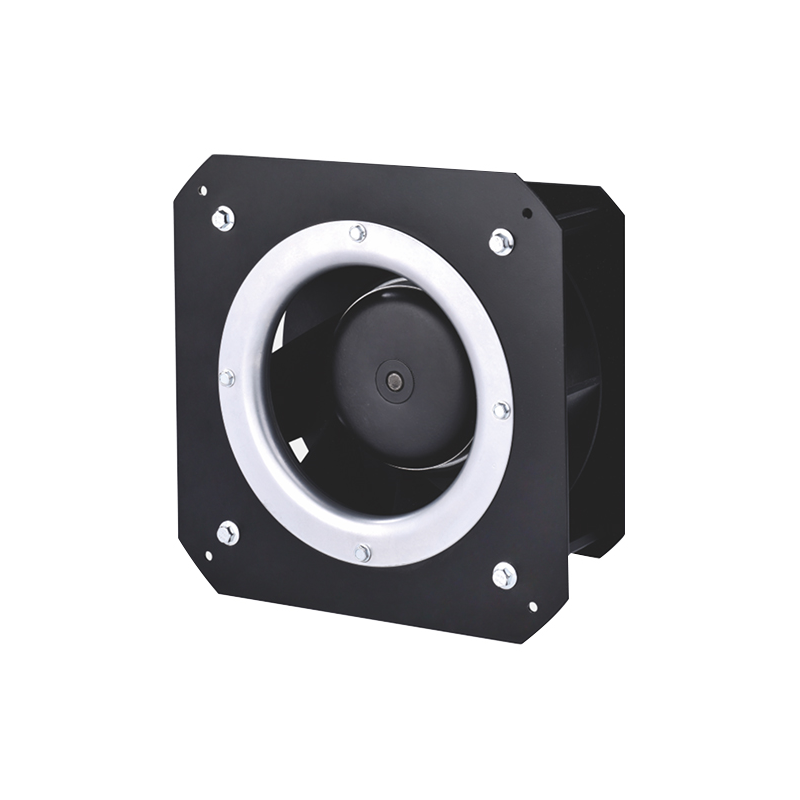
Understanding radial centrifugal fans is essential for professionals in various industries, particularly those involved in manufacturing, HVAC, and process engineering. These fans play a crucial role in ventilation, cooling, and air circulation systems by moving air efficiently at various pressures and flow rates. This article will delve into important considerations when selecting a radial centrifugal ac centrifugal fan, including key specifications, common issues, and the advantages these fans offer for various applications. By understanding these factors, buyers can make informed decisions that align with their operational needs and efficiency goals.
Selecting the appropriate radial centrifugal fan requires a clear understanding of your specific application requirements. Begin by assessing the airflow requirements, which is typically measured in cubic feet per minute (CFM) or cubic meters per hour (m³/h). Factors such as the system’s pressure drop, temperature ranges, and the nature of the air or gases being moved whether they are clean, contaminated, or include particulates should also be considered.Next, consider the fan's operating environment. For example, if the fan will be used in a corrosive setting, materials such as stainless steel or specialized coatings may be necessary to prevent degradation. Additionally, evaluate the size and layout of your installation space, which can influence the centrifugal fan hvac design and configuration. Finally, customization options, such as speed control and mounting arrangements, can significantly enhance performance and compatibility with existing systems.
When examining radial centrifugal fans, several specifications are critical to ensure optimal performance:
Airflow Rate: The volume of air moved by the fan, crucial for meeting system requirements.Total Pressure and Static Pressure: Total pressure is essential for understanding how much energy the fan can impart to the air, while static pressure helps in assessing how the fan will perform against system resistance.Efficiency Rating: This indicates how effectively the backward inclined centrifugal fan converts input power to airflow, impacting operational costs.Noise Levels: Measured in decibels (dB), noise can be a key consideration, especially in residential or sensitive environments.Motor Power: The fan’s motor power rating affects its capability to handle various loads and conditions.
Buyers should also consider any certifications relevant to energy efficiency or safety standards that may be required in their industry.
While evaluating radial centrifugal fans, pay close attention to the following aspects:
Material Composition: Ensure the materials are suitable for the expected operating conditions. Common materials include galvanized steel, aluminum, and thermoplastics. Each has its own advantages in terms of weight, corrosion resistance, and cost.
Quality Control Procedures: Investigate the manufacturer's quality assurance processes. Reliable manufacturers should have rigorous testing protocols in place to ensure each fan meets performance specifications.
Customization Capabilities: Determine if the manufacturer can provide custom solutions tailored to specific operational needs, such as unique dimensions or specialized coatings.
Lead Times and Packaging: Understand the expected lead times for orders and the packaging methods used to ensure safe transport, especially for larger or more delicate fans.
Radial centrifugal fans can encounter several common issues, and understanding these can help prevent operational setbacks:
Vibration: Excessive vibration can indicate imbalance or misalignment within the fan. Regular maintenance and monitoring can help identify and rectify these issues early.
Decreased Performance: If airflow drops or efficiency wanes, it could be due to clogging or degradation of components. Regular inspection and cleaning are crucial.
Noise: Unexpected noise levels can result from mechanical wear, loose components, or improper installation. Routine checks can help maintain quiet operation.
Overheating: Overheating motors can lead to failure. Ensure that fans are appropriately sized for their applications, and consider implementing thermal protection systems.
By proactively addressing these issues, buyers can enhance the longevity and reliability of their radial centrifugal fans.
Radial centrifugal fans offer several advantages that make them an attractive choice for various applications:
High Efficiency: These fans are designed to operate effectively at high pressures while maintaining a compact footprint, making them ideal for applications with limited space.
Versatile Applications: They can handle a wide range of air volumes and pressures, suitable for HVAC systems, industrial processes, and even residential setups.
Durability: Constructed from robust materials, radial centrifugal fans are built to withstand demanding conditions, contributing to longer operational lifespans.
Customization Options: Many manufacturers, like Changzhou McMaster Electric, provide customization options, allowing for tailored solutions that meet specific performance and environmental requirements.
Enhanced Air Quality: By efficiently circulating air, these fans help maintain indoor air quality, crucial in industrial environments and HVAC applications.
understanding the nuances of radial centrifugal fans is vital for making informed purchasing decisions. By focusing on specifications, potential issues, and the advantages these fans can provide, buyers can select the right product that meets their operational needs and contributes to greater efficiency and sustainability in their projects.

 EN