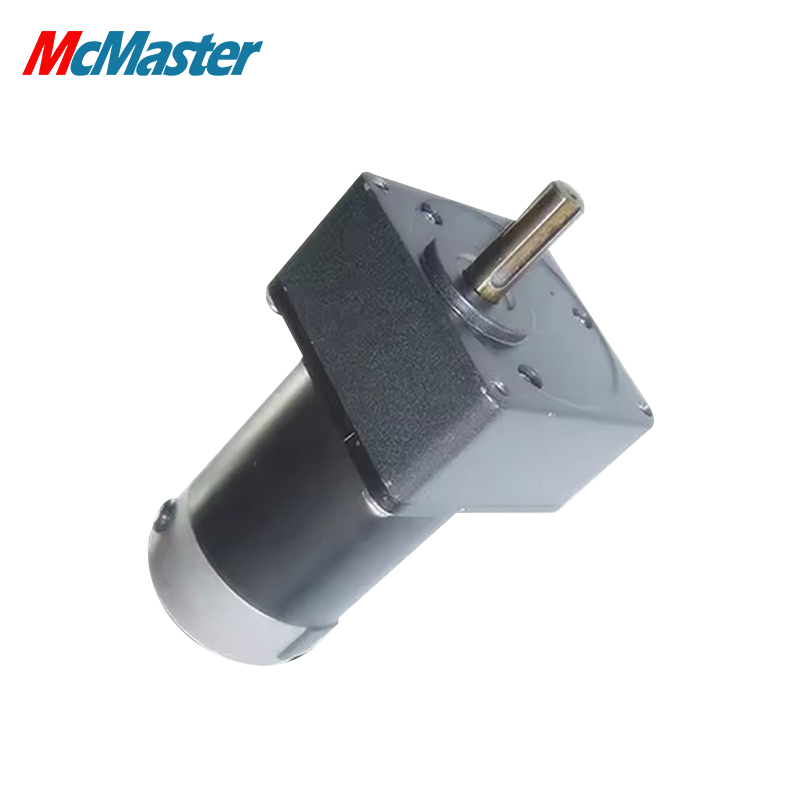
Geared electric motors are essential components in various industrial applications, combining the efficiency of electric motors with the torque multiplication of gear systems. For B2B buyers, understanding the nuances of geared electric motors is vital for making informed purchasing decisions that align with their operational needs. This article will explore key considerations when selecting brushless electric motor, essential specifications, cost factors for bulk orders, installation challenges, and the significance of material selection—all critical for ensuring a successful integration into your projects.
When selecting geared electric motors for your project, several factors must be evaluated to ensure optimal performance and compatibility. First, it’s essential to define the application requirements. Consider the torque and speed requirements specific to your machinery or process. The gear ratio will directly influence the output speed and torque, which should align with your operational needs.
Another critical aspect is the environmental conditions the motor will operate in. Factors such as temperature extremes, moisture, dust, and exposure to chemicals can significantly impact the motor's performance and lifespan. For instance, if the motor will be used in a damp environment, look for motors with appropriate IP ratings to ensure adequate protection against moisture ingress.
Additionally, consider the available power supply and voltage requirements. Geared electric motors come in various voltage ratings, and ensuring compatibility with your existing systems is crucial for seamless integration. Lastly, assess any space constraints, as the physical dimensions of the motor may affect installation and operation.
Understanding the key specifications of McMaster Electric geared electric motors is fundamental for making an informed purchasing decision. Some essential specifications include:
Power Rating: Measured in watts or horsepower, the power rating indicates the motor's capacity to perform work. Buyers must match the power rating to their application needs to avoid underperformance or burnout.
Torque: This is a measure of rotational force. The required torque will depend on the load being driven. Torque specifications can vary based on the gear ratio, so ensure that the selected motor can handle the necessary load.
Speed: Measured in revolutions per minute (RPM), speed specifications will dictate how quickly the motor can operate. The gear ratio will affect the output speed, so it’s crucial to calculate the final speed required for your application.
Efficiency: Higher efficiency motors convert a greater portion of electrical energy into mechanical energy, reducing operational costs. Look for efficiency ratings to ensure you're selecting a cost-effective option.
Duty Cycle: This refers to the motor's operational time versus rest time. Understanding the duty cycle is essential for ensuring that the motor can handle continuous or intermittent operation as required by your application.
Size and Weight: The physical dimensions and weight of the motor can impact installation and integration into existing systems. Ensure that the motor fits within the designated space and can be supported by the existing infrastructure.
By thoroughly understanding these specifications, buyers can ensure that they choose the right geared electric motor for their specific application needs.
When purchasing geared electric motors in bulk, several cost factors must be taken into consideration. One of the most significant factors is the unit price, which can vary based on the motor’s specifications, materials, and manufacturing processes. Customization requirements, such as specific gear ratios or unique mounting configurations, may also influence pricing.
Another aspect to consider is the total cost of ownership, which includes not just the initial purchase price but also operational costs, maintenance needs, and energy efficiency. A more efficient motor may have a higher upfront cost but can result in significant savings over time through reduced energy consumption.
Additionally, shipping and handling costs can add to the overall expense. Bulk orders may qualify for reduced shipping rates, so it's advisable to negotiate these terms with suppliers. Consider lead times as well; if a linear electric motor needs to be customized, longer lead times may affect project timelines, potentially resulting in additional costs due to delays.
Lastly, always review warranties and support services offered by manufacturers, as these can provide additional value and assurance for your investment.
Installing geared electric motors can present several challenges that may affect performance if not addressed properly. One common issue is misalignment, which can lead to increased wear and tear on the motor and gearing components. To mitigate this, ensure that mounting surfaces are level and aligned before installation. Utilizing alignment tools during setup can help maintain proper positioning.
Another challenge is ensuring proper cooling and ventilation, especially in applications where McMaster Electric motors will operate continuously or under heavy loads. Overheating can lead to premature failure, so consider the installation environment and allow for adequate airflow around the motor.
Cable management is also crucial; using appropriate conduits and ensuring connections are secure can prevent electrical issues. It's advisable to utilize strain reliefs to minimize tension on the motor terminals.
Finally, adherence to correct torque specifications during installation is vital. Over-tightening can damage components, while under-tightening can lead to mechanical failure. Always refer to the manufacturer's guidelines for proper torque values during installation.
The materials used in the manufacturing of McMaster Electric geared electric motors significantly affect their performance, durability, and suitability for specific applications. For instance, the casing material can influence heat dissipation and protection against environmental factors. Common materials such as aluminum and steel each have their advantages; aluminum is lightweight and offers good thermal conductivity, while steel provides enhanced structural integrity and durability.
The selection of gears is also critical. Gear materials need to be robust enough to withstand the operational stress while maintaining low friction for efficiency. Common materials include steel for high-load applications and plastic for lighter-duty applications where noise reduction is a priority.
Additionally, the choice of bearings can impact the high torque low rpm electric motor longevity and performance. High-quality bearings made of durable materials can reduce friction and wear, leading to improved efficiency and extended service life.
In summary, material selection is not merely a cost consideration; it plays a crucial role in ensuring that geared electric motors meet performance expectations and withstand the demands of their operating environments. Always consult with manufacturers to understand the material options available and how they align with your specific application needs.

 EN