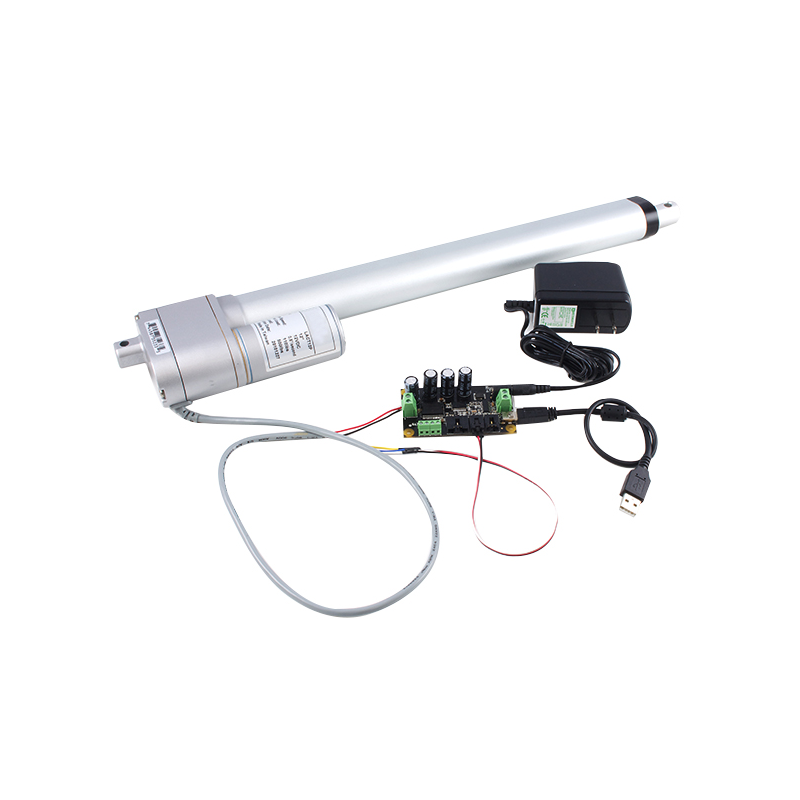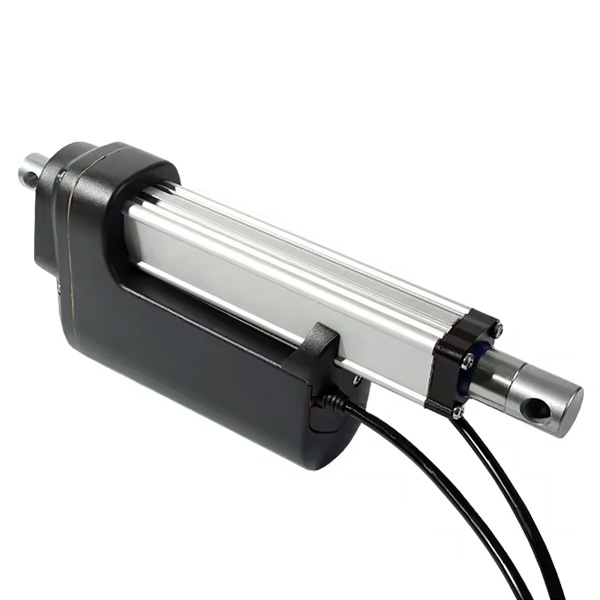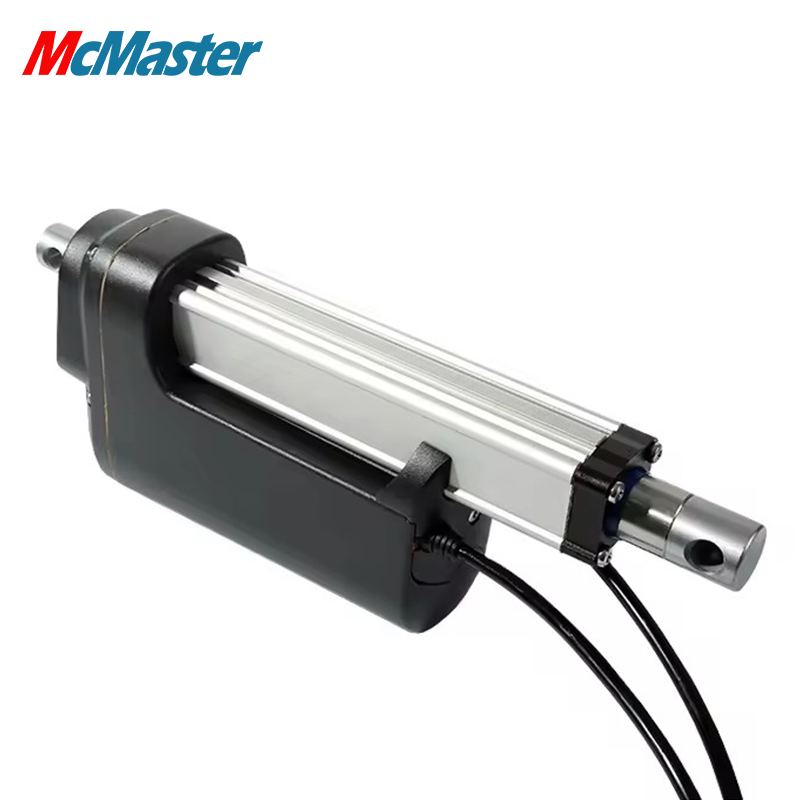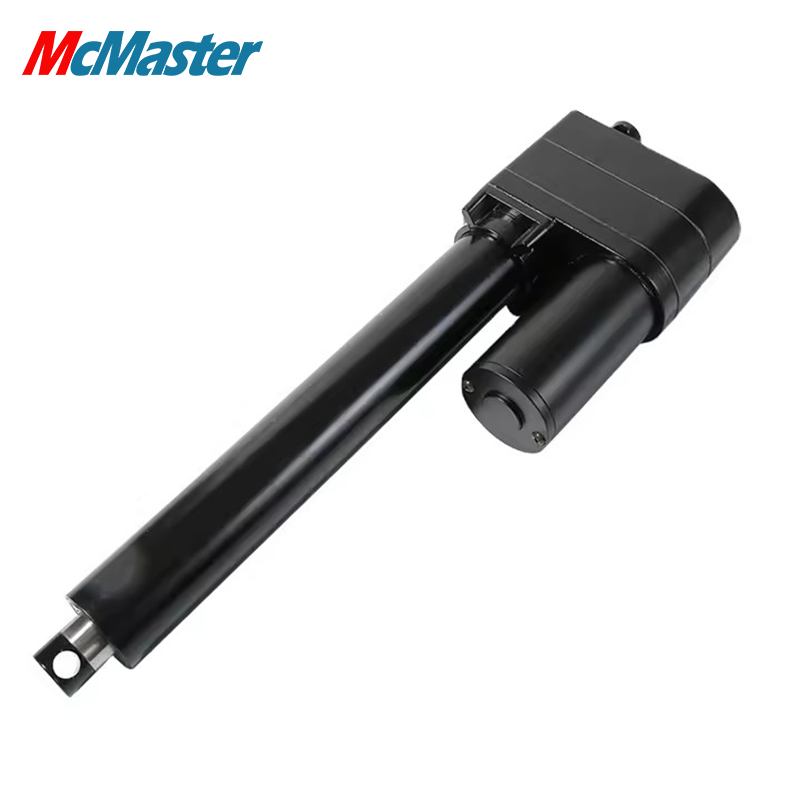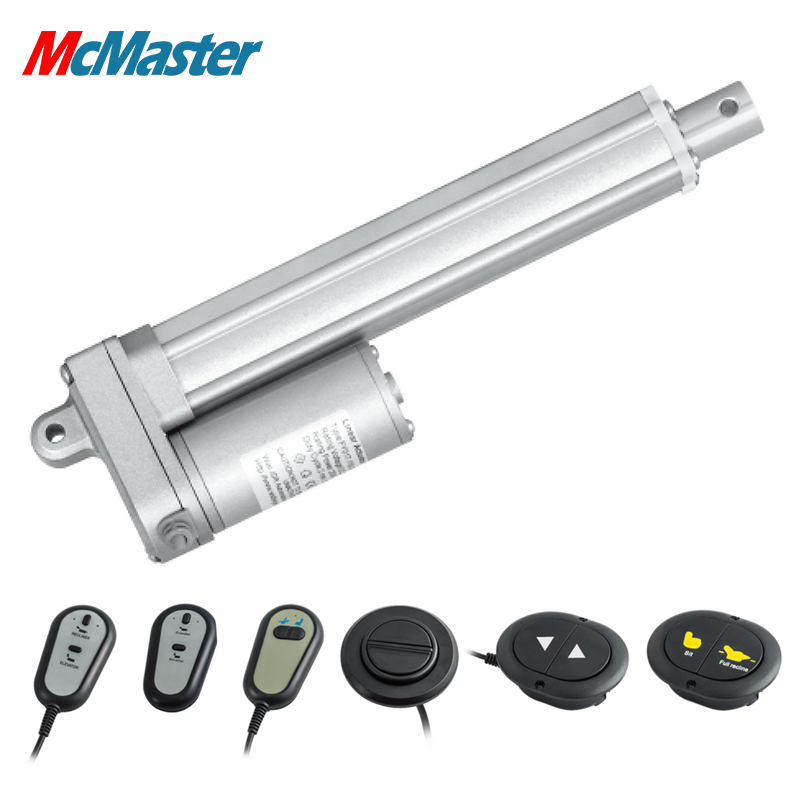
Linear actuator bed lifts are essential components in various applications, providing precise movement for adjustable beds and other devices. As a purchasing manager or product manager, understanding the specifications and cost factors associated with linear actuator bed lifts is crucial. This article will help you navigate the key considerations for sourcing high-quality products, ensuring reliable performance, and making informed purchasing decisions.
When evaluating linear actuator bed lifts, several key specifications should be taken into account to ensure optimal performance. These include:
Load Capacity: This specification indicates the maximum weight the actuator can handle. It's essential to select an actuator that can support the intended load, as exceeding this limit may lead to performance failure or safety issues.
Stroke Length: This is the distance the actuator can extend or retract. Depending on your application, you need to choose an appropriate stroke length that allows for the necessary range of motion.
Speed: The speed of the actuator is crucial for applications requiring specific timing, such as adjustable beds that need to move quickly and smoothly. This is typically measured in millimeters per second (mm/s).
Voltage and Power Rating: Different applications may require varying power levels. Ensure that the actuator's voltage and current ratings align with your power supply to avoid compatibility issues.
Durability and Environmental Resistance: High-quality linear actuator should be built from materials that withstand harsh conditions, including moisture, dust, and temperature fluctuations. Look for actuators with ingress protection (IP) ratings that suit your operational environment.
Understanding these specifications allows you to select a linear actuator bed lift that meets the specific needs of your application, ensuring reliability and longevity.
When assessing the cost of linear actuator bed lifts for bulk orders, several factors can influence pricing:
Material Selection: The materials used in manufacturing the actuators can significantly affect their cost. For example, actuators made from high-strength aluminum or stainless steel may cost more upfront but offer better durability and performance.
Customization Requirements: Custom features, such as unique stroke lengths or specialized mounting options, can increase costs. Clearly defining your requirements upfront can help suppliers provide accurate quotes and avoid unexpected expenses.
Order Quantity: Bulk purchasing generally leads to lower unit prices. Many suppliers offer tiered pricing models, so it's beneficial to understand the minimum order quantities (MOQ) and how costs decrease with larger orders.
Shipping and Handling: Consider the logistics of getting the linear actuator 12v actuators to your location. Shipping costs can vary based on the weight, dimensions, and destination. Additionally, consider potential import duties if sourcing internationally.
Supplier Reputation and Quality Assurance: Sometimes, the lowest price may not reflect the best value. Established manufacturers with robust quality control processes may charge more but offer superior products and post-sales support, reducing the risk of costly failures.
By evaluating these cost factors, you can make informed decisions that balance quality and budget, ultimately leading to better purchasing outcomes.
Installing linear actuator bed lifts requires careful consideration of the application's specific requirements. Here are some general installation guidelines:
Mounting: Ensure that the actuator is mounted securely in accordance with the manufacturer's specifications. The mounting brackets should withstand the forces generated during operation. Use appropriate hardware for the material of the mounting surface.
Power Supply Connection: Verify the voltage and power ratings of the actuator before connecting it to the power supply. Use the recommended wiring and connectors to prevent electrical issues. Ensure that all connections are secure and insulated to avoid short circuits.
Control System Integration: If your application involves a control system, follow the manufacturer's guidelines for wiring and programming. Proper integration is crucial for ensuring reliable operation and responsiveness.
Testing: After installation, perform thorough testing to ensure that the actuator operates as expected. Check for smooth movement, proper speed, and responsiveness to control inputs. Look for any mechanical interference that may affect performance.
Maintenance Considerations: Regular maintenance checks should be scheduled to ensure the actuator remains in optimal condition. Inspect for wear, secure connections, and any signs of environmental damage.
By following these guidelines, you can achieve reliable performance from your linear actuator bed lifts, ensuring they function as intended in your specific applications.
Finding a reliable source for linear actuator bed lifts is crucial for ensuring the quality and performance of your products. Here are some tips for sourcing:
Manufacturer Reputation: Look for established manufacturers with a proven track record in the industry. Companies with extensive experience, like Changzhou McMaster Electric, typically offer high-quality products and robust customer support.
Certifications and Compliance: Verify that the electric motor linear actuator manufacturer complies with relevant industry standards and certifications. This may include ISO certifications or compliance with specific safety regulations, which can indicate a commitment to quality and reliability.
Product Variations: Investigate whether the supplier offers a range of products that can meet diverse application needs. A manufacturer that provides customization options can often better meet your specific requirements.
Customer Reviews and Testimonials: Seek feedback from other customers who have purchased from the supplier. This insight can reveal the reliability of the products and the quality of after-sales support.
Sample Requests: Before placing a large order, consider requesting samples to evaluate the quality and performance of the actuators in your specific application. This step can help you confirm that the product meets your expectations.
By carefully selecting a reliable supplier, you can ensure that your linear actuator bed lifts are of high quality, ultimately supporting the success of your business.
The materials used in the construction of linear actuator bed lifts play a significant role in their performance and longevity. Here are some material advantages to consider:
Aluminum: Often used for its lightweight and corrosion-resistant properties, aluminum actuators provide an excellent strength-to-weight ratio, making them ideal for applications that require easy mobility and reduced weight.
Stainless Steel: For applications exposed to harsh environments, stainless steel is an ideal choice due to its superior corrosion resistance and durability. It can withstand moisture, chemicals, and high temperatures, ensuring a longer service life.
Plastic Components: Certain actuators incorporate high-strength plastic components, which can reduce weight and manufacturing costs while still maintaining adequate strength for less demanding applications.
Sealing Materials: The use of high-quality seals and gaskets can enhance the actuator's resistance to dust and moisture, further extending its lifespan and reliability, especially in outdoor or industrial settings.
When selecting a linear actuator bed lift, it's essential to consider how the material choices align with your application requirements. Proper material selection not only impacts performance but also contributes to the overall cost-effectiveness and durability of the product.
By understanding these material advantages, you can make informed decisions that enhance the functionality and longevity of your linear actuator bed lifts.

 EN