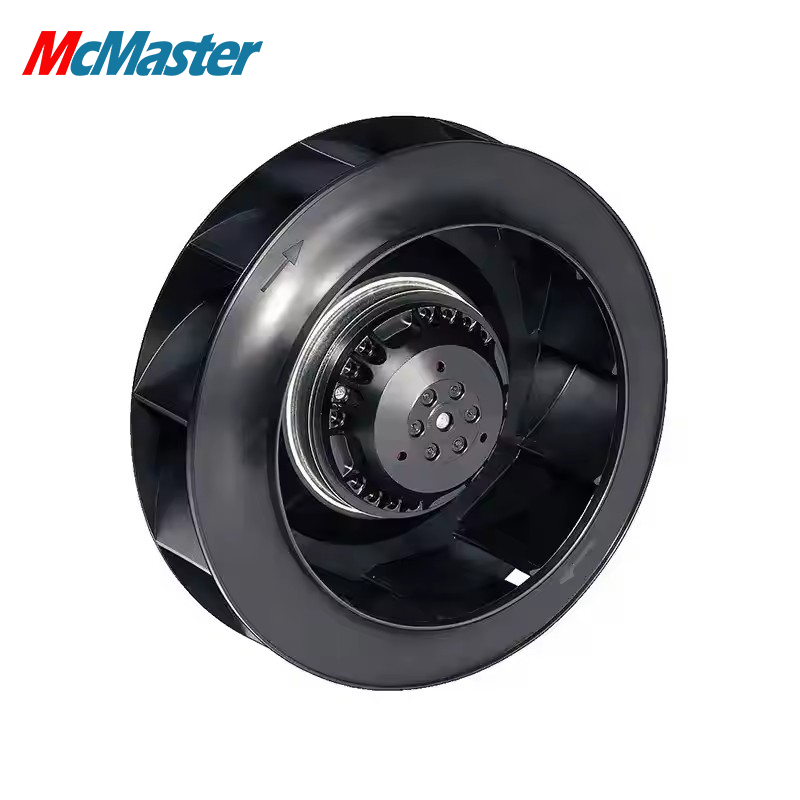
Choosing the right AC axial fans for industrial applications is critical for maintaining efficient airflow and cooling in various systems. AC axial fans are known for their ability to move large volumes of air with minimal resistance, making them ideal for settings like manufacturing plants, HVAC systems, and automotive applications. As a B2B buyer, you may be concerned about factors such as performance specifications, cost-effectiveness, and supplier reliability. This article aims to provide practical insights into selecting the right AC axial motor fan, evaluating their specifications, and understanding key features to ensure optimal performance in your industrial applications.
When selecting AC axial fans, consider the specific requirements of your application, such as airflow rate, pressure, and operating environment. Different industries, from automotive to medical, may have distinct needs. For instance, fans used in automotive applications must withstand harsh conditions and provide reliable performance under varying temperatures.
Evaluate the size of the fan based on the space available and the volume of air required. Larger fans generally move more air but may require more energy, so it's essential to find a balance between size, efficiency, and power consumption. Additionally, consider noise levels, especially if the fan is used in areas where sound levels must be minimized.
Customization options are also vital. Many manufacturers, including Changzhou McMaster Electric, offer variations in materials, blade design, and motor types to meet specific operational demands. Understanding these factors will help you choose a fan that is not only effective but also economical in terms of energy consumption.
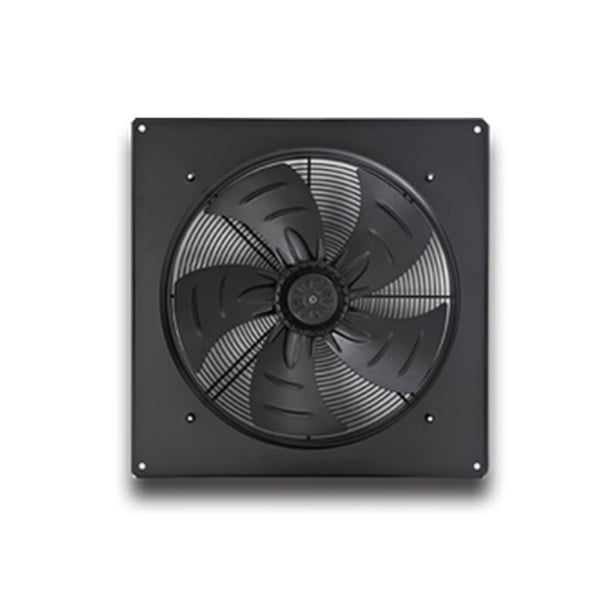
Evaluating AC axial fan specifications involves understanding several key metrics that affect their performance:
Airflow (CFM): The Cubic Feet per Minute (CFM) rating indicates how much air the fan can move. This is crucial for ensuring adequate ventilation or cooling in your application.
Static Pressure: This measures the resistance to airflow. A higher static pressure rating means the fan can overcome more resistance, which is vital in installations with ductwork or obstructions.
Power Consumption: Look for fans that provide the required airflow with the least amount of power consumption. The efficiency rating can help you determine the operational cost over time.
Motor Type: Different motor designs, such as shaded pole or permanent split capacitor (PSC) motors, can affect efficiency and performance. Ensure that the axial fan motor type aligns with your operational requirements.
Operating Temperature Range: Verify that the fan can operate effectively within the temperature ranges expected in your application. This is particularly important in environments with extreme conditions.
Buyers should request detailed technical data sheets from suppliers to compare these specifications and ensure compatibility with their systems.
When purchasing AC axial fans in bulk, several cost factors should be taken into account:
Unit Price: The initial cost per unit is a crucial factor, but remember that a lower unit price may not reflect a lower total cost of ownership. Evaluate the fan's efficiency and lifespan to determine long-term savings.
Shipping and Handling: Bulk orders often involve significant shipping costs. Inquire about shipping terms, delivery times, and packaging methods to avoid unexpected expenses.
Minimum Order Quantity (MOQ): Manufacturers may have MOQs that could affect your purchasing strategy. Ensure the MOQ aligns with your project needs and budget constraints.
Customization Costs: If you require specific features or modifications, be aware that these can increase the overall cost. Discuss customization options upfront to avoid surprises later in the process.
Warranty and Support: Consider the warranty period and the level of support provided by the manufacturer. A robust warranty can save costs associated with replacements or repairs down the line.
Understanding these cost factors will help you make a more informed decision when purchasing AC axial fan in bulk.
When assessing AC axial fans, focus on the following key features and performance metrics:
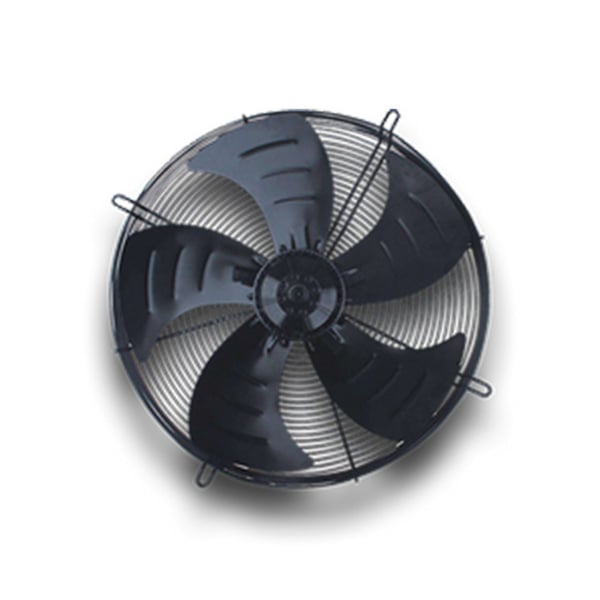
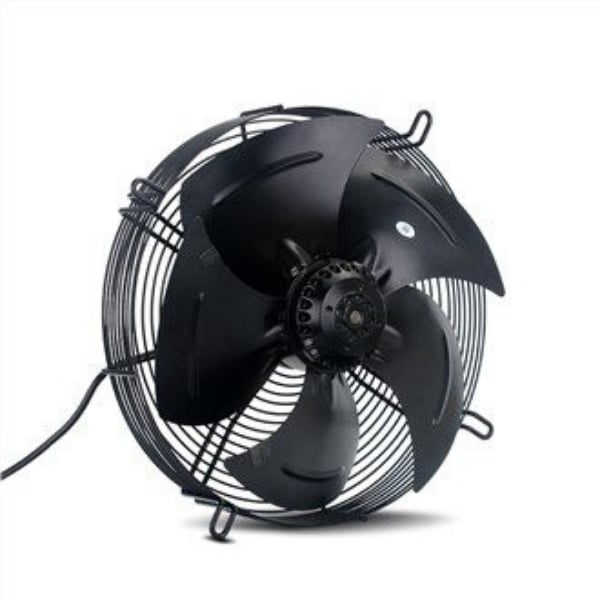
Blade Design: The shape and number of blades can significantly impact airflow and efficiency. Fans with optimized blade designs can provide improved performance and reduced noise.
Durability: Look for fans made from high-quality materials that can withstand the operating environment. Corrosion-resistant coatings or durable plastics may be necessary in certain applications.
Noise Levels: Noise can be a significant concern in workplaces. Consider fans designed for quiet operation, particularly in settings like hospitals or offices.
Speed Control Options: Variable speed controls allow for better energy management and flexibility in performance, enabling the fan to adjust its speed based on the cooling or ventilation needs.
Ease of Maintenance: Fans with designs that allow for easy access to motors and blades can simplify maintenance tasks, reducing downtime and enhancing operational efficiency.
By prioritizing these features, you can select AC axial fans that not only meet your performance needs but also contribute to long-term operational success.
Finding a reliable supplier for your AC axial fan needs involves several steps:
Research and Reviews: Look for suppliers with a strong reputation in the industry. Customer reviews and case studies can provide insights into their reliability and product quality.
Certifications and Standards: Verify that the supplier adheres to industry standards and certifications. This can include ISO certifications or compliance with safety and environmental regulations, which are often indicative of a commitment to quality.
Production Capabilities: Assess the supplier's manufacturing capabilities, including their equipment, processes, and quality control measures. A supplier with advanced technology and stringent quality checks is more likely to deliver consistent products.
Communication: Evaluate the supplier's responsiveness and willingness to provide detailed information. Clear communication is essential for addressing any concerns and ensuring you receive the correct products.
After-Sales Support: Reliable suppliers offer comprehensive after-sales support, including warranty services and technical assistance. Ensure that the supplier can provide ongoing support as needed.
By following these steps, you can establish a relationship with a supplier that meets your AC axial fan requirements and supports your operational goals effectively.

 EN