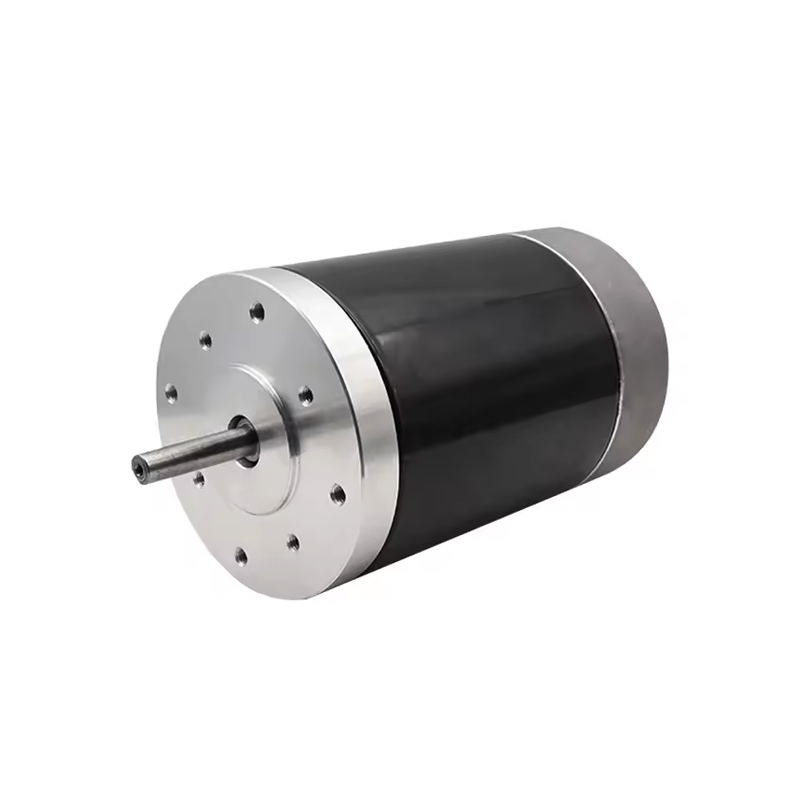
Brushless 12V motors are increasingly gaining traction across various industries, thanks to their efficiency, reliability, and reduced maintenance needs. As a B2B buyer, understanding the specifications, quality evaluation, performance factors, installation guidelines, and common issues associated with these motors is crucial for making informed purchasing decisions. This article aims to equip you with essential insights into 12V brushless dc electric motor, helping you navigate your procurement process effectively.
When evaluating 12V brushless motors for industrial use, several specifications should be prioritized.
Voltage and Current Ratings: The most critical specification is the voltage rating, which in this case is 12V. Understanding the current draw is equally important, as it affects the power supply and overall system design.
Torque and Speed: Torque ratings indicate the motor's ability to perform work, while speed ratings (measured in RPM) define how quickly the motor can operate. This information is essential in determining whether the motor can meet the specific demands of your application.
Efficiency: bldc brushless motor are known for their efficiency, often exceeding 85-90%. Higher efficiency translates into lower operational costs, particularly important in applications requiring prolonged use.
Size and Weight: The physical dimensions and weight of the motor are vital for installation compatibility and integration into existing systems. Compact designs can help save space, particularly in tight industrial environments.
Operating Temperature Range: Different applications may expose motors to varying temperature ranges. Ensuring that the motor can operate effectively within your application's temperature limits is critical for reliability.
Protection Ratings: Look for motors with appropriate ingress protection (IP) ratings, particularly for environments with dust or moisture. Higher ratings ensure longer motor life and better performance under challenging conditions.
Evaluating the quality of a 12V brushless motor involves a comprehensive approach:
Manufacturer Reputation: Begin by researching the manufacturer's reputation within the industry. Established companies like Changzhou McMaster Electric, with over 20 years of experience, often provide a level of assurance regarding product quality and reliability.
Certifications: Check for industry-standard certifications, such as ISO 9001 for quality management systems. These certifications indicate adherence to strict quality control processes throughout manufacturing.
Material Quality: Inquire about the materials used in the motor's construction. High-grade materials can significantly enhance durability and performance. For instance, the use of high-temperature resistant magnets can improve operational efficiency in demanding environments.
Testing and Quality Assurance: Understand the testing protocols employed by the manufacturer. Rigorous testing, including thermal, vibration, and load tests, ensures that the motors can withstand operational stresses.
Customer Reviews and Case Studies: Look for customer testimonials or case studies that highlight the motor's performance in real-world applications. These insights can provide valuable information regarding reliability and effectiveness.
When considering the performance of 12V brushless motors, several cost factors come into play:
Upfront Costs vs. Long-term Savings: While brushless motors may have a higher initial cost compared to brushed motors, their efficiency and reduced maintenance costs often result in significant long-term savings. Calculate the total cost of ownership, including energy consumption and maintenance, to make a more informed decision.
Customization Options: Depending on specific application needs, you may require customization, which can affect both price and performance. Discuss customization capabilities with manufacturers to ensure alignment with your operational requirements.
Lead Times and Availability: Be aware of lead times for production and delivery. Longer lead times can disrupt project schedules. Establishing a solid relationship with reliable suppliers can help mitigate supply chain issues.
Bulk Purchase Discounts: If you plan to order large quantities, inquire about volume discounts. Many manufacturers offer reduced pricing for bulk orders, which can enhance your budget efficiency.
Proper installation of 12V brushless motors is crucial for optimal performance:
Mounting Considerations: Ensure that the motor is mounted securely to minimize vibration and movement, which can lead to premature wear. Use appropriate mounting hardware as recommended by the manufacturer.
Wiring and Connections: Pay close attention to the wiring and connections. Ensure that they are compatible with your system's voltage and current specifications to prevent electrical failures. Follow the manufacturer's wiring diagrams for specific connection instructions.
Cooling Requirements: In high-performance applications, consider the motor's cooling requirements. Adequate ventilation and cooling mechanisms can prevent overheating and enhance motor longevity.
Testing After Installation: Once installed, conduct thorough testing to confirm that the motor operates as expected. Check for abnormal noises, vibrations, or temperature increases that may indicate issues requiring attention.
While 12V brushless motors are generally reliable, potential issues can arise:
Overheating: If the motor runs hotter than expected, it may be due to insufficient cooling, high ambient temperatures, or overloading. Ensure that the motor is rated for the application and consider implementing additional cooling solutions if needed.
Electrical Failures: Issues such as short circuits or component failures can occur. Regularly inspect wiring connections and ensure that they are secure and free from corrosion. Employ surge protection to safeguard against electrical spikes.
Speed Control Issues: If the motor does not respond properly to speed adjustments, verify that the controller settings are configured correctly. Incompatibility between the motor and controller can lead to performance discrepancies.
Noise and Vibration: Excessive noise or vibration can indicate mounting issues or internal component wear. Regular maintenance checks and timely replacement of worn components can help mitigate these problems.
By understanding the specifications, quality indicators, performance factors, installation practices, and potential issues associated with 12V brushless dc planetary gear motor, you can make more informed decisions that will benefit your industrial applications. With the right knowledge and preparation, you can confidently navigate the procurement process and ensure the successful integration of these efficient motors into your operations.

 EN