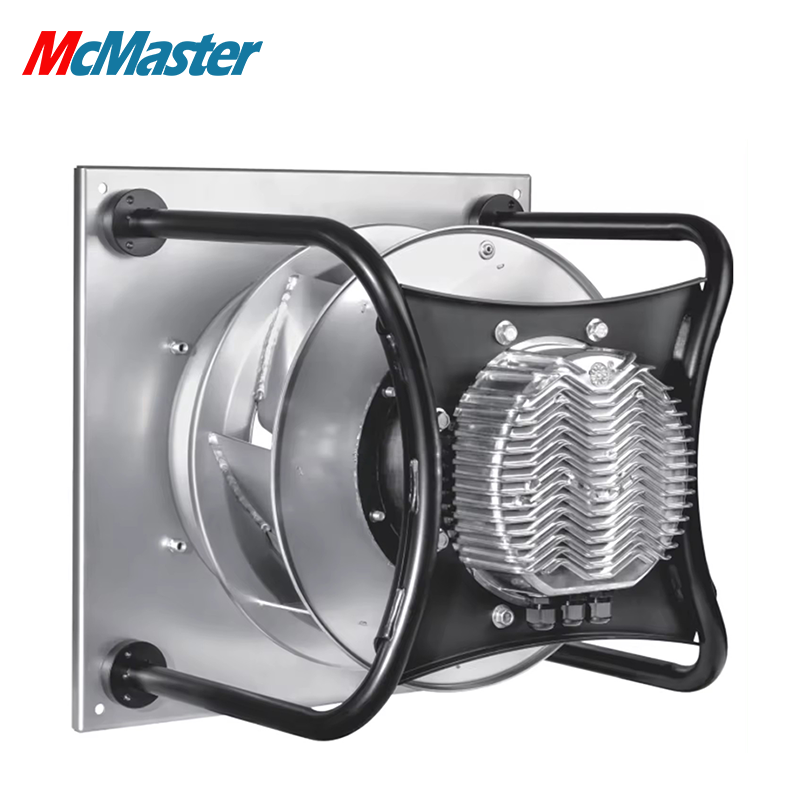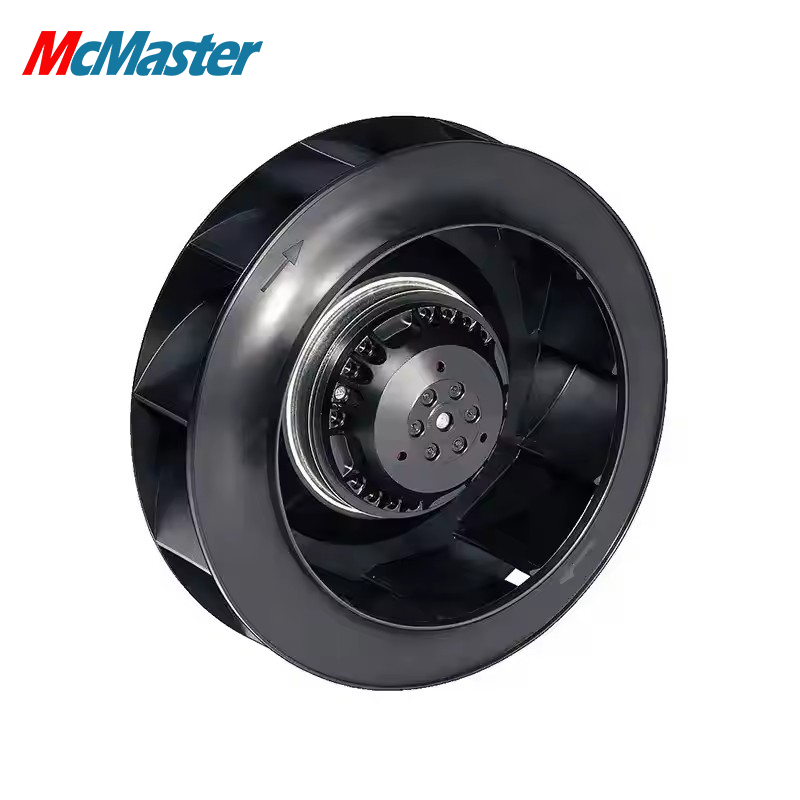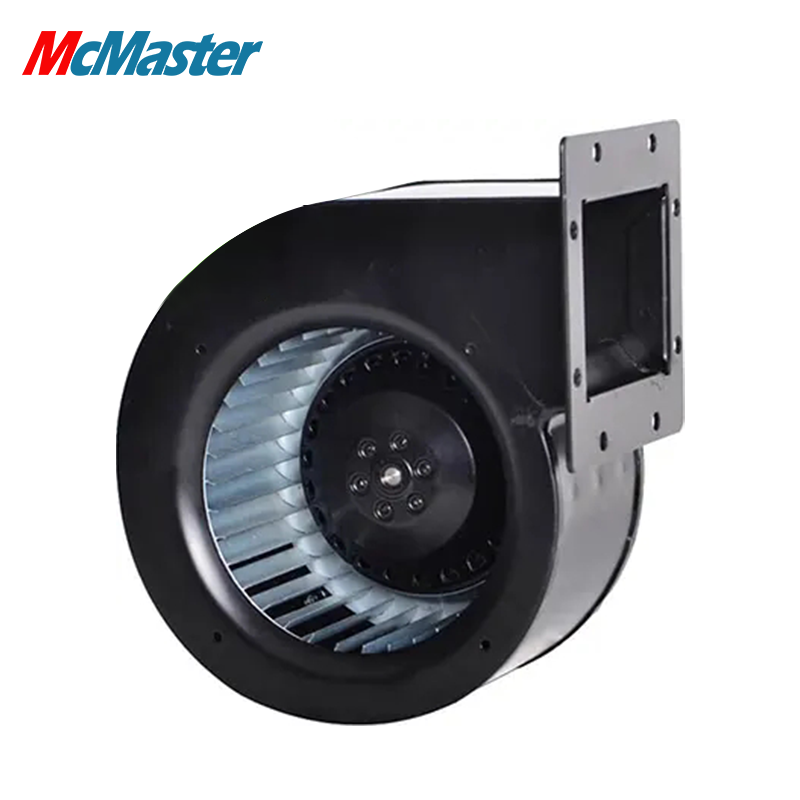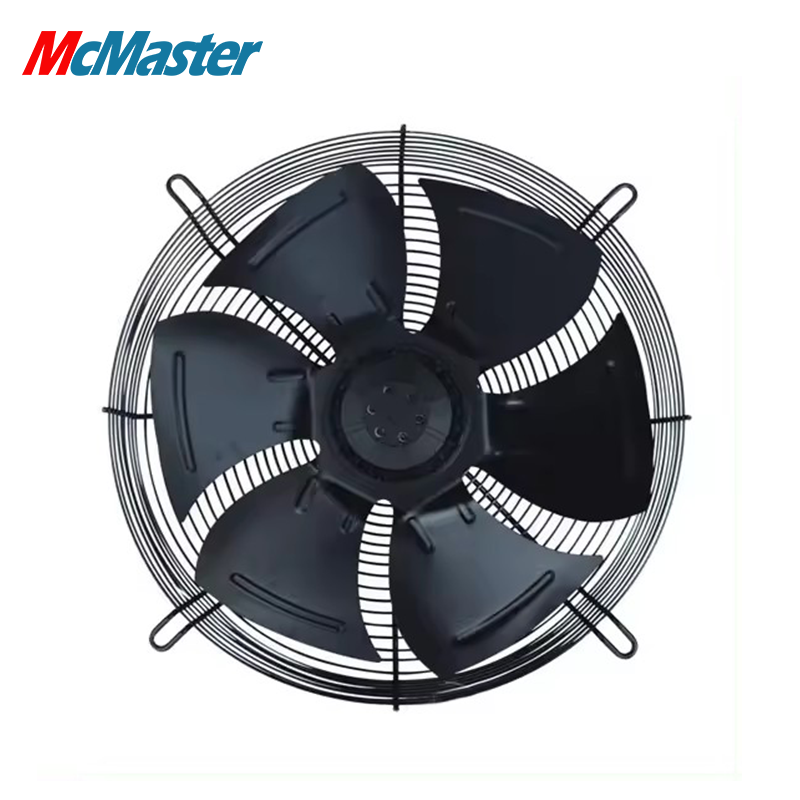
EC fan walls are innovative cooling solutions that integrate multiple fans within a single housing, providing effective air circulation for various industrial applications. As manufacturing and industrial sectors increasingly prioritize energy efficiency and sustainability, understanding the benefits and specifications of EC fan walls becomes essential for purchasing managers and engineers. This article aims to guide you through the advantages, selection criteria, key specifications, installation guidelines, and versatile applications of EC fan walls, ensuring that you can make informed decisions for your projects.
EC fan walls, or electronic commutation fan walls, offer several advantages over traditional fan systems. One of the primary benefits is energy efficiency. EC fans operate using direct current (DC), which allows for precise control over speed and airflow, potentially reducing energy consumption by up to 50% compared to AC fan systems. This efficiency not only lowers operational costs but also supports sustainability initiatives within organizations.
Another significant advantage is their compact design. EC fan walls can deliver high airflow rates while occupying minimal space, making them ideal for environments with limited installation areas. Additionally, the modular design of centrifugal blower fan allows for easy scalability; users can increase or decrease the number of fans based on their specific cooling needs without significant redesign or reconfiguration.
Moreover, these systems offer enhanced reliability and reduced maintenance requirements. Due to fewer moving parts and the use of high-quality materials, EC fan walls tend to have a longer operational lifespan. This reliability minimizes downtime and maintenance costs, making them an attractive option for industries that rely on continuous operations.
When selecting an EC fan wall, several factors should be considered to ensure compatibility with your application. First, assess the required airflow and pressure specifications. Understanding the specific cooling load and airflow requirements will help you determine the appropriate fan size and quantity.
Next, consider the environmental conditions where the forward curved centrifugal fan will be installed. Factors such as temperature, humidity, and potential exposure to contaminants can influence the material selection and design. For instance, environments with high moisture levels may require corrosion-resistant materials or coatings.
Additionally, evaluate the integration capabilities with existing systems. Ensure that the EC fan wall can be easily incorporated into your current setup without extensive modifications. Compatibility with control systems, such as building management systems (BMS), is also a crucial consideration.
Finally, take into account the manufacturer's customization options. Depending on your specific needs, you may require tailored solutions in terms of size, shape, or additional features such as variable speed controls or integrated sensors.
Choosing the right EC fan wall involves assessing various technical specifications that impact performance and suitability. Here are some key specifications to consider:
Airflow Rate: Measured in cubic feet per minute (CFM) or liters per second (L/s), the airflow rate indicates the amount of air the fan can move. It's essential to match this specification with your project's cooling requirements.
Static Pressure: This specification refers to the resistance against which the fans must work to push air through the system. Higher static pressure ratings indicate a fan’s ability to overcome resistance in ductwork or filters.
Noise Level: The noise produced by the fan wall is a critical factor, especially in environments where noise control is essential. Noise levels are measured in decibels (dB), and many manufacturers provide sound power levels for their products.
Power Consumption: Look for specifications related to energy efficiency, such as power usage in watts. Lower power consumption translates to reduced operational costs.
Operating Temperature Range: Ensure that the ec centrifugal fan can operate effectively within the temperature range of your installation environment. This range is crucial for maintaining performance and extending lifespan.
Control Options: Evaluate the control capabilities, including manual and automatic speed adjustments, integration with sensors, and compatibility with smart building systems.
Understanding these specifications will enable you to evaluate different EC fan wall models effectively, ensuring that you select a unit that meets your specific needs.
Proper installation of EC fan walls is crucial for optimal performance and longevity. Here are some guidelines to follow during the installation process:
Site Preparation: Ensure the installation site is clean and free from debris. Verify that the surface is level and capable of supporting the weight of the fan wall.
Airflow Path: Design the airflow path to minimize obstructions. Ensure that there is sufficient clearance around the fan wall for air intake and exhaust. This clearance is vital for maintaining efficient airflow and preventing recirculation.
Electrical Connections: Follow the manufacturer’s guidelines for electrical installations. Ensure that the power supply matches the fan's specifications and that all connections are secure and properly insulated.
Control Integration: If applicable, integrate the fan wall with existing control systems. Test the control functions to ensure proper communication and operation.
Testing and Commissioning: After installation, conduct a thorough testing phase. Measure airflow rates, check for vibrations, and monitor noise levels to ensure that the fan wall operates within the specified parameters.
Adhering to these installation guidelines will help ensure the fan wall functions efficiently and reliably throughout its operational life.
EC fan walls are versatile and can be utilized across various industries due to their adaptability and efficiency. Here are some common applications:
Data Centers: In data centers, maintaining optimal temperatures is crucial for equipment performance. EC fan walls provide efficient cooling solutions, allowing for better temperature control and energy savings.
HVAC Systems: These fan walls are often incorporated into heating, ventilation, and air conditioning (HVAC) systems, enhancing airflow and improving energy efficiency.
Industrial Manufacturing: In manufacturing facilities, EC fan walls can be used for process cooling, equipment cooling, and maintaining air quality.
Automotive and Aerospace: In these industries, precise temperature control is vital. EC fan walls enable efficient cooling for both production processes and end-use applications.
Medical Equipment: In the medical field, maintaining specific temperature ranges is critical. EC fan walls can be found in various medical devices, ensuring reliable performance and safety.
By understanding the diverse applications of EC fan walls, purchasing managers and engineers can better assess their suitability for specific projects, ensuring optimal performance and efficiency across various operational environments.

 EN