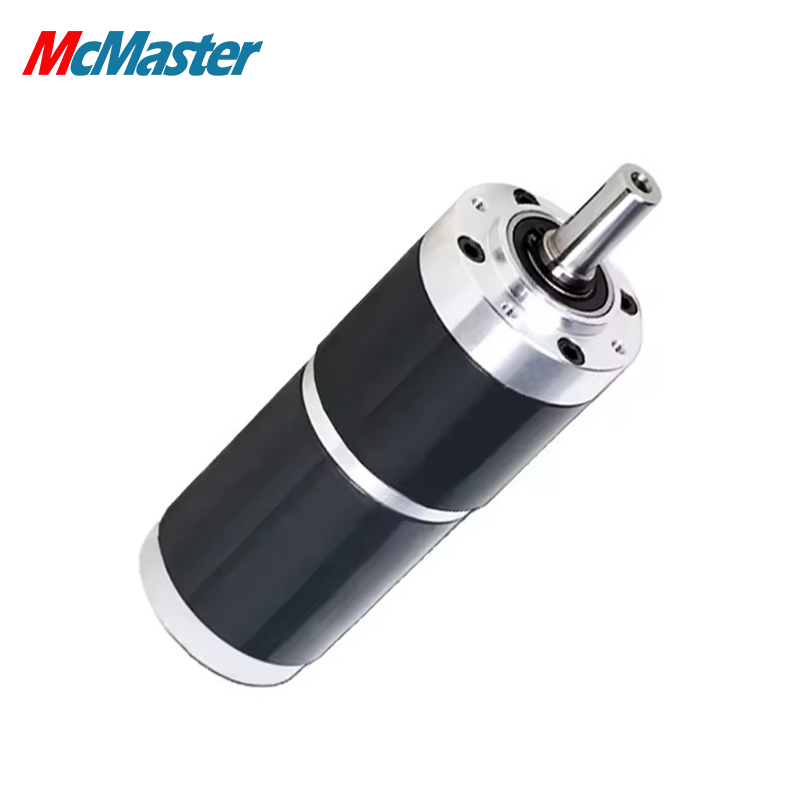
Electric motors are essential components in a wide range of industries, powering everything from consumer electronics to industrial machinery. For B2B buyers, understanding electric motor specifications and quality standards is critical for making informed purchasing decisions. This article aims to provide practical insights into comparing brushless dc electric motor specifications, sourcing options, quality control practices, cost factors, and the material advantages of high-performance electric motors.
When evaluating electric motors, it's essential to consider key specifications that directly impact performance and suitability for your application. Key specifications include:
Power Rating: Measured in watts or horsepower, this indicates the motor's ability to perform work. Ensure the power rating meets the demands of your specific application.
Voltage and Frequency: Electric motors operate on specific voltage and frequency levels. Understanding the compatibility with your existing electrical system is crucial to avoid operational failures.
Efficiency Ratings: Look for motors with high-efficiency ratings, as they consume less energy and contribute to sustainability efforts. The efficiency class (e. g., IE3, IE4) can guide your selection.
Torque: This specification indicates the motor's ability to perform work at various speeds. Assess the required torque for your application to ensure optimal performance.
Size and Weight: Dimensions and weight can affect installation and operational logistics. Ensure the motor fits within the spatial constraints of your application.
Operating Environment: Consider factors such as ambient temperature, humidity, and exposure to dust or moisture, as these can influence motor performance and longevity.
By comparing these specifications, you can select a bldc electric motor that aligns with the technical requirements and operational needs of your project.
Finding reliable sources for electric motors involves assessing various distribution channels. Here are some options to consider:
Manufacturers: Directly purchasing from manufacturers, like Changzhou McMaster Electric, ensures you receive high-quality products tailored to your specifications. Manufacturers often provide customization options that can meet unique project needs.
Distributors: Established distributors often carry a range of brands and models. They can provide valuable insights into different products and help with sourcing based on your requirements.
Online Marketplaces: E-commerce platforms can offer a convenient way to compare prices and specifications across various suppliers. However, it's vital to vet the seller's reputation and product quality.
Trade Shows and Expos: Attending industry-related trade shows provides opportunities to meet manufacturers and distributors, view products firsthand, and discuss specific needs directly.
Industry Publications and Websites: Many specialized publications and websites provide listings and reviews of electric motor suppliers, making it easier to find reputable sources.
By exploring these avenues, buyers can identify the most suitable suppliers for their electric motor needs.
Quality control is vital in the manufacturing of electric motors to ensure consistent performance and reliability. Here are some industry standards and best practices to consider:
ISO Certification: Look for manufacturers that adhere to ISO standards, as this indicates a commitment to quality management systems. ISO 9001 is a common standard that demonstrates effective quality assurance processes.
Testing Procedures: Reputable manufacturers conduct rigorous testing on their electric motors, including performance testing, thermal imaging, and vibration analysis. Buyers should confirm the testing protocols used to ensure the motor meets specified performance standards.
Traceability: A robust tracking system for materials and components helps ensure quality throughout production. This can be crucial for identifying and addressing issues that may arise during manufacturing.
Sample Approval: Before mass production, buyers should request samples for approval. Testing these samples under real operating conditions can reveal potential performance issues that must be addressed before full-scale production.
Feedback Mechanisms: Established manufacturers often have systems in place to gather feedback from customers post-purchase. This information can drive improvements and ensure the production of high-quality electric motors.
Understanding these quality control practices will help buyers evaluate potential suppliers and select those that prioritize quality and reliability.
The cost of McMaster Electric motors can vary significantly based on several factors. Here are key considerations that affect pricing:
Volume Discounts: Purchasing in bulk can often lead to significant cost savings. Consider your project’s requirements to determine the appropriate order quantity to leverage bulk pricing.
Customization: Custom features or specifications may increase costs. Determine which aspects are essential for your application versus those that could be standardized to reduce expenses.
Material Selection: The choice of materials impacts both performance and cost. For instance, using high-grade materials may increase the upfront cost but could lead to lower maintenance and longer operational life.
Shipping and Handling: Factor in transportation costs, especially for international orders. Shipping fees can significantly affect the total cost, so inquire about shipping options and associated costs from suppliers.
Lead Time: Shorter lead times may come at a premium. Assess your project timeline to balance the need for speed with cost considerations.
By understanding these cost factors, buyers can make informed decisions that align with their budgetary constraints while still meeting performance requirements.
The materials used in McMaster Electric electric motors significantly influence their performance, durability, and efficiency. Here are some advantages of high-quality materials typically employed in the manufacturing of electric motors:
Copper Windings: Motors with copper windings offer superior conductivity, leading to better efficiency and lower energy losses. This is particularly advantageous in applications requiring high performance.
High-Grade Steel: Using high-grade steel for the motor frame and rotor enhances structural integrity and thermal management, which is crucial for maintaining performance under varying operational conditions.
Insulation Materials: Advanced insulating materials can improve thermal resistance and prevent electrical failures. These materials contribute to longer motor life and reduced maintenance needs.
Corrosion Resistance: Motors designed with corrosion-resistant coatings or materials are better suited for harsh environments, such as those found in industrial applications or outdoor settings.
Lightweight Composites: Incorporating lightweight composite materials can reduce overall motor weight, facilitating easier installation and reducing energy consumption during operation.
Selecting electric motors constructed with superior materials not only enhances performance but can also lead to long-term operational savings, making it a critical consideration for buyers.
By understanding these aspects of linear electric motor, buyers can make choices that align with their performance, budget, and application needs, ensuring successful projects and partnerships.

 EN